Walk down any pharmacy aisle and you’ll see shelves lined with brightly labeled bottles promising better energy, stronger immunity, improved metabolism, and sharper focus. Because they’re sold over the counter, many people assume supplements are automatically safe. But that’s not always the case. In fact, many can come with dangerous downsides if not taken with caution.
“Many people assume supplements are harmless because they are sold over the counter,” says Roberto Valledor, MD, Collaborating Physician with Mochi Health. “However, it is important to know that some can actually have a negative effect if you are taking them without knowing if your body needs them or not. Supplements are not inherently ‘bad’—they are very powerful and appropriate when indicated. It’s just important to know when and how to take them.” In other words: before adding certain supplements to your routine, you should get bloodwork first. Here are a few supplements doctors say you shouldn’t take blindly.

Struggling With Sleep? This Rechargeable Sound Machine Is A Total Game-Changer

shutterstock
1. Iron
Iron is one of the most commonly self-prescribed supplements, especially for women who feel fatigued. But taking it without confirming a deficiency can backfire.
“Iron is one example of this,” Dr. Valledor explains. “Iron overload is a real thing and it can cause liver, heart and joint damage. This can happen if you take iron and you already have normal levels.”
While iron deficiency can absolutely cause symptoms like fatigue and weakness, the solution isn’t to guess. A simple blood test can determine whether your levels are actually low and whether supplementation is necessary.
shutterstock
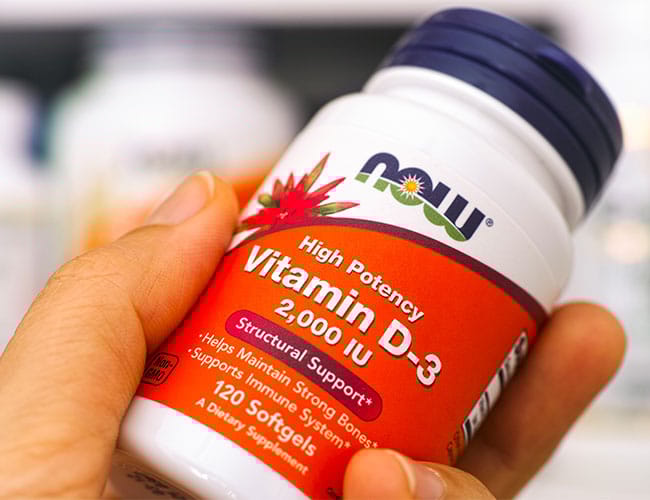
2. Vitamin D
Vitamin D is often recommended for immune health, mood support, and bone strength. But more isn’t always better.
“Vitamin D is another example,” says Dr. Valledor. “This is a fat soluble vitamin which means that you retain it instead of passing the excess.” Because it’s fat-soluble, vitamin D can build up in the body over time. “Excessive vitamin D will cause an overload of calcium in the blood which can lead to kidney failure or abnormal heart rhythms,” he warns. The good news? “Both of these conditions can be easily checked with a blood test to see if you need to be taking them.”
Before adding high-dose vitamin D to your daily routine, it’s critical to confirm your levels with bloodwork.

shutterstock
3. Iodine
Iodine is frequently included in “thyroid support” supplements—but it’s not something everyone needs. If taken unnecessarily, it could even be harmful.
“Iodine is another important one,” Dr. Valledor says. “Many thyroid support formulas contain high doses of iodine, but if you take iodine and you don’t have an iodine deficiency then it can affect thyroid function. Most people take iodine because they are trying to support their thyroid so taking iodine if you don’t need it can actually have the opposite effect.”
He recommends speaking to your doctor first. “If your healthcare provider hasn’t already assessed your thyroid labs and found that you are deficient then you shouldn’t be taking iodine.”

shutterstock
4. Vitamin A
Vitamin A is another fat-soluble vitamin that can accumulate in the body and cause serious harm if taken in excess.
“It will build up in your body and excessive levels can cause liver damage and birth defects in pregnant women,” Dr. Valledor explains.
Because vitamin A is already found in many foods and multivitamins, it’s easy to unintentionally overdo it. “Many people are already taking the amount of vitamin A that they need in their diet and multi-vitamin so if you are taking an additional vitamin A supplement then you are at risk.”

shutterstock
Why Bloodwork Matters
It can be tempting to self-diagnose based on symptoms like fatigue or brain fog, but those symptoms are incredibly broad.
“Always ask yourself if you have a reason to believe you are deficient before taking a supplement,” Dr. Valledor says. “For example, you might be tired and have brain fog. While there are many supplements you can take to help these symptoms, these are also very non-specific and can be caused by a myriad of issues.”
Instead of guessing, get clarity. “Getting your levels checked before taking something will help to ensure that you are not wasting your money, or worse, that you are not risking your health.”
Ultimately, supplements can be incredibly beneficial when used correctly, but it’s important to remember that they’re not harmless. A simple blood test can help ensure you’re taking what your body actually needs.