Vaccines have traditionally worked by teaching the immune system to recognise a specific virus or bacterium – in effect, showing it a wanted poster for a single suspect. But what if one vaccine could protect against dozens of different infections at once? Researchers have now developed a potential candidate for such a vaccine, and a new study in mice, published in the journal Science, has given promising results.
What is this new vaccine, and how does it work?
Most vaccines work by introducing the immune system to a specific pathogen – a weakened version of it, or a key protein from its surface – so that the body can recognise and fight it if encountered later.
This vaccine takes a fundamentally different approach. Rather than targeting any one bug, it contains molecules that mimic the signals the body naturally produces when it is under attack from a virus or bacterium. The effect is to put certain immune cells into a prolonged state of high alert, ready to respond rapidly to a wide range of threats, rather than being trained to spot just one.
However, the consequences to dialling up the immune system beyond its normal state won’t be known until human trials are conducted.
Why is it given as a nasal spray rather than an injection?
The nose, throat and lungs are lined with what scientists call mucosal surfaces – the moist tissues that act as the body’s main point of contact with the outside world, and its first barrier against infection. The immune system in these tissues responds more powerfully when a vaccine is delivered directly to them, rather than into a muscle in the arm.
That principle already underlies the routine flu vaccine given to young children in the UK, which comes as a nasal spray. Research has also shown that COVID vaccines can block infection more effectively in animals when delivered this way, rather than by injection. Spraying the new vaccine into the nose allows it to reach immune cells deep in the lungs.
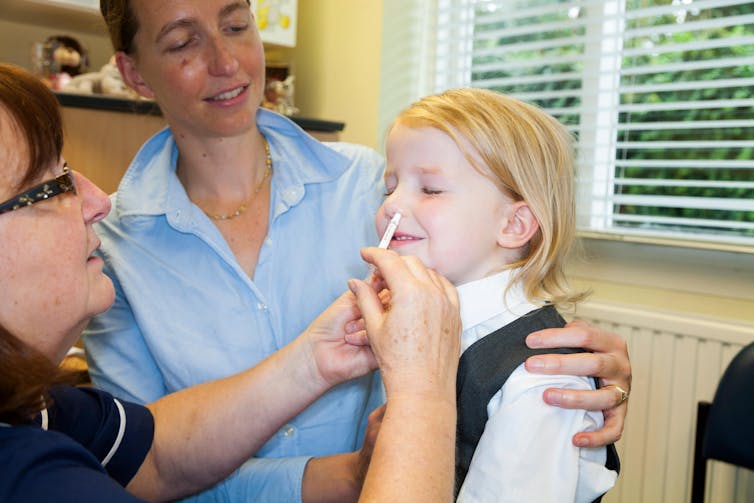
A young girl receives the flu vaccine.
David Gee 4/Alamy
How can one vaccine protect against so many different pathogens?
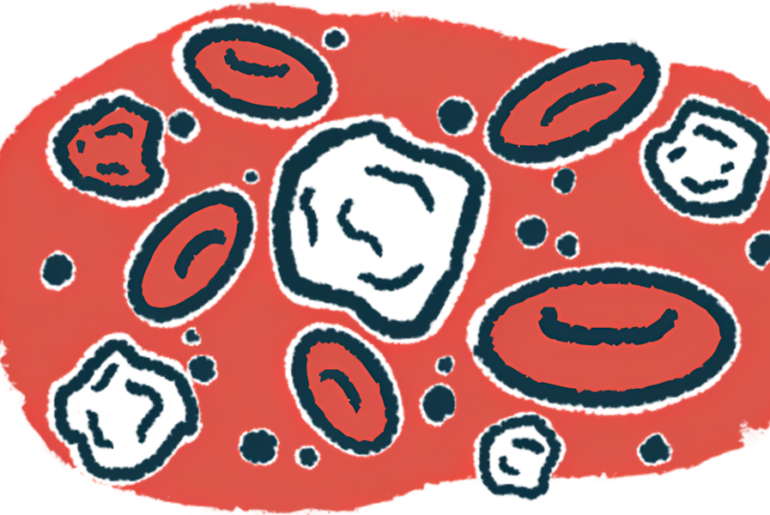
The vaccine works by enhancing communication between two key types of immune cell. The first are alveolar macrophages – large cells positioned in the tiny air spaces of the lungs, where they act as a first line of defence against anything harmful that is inhaled. When primed by the vaccine, they are able to engulf and destroy invading pathogens far more rapidly than usual.
The second are T cells, which are pushed to mount faster antiviral responses. Because the vaccine is boosting these general frontline defences rather than targeting any specific pathogen, it can in theory work against a broad range of threats.
In mice, it also appeared to suppress allergic reactions – to house dust mites, for example – because the strong inflammatory immune response it triggers appears to displace the quite different response that drives allergies.
The study was done in mice. How confident are scientists that it will work the same way in humans?
Cautiously hopeful, but not yet confident. There are well-documented differences between mouse and human immune systems, and promising results in animals frequently fail to translate to people. The critical next step will be controlled human infection studies – trials in which healthy volunteers are vaccinated, exposed to a specific pathogen under close medical supervision, and carefully monitored for both safety and immune response.
Could this really replace multiple jabs a year? And which ones, specifically?
Potentially, yes – at least for some. If it proves effective in humans, a vaccine of this kind could in principle replace the need for separate annual jabs against flu, COVID and common cold viruses, all of which are RNA-based viruses, meaning their genetic material is RNA rather than DNA. Whether it would extend to DNA-based viruses – those responsible for chickenpox or hepatitis, for example – is far less certain and would require separate investigation.
How long does the protection last, and would people need a booster?
In mice, protection lasted up to three months. This is considerably shorter than conventional vaccines in humans, some of which offer protection for years or even a lifetime. How long this type of vaccine might provide protection for in humans is not currently known. A similarly short period of protection in humans could be viewed as a real limitation, but not necessarily a fatal one
If the vaccine were given each autumn, it could provide meaningful protection to vulnerable people across the winter months, when respiratory infections peak. Even time-limited immunity, deployed strategically, could save lives.
What are the next steps before this reaches the public?
Demonstrating safety is the immediate priority. Because the vaccine is designed to keep parts of the immune system in a heightened state for an extended period, there is a need to confirm that this does not cause unintended harm to healthy tissue.
Scientists also need to establish that the strong inflammatory response it triggers does not increase susceptibility to other infections – intestinal parasites, for instance – whose biology overlaps with allergic responses.
How the vaccine performs in older people, who are most vulnerable to severe respiratory illness, is another important unknown. During ageing, a low level of background inflammation, known as inflammaging, can also contribute to age-related diseases and reduce immunity to past infections.
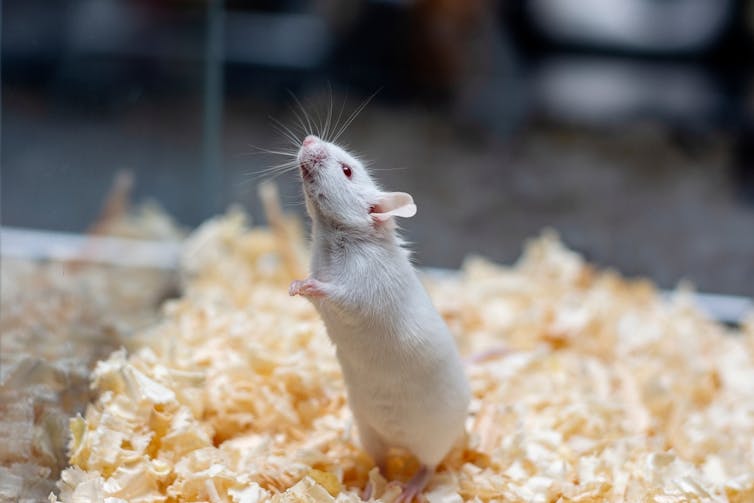
So far, it’s only been shown to work in mice.
Iva Dimova/Shutterstock.com
How soon could we have this?
The study’s senior author, Bali Pulendran, says that in the best-case scenario a universal respiratory vaccine might be available in five to seven years.
However, progress will depend heavily on how early human trials perform. If the vaccine proves less potent in people than in mice, or if safety concerns emerge, the formulation will need to be revised, adding time at every stage.
A strong early showing, on the other hand, could build momentum. Either way, developing a human-ready formulation, completing safety trials, and testing how effective it is against multiple real-world pathogens is a substantial undertaking that cannot easily be rushed.
Could this work against future pandemic viruses we haven’t even encountered yet?
This is arguably where the potential is greatest. Conventional vaccines against flu and COVID require regular updating because the viruses mutate. And when the vaccine strain does not closely match what is actually circulating, protection can fall short.
A vaccine that places the immune system on broad, non-specific high alert could offer a critical first layer of defence against a new pandemic pathogen, limiting serious illness and death while a targeted bespoke vaccine is developed. In a world still living with the memory of COVID, that possibility alone makes this research worth watching.