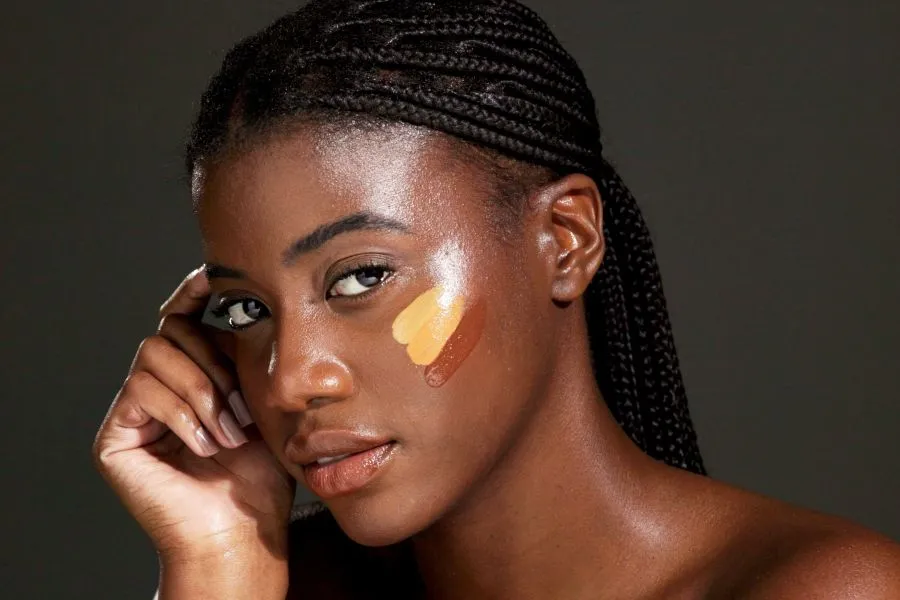
Foundation shade ranges may become obsolete. Chromara Beauty has created a makeup solution that can concoct exact-match formulas at home, in retail, or at the point of manufacturing.
Chromara provides six base pigments and creates millions of custom formulations at the point of sale. The technology allows brands to carry less inventory, customers to get an exact shade match, and the industry to build a closed-loop operating system for refillable, on-demand foundation.
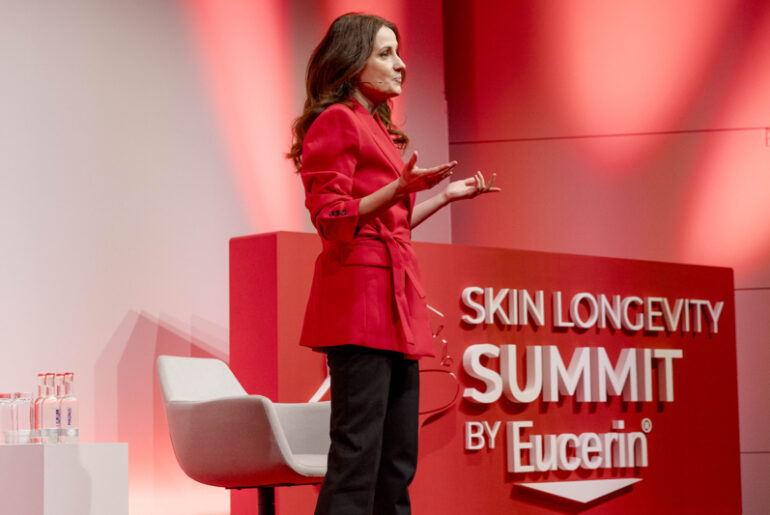
Personal Care Insights speaks to Lydia Steevens, CEO of Chromara Beauty, about how it is ushering a makeup landscape where the guessing game of foundation stock quantity is eliminated, an exact match is found, and waste is reduced. Steevens tells us that right now, almost half (40%) of the foundations created are not sold, leading them to be destroyed or strongly discounted.
The beauty technology company is finalizing the prototype stage, with fully functional units scheduled for beta testing in approximately 3–4 months.
Replacing stock
Instead of brands manufacturing 40–50 distinct stock-keeping units (SKUs) and hoping retailers stock the right mix, Chromara’s six base pigments create millions of custom formulations whenever needed. Brands still control their formulas, but the shade creation happens in real time based on each customer’s skin.
“This shifts brands from being product manufacturers to formula licensors. They’re no longer in the business of predicting which 40 shades will sell — they’re enabling infinite personalization through their proprietary base formulas,” says Steevens.
Current foundation merchandising requires significant shelf space for shade ranges (over 50 SKUs per brand multiplied across dozens of brands). Steevens says that the technology could dramatically reshape inventory, shelf space allocation, and in-store merchandising.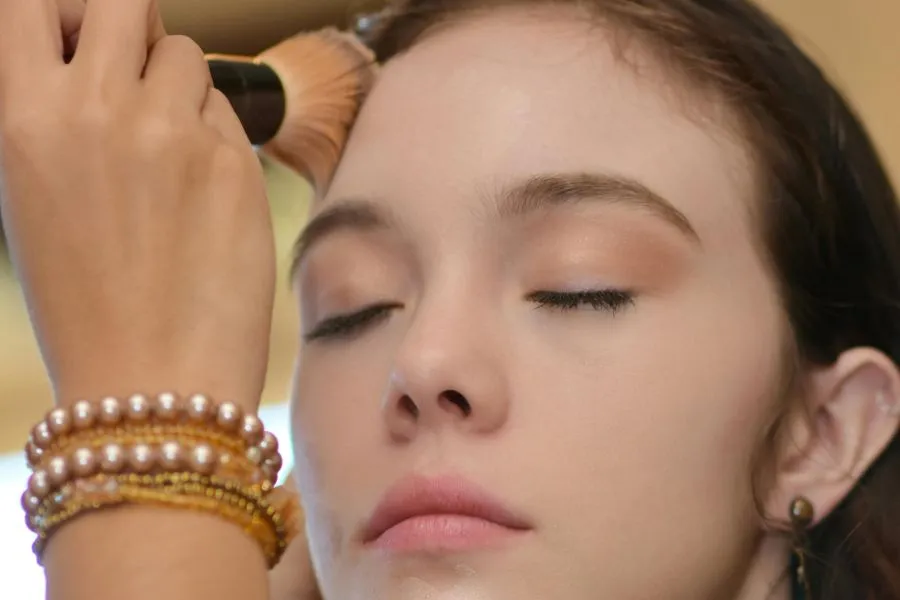 On-demand foundation is said to provide a flawless shade match.
“With our system, a single device per brand can replace an entire foundation wall. Retailers gain floor space for other categories or experiences. Inventory risk shifts almost entirely away from retailers — they’re stocking pigment refills instead of finished goods that might not move.”
For brand partnerships, Steevens states that the pigments change the cost–value negotiation entirely.
“Retailers are no longer evaluating whether to carry a brand’s full shade range or just the bestsellers. They’re evaluating whether the brand’s formula and positioning justify the dispensing unit’s floor space.”
Brands still need to forecast demand for the six base pigments they will need, but prediction becomes simpler because all the colors are useful across different skin shades. For supply chain planning, it means brands can respond to demand signals much faster. If a retail location is going through certain pigments quickly, they know that demographic needs more of those undertones.
“Traditional manufacturing locks brands into shade distribution decisions 6–12 months before products hit shelves. This technology makes adjustments possible within weeks,” explains Steevens.
Beauty industry impact
Even if Chromara’s technology terminates the need for foundation shade assortments, Steevens notes that there is still a way to go before it is entirely eradicated. “Fixed-shade manufacturing will exist for a long time, but its dominance will decline.”
She says that mass-market drugstore brands will likely stick with traditional models due to price point and distribution channels not supporting device-based dispensing. However, prestige and luxury beauty are forecasted to be the main adopters of the tech as the personalized beauty trend grows.
“I think we’re at the beginning of a genuine shift toward personalization. Not just in shade, but in formula customization for different skin concerns, climates, and preferences,” says Steevens.
When this shift will occur, however, is in question.
“The timeline is harder to predict. If our technology proves successful and other companies develop competing systems, we could see meaningful adoption within 5–7 years at retail, with broader consumer adoption following 3–5 years after that. But that assumes no major regulatory barriers and willingness from brands to evolve. The revolution isn’t just technological, it’s cultural and operational,” continues Steevens.
The biggest obstacle to full acceptance is operational change management. Beauty brands have entire manufacturing infrastructures built around traditional production. Implementing Chromara’s system doesn’t require dismantling that, but it does require different thinking about product development, quality control, and retail operations.
“There’s also education. Training retail staff to explain the technology to customers, ensuring proper device maintenance, and managing pigment inventory at the store level. For brands, there’s the question of how this fits into their existing product portfolio. Do they run parallel systems (traditional SKUs alongside personalized dispensing)? Do they transition entirely? These are strategic decisions without clear precedent,” says Steevens.
“Regulatory is another consideration. Our technology is compliant with cosmetics regulations, but brands need to understand how on-demand formulation fits within their existing quality and safety frameworks.”
Reducing waste
The pigment system removes the risk of overproducing specific shades that don’t sell, thus eliminating waste from unsold inventory. 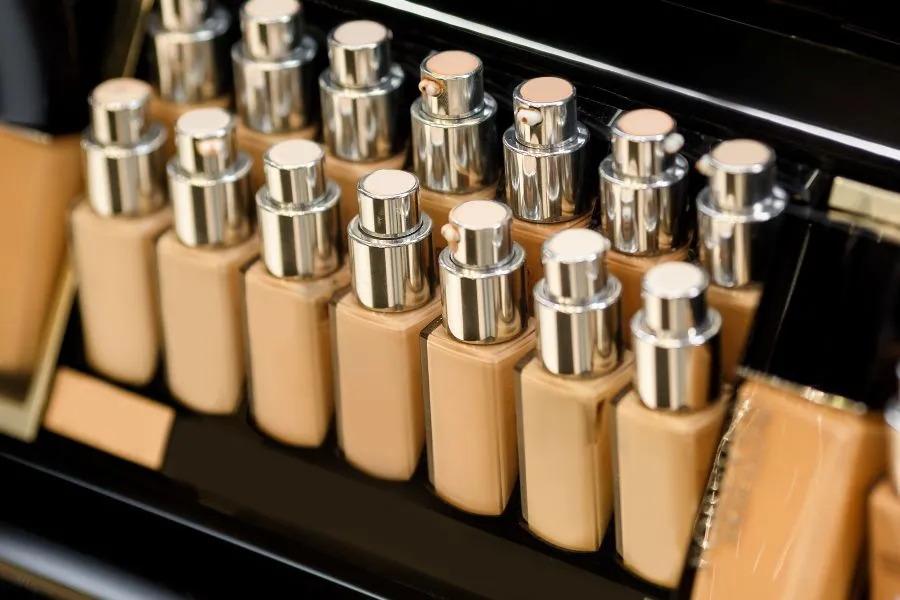 The technology works to eliminate overstock and waste in the beauty sector.
Brands currently manufacture millions of units, hoping they sell. Approximately 40% of the foundation doesn’t move and eventually gets destroyed or heavily discounted, according to Steevens.
“With on-demand formulation, brands only produce what’s actually purchased. There’s no risk of [unused] shades sitting in a warehouse for two years while [another] shade sells out constantly.”
Waste can still occur at the ingredient level, but not at the packaged product level. If the pigments are not used enough as predicted, excess may still result.
“It reduces packaging waste. Our refill system uses biodegradable inserts rather than individual bottles for each purchase. Consumers aren’t accumulating dozens of foundation bottles trying to find their match or dealing with seasonal shade changes. They’re refilling one device,” adds Steevens.
Shade inclusion inspiration
Makeup shade inclusivity has been a major industry conversation for years. The co-founders of Chromara say that inclusivity was a major inspiration for them.
The pair worked at Sephora and watched thousands of customers struggle to find shade matches. They highlight that it was “particularly painful” for deeper skin tones where “options were limited and often poorly formulated.”
“We’d sell people multiple bottles to mix, or suggest workarounds that shouldn’t have been necessary. It became clear the problem wasn’t that brands didn’t care about inclusivity, it’s that the manufacturing model makes true inclusivity economically impossible. You can’t profitably make and distribute 1,000 shades using traditional methods,” says Steevens.
“The inspiration was realizing that if we wanted real inclusivity, we had to change how foundation gets made, not just advocate for brands to make more shades.”
Current inclusivity efforts are additive, with brands adding more shades to their ranges. Steevens tells us that this approach is helpful, but doesn’t solve the fundamental problem that billions of people can’t be represented by even 100 pre-made shades.
“We’re solving it multiplicatively. Four and a half million possible shades means the technology can match anyone, regardless of undertone, depth, or how their skin changes seasonally. Inclusivity stops being about how many shades a brand offers and starts being about whether the technology can accurately analyze and match all skin tones,” says Steevens.
The Chromara CEO touts that the tech redefines “inclusive” from marketing language to engineering specification. “Either the system works for everyone, or it doesn’t. There’s no partial credit.”
Consumer response
When prompted how Steevens predicts consumers will react to the six pigment solution, she says it depends on the execution. She expects early adopters and beauty enthusiasts to embrace it immediately because they understand the shade-matching problem intimately.
However, mainstream consumers might need more education. 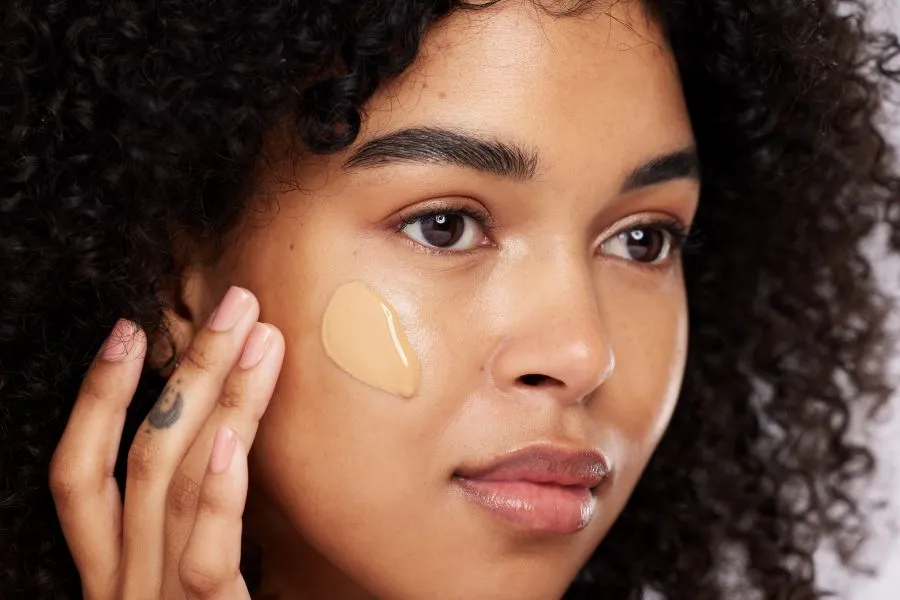 Chromara’s technology creates custom foundation shades.
“There’s a comprehension gap where people think it’s a recommendation tool or filter rather than understanding it physically creates makeup. Once they see it work in person, the reaction is usually immediate understanding and excitement,” says Steevens.
She posits that the bigger question of the solution’s universal approval is trust. She ponders if consumers will trust that a machine-made formula is as good as what they’re used to.
The matter of trust is why Chromara is positioning the technology as infrastructure for existing brands rather than launching its own cosmetics line.
“If it’s Estée Lauder’s formula being personalized, consumers already trust the brand — they’re just getting a better shade match. We aren’t a beauty brand, and we aren’t here to compete with brands, we just want to give them a better way to reach customers and deploy their already amazing products.”
“We’re actively in conversations with major beauty brands about retail partnerships. This isn’t hypothetical technology — it’s being built right now. The interest from the industry side has been genuine, which tells us the operational problems we’re solving are real enough that brands are willing to consider fundamental changes to their business models,” Steevens concludes.