Add DMNews to your Google News feed. 
Tension: Millions of health-conscious adults are taking NMN, resveratrol, and high-dose folic acid to slow aging — but neurologists and oncologists are discovering these supplements may be feeding cancer cells through the same repair pathways they’re designed to enhance.
Noise: The longevity industry operates on the assumption that boosting cellular repair is unconditionally beneficial, ignoring that cancer cells are better scavengers than healthy cells — and that after age 40, most bodies already harbor pre-cancerous cells waiting for exactly this kind of metabolic fuel.
Direct Message: The most sophisticated health decision isn’t optimizing your supplement stack — it’s recognizing that your body’s own messy, unglamorous protective systems evolved alongside its cancer-suppression mechanisms, and that indiscriminate intervention may override the very silence that’s keeping you safe.
To learn more about our editorial approach, explore The Direct Message methodology.
Elena Marchetti, a 58-year-old architect in Portland, had been taking her supplement stack religiously for six years — NMN in the morning, resveratrol with lunch, high-dose folate before bed. She called it her “longevity protocol,” a phrase she’d picked up from a podcast hosted by a Stanford-adjacent biohacker whose name she can no longer remember. When her oncologist found an aggressive tumor in her left breast last March, Elena’s first question wasn’t about staging or treatment options. It was: “Could my supplements have done this?”
Her oncologist paused — longer than Elena expected.
That pause is becoming more common in exam rooms across the country. A growing body of research — and a small but increasingly vocal group of neurologists and oncologists — is raising an alarm that three of the most popular anti-aging supplements on the market may be doing something nobody anticipated: feeding the very cellular machinery that drives cancer.
The supplements in question — nicotinamide mononucleotide (NMN), resveratrol, and high-dose folic acid — share a common promise: they claim to slow or reverse aging at the cellular level. NMN boosts NAD+, the coenzyme that fuels cellular repair. Resveratrol activates sirtuins, proteins linked to longevity. Folic acid supports DNA methylation — the epigenetic process that keeps genes behaving properly as we age. On paper, the logic is airtight. In practice, the biology is turning out to be far more treacherous.
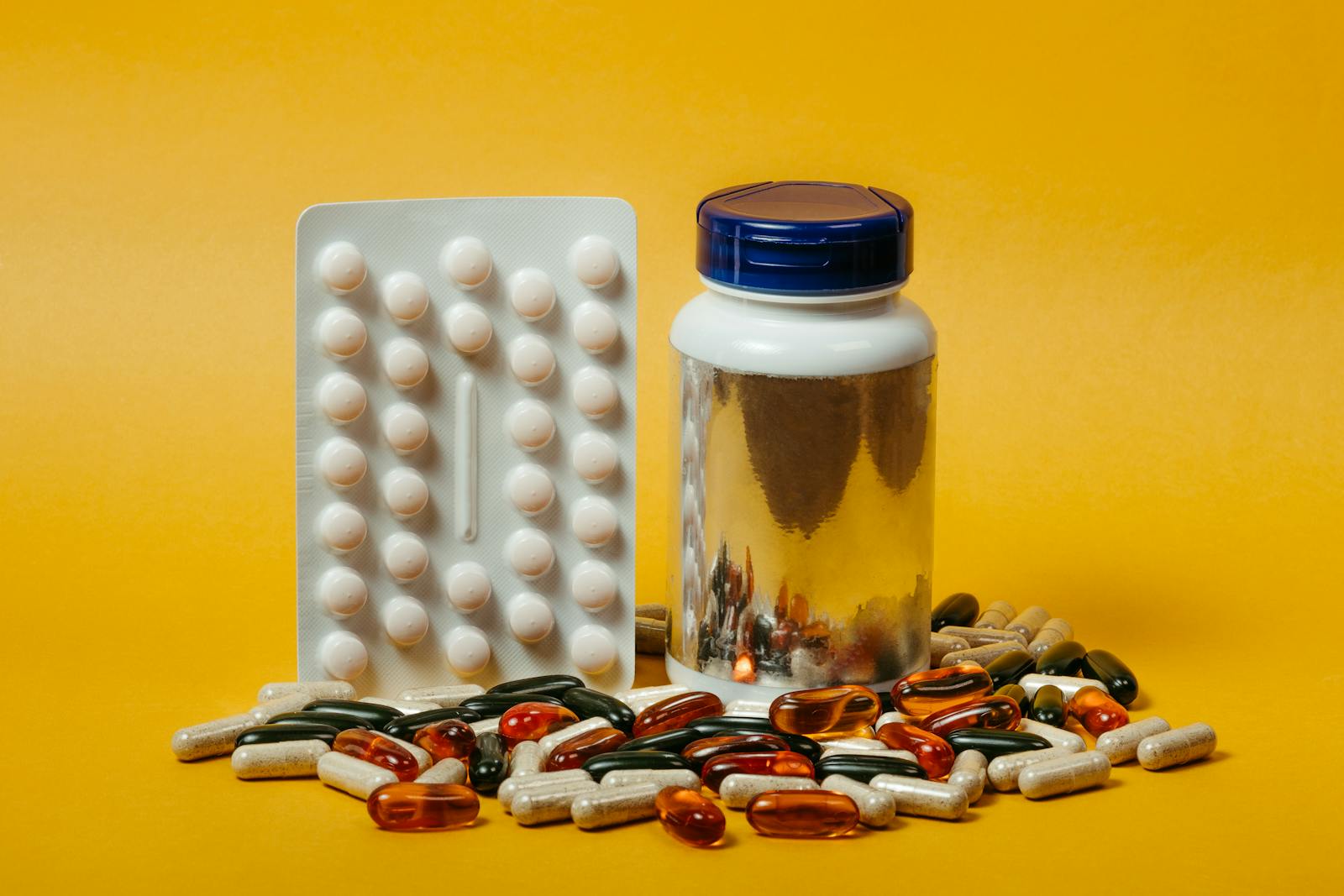 Photo by Jonathan Borba on Pexels
The mechanism nobody expected is something researchers are calling oncogenic parasitism — the ability of cancer cells to hijack the same repair pathways these supplements supercharge. A 2023 study published in Biosensors and Bioelectronics by researchers at the University of Tokyo found that elevated NAD+ levels didn’t just help healthy cells repair themselves — they gave pre-cancerous and cancerous cells a significant metabolic advantage, essentially turbocharging their growth. Cancer cells, it turns out, are better scavengers than healthy cells. When you flood the system with repair fuel, the cells that benefit most are the ones already programmed to replicate aggressively.
Marcus Trejo, a 47-year-old software engineer in Austin, learned about this the hard way. He’d been taking NMN for two years — 500 mg daily — after reading David Sinclair’s Lifespan. “I thought I was investing in my future,” he told me. When routine bloodwork revealed elevated PSA levels, his urologist ordered a biopsy. The results came back positive for early-stage prostate cancer. Marcus’s oncologist at MD Anderson — Dr. Rena Kowalski — told him something that restructured his entire understanding of health optimization: “You were feeding healthy cells and cancerous cells the same meal. But cancer eats faster.”
Dr. Kowalski is one of several clinicians now urging caution. She’s not alone. A 2022 review in Nature Cell Biology examined how NAD+ supplementation interacts with tumor microenvironments and concluded that “the indiscriminate boosting of NAD+ metabolism may inadvertently support malignant transformation in tissues with pre-existing oncogenic mutations” — mutations that are, statistically, incredibly common in adults over 40. We’re not talking about rare genetic anomalies. We’re talking about the normal accumulation of cellular errors that happens in every aging body.
This is the paradox at the core of the anti-aging supplement industry: the very thing that makes aging dangerous — cellular damage — is also what makes indiscriminate repair dangerous. As a neurologist recently warned about popular supplement stacks, the assumption that more repair equals better health ignores a critical nuance — sometimes the body’s decision not to repair a cell is a form of protection. Apoptosis — programmed cell death — is the body’s way of eliminating damaged cells before they become dangerous. When you artificially boost the energy supply to all cells without discrimination, you may be overriding that protective mechanism.
Resveratrol’s story follows a similar arc. For years, it’s been marketed as the compound that explains the “French Paradox” — the observation that French people drink wine and still have lower rates of heart disease. But Dr. Priya Ananthaswamy, a neuro-oncologist at UCSF, told me that resveratrol’s activation of sirtuin pathways has a darker edge. “Sirtuins are context-dependent,” she explained. “In a healthy cell, sirtuin activation promotes longevity. In a cell that’s already carrying oncogenic mutations, sirtuin activation can promote survival — of the wrong cells.” This is a concept she calls survival bias at the molecular level: the supplement doesn’t choose which cells to protect. It protects whatever’s already alive and growing.
High-dose folic acid presents its own problem. While adequate folate is essential for DNA synthesis and repair, excess folate — particularly the synthetic form found in supplements rather than the natural folate in leafy greens — has been linked to accelerated growth of colorectal adenomas. A landmark randomized trial published in JAMA found that participants receiving 1 mg daily of folic acid had a significantly higher risk of advanced colorectal lesions over a six-year follow-up. The mechanism is strikingly similar: folic acid provides the raw materials for DNA replication, and cancer cells — which replicate faster than anything else in the body — consume those materials voraciously.
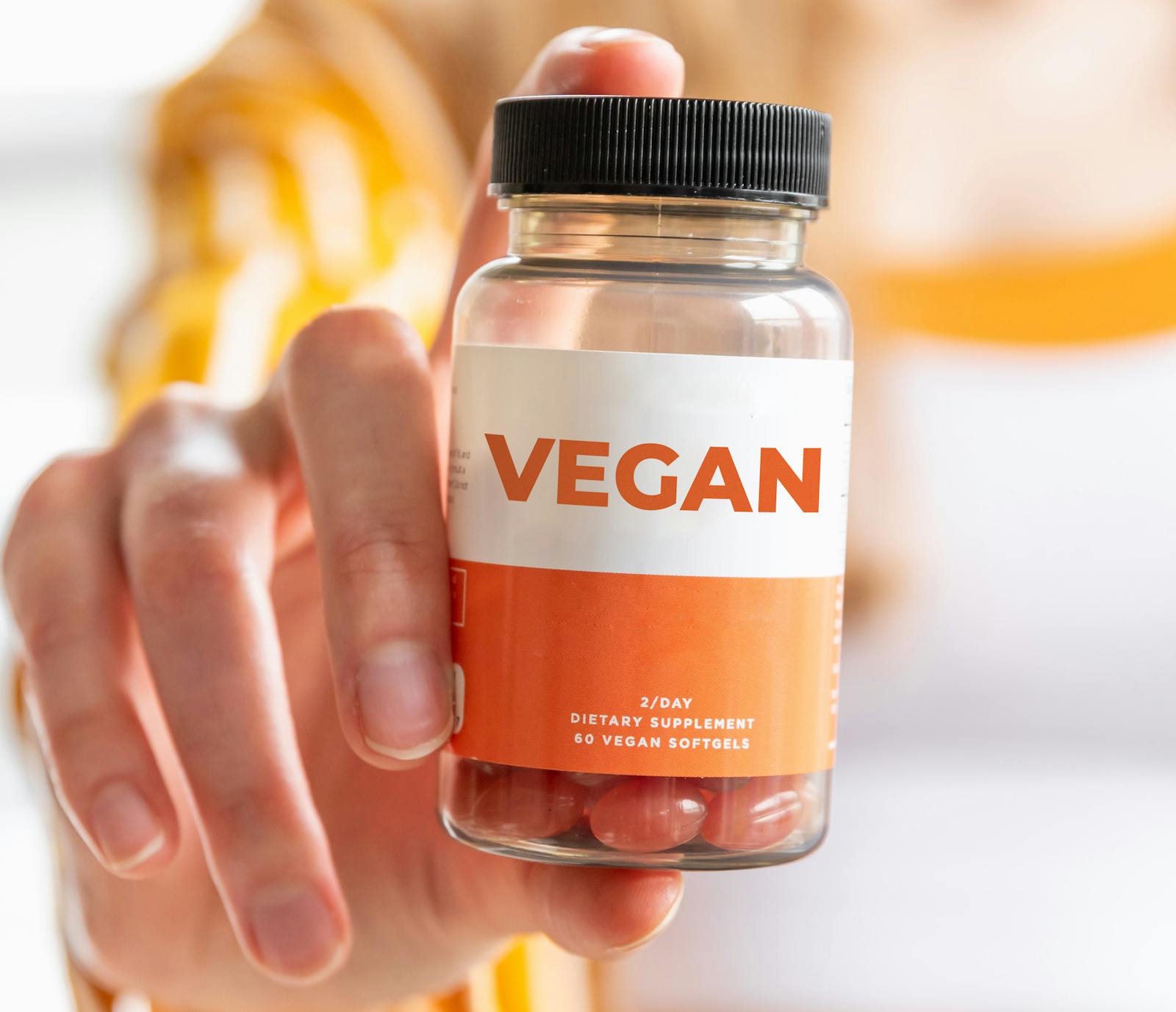 Photo by Future Kind Vegan Supplements on Pexels
What’s quietly devastating about all of this is the profile of the person most at risk. It’s not the casual vitamin-taker. It’s the person who does the most research. The person who reads longevity blogs and listens to health podcasts and curates their supplement stack with the precision of a pharmacist. As one writer at DMNews discovered after three years of stacking supplements, the bloodwork sometimes tells a story that contradicts everything the protocols promised.
I’ve been thinking about something Dr. Ananthaswamy said during our conversation. She was describing a patient — a 62-year-old retired teacher named Diane Holt in Sacramento — who’d been taking all three supplements for four years when she was diagnosed with an unusually aggressive glioblastoma. “Diane did everything right by the standards of the longevity community,” Dr. Ananthaswamy said. “She was meticulous. She tracked her biomarkers. She optimized her sleep, her diet, her stress response. And her cancer cells were among the most metabolically active I’ve seen.”
Dr. Ananthaswamy isn’t saying the supplements caused Diane’s cancer. That distinction matters — and it’s one the research community is careful to maintain. What the data suggest is something more unsettling: these supplements may not cause cancer, but in bodies that already harbor pre-cancerous cells — which, after age 40, is most of us — they may accelerate it. They may take something that would have remained dormant for decades and hand it a megaphone.
This is what I’d call the optimization trap — the belief that more intervention always produces better outcomes. It’s the same pattern we see in cognitive health, where certain supplement combinations may actually be accelerating brain aging, and the same pattern that makes naturally occurring protective proteins so much more interesting than synthetic interventions. The body’s own longevity mechanisms — messy, slow, unglamorous — evolved alongside its cancer-suppression systems. They co-developed. They know about each other. Supplements don’t have that institutional memory.
None of this means you should panic if you’ve been taking NMN or resveratrol or folic acid. It means something more difficult than panic — it means sitting with uncertainty. It means acknowledging that the longevity industry has been operating on an assumption that cellular repair is unconditionally good, and that assumption is cracking. It means recognizing that the most sophisticated health decision you can make isn’t adding something to your routine — it’s questioning why you added it in the first place.
Elena Marchetti stopped taking her supplements after her diagnosis. She’s in remission now. When I asked her what she wished she’d known, she didn’t talk about NMN or NAD+ or sirtuins. She said: “I wish I’d known that my body was already doing something. I just couldn’t see it because it didn’t come in a capsule.”
The body’s silence isn’t absence. Sometimes it’s the most sophisticated protection you have.
Feature image by Yaroslav Shuraev on Pexels