Baby Formula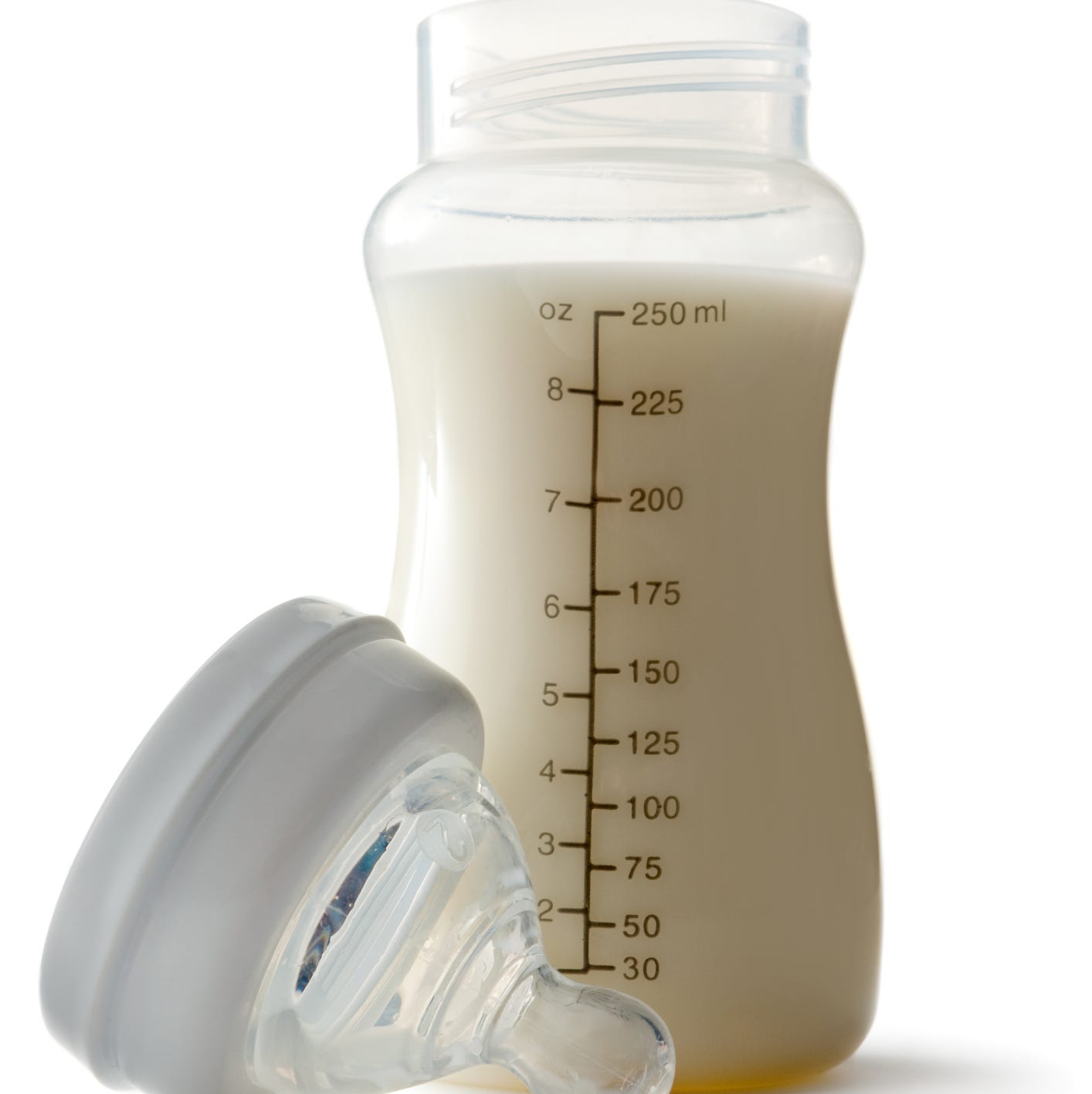 Floortje//Getty Images
“This is the most important one on the list,” says Schaffner. “It’s the sole source of nutrition for babies being fed formula. We know it contains the listed nutrients until the date on the label. But feeding your baby this after that date could be contributing to a nutrient deficiency.” That means any formula should be tossed after the “use-by” date.
Eggs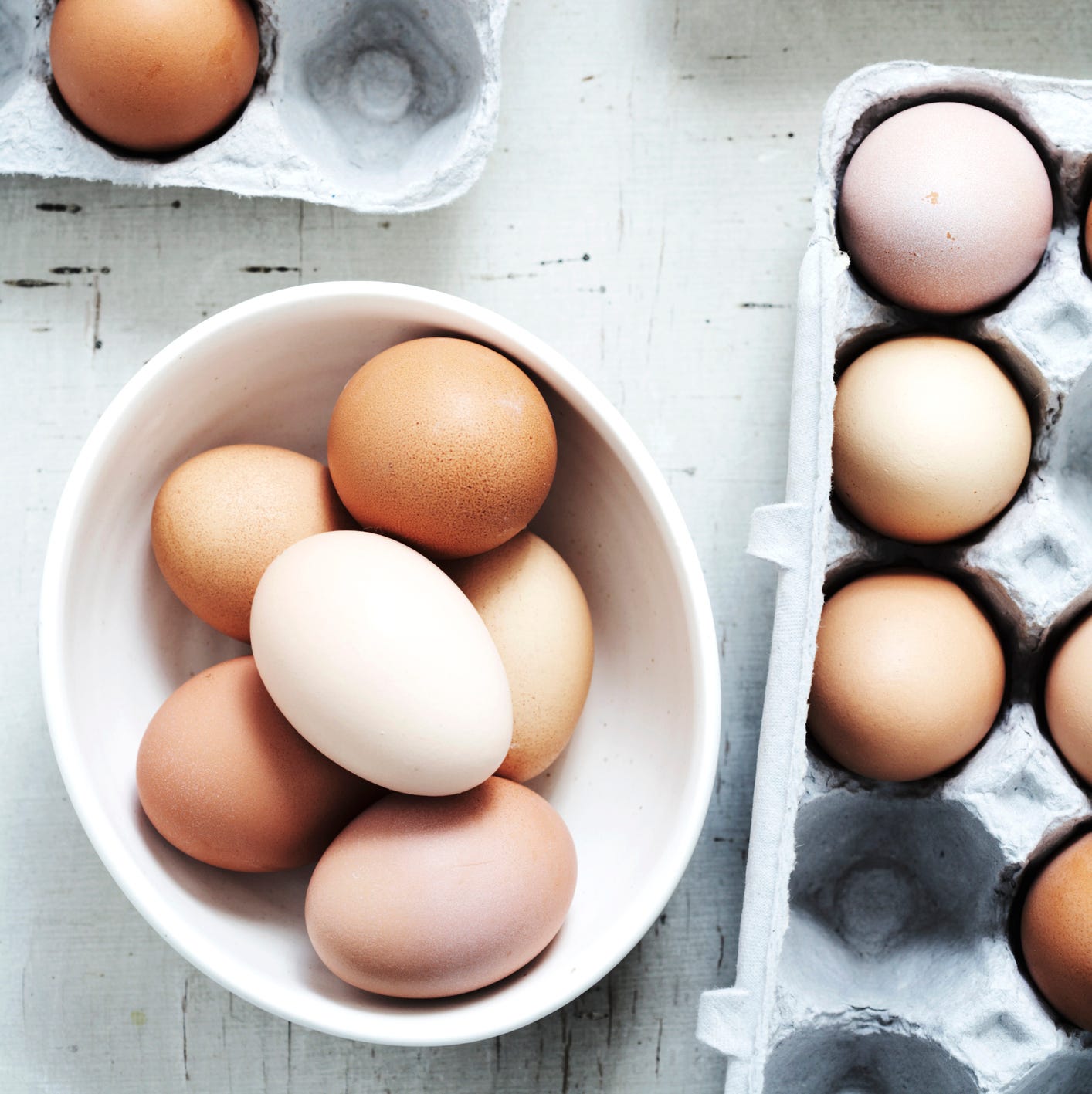 Armando Rafael//Getty Images
Federal regulation doesn’t require either a “sell-by” or a “use-by” date on eggs, though it may be required by the state. But you’ve actually got lots of time to use up your eggs. “Eggs have a shelf life of three to five weeks,” says Isabel Maples, M.Ed., R.D.N., spokesperson for the Academy of Nutrition and Dietetics. “Even if the sell-by date passes, they’re still okay to eat if they’ve been kept in a fridge at the proper temperature of 40 degrees or colder.” But throw any cracked eggs away because of the risk of salmonella.
Advertisement – Continue Reading Below
Milk, Half and Half, Whipping Cream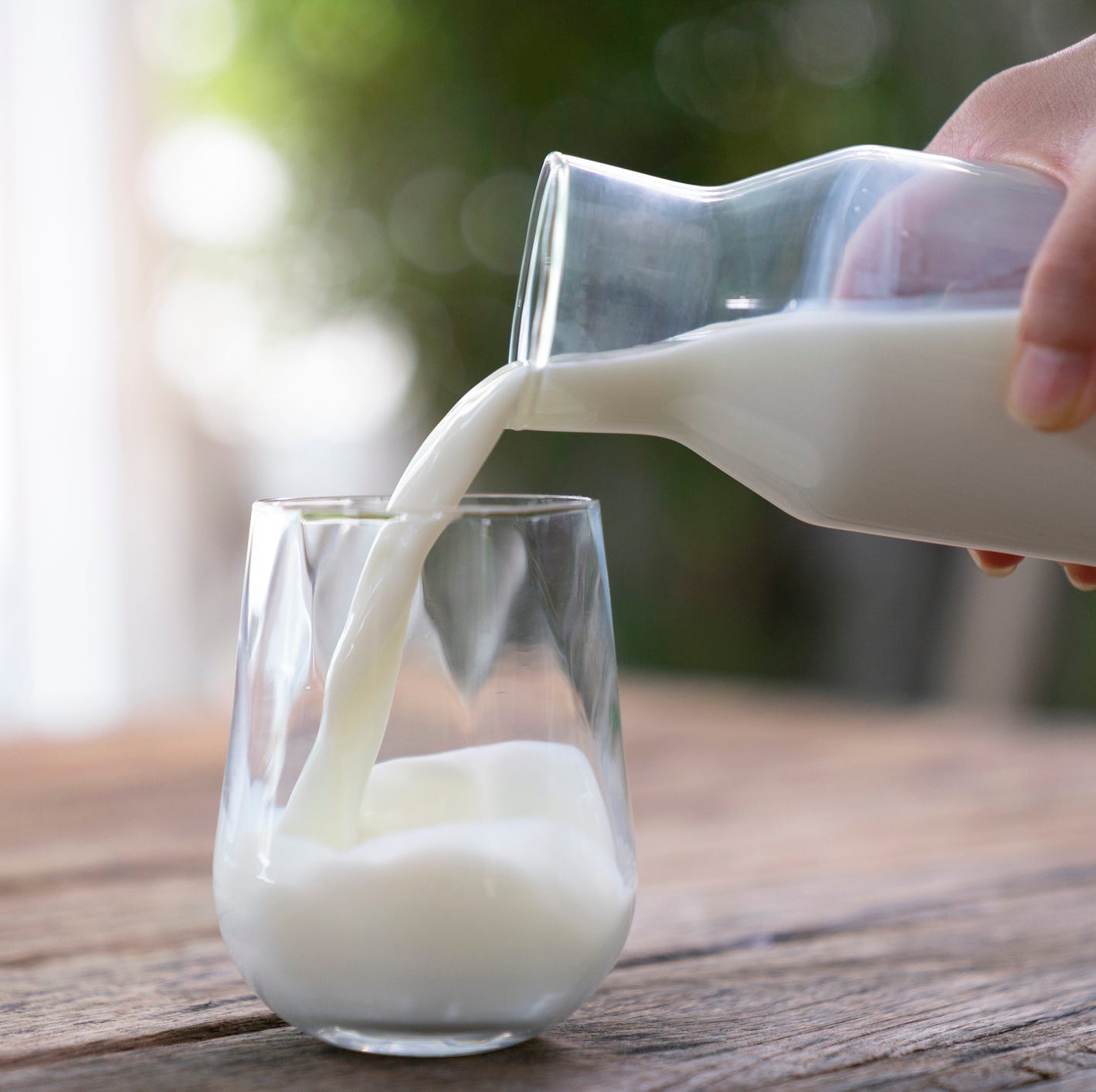 krisanapong detraphiphat//Getty Images
“Milk products have a protein content that’s a good growing medium for bacterial action,” says clinical dietician Katherine Zeratsky, R.D.N., with Mayo Clinic. “If they develop a sour smell, off color, or curdling, you’ll obviously want to toss them.” Typically, these type of milk products last a week once opened. Raw milk, which has not been pasteurized to destroy disease-causing bugs such as salmonella, E. coli, listeria, and campylobacter, is not safe to consume under any circumstances.
Cream Cheese, Cottage Cheese, Ricotta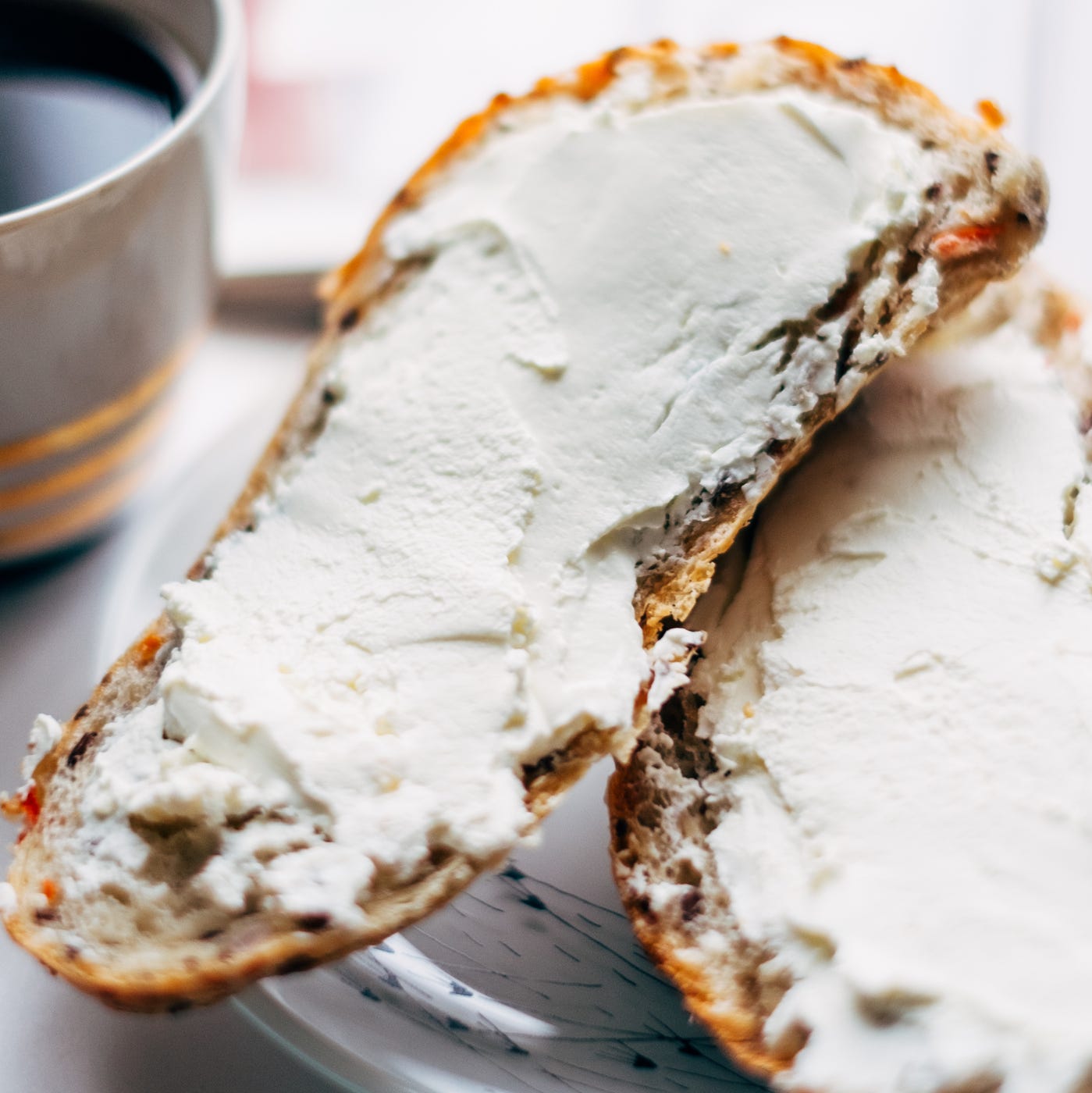 Dulin//Getty Images
Advertisement – Continue Reading Below
Shredded Cheese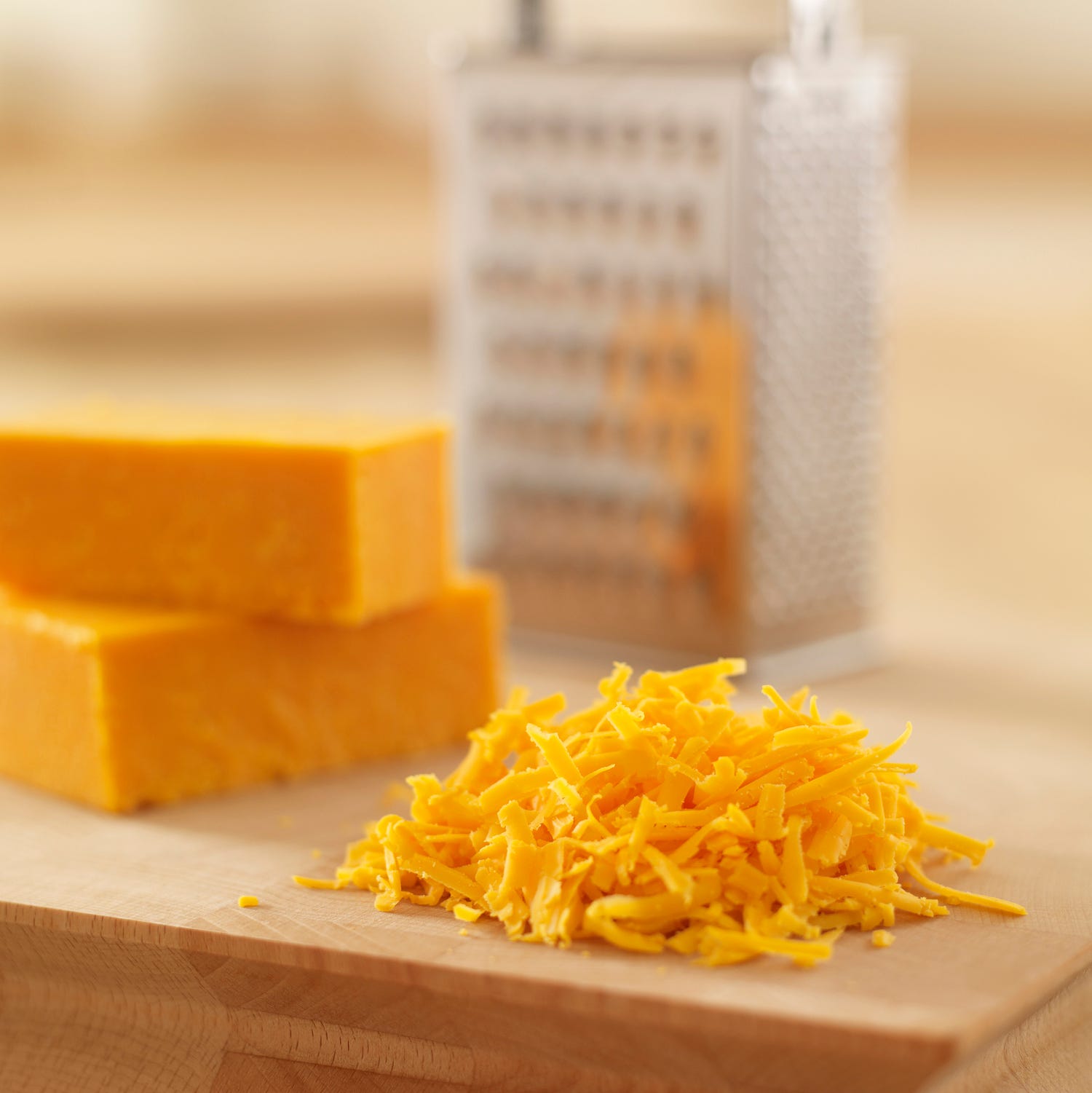 Adam Gault//Getty Images
Shredded cheese usually has a sell-by date. Unopened, it may last a week past that date. But once opened, mold may develop quickly so use within a few days. If you see any growth, toss the entire bag because you have no idea how far the mold extends, says Zeratsky.
Semi-firm Cheese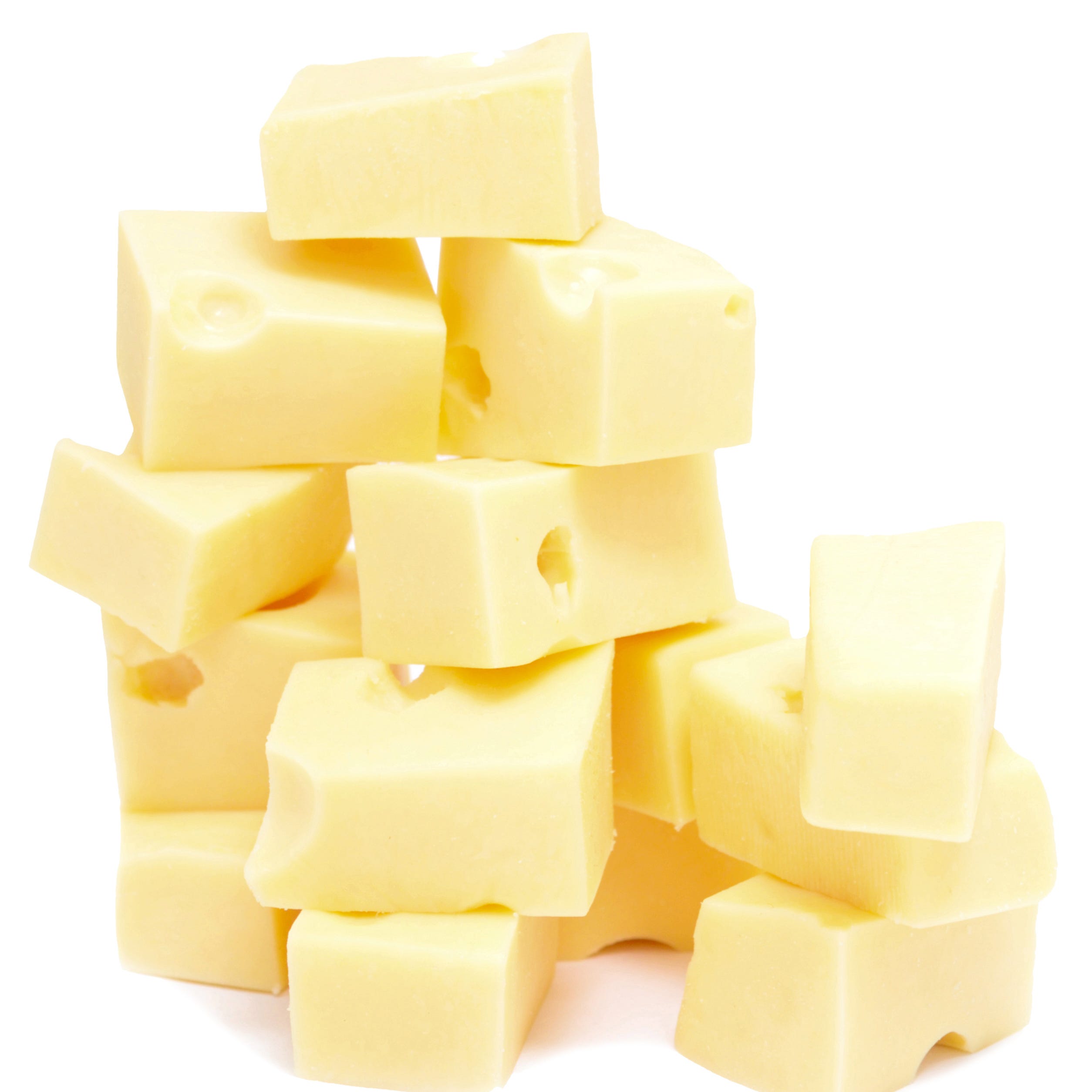 happyfoto//Getty Images
Cheddar, Gouda, Swiss, and other semi-firm cheeses may be stored up to six months unopened, or three to four weeks after opening. Because they have less water content than soft cheeses, the spoilage won’t spread as quickly, so you may cut off any mold, leaving a margin of about an inch, says Maples.
Advertisement – Continue Reading Below
Hard Cheese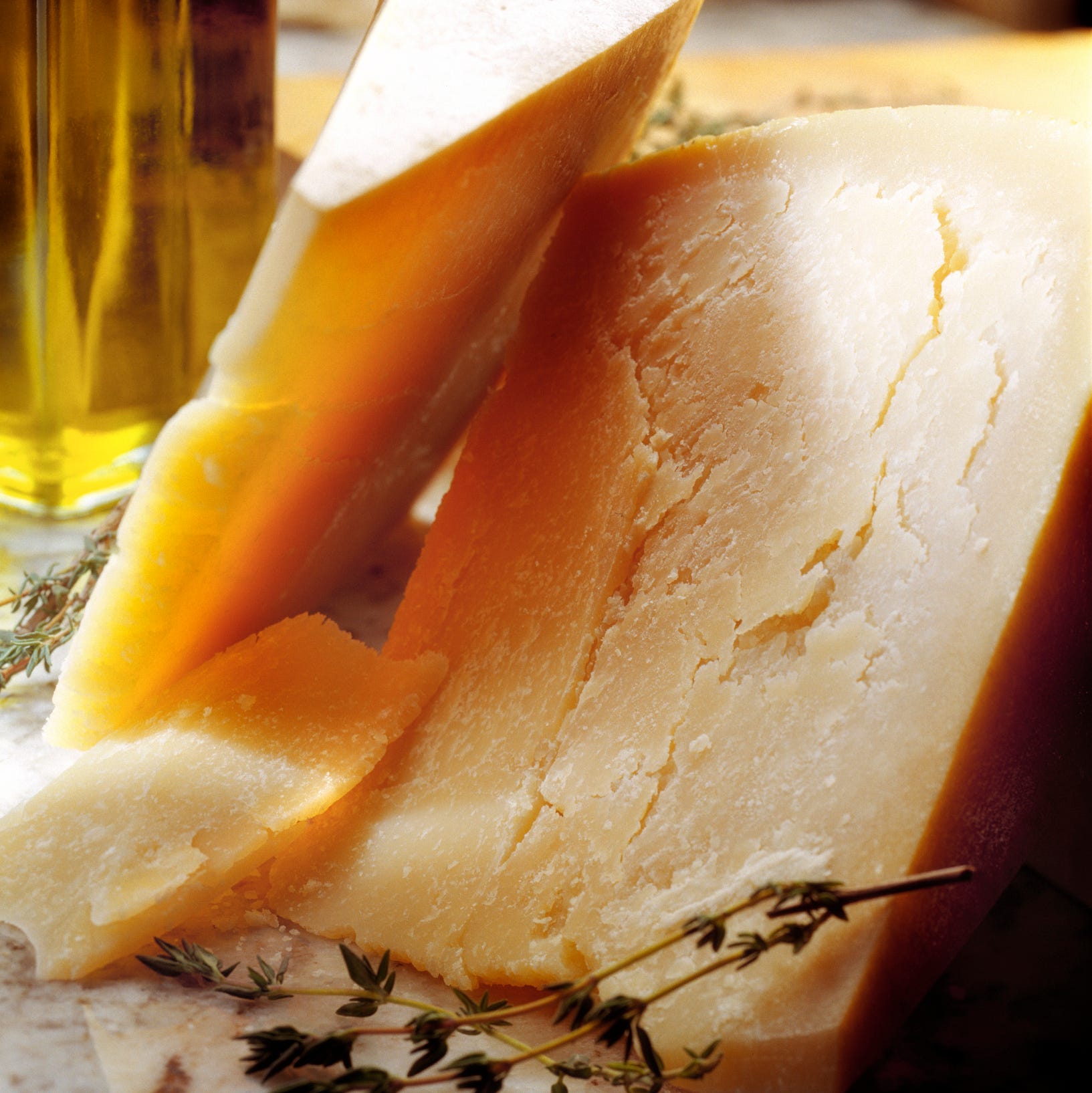 Steve Cicero//Corbis
Hard cheeses, such as parmesan or Romano, which have little moisture content, may last for many months after the sell-by date, says Zeratsky. It’s fine to cut off any visible mold and use.
Cooking Oil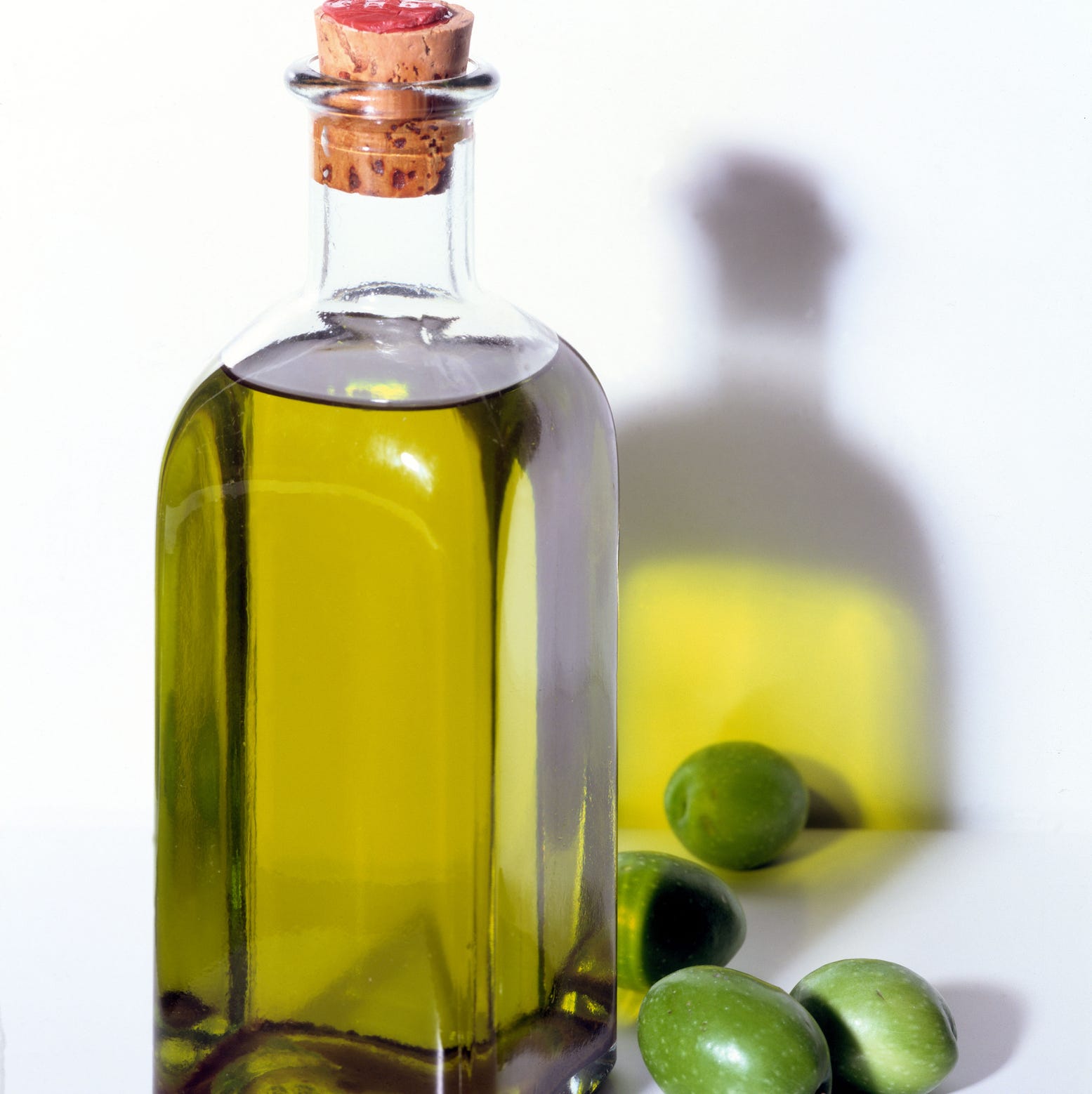 Brian Hagiwara//Getty Images
Most oils will last a year on the shelf and about six months once opened. Keeping them away from heat and light will help extend their lifespans. In time, they develop a rancid, bitter taste and should be discarded, says Zeratsky.
Advertisement – Continue Reading Below
Head Lettuce and Cabbage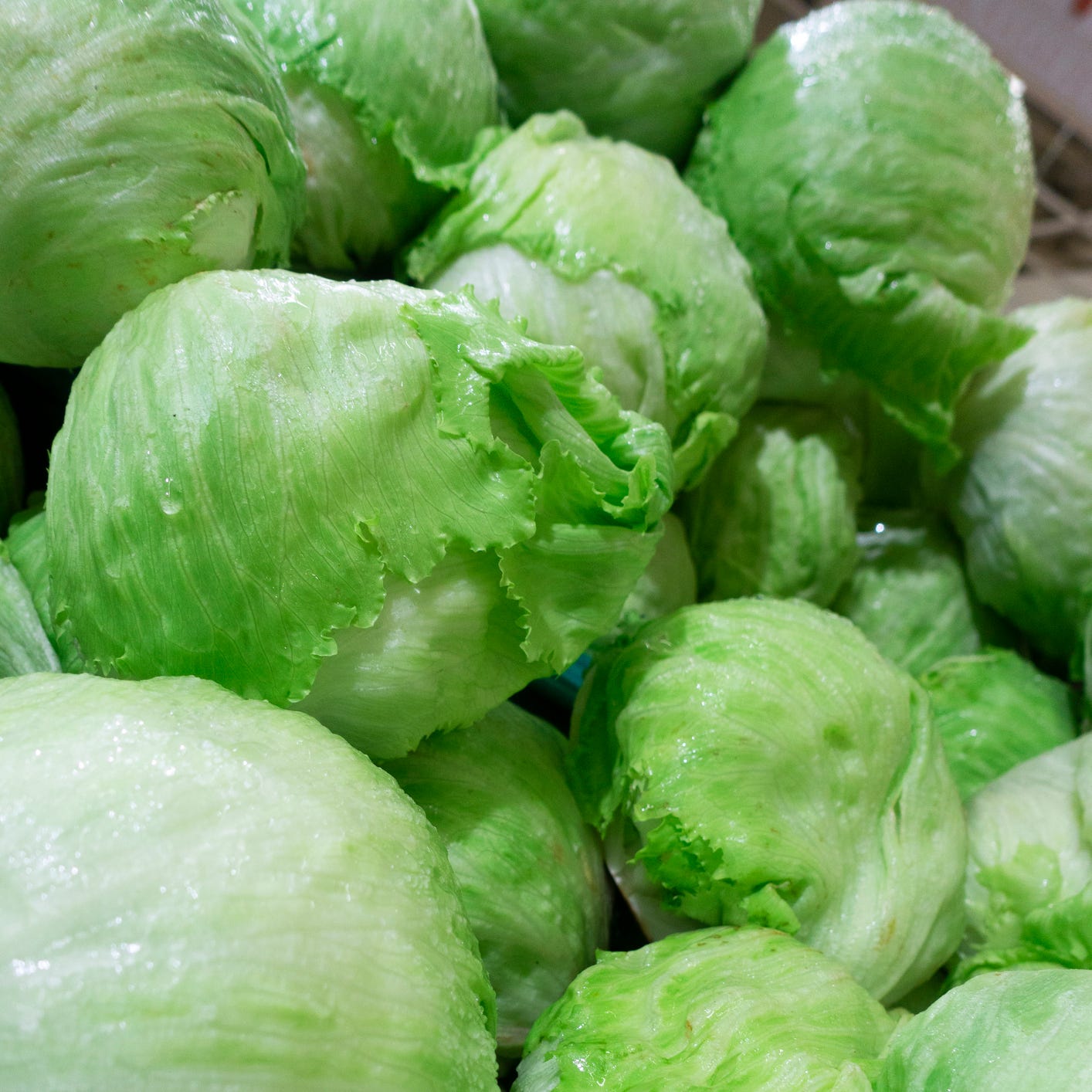 Dontstop//Getty Images
Head lettuce will last about five days in the fridge, but make sure it’s dry, because wet lettuce will spoil more quickly. “Leafy greens account for about half the food safety outbreaks with produce,” says Maples. That means you should toss the whole thing if it begins to turn slimy. Cabbage may last for months; just peel off the outer leaves if soft.
Prepackaged Lettuce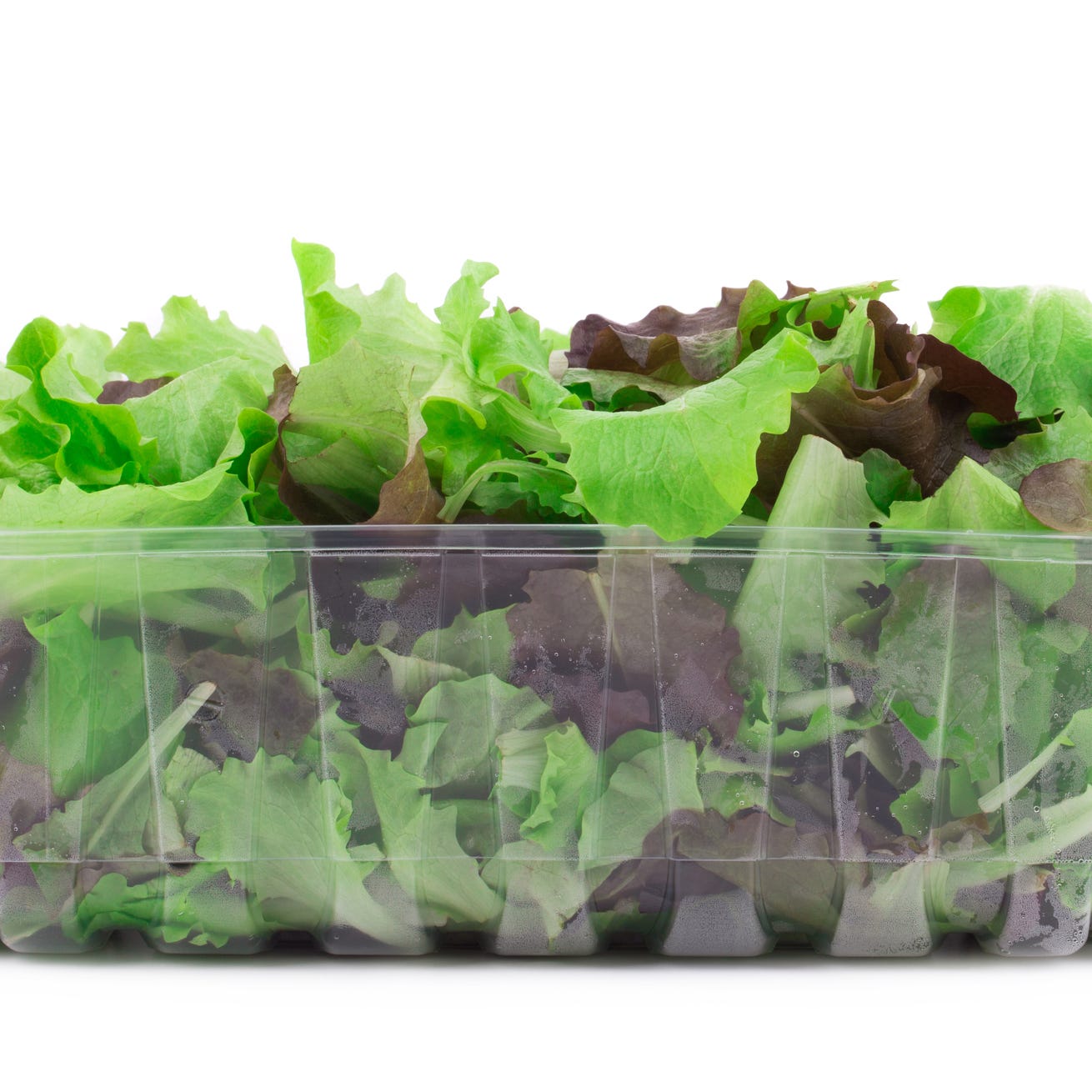 indigolotos//Getty Images
Use prepackaged lettuce within a few days of purchasing. If unopened, the quality degrades after the best-by date. Toss the whole bag if any pieces are slimy. And if you’ve always wondered if you need to wash it first, it’s fine to proceed without washing if the label says “pre-washed,” “triple-washed,” or “ready to eat.” In fact, washing it again yourself risks cross-contamination with surfaces in your kitchen, says Maples.
Advertisement – Continue Reading Below
Leftovers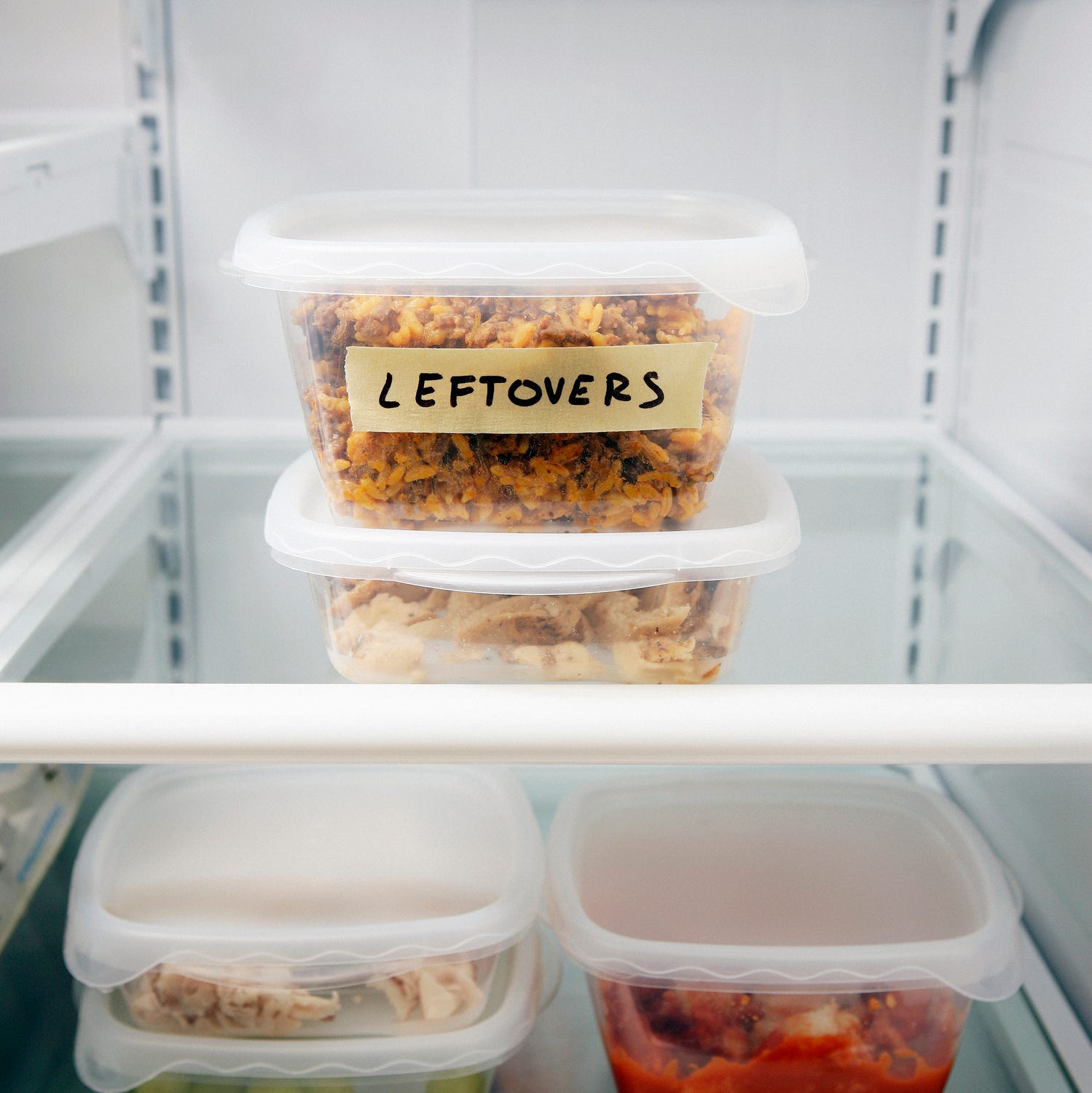 Steven Puetzer//Getty Images
These actually last for less time than you may guess. Most leftovers are okay for only three to four days in the fridge. After that, get rid of it or you risk food poisoning, says Zeratsky. Also, refrigerate or freeze food within two hours of cooking. And make sure to cut large pieces into smaller ones or divide casseroles or soups into smaller portions so they’ll cool down and reach a safe storage temperature more quickly in the fridge.
Canned Goods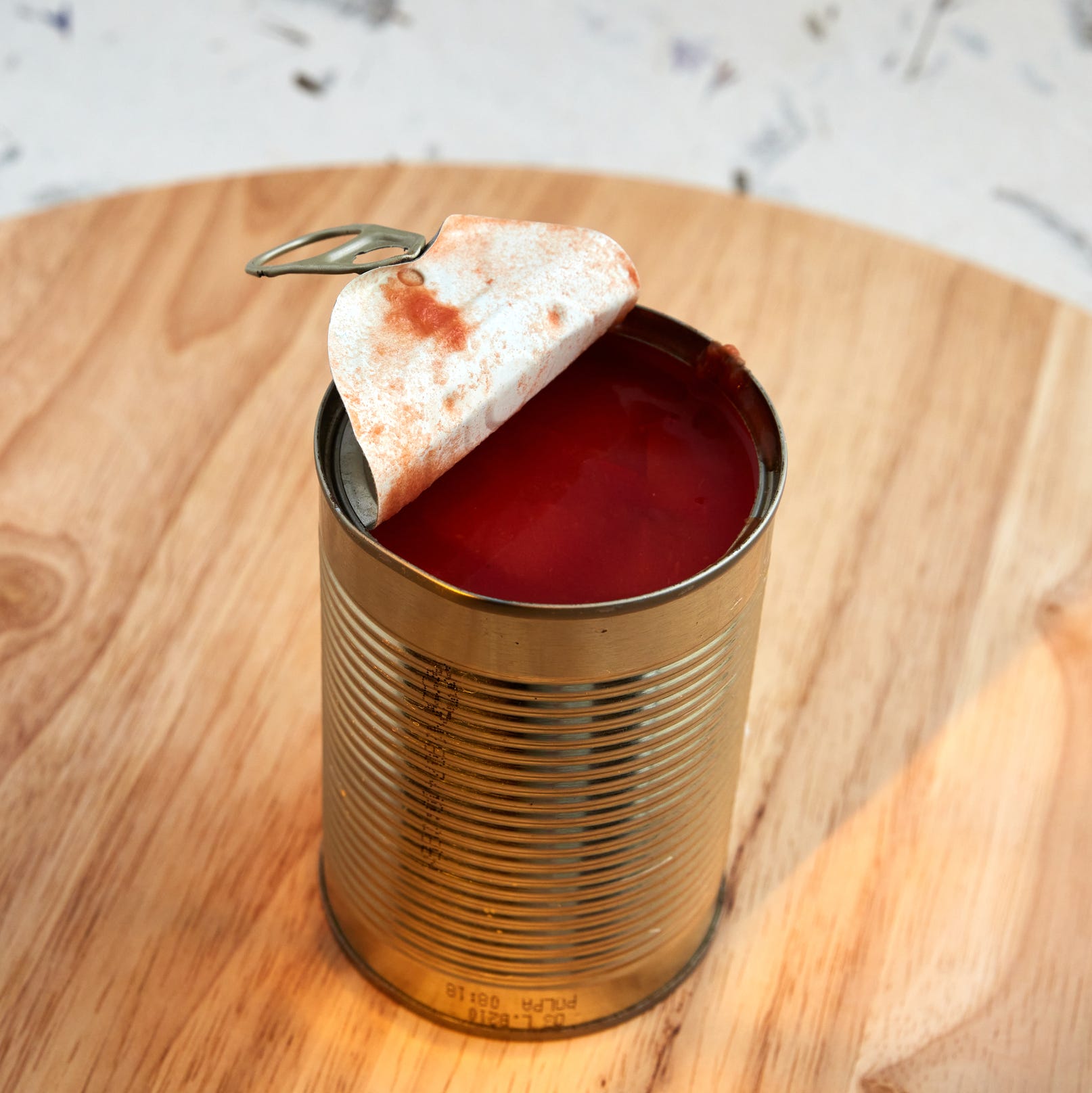 annick vanderschelden photography//Getty Images
Canned goods can be used long past the sell-by date as long as the can isn’t damaged, says Zeratsky. High-acid foods, such as tomatoes or pineapple, typically are fine a year past the best-by date if unopened. Low-acid canned goods, such as beans or corn, may last up to five years. But throw out any cans with dents, rust, or swelling.
Advertisement – Continue Reading Below
Garlic in Jars (in Oil) 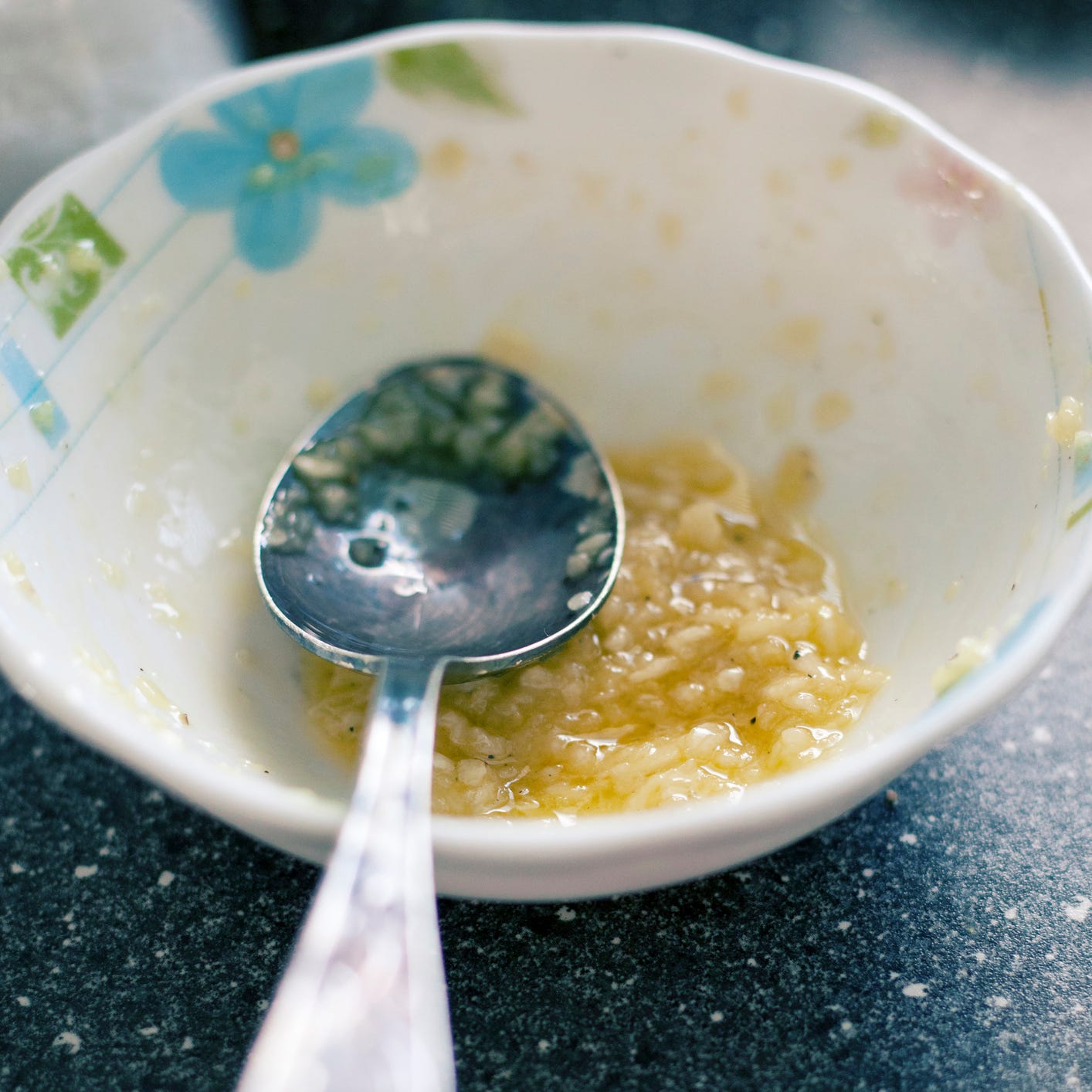 Kirill Rudenko//Getty Images
Commercially-prepared minced or chopped garlic in a jar lasts eight to 12 months in the pantry unopened or a month or more in the fridge, because it has preservatives to extend its life. But avoid making homemade garlic in a jar, which has a high risk of containing the deadly bacteria botulism due to the presence of these spores in soil, says Maples. When garlic is bottled and covered in oil, the oxygen-free environment promotes the germination of these spores.
Deli Meat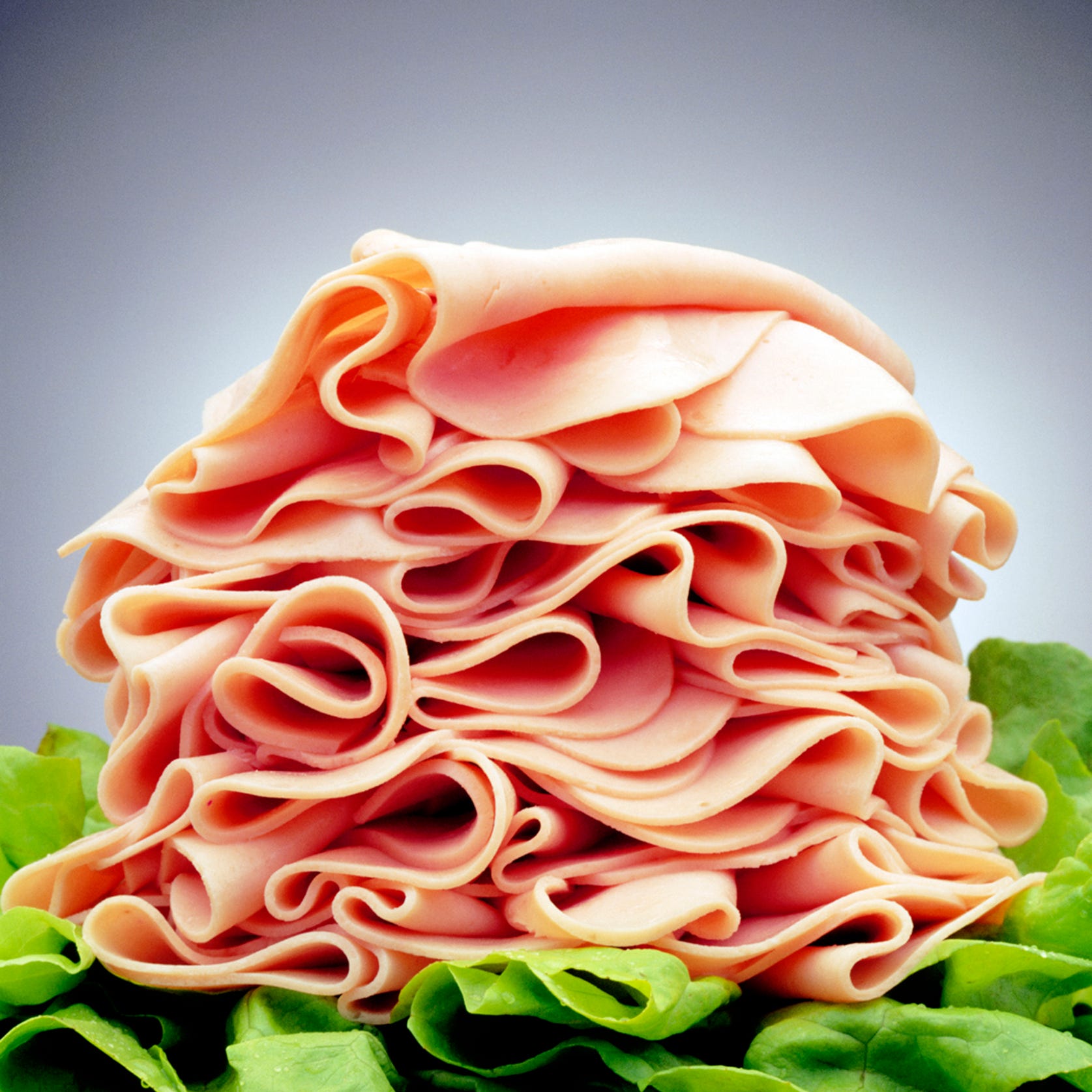 Glowimages//Getty Images
Unless you’re buying prepackaged deli meat in air-tight packaging (this doesn’t include what you buy at the deli counter), those hickory-smoked turkey slices are only going to last you about three to five days, says Londa Nwadike, Ph.D., food safety specialist for Kansas State University and the University of Missouri. Don’t wait for it to get slimy or smelly—by then it may already be too late. That’s because deli meat may carry Listeria, which grows even in cold temperatures and may cause fever, muscle aches, diarrhea, and serious complications for pregnant women.
Advertisement – Continue Reading Below
Sausage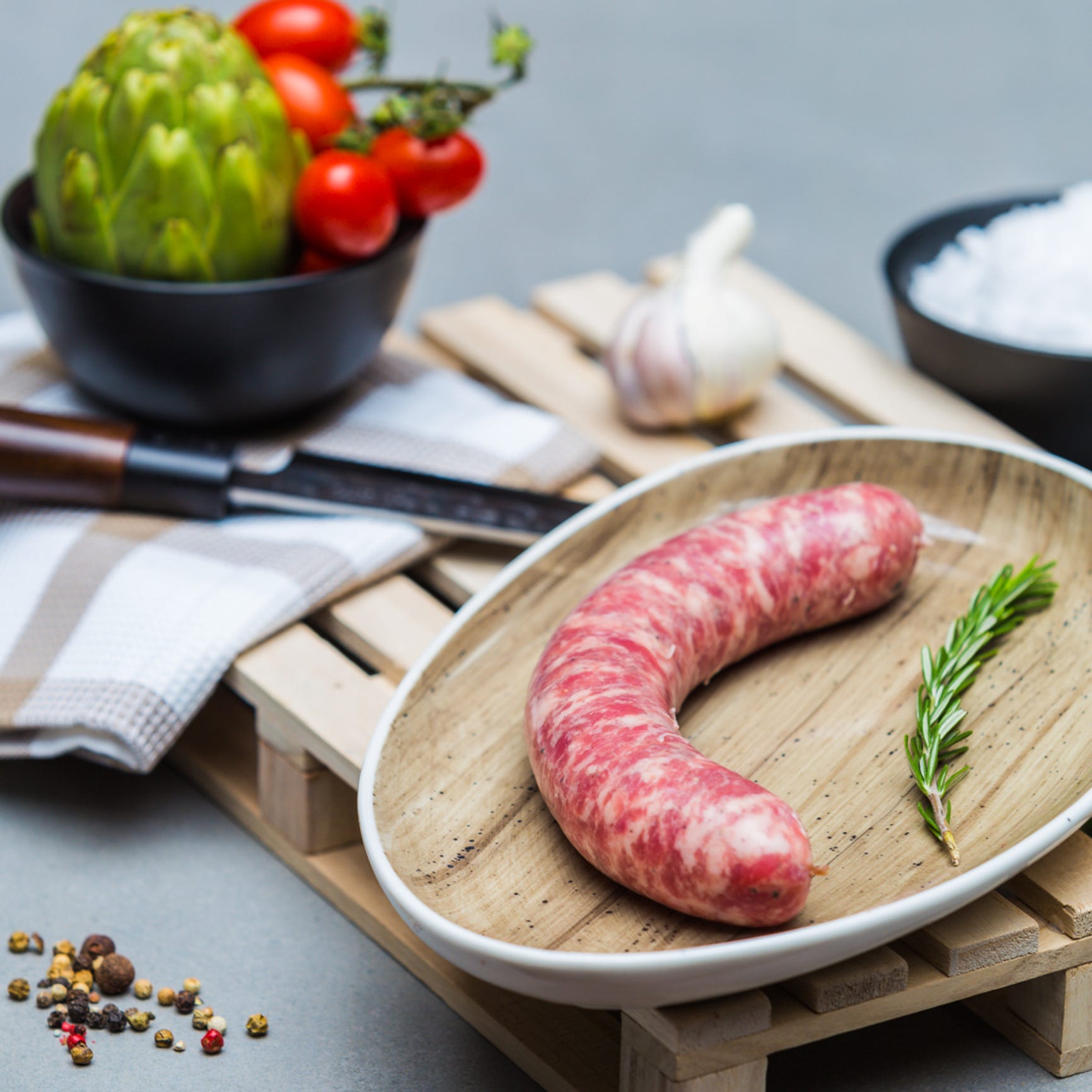 Josep Maria Romero Sanchez //Getty Images
Most types of sausage have a best-by date. Fresh sausages may be stored for one to two days in the fridge. Hard sausages may be stored for up to six months in the pantry or three weeks in the fridge after opening. Hot dogs may be stored for a week opened or two weeks unopened. With all of these meats, the foodborne illness risk is Listeria, says Maples.
Mayonnaise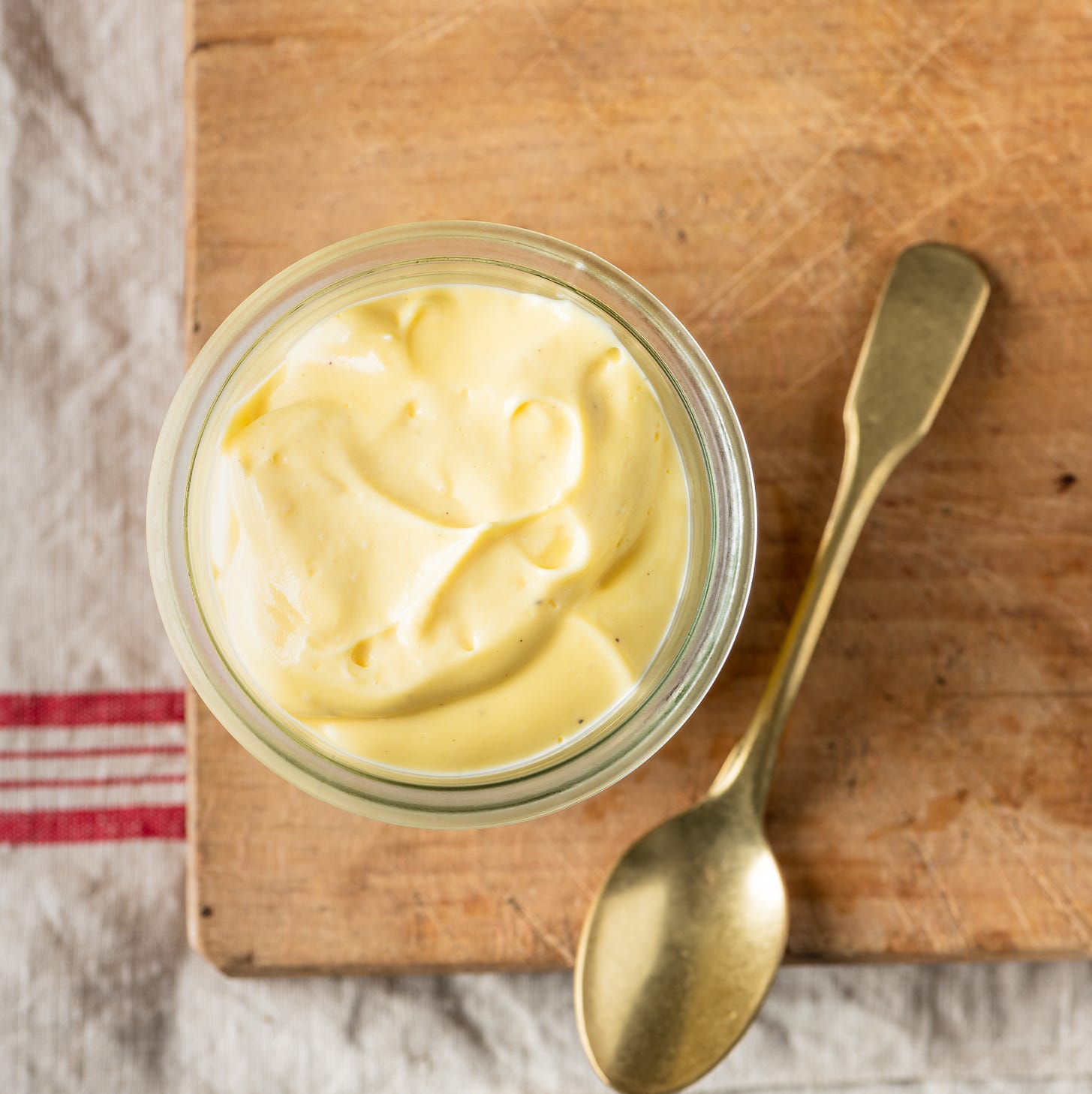 Manuela Bonci / EyeEm//Getty Images
Mayo may last up to six months in the pantry and two months once opened and stored in the fridge, says Maples. If the product quality starts to go downhill or separates, toss it. Like all condiments, spoon out what you need, then use a knife to spread it so you don’t dip it back into the container and introduce contaminants that may cause it to spoil faster.
Advertisement – Continue Reading Below
Mustard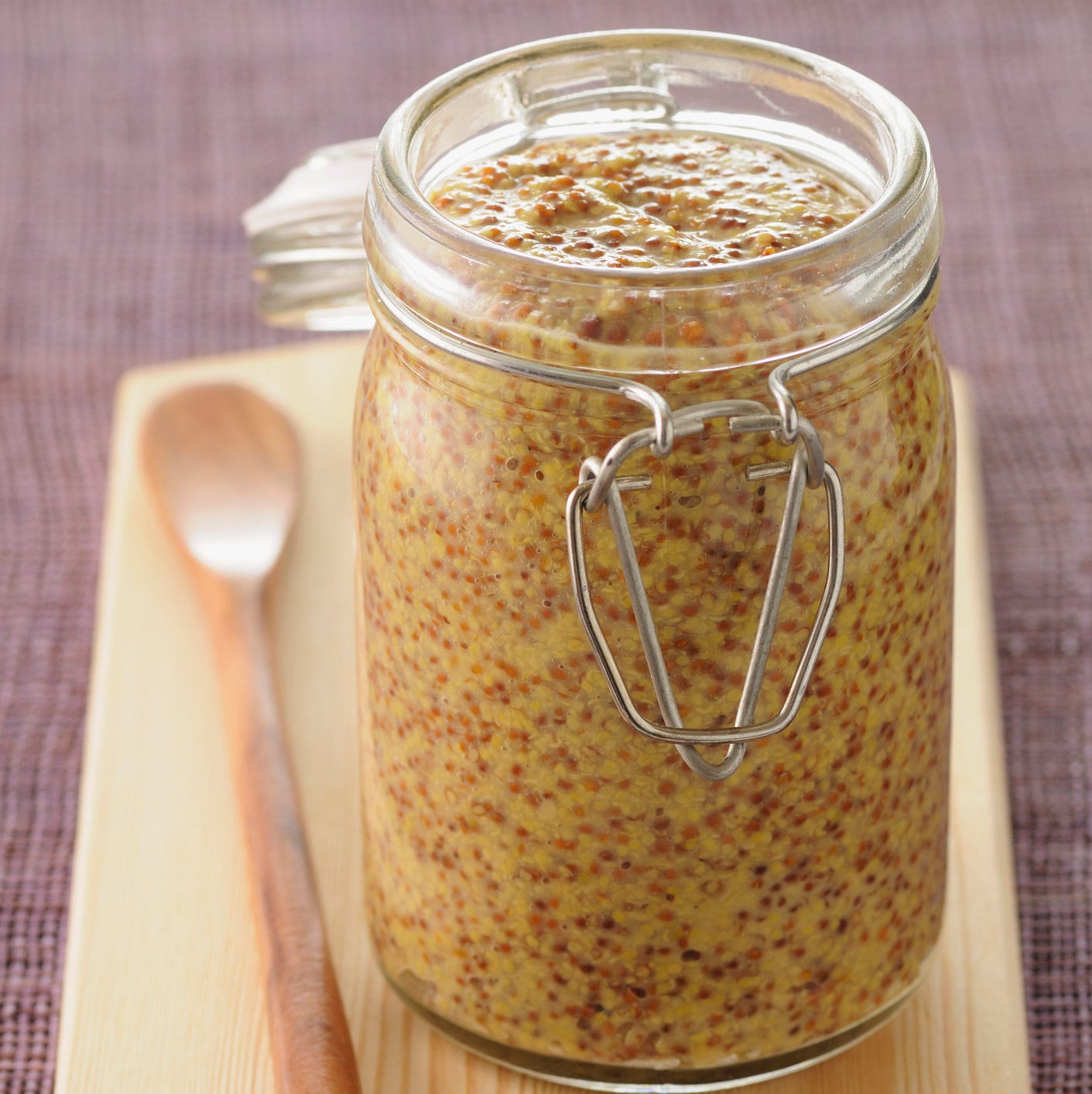 Jupiterimages//Getty Images
If you love to slather mustard on your sandwich, you’ve got a long window for keeping it. Because of its acidity, mustard lasts up to a year in the fridge after opening, says Maples. If it’s unopened but past its best-by date and starts to separate or change color, it’s probably still okay and is more of a quality issue.
Hot Sauce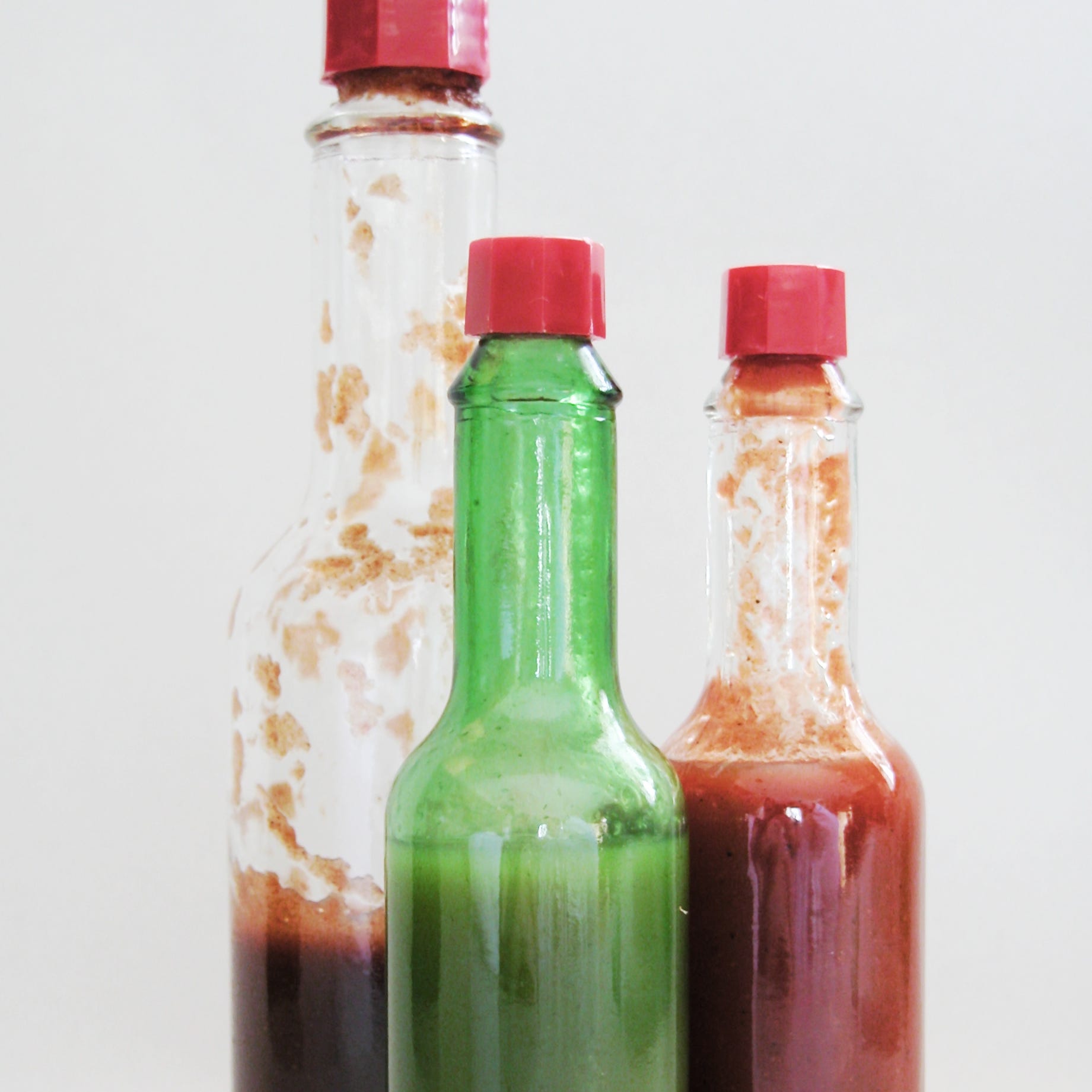 gmnicholas//Getty Images
If you love hot sauce on just about everything, you’re in luck. It has a long shelf life and should last six months in the pantry, longer if refrigerated, says Maples. The color may change over time, so discard it if it’s unappetizing.
Advertisement – Continue Reading Below
Olives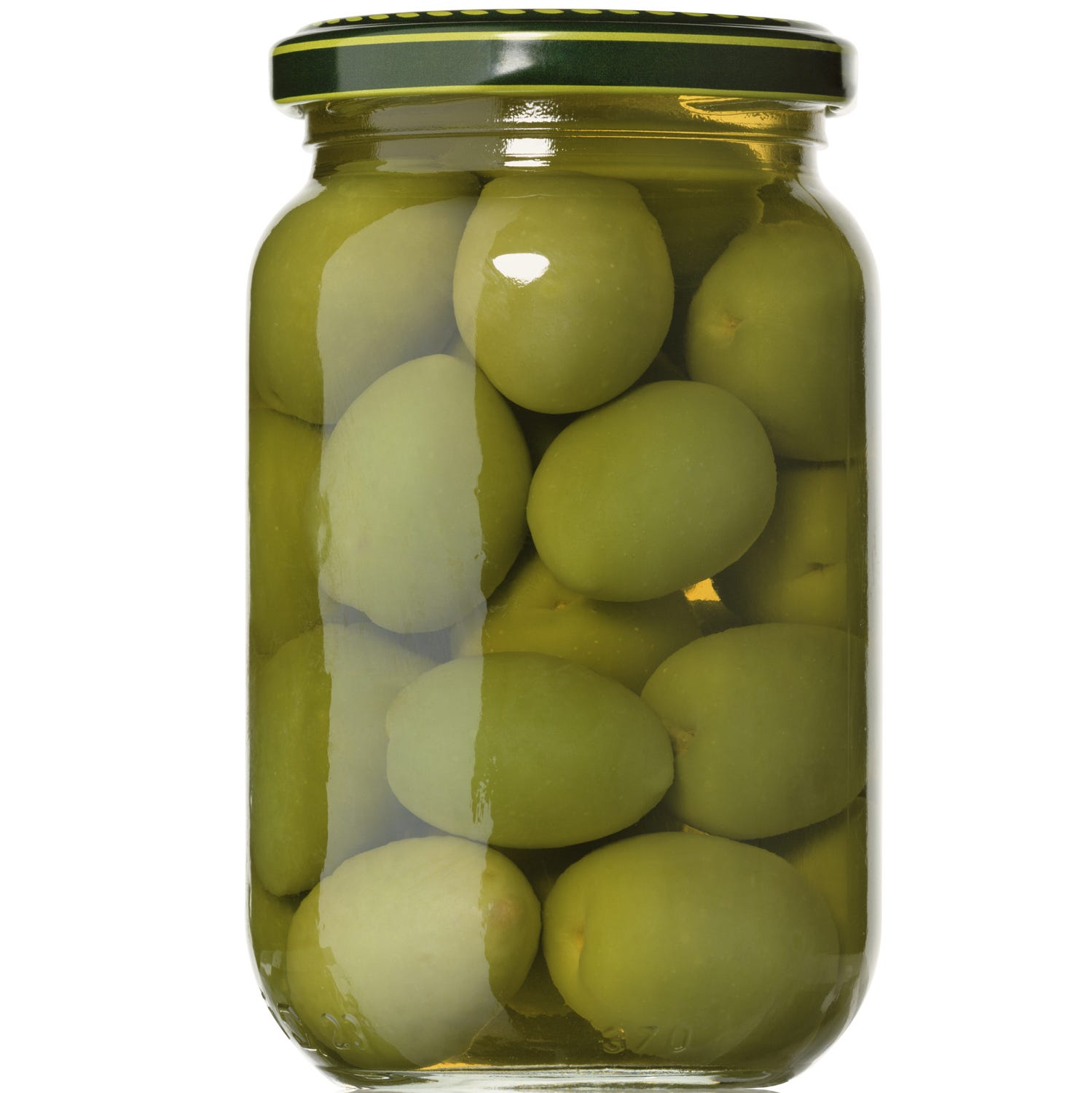 PLAINVIEW//Getty Images
They’re okay for 18 months after purchase if sealed, but only two weeks in the fridge once opened, says Maples. Buy smaller jars if you don’t seem to go through them fast enough.
Pickles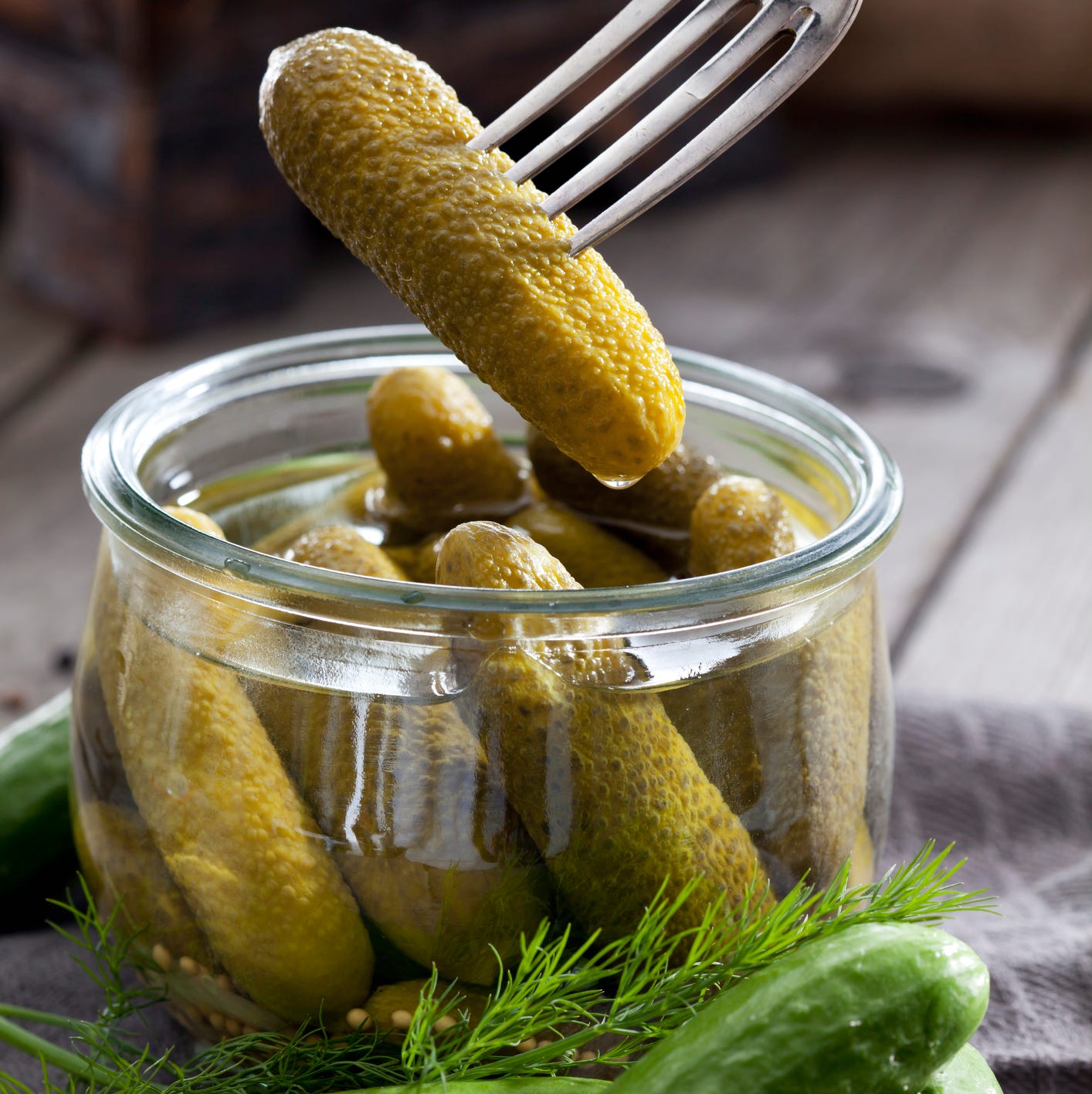 Westend61//Getty Images
Jars of pickles should last a year in the pantry or, if opened, a few months in the fridge. “These types of foods are going to be salty, and salt is an inhibitor for bacterial growth, so they’re generally fine after the sell-by date,” says Zeratsky.
Advertisement – Continue Reading Below
Readers Also Read
Advertisement – Continue Reading Below
Advertisement – Continue Reading Below