Speaking at the recent IPA World Congress + Probiota 2026 in Dublin, Dr. Clarke outlined key opportunities to strengthen the gut–brain research pipeline.
“We have been working for over 20 years on the microbiome–brain axis and during that time, we have explored the influence of gut microbes on brain function and behavior, seeking to understand the mechanisms involved,” he said.
“The next frontier lies in precision approaches for gut and brain health, leveraging mechanistic insights, translational studies and dietary strategies.”
Bridging the gap between preclinical and human research
A major opportunity lies in closing the gap between positive preclinical findings and inconsistent human outcomes, Dr. Clarke explained.
“Some psychobiotic strains translate very well from preclinical models to humans, and others do not translate at all,” he said. “This tells us that psychobiotic effects are highly strain-specific, and that we need better translational pipelines before moving into human trials.”
He noted that in order to enable the selection of strain-specific, indication-specific psychobiotics, and therefore reduce costly trial failures, it is necessary to develop better preclinical screening pipelines.
“No single model system is going to give us all of the answers,” Dr. Clarke said, adding that combining traditional animal studies with simpler model organisms could improve mechanistic screening and help predict which psychobiotics are most likely to translate to humans.
Causality vs correlation
Another key to furthering the research will be to establish causality, not just association, Dr. Clarke noted.
Most studies linking the gut microbiome to mental health are observational, comparing people with specific conditions to healthy individuals and finding differences in gut bacteria. But, as Dr. Clarke explained, these studies are only ‘snapshots’, showing association rather than cause.
“Cross-sectional microbiome studies give us snapshots in time, but they don’t tell us whether the microbiome changes are driving symptoms,” he said.
However, reverse-translation approaches, particularly fecal microbiota transfer experiments, are showing promise in moving the field from association toward causality, he noted.
“When disease-associated microbiota are transferred into recipient animals, we can recapitulate behavioral features relevant to psychiatric disorders,” he said.
Dr. Clarke did, however, note that this does not mean mental illness is “caused by gut bacteria alone” but that the microbiome appears to be one piece of a much larger puzzle, and proving which microbes play an active role could help researchers design more targeted, evidence-based microbiome therapies for mental health.
Mechanistic actions of the gut–brain axis
Dr. Clarke also added that examining the mechanisms by which gut microbes influence brain function could open the door to more precisely targeted psychobiotic therapies.
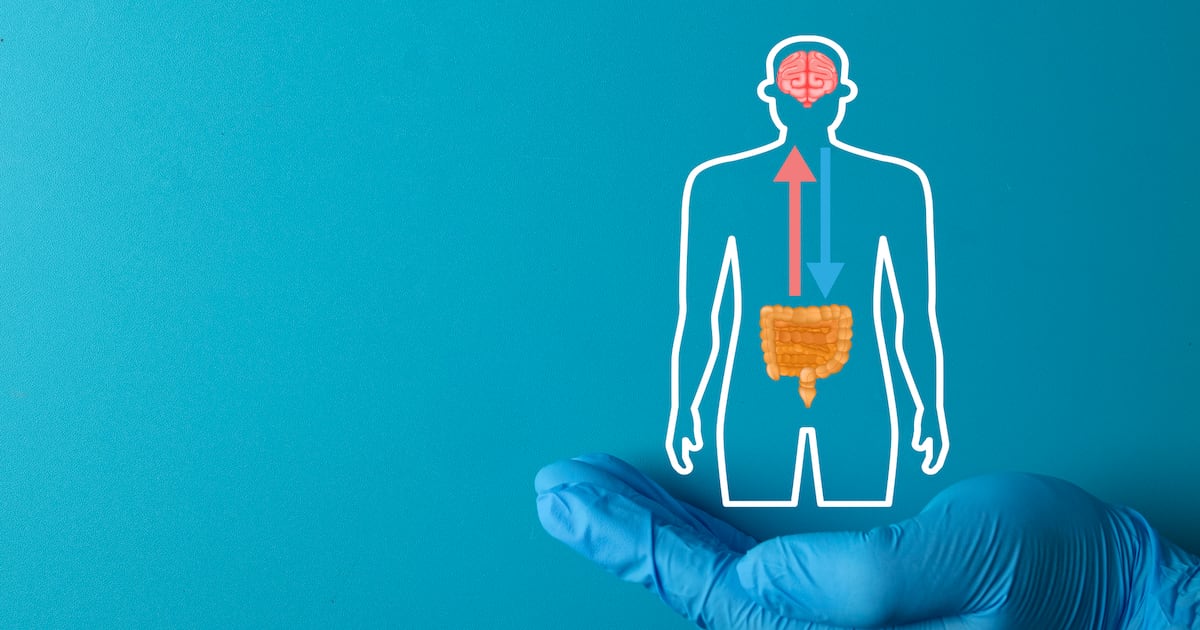
This includes examining signaling through neural circuits such as the vagus nerve, immune and stress-response pathways like the hypothalamic–pituitary–adrenal (HPA) axis, and key metabolic routes where microbial metabolites interact with host receptors.
“We need to move toward a fine-grained mechanistic understanding of signaling within the gut–brain axis,” he said.
Dr. Clarke added that integrating animal and human studies with simpler model organisms, computational tools and targeted metabolomics will be essential for pinpointing the exact gut–brain mechanisms needed to develop psychobiotics that can be matched to specific biological profiles.
His hope is that psychobiotics will be matched to biological subtypes—such as individuals with low-grade inflammation, those with stress-sensitive HPA axis dysregulation or patients with circadian or sleep disruption—to target specific pathways rather than attempting to broadly “fix” the microbiome.
Identifying optimal timing
Dr. Clarke stressed that as microbiome–brain interactions vary across the lifespan, there are “critical windows” when the brain–gut system is especially responsive.
For instance, adolescence offers a ‘major opportunity’ to influence brain development and potentially prevent or reduce the severity of mental health issues, as it is when many psychiatric disorders first emerge.
Furthermore, midlife interventions targeting the microbiome might help preserve cognitive function or slow age-related decline, as early cognitive decline often begins during this window.
Additionally, periods of circadian disruption could benefit from psychobiotics as stress, and irregular sleep and wake cycles can disrupt the gut–brain axis. He noted that using psychobiotics during these times may buffer stress responses, improve resilience or stabilize mood.
Seeing clinical impact
Currently, most human studies administer psychobiotics alongside conventional treatments for mental health support, Dr. Clarke noted, meaning that all research explores whether they can enhance or support existing treatments rather than replace them.
While that means that the field is early-stage and focused on supportive rather than primary interventions, it does mean that it aligns with real-world psychiatric practice and lowers the barrier to clinical adoption, Clarke explained.
“Most clinical studies administer psychobiotics as adjuncts to conventional antidepressants rather than as standalone treatments,” he said. “That is likely where we will see the first real clinical impact.”