2. Magnesium
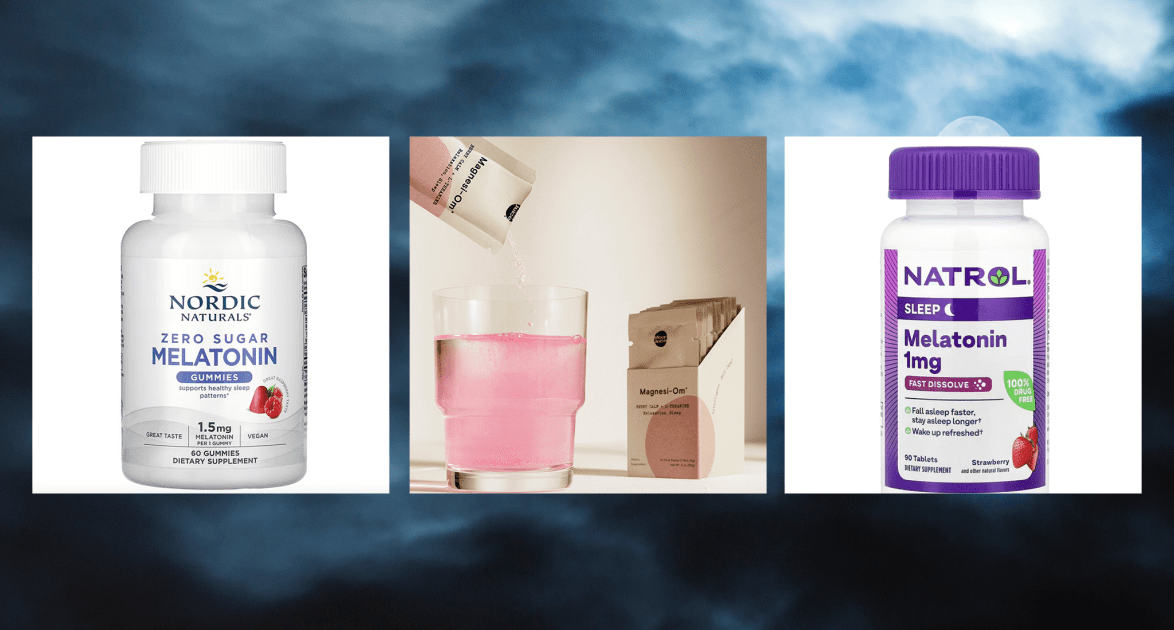
Magnesium is likely one of the more widely utilized dietary supplements for sleep promotion, according to Matin. “With regards to sleep, magnesium has a number of essential functions that include regulation of gamma-aminobutyric acid (GABA), which can have calming effects on the nervous system; increases in melatonin production; muscle relaxation; regulation of stress responses; regulation of calcium levels which promote muscle contraction and relaxation and anti-anxiety effects. Furthermore, low magnesium status has been associated with chronic inflammatory stress in both animal and human research studies,” he says. Even though we get magnesium from foods like nuts and seeds, legumes and beans, whole grains, green leafy vegetables and salmon, let’s be real—who among us really can be sure they’re maintaining a nutrient-rich diet? So, you might benefit from magnesium supplements.
“Despite its popularity, there seem to be few clinical benefits to magnesium supplementation among individuals with adequate serum magnesium,” Matin says. But I can personally attest to the sedative effects of magnesium citrate, magnesium glycinate, or magnesium bisglycinate in an evening wind-down herbal tea. “Common sleep‑study doses are around 250 mg elemental magnesium in the evening (often as citrate, glycinate or bisglycinate),” Dimitriu says. “The main side effects are diarrhea or cramping, and it should be used cautiously in significant kidney disease. Magnesium threonate may be particularly better in getting to the brain, and may also contribute to neuroplasticity and neurogenesis, the growth of new neurons.”