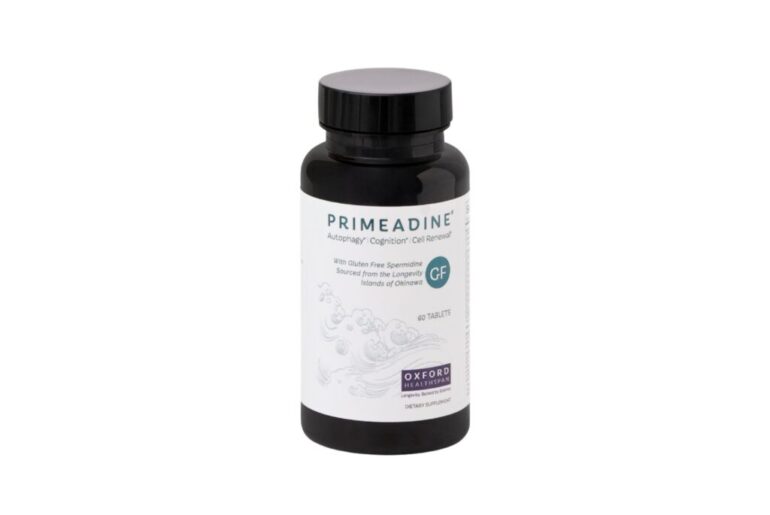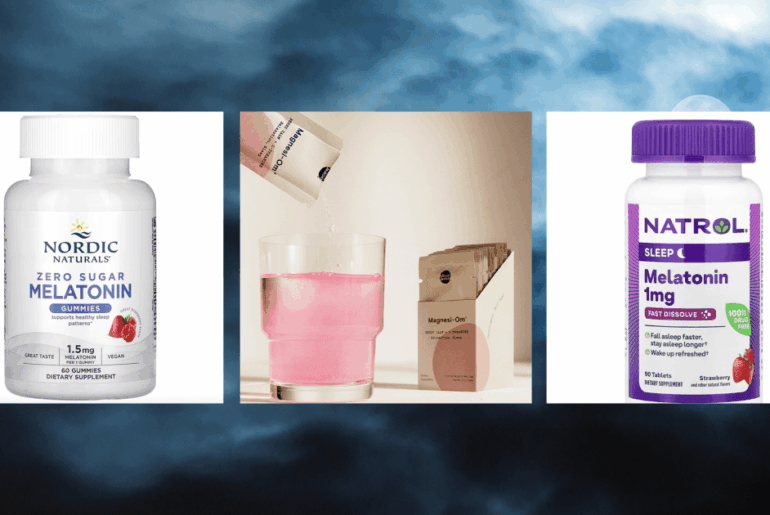
The popularity of brain supplements is gripping people over the age of 50. Mainly due to the natural decline in how the brain processes information after it passes a certain age, as the neural pathways become weaker. But a new survey is signalling a rising trend of lack of evidence behind these ‘so-called’ brain supplements and their claims. According to the survey published in the American Association of Retired Persons (AARP) research that has been reviewed by Harvard found that 1 in 4 adults over 50 use brain supplements to boost their memory. The main reasons why people are leaning towards popping over-the-counter brain supplements is their promise to enhance memory retention, sharpen the attention span, and improve focus. But what does close inspection of these over promising brain supplements reveal about their safety and effectiveness.
What The Research Says About Brain Supplements
People want their brains to function at the optimum capacity even as they age, hence the popularity of brain supplements. The survey highlights a disturbing trend wherein the supplements are marketed as effective remedies with little to no oversight. The Federal Drug Administration does have a regulatory framework in place, but it lacks oversight when it comes to product testing or ingredient accuracy. Along with this important lapse in framework, the recent announcement in December of 2025 suggests that there may be further relaxation on how disclaimers may appear on supplements.
For instance, the most popular supplements on the market, like Omega-3, Ginkgo biloba, and vitamin E, have weak or no evidence when it comes to boosting memory. But they are still sold widely under the pre-text of boosting memory.
Instead of relying on these supplements, Harvard recommended a 5-step formula that can be implemented for sharper memory, which is rooted in concrete science.
Also Read: Omega-3 Vs Omega-6: What’s The Difference Between The Fatty Acids?
Harvard’s 5-Step Formula For Sharper Memory
According to the extensive research performed by scientists, certain sure-shot steps can definitely make your memory sharper. As brain supplements lack peer-reviewed evidence and their regulation remains flimsy, here are the steps that can help you make your memory sharper:
1. Regular Aerobic Exercise
When it comes to aerobic exercises, this type of physical activity refers to when the body’s large muscle groups are used along with an increase in your breathing and heart rate. And performing these exercises regularly can boost blood flow to the brain, leading to a significant improvement in how your brain stores and processes information. This direct correlation has been proven in the Chinese research paper published in PLOS One.
2. Plant-Based Diets
Diet plays a pivotal role in your brain health, and by following a predominantly plant-based diet with rich nutrient density, you can certainly help. When there is synergy between the complete nutritional intake throughout the day consistently for a long-term duration, instead of becoming dependent on isolated pills, it can serve your brain in a better manner. Here is what the studies say about different types of diets and their impact on memory:
According to GeroScience (2025), following a Mediterranean diet can lower the age-related risk of dementia and age-related cognitive decline.A special kind of diet known as Dietary Approaches to Stop Hypertension, or DASH for short, can lead to slower rates of cognitive decline. According to the Neurology journal, following a DASH diet when recommended has shown promise in how your brain processes information.3. Mental Stimulation
Mental stimulation involves puzzles, learning new skills, or reading to keep the neural pathways in the brain fresh and healthy. According to the Journal of Neurophysiology, cognitive stimulation and brain activity exercises strengthen working memory networks. So, it is important to implement day-to-day brain-healthy habits to make it better for your brain function and improve its overall longevity.
4. Quality Sleep
The quality of your daily sleep impacts how well your brain processes and retains information. During the sleep cycle, the brain undergoes a toxic waste-clearing phase, which is necessary to make way for new information and properly store memory. If you are looking for effective ways to make your memory sharper, then you need to work on enhancing the quality of your sleep for memory consolidation, as mentioned in the Journal of Neurophysiology.
5. Social Engagement
Humans are social beings and require constant engagement to reduce their risk of cognitive decline. Especially as they get older and more isolated, the importance of community can stand in the way of their brain health. According to the Journal of Ageing and Health and Frontiers in Psychology, social engagement acts as a protective factor against age-related memory impairment.
Brain supplements
Photo Credit: Freepik
Risks Of Relying On Brain Supplements
There are flagged risks for relying on brain supplements that don’t help your brain in any way whatsoever. Here are the risks that you can be exposed to if you keep relying solely on brain supplements to make your memory sharper:
False sense of security, as the evidence is limited, along with the regulatory framework.Potential side effects exist for each supplement, which need to be considered seriously alongside potential contamination risks.The constant need to depend on brain supplements can become a financial burden without proven benefit.
The research proves that sharper memory comes from lifestyle, not dependence on pills. And following the 5-step formula rooted in science can help you make your memory sharper, especially as you age.
Disclaimer: This content, including advice, provides generic information only. It is in no way a substitute for a qualified medical opinion. Always consult a specialist or your own doctor for more information. NDTV does not claim responsibility for this information.