Add DMNews to your Google News feed. 
Tension: Millions of men take daily vitamin E supplements to protect their brains from aging, but a large-scale study following over 29,000 men for two decades found those supplements may actually shorten lifespan.
Noise: The supplement industry rides cultural optimization trends and outdated 1990s research, while the psychological comfort of a daily pill routine makes men resistant to updated evidence — turning self-improvement into a substitute for actual medical care.
Direct Message: The feeling of control that comes from a daily supplement ritual and the reality of protection are sometimes two entirely different things, and the body operates on the logic of ‘enough is enough,’ not ‘more is better.’
To learn more about our editorial approach, explore The Direct Message methodology.
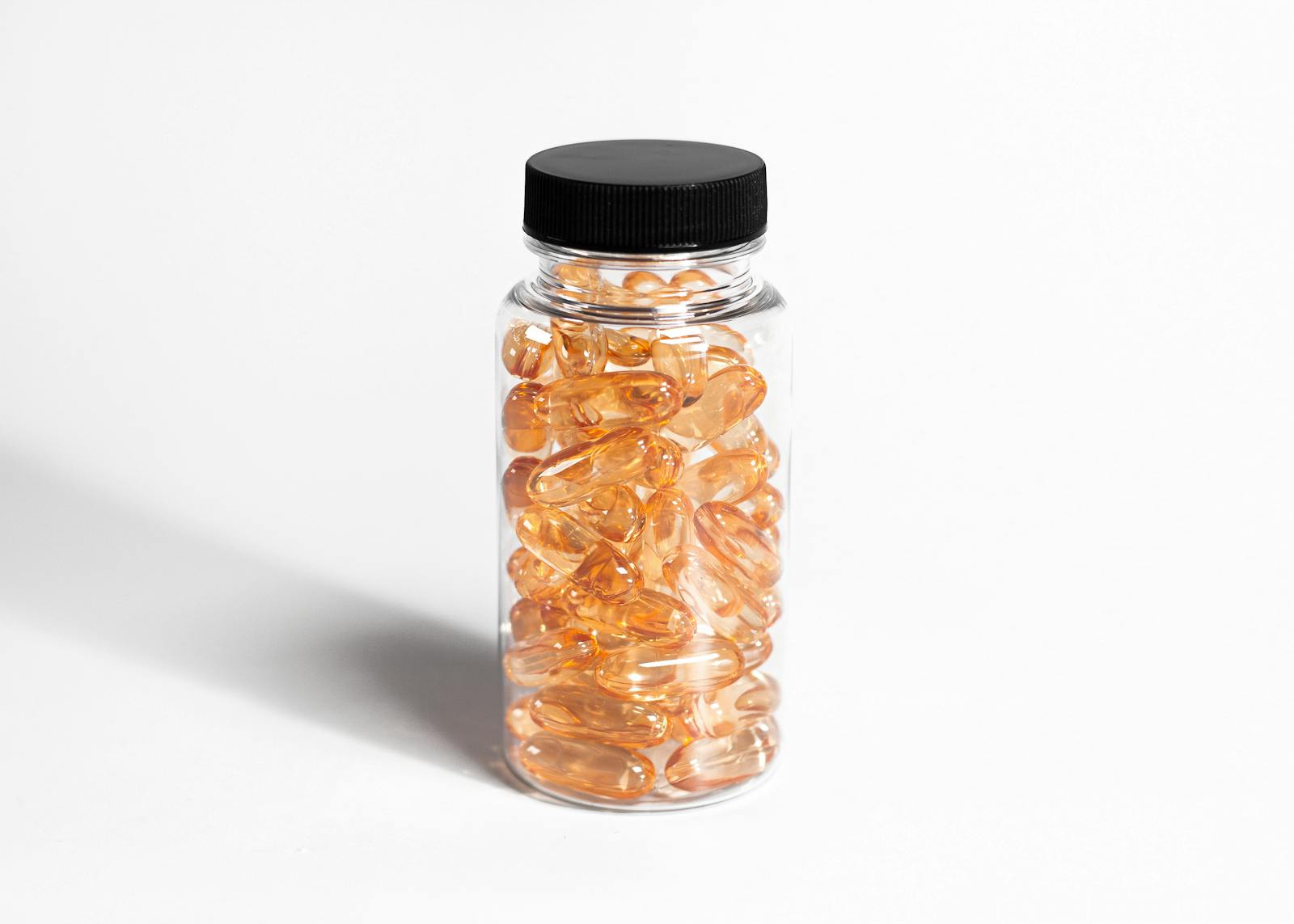
Derek Hahn, 44, keeps a row of amber bottles on his kitchen counter in Scottsdale, Arizona, lined up like sentries between the coffee maker and a bowl of lemons his wife puts out for guests. Every morning at 6:15, before his first meeting as a logistics consultant, he twists open the caps in sequence. Fish oil. Vitamin D3. Magnesium. And the one he considers most important: a high-dose alpha-tocopherol vitamin E capsule, 400 IU, the soft golden pill he started taking eight years ago after reading that it could protect his brain from cognitive decline.
“I figured it was insurance,” Derek told me over the phone, his voice carrying the easy confidence of someone who researches every purchase on Amazon. “My dad got early-onset dementia at 67. I wasn’t going to just sit around and wait.”
Millions of men share Derek’s logic. Vitamin E supplements, particularly the alpha-tocopherol form, have been marketed for decades as neuroprotective powerhouses, antioxidant shields that scavenge free radicals and slow the oxidative damage associated with aging. The global vitamin E supplement market surpassed $2.4 billion in 2023. Walk into any pharmacy and you’ll find it displayed at eye level, often with packaging that features stock images of sharp-eyed seniors playing chess or hiking mountain trails.
But a large-scale study published in the American Journal of Clinical Nutrition now complicates that story considerably. Researchers analyzing data from the Alpha-Tocopherol, Beta-Carotene Cancer Prevention (ATBC) Study, which followed over 29,000 Finnish men for more than two decades, found that men who supplemented with alpha-tocopherol did not live longer. They lived shorter lives on average, with a statistically significant increase in all-cause mortality among certain subgroups, particularly heavy smokers. The effect wasn’t dramatic in isolation. But across a population of millions of daily users, the signal was impossible to ignore.
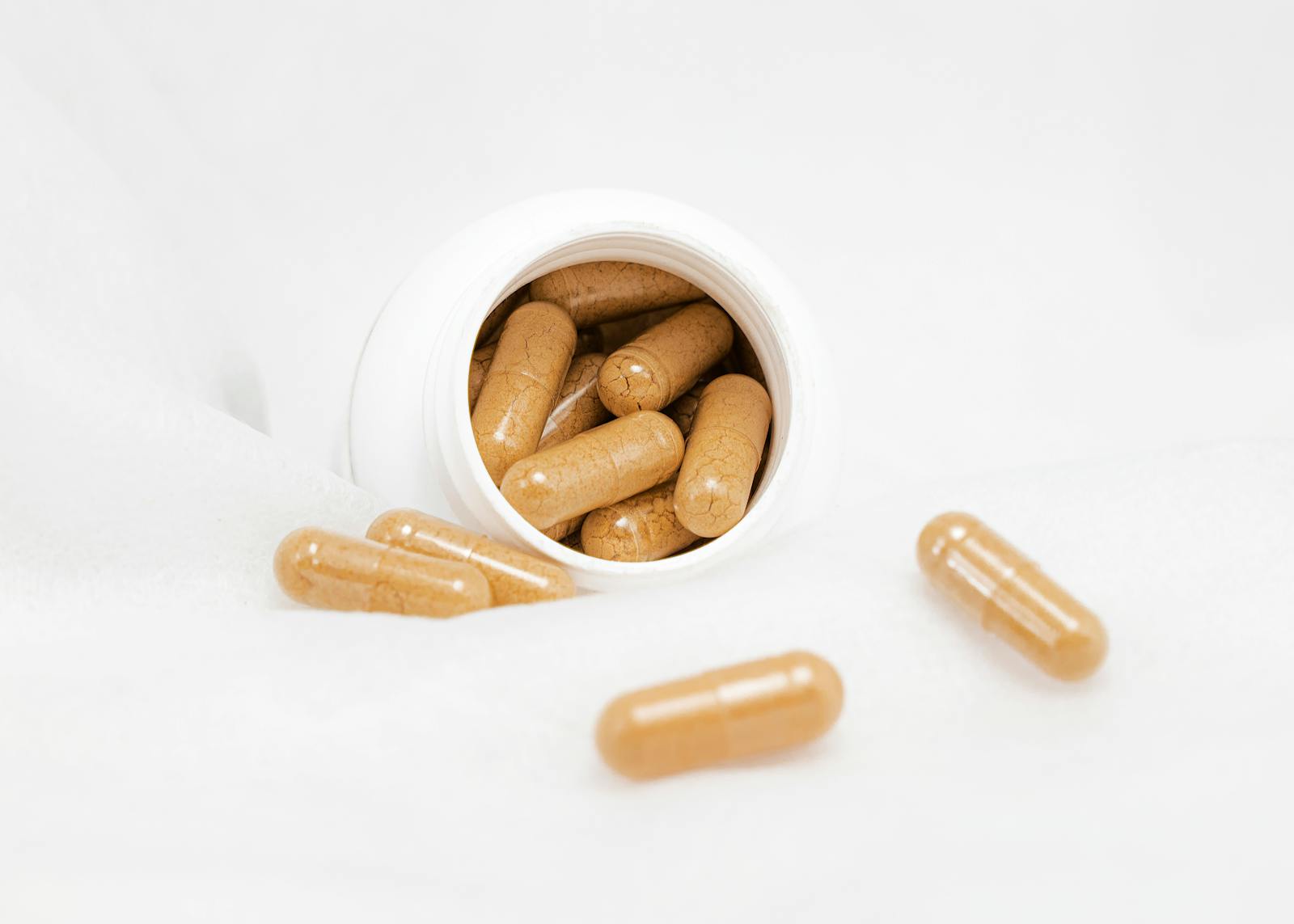 Photo by Supplements On Demand on Pexels
The finding lands in an uncomfortable place, because it challenges something deeper than a single product recommendation. It challenges the entire architecture of how men, specifically, approach their own health.
Naomi Sato, a 38-year-old nutritional epidemiologist at the University of Washington, has spent six years studying gendered patterns in supplement use. She describes a phenomenon she calls “proxy health behavior,” where people substitute the act of taking a supplement for the harder, slower work of addressing the actual risk. “Men are significantly more likely than women to use supplements as a primary prevention strategy while simultaneously skipping routine medical exams,” she told me. “The pill becomes the plan.”
That pattern showed up vividly in a recent piece exploring one man’s fifteen-year supplement regimen that his neurologist ultimately flagged as counterproductive. The story resonated widely because it named something a lot of people recognized: the quiet confidence of a morning routine that feels like control.
The vitamin E research is particularly jarring because the supplement’s reputation was built on promising early data. Observational studies in the 1990s showed correlations between high dietary vitamin E intake and lower rates of heart disease and cognitive decline. The leap from “people who eat foods rich in vitamin E tend to be healthier” to “taking concentrated vitamin E pills will make you healthier” seemed logical. It was also, as the ATBC data suggests, potentially wrong.
Raj Mehta, 51, a cardiologist in Chicago, sees this confusion regularly in his practice. “Patients come in taking 400 to 800 IU of vitamin E daily, and when I ask why, they cite articles from 2003,” he says. “The science moved. The marketing didn’t.” Raj points to a 2005 meta-analysis published in the Annals of Internal Medicine that found high-dose vitamin E supplementation (400 IU or more) was associated with a small but significant increase in all-cause mortality. Nearly twenty years later, the supplements remain bestsellers.
Part of what sustains the market is the broader cultural narrative around cognitive optimization. As we explored in a piece on the protein researchers found that appears to keep certain brains from aging, the desire to stay mentally sharp is one of the deepest anxieties of middle age. It’s the fear beneath the fear. Not dying, exactly, but disappearing while still alive, losing the thing that makes you you. That anxiety makes people vulnerable to solutions that feel proactive, even when the evidence is thin or actively contradictory.
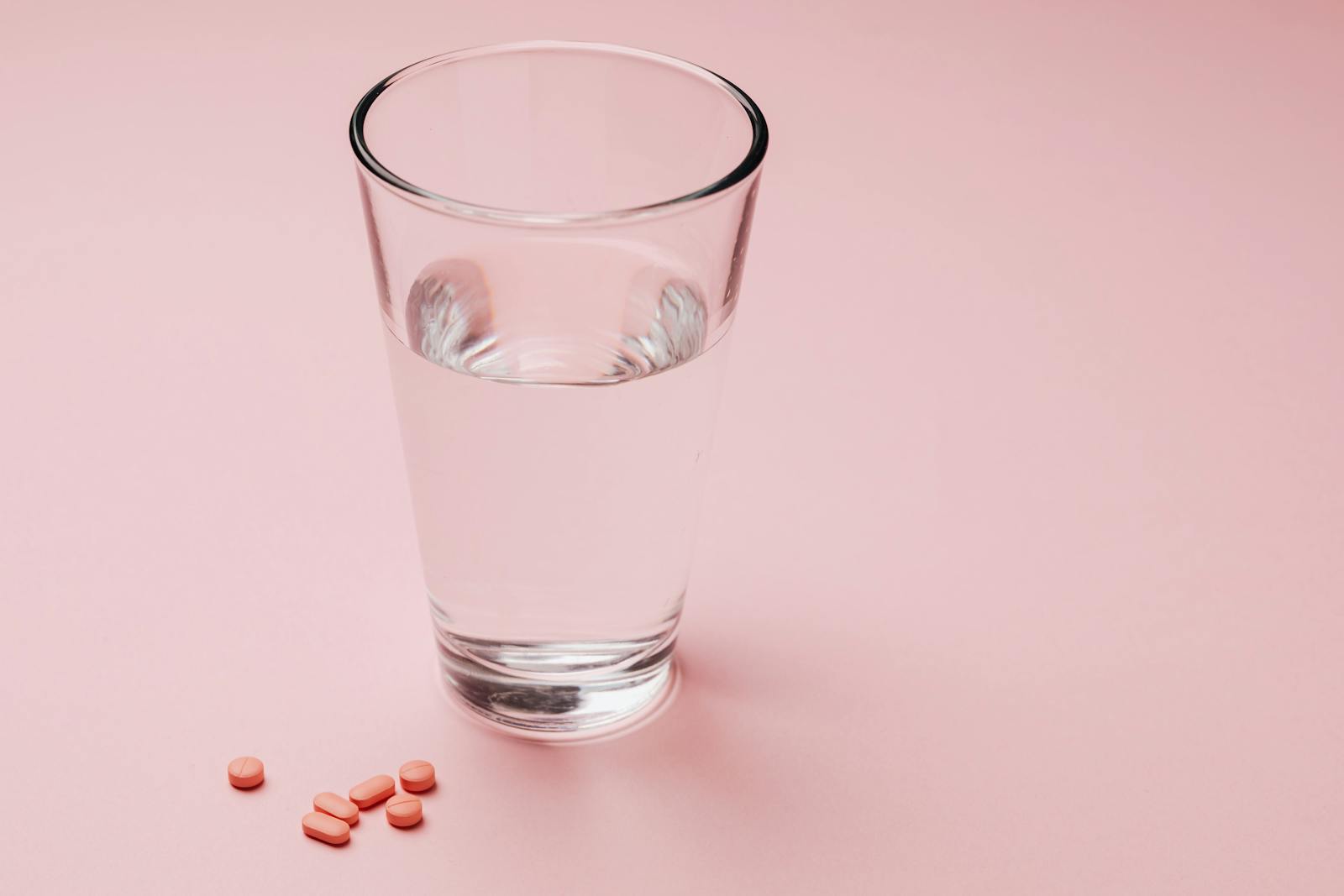 Photo by www.kaboompics.com on Pexels
Caroline Yeh, 46, a behavioral psychologist in Portland, Oregon, has studied what she calls the “optimization trap” in male health culture. She notes that the wellness industry, and particularly the nootropics and brain health sector, often frames supplementation as a performance decision rather than a medical one. “The language is all about edge, advantage, sharpness,” she says. “That framing removes it from the domain of healthcare, where you’d consult a doctor, and puts it in the domain of self-improvement, where you consult Reddit threads and podcasts.”
The cultural moment amplifies this. Korean wellness trends and celebrity biohacking routines dominate social media right now, from K-pop idols’ skin supplement stacks to Hollywood actors crediting their “brain protocols” in interviews. The aesthetic of optimization is everywhere. And the supplement industry is extraordinarily skilled at riding those waves, repackaging old ingredients under new labels and attaching them to aspirational identities.
Derek, the logistics consultant in Scottsdale, heard about the ATBC findings from his brother-in-law over Thanksgiving. He Googled it that night, read two articles, and then did something that surprised him: nothing. He kept taking the vitamin E the next morning. “I figured one study doesn’t overturn everything,” he said. That reaction, Naomi Sato told me, is one of the most predictable responses in health communication research. “When a supplement has become part of someone’s identity, part of their daily sense of agency, the evidence has to be overwhelming before behavior changes. And even then, it often doesn’t.”
This is where the story gets quieter and more honest. The issue with high-dose vitamin E, or any isolated antioxidant supplement taken in pharmacological doses, may come down to something counterintuitive. Oxidative stress, the very thing antioxidants are supposed to fight, plays essential roles in cellular signaling, immune function, and apoptosis (the process by which the body eliminates damaged cells before they become dangerous). Flooding the system with concentrated alpha-tocopherol may interfere with those processes. As researchers continue exploring the environmental factors accelerating biological aging in men, the picture that keeps emerging is one of delicate balance, not aggressive intervention.
Raj, the Chicago cardiologist, puts it simply: “The body doesn’t operate on the logic of ‘more is better.’ It operates on the logic of ‘enough is enough.’” He now tells male patients over 40 to get their vitamin E from almonds, sunflower seeds, spinach, and avocados. Dietary vitamin E, consumed in food alongside the full spectrum of tocopherols and tocotrienols, hasn’t shown the same mortality signal. The dose is smaller. The delivery is slower. The context is richer.
There’s a certain kind of man, and he is almost always a man, who builds a fortress of daily rituals against the thing he fears most. The supplements. The tracking apps. The cold plunges and the fasting windows. Each one a brick in the wall. And the hardest thing to hear, harder than any study finding, is that some of those bricks might be making the wall weaker. That the feeling of control and the reality of protection are sometimes two entirely different things.
As psychologists have noted in examining why the people who age fastest are often the ones who never learned to rest, the relentless pursuit of optimization can itself become a stressor, a performance that mimics health without producing it.
Derek told me he’s thinking about stopping the vitamin E. Not because of the study alone, but because his wife asked him a question he couldn’t answer: “If you found out tomorrow that none of those pills did anything, would you feel like you’d wasted eight years, or would you feel free?”
He’s still thinking about it.
Feature image by Supplements On Demand on Pexels