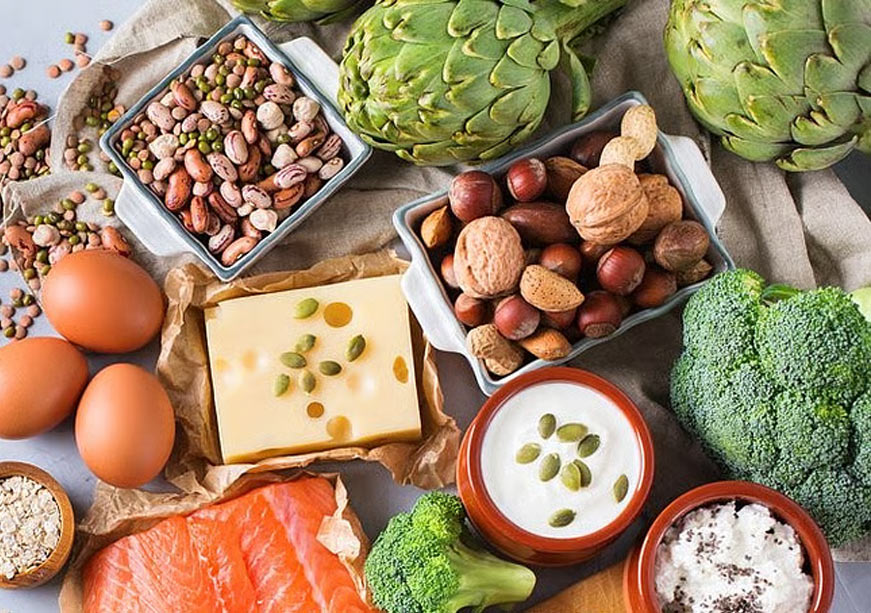
Adequate protein intake, which is central to growth, immune resilience, cognitive development, and metabolic health, remains insufficient across large segments of India’s population. As India observes National Protein Day on February 27, the national conversation must shift from general awareness to data-backed, structural reform. The country continues to face a dual burden of malnutrition: persistent child undernutrition alongside rising adult overweight and obesity. According to the National Family Health Survey (NFHS-5, 2019–21), 35.5 percent of children under five are stunted and 32.1 percent are underweight—outcomes closely linked with chronic protein-energy malnutrition and poor diet quality.
Evidence from the Comprehensive National Nutrition Survey (CNNS 2016–18), released by the Ministry of Health and Family Welfare, highlights gaps in dietary diversity and nutrient intake among children and adolescents. Meanwhile, the National Institute of Nutrition updated its recommendations in the Dietary Guidelines and Recommended Dietary Allowances 2024, maintaining adult protein requirements at approximately 0.8–1.0 grams per kilogram of body weight per day, while emphasising improved protein quality and digestibility. Yet intake data and consumption surveys indicate that many Indians, particularly women, adolescents, and economically vulnerable households, do not consistently meet these benchmarks.
Affordability, accessibility, and cultural preferences shape consumption patterns across states. Traditional food pairings, such as rice with lentils or whole wheat with chickpeas, improve amino acid complementarity and can provide complete protein profiles when consumed in balanced proportions.
The production paradox remains striking. India is the world’s largest producer and consumer of pulses, and among the largest importers, with annual production exceeding 26 million tonnes. Despite this, dietary patterns remain cereal-dominant. The National Institute of Nutrition’s dietary assessment report, “What India Eats”, shows that cereals contribute more than half of daily caloric intake in both rural and urban populations — well above recommended levels — while pulses, dairy, eggs, fish, and meat contribute a comparatively smaller share of total energy intake than nutritionally advised.
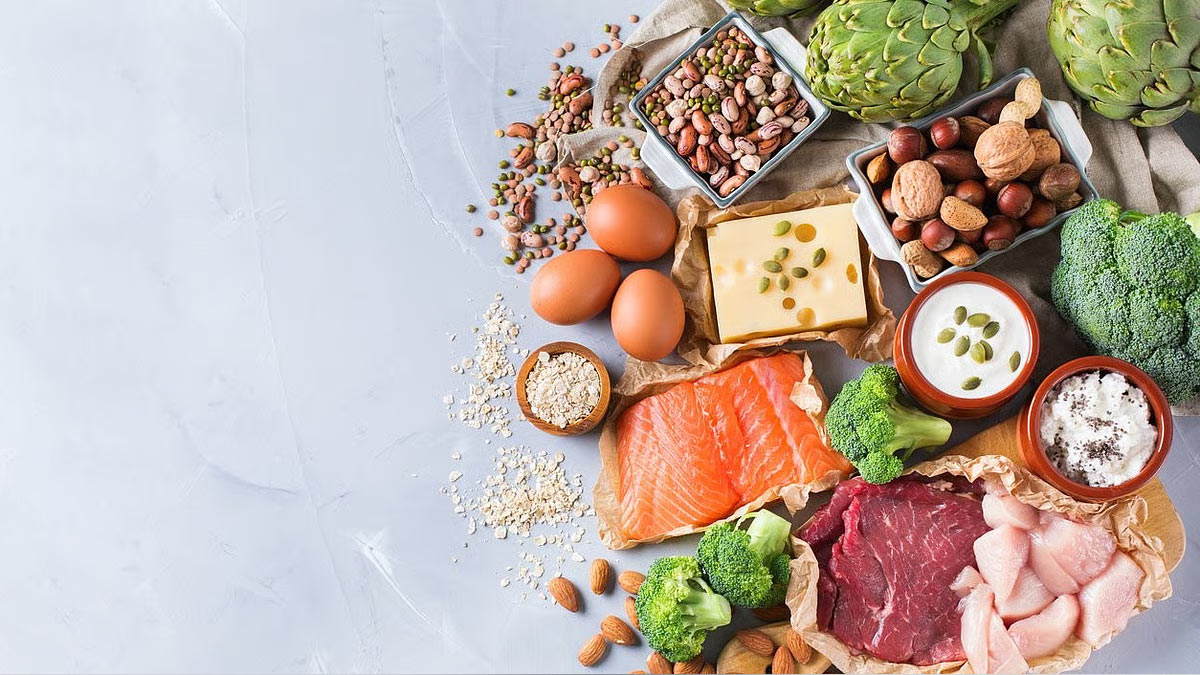
Protein adequacy is not merely about total grams consumed; it is about amino acid balance and bioavailability. Cereals such as rice and wheat are limited in lysine, whereas pulses are relatively lower in methionine, a complementary amino acid pattern widely documented in protein quality evaluations. Animal-source foods, including milk, eggs, poultry, and fish, offer higher biological value protein. However, affordability, accessibility, and cultural preferences shape consumption patterns across states. Traditional food pairings, such as rice with lentils or whole wheat with chickpeas, improve amino acid complementarity and can provide complete protein profiles when consumed in balanced proportions.
While India’s Public Distribution System (PDS) has successfully ensured cereal security, protein-rich foods remain unevenly accessible. Although pulses have been intermittently distributed under schemes such as the Pradhan Mantri Garib Kalyan Anna Yojana (PMGKAY), sustained protein-sensitive food policy is still evolving. The Integrated Child Development Services (ICDS) scheme delivers supplementary nutrition to vulnerable groups, while the PM POSHAN (Mid-Day Meal) Scheme seeks to improve nutrition outcomes among school-age children. Several states have expanded egg inclusion and enhanced pulse content in these programmes, though implementation remains heterogeneous due to cultural, fiscal, and logistical constraints. Women and adolescent girls frequently consume less protein than required, often due to dietary hierarchies within households.
Protein adequacy also intersects with environmental sustainability. Pulses, for instance, are associated with lower greenhouse gas emissions than livestock, a reduced water footprint, and greater scalability within smallholder farming systems.
Post-pandemic evidence underscores the role of adequate protein intake in immune resilience, sarcopenia prevention, and metabolic regulation. Simultaneously, India faces a dual burden of persistent undernutrition in children and rising overweight and obesity in adults (24 percent of women and 23 percent of men, respectively). This coexistence highlights that caloric sufficiency does not equate to protein adequacy or overall diet quality. Protein adequacy also intersects with environmental sustainability. Pulses, for instance, are associated with lower greenhouse gas emissions than livestock, a reduced water footprint, and greater scalability within smallholder farming systems.
Policy emphasis during the International Year of Millets (2023), documented by the Ministry of Agriculture and Farmers Welfare, demonstrated how crop diversification can align agricultural resilience with improved dietary diversity. Building on this momentum, the Union Budget 2025-26 announced the Mission for Atmanirbharta in Pulses, a six-year targeted initiative focusing on tur (pigeonpea), urad (black gram), and masur (lentil) to enhance domestic production, reduce import dependence, and reinforce protein security through strengthened procurement and farmer incentives.
Closing India’s protein gap demands coordinated, multi-sectoral action: embedding nutrient and protein benchmarks into welfare schemes; scaling protein literacy initiatives; strengthening front-of-pack food labelling transparency; targeting adolescent girls, pregnant women, and elderly populations through focused nutrition interventions; and improving national dietary surveillance systems. The need for nutrition-sensitive, systems-based reform is emphasised in India’s National Nutrition Strategy and reinforced in the ICMR–NIN Dietary Guidelines (2020), which call for improved protein quality, greater dietary diversity, and stronger monitoring frameworks. Evidence from global nutrition policy analyses further underscores that behaviourally simple guidance, such as balanced plate models, improves diet quality adherence at the household level.
Implementation studies show that visual plate guidance improves overall diet quality, increases the inclusion of recommended food groups such as legumes and lean proteins, and supports a more balanced macronutrient distribution at the population level.
Translating scientific recommendations into practical behavioural cues, such as ensuring that approximately one-quarter of every meal plate consists of protein-rich foods, can make protein adequacy actionable and measurable at scale. Similarly, the ICMR-NIN ‘My Plate for the Day’ model emphasises balanced thali composition and adequate inclusion of pulses, dairy, and other protein-rich foods across meals. Implementation studies show that visual plate guidance improves overall diet quality, increases the inclusion of recommended food groups such as legumes and lean proteins, and supports a more balanced macronutrient distribution at the population level.
India’s protein challenge is not a question of aggregate production, but of dietary imbalance, affordability, awareness, and policy prioritisation. The transition from calorie sufficiency to nutrient adequacy and overall diet quality must define the next phase of India’s nutrition strategy. On National Protein Day 2026, the mandate is clear: India does not merely need more food — it needs better-balanced food.
Shoba Suri is a Senior Fellow with the Health Initiative at the Observer Research Foundation.
The views expressed above belong to the author(s). ORF research and analyses now available on Telegram! Click here to access our curated content — blogs, longforms and interviews.