Led by Sustain, The Food Foundation, and Green Alliance, over 100 food companies, supermarkets, NGOs, and academics have signed a statement in support of a Good Food Bill, as the current food system “threatens national security and public health.”
The Food Foundation’s latest poll has found that 69% of UK citizens think the government should do more to ensure people can access and afford healthy food. Meanwhile, 65% of people support the introduction of the Bill, to set concrete targets for the government to reach.
Over half of the participants reported an increased need to protect the UK food supply due to the current state of international affairs.
Nutrition and food companies, such as Danone, the Co-op Group, and Marks & Spencer, have also signed the statement, together with organizations such as WWF.

The move follows a government report published last month, which warned that biodiversity loss may lead to the collapse of vital ecosystems, putting the UK at risk of food shortages and higher prices. The report states that this is a threat to national security.
“If getting prepared to feed the public well in times of shock was taken seriously, we’d have to redesign the food system to make that happen. Placing a duty on authorities to be able to feed all the public well in crises means civil food resilience becomes real,” says Tim Lang, professor emeritus of Food Policy, Centre for Food Policy, City St George’s, University of London.
“We cannot just trust luck or big retailers to feed us in crises. Food resilience is a common good. Such a duty would mean food is taken as seriously as the energy system. If we can plan to keep the lights on, why not plan to keep people fed?”
The UK Government has not yet formally responded to the Bill.
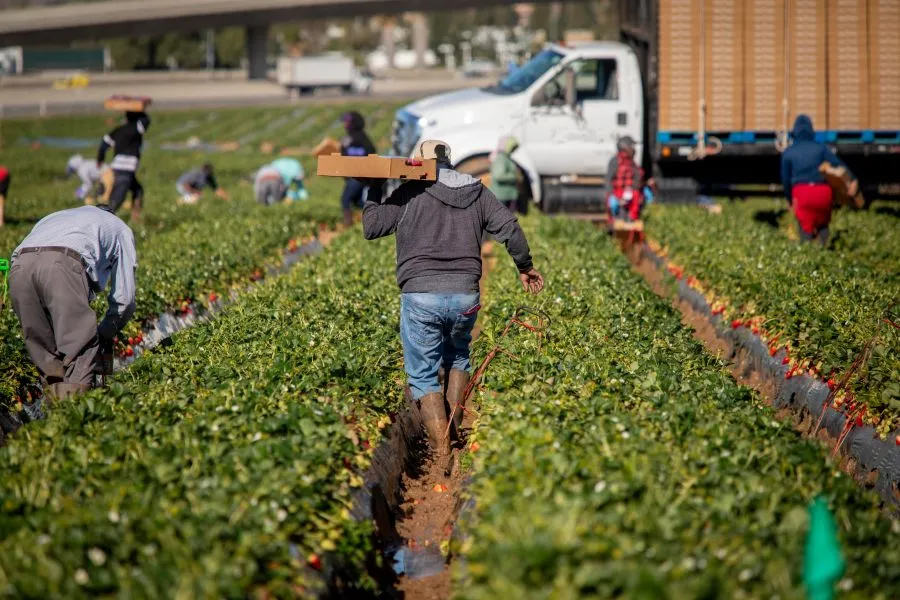 The Bill is designed to protect farmers, businesses, and citizens.Time for action
The Bill is designed to protect farmers, businesses, and citizens. Sustain describes it as a “once in a lifetime” opportunity for the UK government to set out a visionary plan to transform the food system.
“With the nation still suffering the effects of the cost-of-living crisis and the highest food price inflation for 40 years, triggered by Russia’s invasion of Ukraine and the aftermath of the global COVID-19 pandemic, policy makers must now take action to protect the UK’s food system from further global shocks, an increasingly turbulent international context, ongoing extreme weather patterns and inflation,” states the organization.
It continues that 15% of households with children in the UK experience food insecurity. Healthy foods are twice as expensive per calorie compared to less healthy foods available in these areas. The number of young people getting type 2 diabetes is increasing, and 36% of children in secondary school are overweight or obese.
Sustain says this health crisis demonstrates that a major change is needed in the food system, and that the Good Food Bill would put in place the long-term duties required by the government.
Anna Taylor, executive director at The Food Foundation, adds: “A Good Food Bill would provide the durable policy foundation needed to transform the food system for generations to come. Governments can achieve important wins within a single term, but only legislation can lock in change, providing certainty and protecting progress from shifting political priorities.”
“With food strategies and legislation already in place across the devolved nations, this is a timely opportunity for Westminster to introduce legislation that benefits the whole UK. We are calling on the Government to seize this moment, commit to new primary legislation, and lead the change needed to build a food system fit for the future.”
 Other countries are also focusing on nutrition policies.Similar moves
Other countries are also focusing on nutrition policies. France recently introduced its 2030 national strategy for healthy, sustainable food by combining food, nutrition, and climate. Alongside promoting fiber-forward diets, it encourages eating more locally grown, seasonal plant-based foods and limiting meat consumption, especially processed and imported meat.
Nutrition Insight recently spoke with representatives from Physicians Association for Nutrition International, who argue for combining nutrition into healthcare, saying it’s crucial to promoting healthy diets. They explained how intertwining the two fields might reshape demand for functional ingredients, fortified products, plant-based proteins, and medically tailored foods.
Meanwhile, the US recently released the Dietary Guidelines for Americans 2025–2030, marking the “most significant” reform of nutrition policy in decades. It sends a simple message: “Better health begins on your plate — not in your medicine cabinet.” However, the guidelines push for dairy and meat high in saturated fats, which has sparked debate among experts.