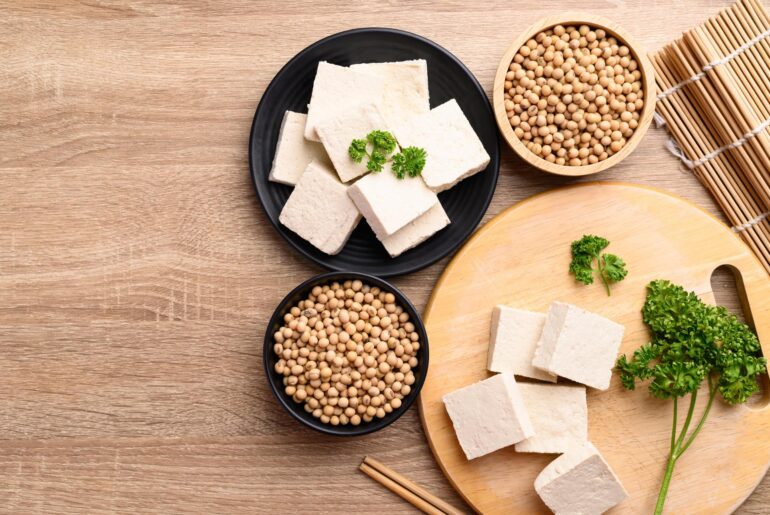
Research study of over 5,000 adults found that eating a specific food can help achieve the longest life expectancy, especially in elderly populations.
One specific food group could lead to a longer life, according to a research study (Image: Tom Werner via Getty Images)
Dietary preferences differ dramatically from person to person – some opt for plant-based eating, others follow a vegetarian lifestyle, while a significant proportion of adults consume meat regularly. As the years pass, our nutritional needs evolve considerably, making it crucial to incorporate specific vitamins and minerals into our daily diet as we grow older.
Foods rich in these nutrients prove vital for preserving bone strength and muscle tissue – ideally, older adults should be consuming high-quality protein each day alongside vitamin D, vitamin B12 and calcium to support healthier skeletal structure.
Recently, a Chinese Longitudinal Healthy Longevity Survey examining more than 5,000 Chinese adults (all aged 80-plus) yielded some fascinating findings.
Evidence from this study indicates that individuals who avoid meat, particularly during their later years, may be less likely to celebrate their 100th birthday compared to those who include meat in their diet.
The investigation commenced over 20 years ago, launching in 1998, and two decades on in 2018, the accumulated data revealed that participants adhering to a meat-free diet had reduced chances of reaching centenarian status when measured against meat consumers.
While vegetarian diets have historically been associated with decreased risks of cardiovascular disease or excess weight amongst other ailments, the findings from this investigation appear to indicate that meat or animal-sourced products might contribute to overall wellbeing for many people, particularly during the ageing process.
Fruit and veg deliver essential fibre alongside various vitamins and nutrients, yet obtaining adequate B vitamins can prove tricky for those following a plant-based diet, reports the Express.
Multiple reports have examined the study’s conclusions, with Science Alert emphasising that as we grow older, our “body’s needs change”.
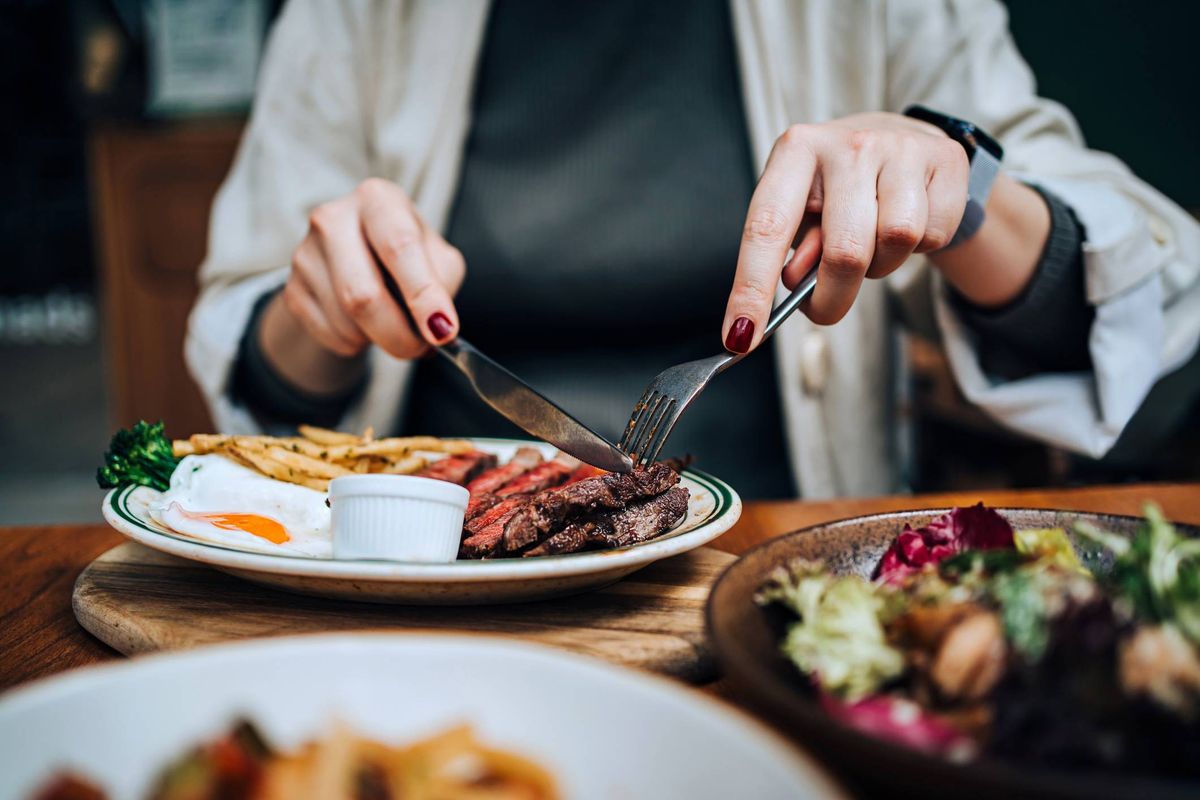
Meat and animal-derived food products could be important for nutrition, a study suggests(Image: d3sign via Getty Images)
Science Alert stated: “This study focused on adults aged 80 and older, whose nutritional needs differ markedly from those of younger people.
“As we age, physiological changes alter both how much we eat and what nutrients we need. Energy expenditure drops, whilst muscle mass, bone density, and appetite often decline. These shifts increase the risk of malnutrition and frailty.”
Health information gathered from the Chinese Longitudinal Healthy Longevity Survey appears to indicate that elderly individuals avoiding meat might be forgoing certain health advantages that consuming meat offers, potentially linked to protein intake becoming increasingly crucial amongst older adults.
Younger people cutting meat from their meals may not be sacrificing the nutritional value meat delivers compared to vulnerable elderly individuals – whilst older demographics face heightened fracture risks owing to diminishing calcium levels.
Dietary requirements can consequently change as we grow older, with adequate nutrient intake becoming crucial – and one interpretation of the study’s conclusions suggests that the findings, whereby elderly individuals appeared “more likely” to reach their centenary if they consumed meat, could be highlighting nutritional difficulties associated with ageing.
Additionally, the reduced probability of reaching 100 amongst those avoiding meat in this research was noted exclusively in underweight participants, but older adults maintaining a healthy weight appeared largely uninfluenced by whether they ate meat or not.
Frailty and low body weight in later life has previously been associated with heightened risks of premature mortality, meaning the participants’ body mass may prove central to understanding these results.
A further observation in this study examining meat consumers was that participants who ate dairy, fish or eggs – but no meat – appeared equally as likely to reach 100-years-old as those who did eat meat.
Researchers highlighted that incorporating moderate quantities of animal-derived foods helped prevent malnutrition and consequently stopped muscle mass from declining in advanced age, when measured against following exclusively vegan diets.