First popularised by Dr Michael Mosley’s book The Fast Diet in 2012, the idea of the 5:2 diet took the wellness world by storm. It introduced us to the idea of intermittent fasting: eating normally for five days each week, and restricting calories for two days. By 2018, intermittent fasting had become almost ubiquitous for weight management in midlife. A ZOE study in 2022 showed benefits in mood, energy, mental sharpness and improved gut health. Recently, though, experts have cast doubt on the formula, with studies showing little to no differences in body composition and even an increased risk of cardiovascular disease.
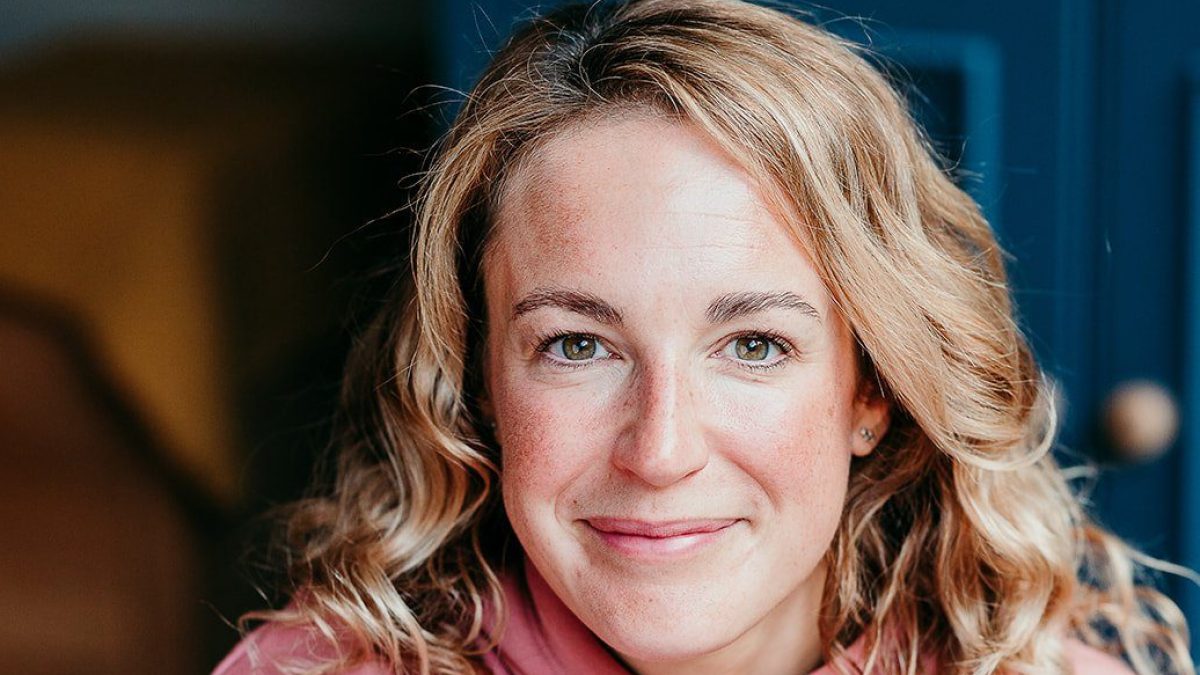
Carly Corrigall, 44, is a personal trainer from Surrey. Like many of her clients, she began noticing signs of perimenopause after she turned 40 – specifically, brain fog, fatigue and weight gain. She tried intermittent fasting as a symptom reliever, after being recommended it by many other midlife women – but the results were far from what she’d expected.
I work almost exclusively with midlife women, so I’ll often trial the trends they’re coming to me talking about. Intermittent fasting is something many of my clients tell me they’ve tried; it’s become a midlife “must do”. It’s definitely seen as a miracle cure for weight gain, brain fog and other hormone-related issues.
I tried intermittent fasting way back at the start of the curve, in 2022, when the research around its benefits was first emerging. The studies – showing it boosted concentration, brain function, glycaemic control and body composition – really fascinated me and I was particularly interested in the findings around gut health and autophagy (the self-cleaning cells undertake when we don’t eat for long periods). I wanted to get ahead of the trend, both to be well-informed for my clients and see if it would ease my own perimenopausal symptoms.
New FeatureIn ShortQuick Stories. Same trusted journalism.
The long-term health benefits intermittent fasting promised were hugely appealing and it seemed so simple: all I needed to do was squeeze my eating into a smaller window and I was going to feel fresher, more vibrant and upbeat, all while improving my long-term health. In reality, this wasn’t the case at all.
I decided to try a 10-hour eating window, with a 14-hour fast. While the idea is generally that you condense your usual meals into that time period, for me, I ended up simply skipping breakfast to make the timings work. As a busy mum, I’m always really rushed in the morning but it turns out this is one of the ways I went wrong.
I aimed to last until 10 or 11am before eating anything at all – but it was so hard to stick to. I’d have been rushing around all morning, sorting out the kids, seeing clients and perhaps even doing a workout, before having a brunch-style meal. It felt less like intermittent fasting and more like meal skipping.
For me, eating in this way really messed with my hunger signals and rhythm. It felt very forced; any sense of intuitive eating fell away. Immediately, I worried how on earth I was going to stick to it, as I just felt so hungry. The literature I’d read (primarily the big ZOE intermittent fasting study) was that you could have black tea or coffee while fasting, so I started my day with a black coffee and ended up spinning out on the caffeine.
Intermittent fasting just added a whole heap of stress into my already very full day. There’s much talk of food noise and how the protocol can dial this down, but for me, it became louder than ever. My whole life revolved around when I was finally going to eat; the logistics were tricky and I was constantly having to think ahead.
The mental load of having to work it all out was exhausting. Since I’d skipped breakfast and had a large brunch, I wasn’t hungry for lunch, but if I didn’t eat something, I’d be starving by dinner time. There were lots of evenings when I couldn’t eat before 8pm and I started to panic – the whole day became about my eating window, which is ridiculous, looking back.
My energy levels hit the floor. I was training for a running event at the time and I didn’t hit any of my goals – training felt like wading through treacle. It was so demoralising because you’re told this method is amazing and you’ll feel incredible – but I felt the opposite. I felt so flat and cross with myself that it wasn’t working. I couldn’t work out if my training was just going really badly or if something bigger was going on.
I felt a deep fatigue all the time, and I’d fall asleep on the sofa every night – but rather than stopping, I doubled down on the challenge. I dreaded the mornings – I kept waiting for it to get easier but it didn’t. I even developed bad heartburn that would wake me up at night and I think this was because my stomach was too empty. My system was primed but I wasn’t giving it the food it needed. I remember spending the evenings feeling hungry and grouchy but I just went to bed, hoping I’d go to sleep and forget about it. It was so bleak.
I’d originally wanted to give intermittent fasting a go for six weeks and I made it to four when I reached breaking point. The week before I packed it all in, I felt run down and exhausted, with a sore throat, a cold and mouth ulcers that wouldn’t go away. The realisation dawned that it just wasn’t working for me; all of the signs were pointing to it not being great for my body.
By the end of the trial, I hadn’t noticed a single metric improve: I didn’t lose any weight, I didn’t feel better. As soon as I started tuning into my hunger signals again, everything shifted. I immediately felt calmer and I was annoyed with myself for fasting for so long.
This isn’t just my experience either; it’s what I’m hearing from other women I work with. But I felt like such a failure. We’re given this protocol that we’re told is a miracle and I felt so confused about why I felt so horrific – was I not doing it properly? Was I not trying hard enough? I started gaslighting myself, wondering if it really was this hard or if I just couldn’t cope.
When I look back now, it horrifies me. I was going against all the advice I give to clients day in, day out – don’t drink coffee on an empty stomach, don’t train fasted and so on. All I was doing was layering stress on top of stress.
With hindsight, I’m quite shocked at how much my thought process shifted and I can’t fully understand why I didn’t stop sooner, given the huge red flags I was experiencing. I think I just wanted to “succeed” and was lured by the research headlines without really considering the nuance and lack of data on women.
This being said, I have learned a few things. I’m still interested in the idea of autophagy and I’ve learned that eating late in the evening doesn’t work for me – ideally, I like to have at least three hours between eating and going to bed.
I would never dream, now, of not fuelling before and after my workouts. That’s my priority: I’m doing all this work for my body to feel strong and healthy. Why would I deprive it of the building blocks it needs? It seems like a total paradox. I’m so glad that chapter is well and truly closed in my life.