Click here for more articles by Kormedi.com.
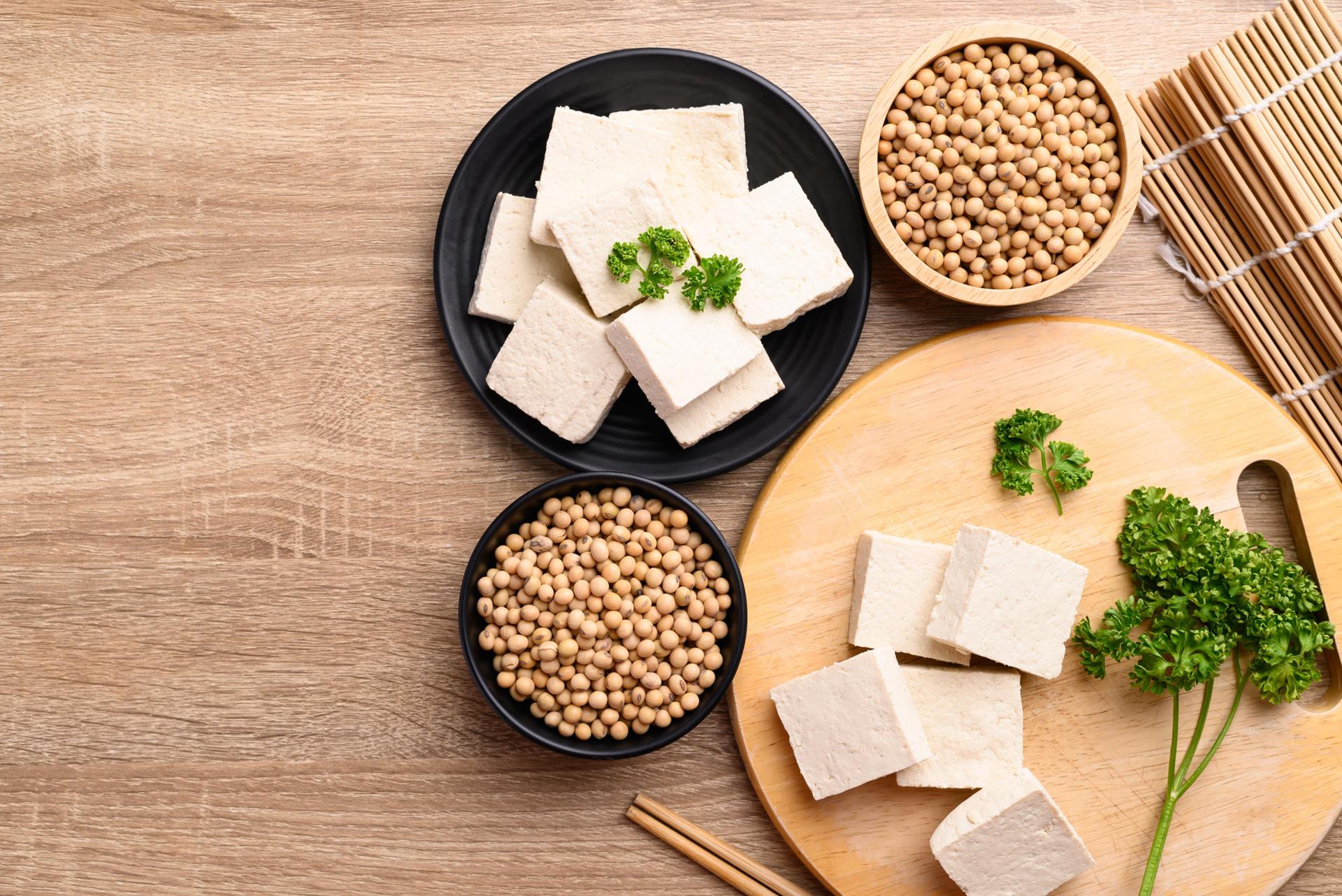
Tofu may look identical on supermarket shelves, but a single line on the ingredient label can dramatically change its nutritional profile. The type of coagulant used determines calcium content, while soybean origin affects price and consumer choice. Simply picking up any tofu because it is a protein food can mean missing important differences.
Health goals such as bone strength, muscle maintenance and blood pressure control call for different selection criteria. Calcium sulfate–set tofu can help boost calcium intake, while plain, unseasoned varieties are better for sodium management. Soybean origin and GMO labeling also matter. Reading the label first can shape the quality of a meal.
Calcium sulfate vs magnesium chloride vs GDL: start with the coagulant
Coagulants — substances that solidify soy protein — are central to tofu. When calcium sulfate (CaSO₄) is used, calcium levels reach about 120–200 milligrams per 100 grams, making it advantageous for calcium intake. Magnesium chloride contributes less calcium but produces a softer texture and milder taste.
Glucono-delta-lactone (GDL) creates very soft tofu, such as silken tofu, through acid coagulation. No specific coagulant is considered harmful, but for bone health, products labeled “calcium sulfate” provide more practical benefit.
Protein 7–10 grams per 100 grams: firmer tofu contains more
Regular tofu contains about 7–10 grams of protein per 100 grams. Firm varieties used for pan-frying contain less water and reach 9–11 grams, while silken tofu has about 5–6 grams. Calories range roughly 70–100 kilocalories per 100 grams. A typical 300-gram block provides about 21–30 grams of protein. Although plant-based, tofu has a digestibility above 90 percent. Eating it with grains, eggs or fish helps balance amino acids.
Domestic vs imported soybeans: why prices differ
Tofu made from Korean-grown soybeans often costs 1.5–2 times more than products made from imported beans because of higher raw material costs. Nutritional differences are minimal, but supply distance and traceability vary. Korean soybeans are mostly non-GMO, while many imported beans from the United States or Brazil are genetically modified. Korean labeling rules require disclosure of GMO use, so checking both origin and GMO status is most accurate.
Sodium 5 vs 400 milligrams: seasoned tofu is a different food
Plain tofu contains only about 5–15 milligrams of sodium per 100 grams. However, seasoned, smoked or processed tofu can exceed 200–400 milligrams per 100 grams. Even as a protein food, added seasoning raises sodium and may undermine blood pressure control. Fried tofu also increases fat and calories. For health goals, choosing plain tofu without additives and controlling seasoning during cooking is preferable.
Pair with vitamin D and C to boost mineral absorption
Eating tofu with vitamin D–rich foods such as fish or eggs helps calcium absorption. Pairing it with vitamin C–rich vegetables or fruits improves iron utilization. Conversely, consuming large amounts with high-oxalate foods such as spinach may reduce calcium absorption.
Cooking method also matters. For weight management, boiling or steaming tofu instead of frying reduces calories. What tofu is eaten with — and how it is prepared — ultimately determines its health impact.
This article from Kormedi.com, Korea’s top health care and medical portal, was translated by a generative AI system and edited by The Korea Times.