
Add DMNews to your Google News feed. 
Tension: Glycine is one of the most popular brain and sleep supplements on the market, taken daily by millions of men seeking cognitive and longevity benefits. A large new study has found that elevated glycine levels are associated with significantly shorter lifespan in men.
Noise: Glycine is marketed as a harmless amino acid with broad anti-aging benefits, and its presence in collagen and protein foods makes it feel inherently safe. But researchers say high blood concentrations may reflect underlying metabolic dysfunction that supplementation could be masking or worsening.
Direct Message: The study suggests that men chronically supplementing with glycine may be overlooking metabolic warning signs rather than addressing them, and that checking bloodwork matters more than optimizing a supplement stack.
To learn more about our editorial approach, explore The Direct Message methodology.
A large-scale study published in 2025 has found that high levels of glycine, an amino acid sold widely as a brain-boosting and sleep-enhancing supplement, are associated with a significantly shorter lifespan in men. The research, which analyzed data from over 20,000 participants across multiple cohorts, found that men with elevated glycine concentrations in their blood had a measurably higher risk of all-cause mortality. Women showed no such association.
Glycine is one of the most commonly purchased amino acid supplements on the market. It’s promoted for cognitive function, improved sleep quality, collagen production, and even anti-aging benefits. Estimates suggest millions of Americans take it daily, often stacking it alongside other nootropics in their morning routines. Greg, a 51-year-old software engineer in Austin, told me he’d been taking 3 grams of glycine every night for four years after reading about its sleep benefits on a longevity forum. “Nobody ever mentioned a downside,” he said. As I explored in a recent piece on supplement stacking gone wrong, the gap between what gets marketed online and what the evidence actually supports can be staggering.
 Photo by Supplements On Demand on Pexels
The researchers, whose findings were covered by ScienceDaily, noted that glycine plays a dual role in the body. While it functions as a neurotransmitter and structural component of proteins, elevated blood concentrations appear to correlate with underlying metabolic dysfunction in men, including markers of liver stress and impaired mitochondrial function. The sex-specific nature of the finding surprised even the study authors. One hypothesis: differences in how men and women metabolize amino acids, influenced by hormonal profiles, may make men more vulnerable to glycine accumulation. As Medical Xpress reported, the researchers emphasized that glycine levels may serve as a biomarker for existing health problems rather than a direct cause of mortality, but the correlation was robust across all cohorts studied.
The finding adds another layer to an already complicated conversation about men’s longevity. As I wrote in a piece about social isolation and accelerated aging in men, the factors that shorten male lifespan are often the ones that get the least attention. Meanwhile, research into brain-protective proteins and dietary approaches to cognitive decline continues to point toward whole-system interventions rather than isolated supplement fixes.
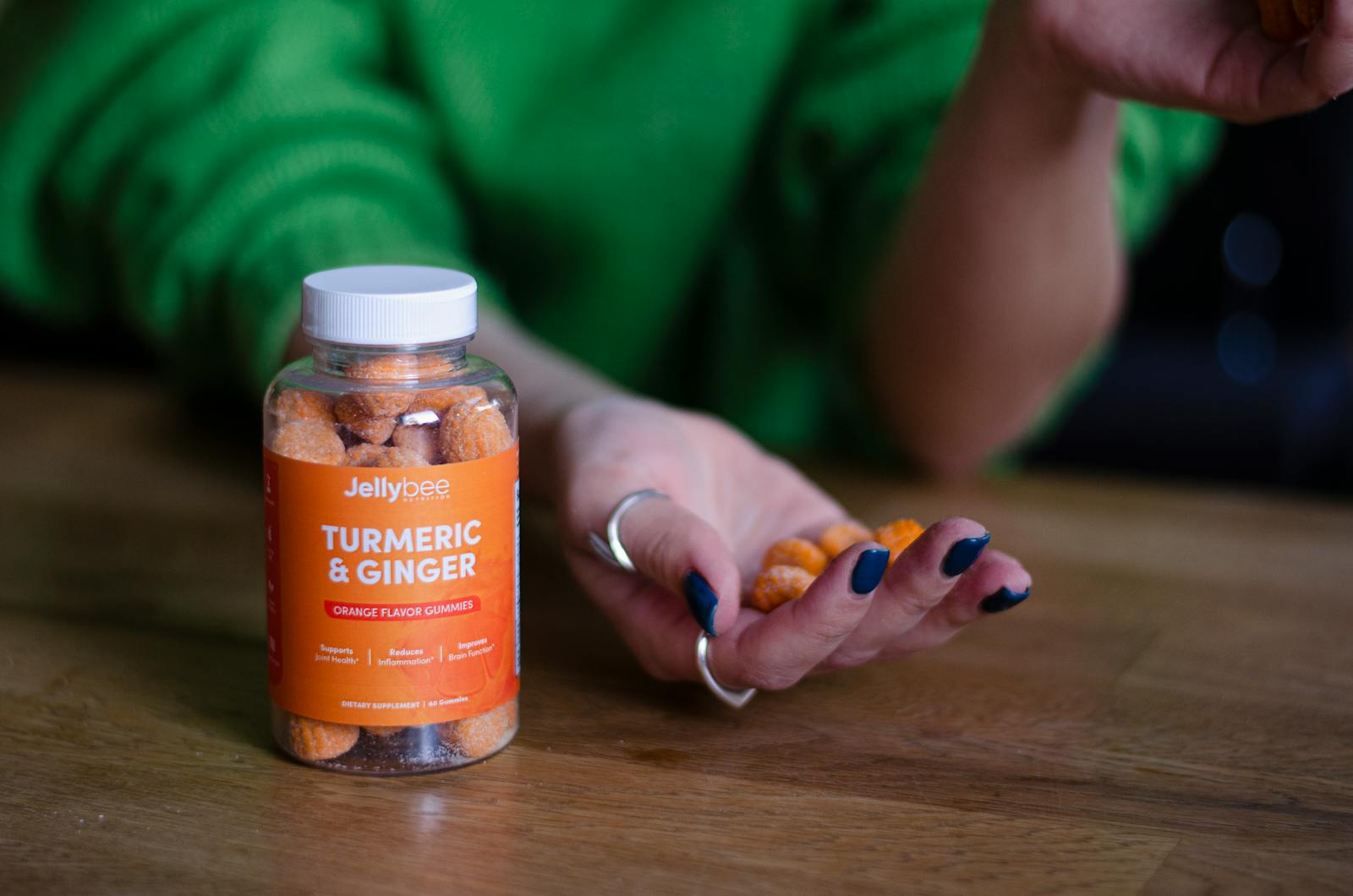 Photo by Jellybee on Pexels
The study’s authors were careful to note that they aren’t calling for a blanket ban on glycine supplementation. The amino acid occurs naturally in protein-rich foods and plays essential roles in the body. But the findings do raise serious questions about the wisdom of chronic, high-dose supplementation, particularly for men who may already have metabolic risk factors they aren’t aware of. For someone like Greg, the takeaway was immediate: he scheduled bloodwork with his doctor for the first time in two years. “I was so focused on optimizing,” he said, “that I forgot to check whether what I was doing was actually safe.”
Feature image by Jonathan Borba on Pexels