Running plans have come a long way. Back in the day, if you weren’t working with a coach, you’d just get a training plan from a back issue of Runner’s World or your local library’s copy of The Complete Book of Running by Jim Fixx, and have at it with nothing more than a stopwatch and a tracksuit for 16 weeks.
Now, we have plans freely accessible online, the best running watches to provide professional-level guidance and pace information, and adaptive AI-tailored plans from the best fitness apps like Runna. Things have certainly changed, and it’s no longer just about crossing the finish line. Now it’s about posting your time on Strava with a pic of your medal.
You may like

(Image credit: Getty Images / milorad kravic)
Noted running blog site (and Garmin leaker) the5Krunner weighed in, highlighting some of the existing research on AI-generated running plans and giving their own opinions as a running expert.
While the5Krunner notes that no peer-reviewed study has yet established that Runna athletes get injured at higher rates than those using a static or traditional training plan, they also point out that “AI training plans are not yet ready for complex scenarios applied at scale to general populations”.
These plans are often aimed at beginner runners, who don’t yet understand the limits of their own bodies. If you’re not a seasoned runner, it’s tougher to gauge whether the plans are too aggressive, which could lead to injuries such as stress fractures, shin splints, pulled muscles or illness. While the only peer-reviewed study the5Krunner cites involves ChatGPT, not Runna, the concern is still valid.
I reached out to Lily Canter, England Athletics running coach and author of Ultra Women: The trailblazers defying sexism in sport (plus frequent TechRadar articles), to see what she thought of AI apps versus static training plans.

(Image credit: kovop58 / Shutterstock)
“Whether it’s AI or an off-the-shelf plan, it’s not going to be able to tell whether that person is tired, if they’ve had a stressful work week, if they’ve been eating really badly, if they’ve been sleeping badly”, says Canter. “Sleep data on wearables is still really sketchy.
“Every runner will have a different running experience, different lifestyle, different diet, different stresses at work and home, different goals. As a result, an off-the-shelf plan is never going to cater to any of that. A lot of the beginner plans that you get are not suitable at all – both AI app ones and generic ones from books, websites or magazines.
You may like
“You do need to have quite a lot of running experience with these kinds of AI services to know what information to give it.”
Canter correctly identifies the fact that this is not a new phenomenon: people were overtraining well before AI came into the mix, and there’s significantly more information now, readily available to the average runner, than there was even 20 years ago. Understanding how to train for a marathon is now easier than ever – although it’s obviously still a very hard thing to do.
Canter also picks up on the inherent data biases used in AI’s corpus of training data. “The other big issue with any kind of plan is that they tend to be designed on data that has been collected in sports science on male athletes, and they do not cater for women at all.”
Again, people’s bodies have different needs, and taking a plan as gospel means you’re at risk of overtraining.
Runna’s response
(Image credit: Runna)
I reached out to Runna, too, and the company shared its perspective on the issue via a statement.
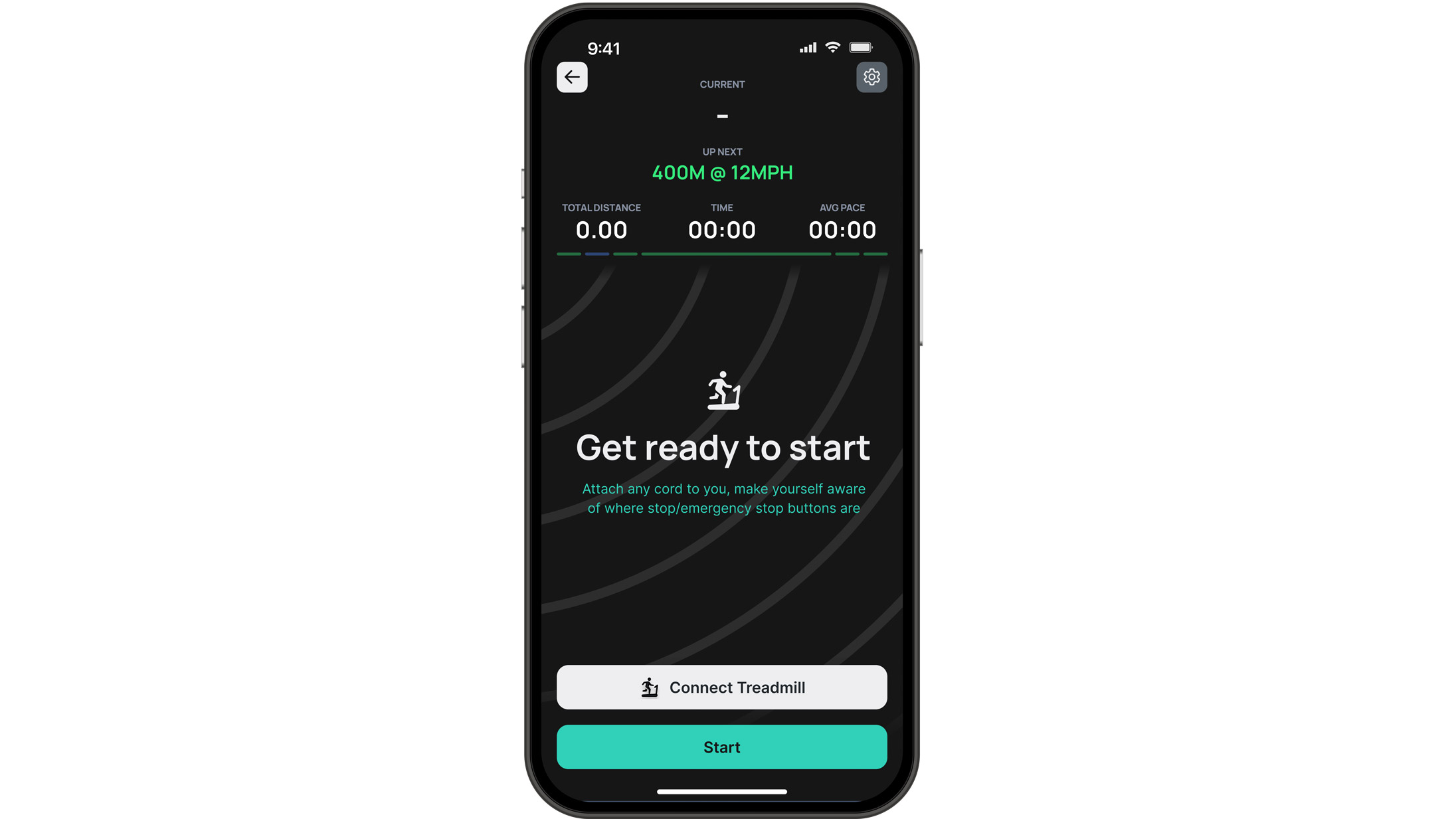
The company said, “Runna plans are not created by AI. The plans are designed by highly experienced coaches using proven training principles. An algorithm then tailors and adapts those coach-designed plans to each runner based on progress, feedback and real-world performance. Runna’s role is to provide structure with flexibility, supporting runners to train safely and sustainably with plans personalized to the individual.”
Runna also highlighted some safety features embedded within the app. “Users are able to set their training preferences – namely, training volume and difficulty – when starting a plan, and these remain fully adjustable at any point throughout the training cycle.
“Plans are based around structured progression and planned recovery, and include strength training, pre-run warm-up routines, stretch and stability guidance to supplement runners’ training. Features available in the app, such as ‘Not Feeling 100%’, also enable runners to adapt their training when they are unwell, managing an ache, or dealing with the busyness of life. Users can then return to their plan in a structured way according to their preferences.”
Should you still use Runna and other AI-tailored training plans?
The bottom line? Whether you’re using a static marathon training plan or an adaptive AI service like Runna, use it as a baseline only and don’t allow it to replace your own critical thinking.
Don’t be afraid to listen to your body, learn when you feel tired or don’t perform at your best, and understand it’s ok to take breaks. Use the safety tools embedded in these services, or if you’re on a static training plan, ensure you’re treating it as a guideline rather than a rigid requirement. Running should be for life – don’t sacrifice a decade of running and get injured on the altar of a single marathon.
Follow TechRadar on Google News and add us as a preferred source to get our expert news, reviews, and opinion in your feeds. Make sure to click the Follow button!
And of course, you can also follow TechRadar on YouTube and TikTok for news, reviews, unboxings in video form, and get regular updates from us on WhatsApp too.