
Add VegOut to your Google News feed. 
A ruling from India’s Supreme Court in late May 2025 sent shockwaves through one of the largest public nutrition programs on Earth. The court directed that India’s Mid-Day Meal Scheme — now officially called PM POSHAN (Pradhan Mantri Poshan Shakti Nirman) — must ensure protein-rich food options are included in every meal served to schoolchildren. The implications are staggering: roughly 120 million children eat these government-funded lunches on any given school day.
I’ve been following school nutrition policy for years, and I can say with confidence that this is one of the most consequential judicial interventions in food systems we’ve seen this decade. The ruling doesn’t just tinker at the margins. It challenges the foundational assumption that calories alone are enough to address childhood malnutrition.
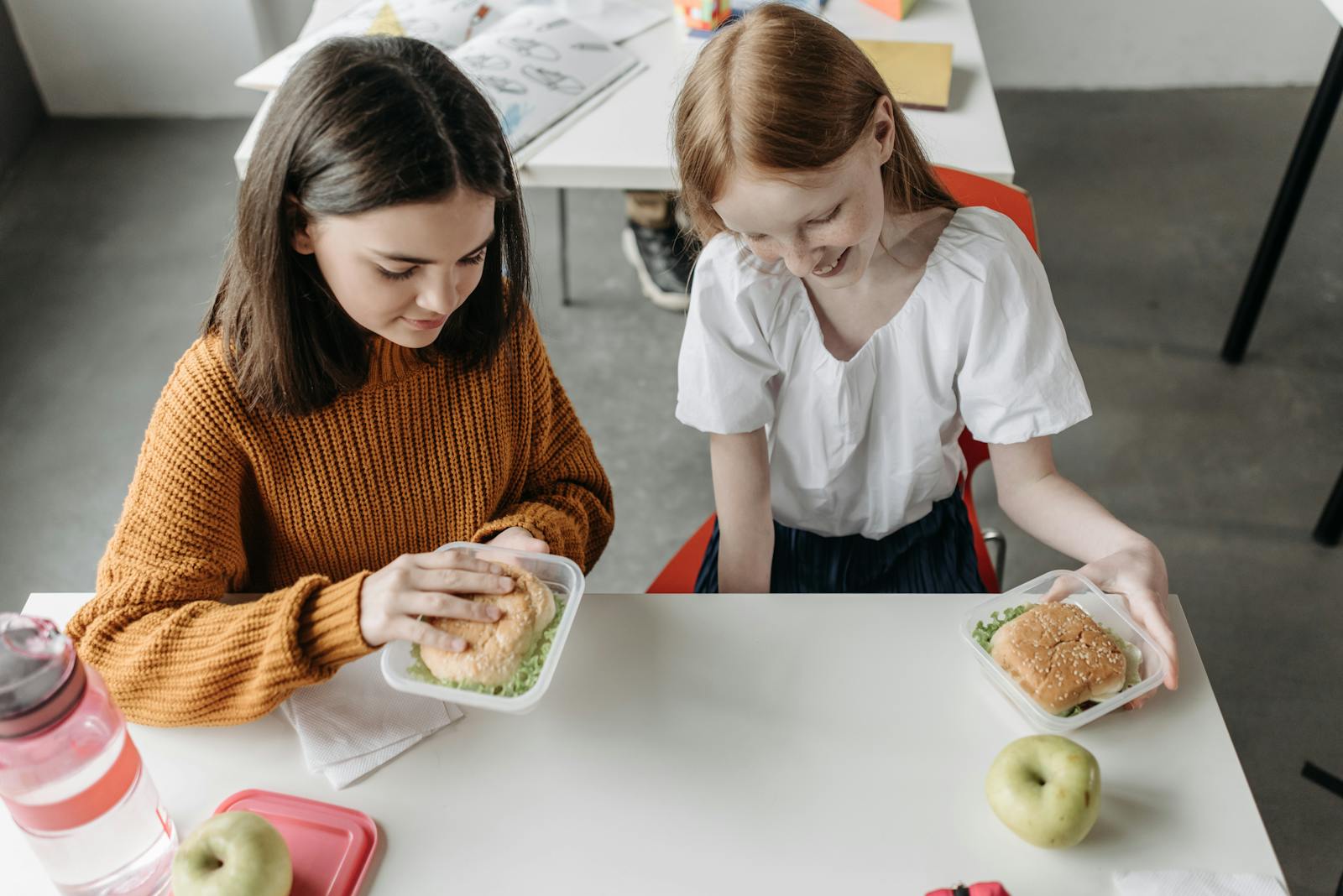
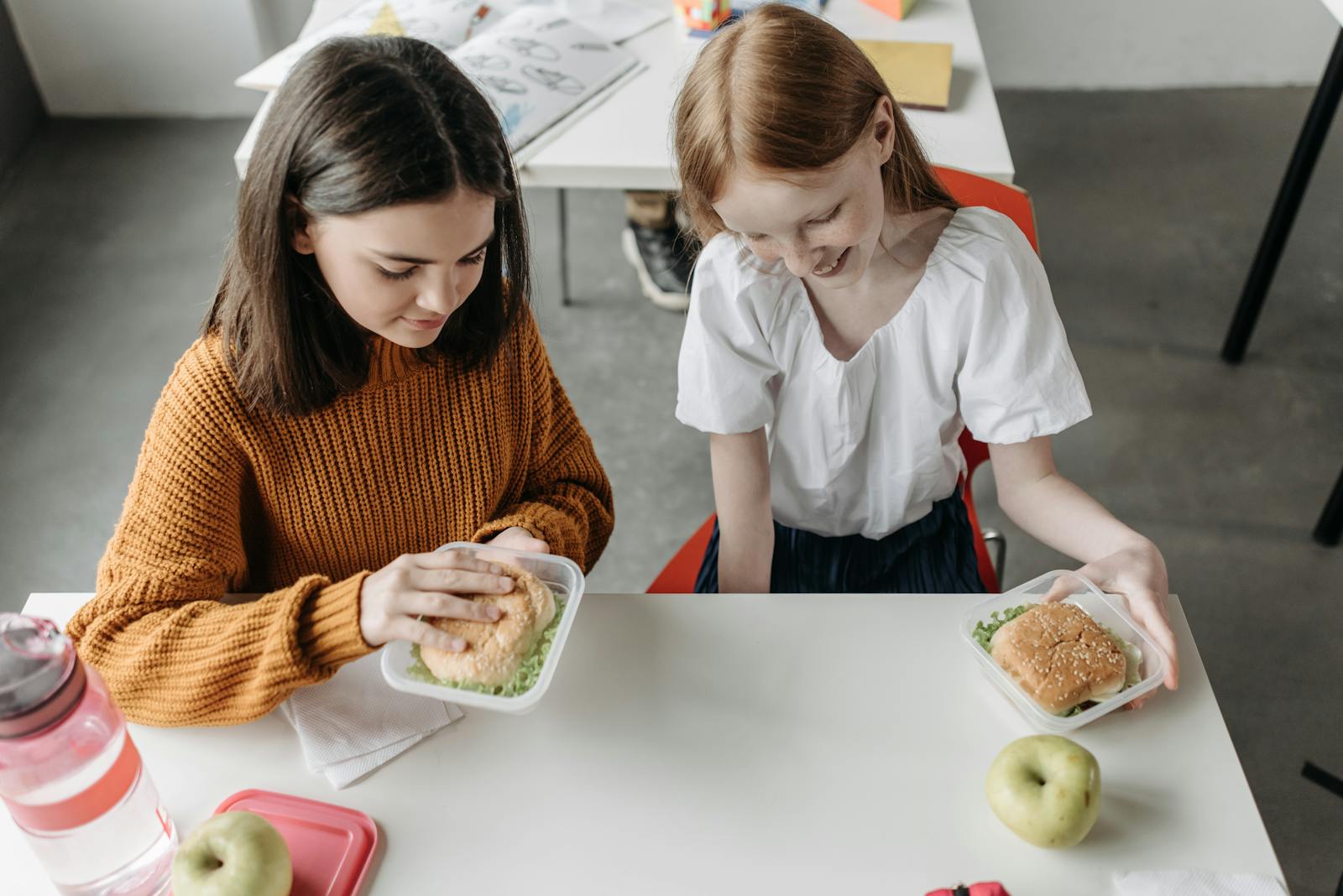 Photo by Pavel Danilyuk on Pexels
What the Ruling Actually Says
The court’s direction came in response to a public interest litigation that highlighted persistent protein deficiency among children in India’s poorer states. Petitioners presented data from India’s National Family Health Survey (NFHS-5), which found that 35.5% of children under five in India are stunted — a condition strongly linked to chronic protein-energy malnutrition.
The bench directed state governments to revise their PM POSHAN menus to include adequate protein sources. Crucially, the ruling referenced both animal-based and plant-based protein, leaving implementation flexible while making the nutritional floor non-negotiable.
This matters because the current program, while massive in scale, has been criticized for years as being carbohydrate-heavy. A 2022 analysis published in the Indian Journal of Public Health found that in multiple states, mid-day meals derived less than 8% of their calories from protein — far below the 13-15% recommended by the Indian Council of Medical Research (ICMR). Rice and dal remain the backbone of most menus, but the dal portions are often so small that the protein contribution is negligible.
The court gave state governments six months to submit revised nutritional plans.
Why This Could Become a Global Template
India’s PM POSHAN is the world’s largest school feeding program. When you change something at this scale, other countries notice.
As VegOut recently covered, Denmark has been restructuring its school lunch programs around water-cost-per-gram-of-protein metrics — a sustainability-first framework that’s already reshaping how European policymakers think about institutional food. India’s ruling arrives from a different angle (nutrition equity rather than environmental accounting), but the convergence is striking. Both frameworks force governments to take protein sourcing seriously rather than treating it as an afterthought.
Brazil’s Programa Nacional de Alimentação Escolar (PNAE) went through a similar protein reckoning in the 2010s, eventually mandating that at least 30% of procurement budgets go to local family farms. The result was a dramatic increase in legumes, eggs, and regional protein sources in school meals. India’s court appears to be nudging the system in a comparable direction, though the sheer scale makes execution exponentially harder.
The Plant-Based Opportunity (and Its Limits)
Here’s where my analysis gets personal. I think this ruling represents one of the largest-scale opportunities for plant-based protein innovation we’ve seen in the public sector.
India already has a deep cultural infrastructure for plant-based eating. Roughly 30-40% of the population identifies as vegetarian (though actual dietary surveys suggest the number who eat meat infrequently is even higher). Lentils, chickpeas, soybeans, peanuts, and paneer are all culturally embedded protein sources. The question has never been whether Indians know how to eat protein without meat. The question is whether state-run kitchens, operating on budgets as low as 5-7 rupees per meal (roughly 6-8 U.S. cents), can deliver enough of it.
Soy protein, in particular, deserves attention here. India is a significant soybean producer, and soy-based extenders and granules (often called “soy chunks” or “meal maker” in Indian markets) are among the cheapest concentrated protein sources available. A 2021 study in Food and Nutrition Bulletin found that incorporating textured soy protein into school meals could increase protein content by up to 40% with only a marginal cost increase of 1-2 rupees per serving.
That said, I want to resist the temptation to frame this as a simple win. Scaling soy or any single crop across a system feeding 120 million children introduces monoculture risks, allergen considerations, and the kind of supply chain fragility that has plagued PM POSHAN before. During the COVID-19 pandemic, meal distribution collapsed in many states, exposing how dependent the system is on unbroken logistics chains.
A smarter approach — and one that some Indian nutritionists have been advocating — involves regional diversification. Millets and amaranth in Rajasthan. Peanut-based preparations in Gujarat. Black gram and horse gram in southern states. The protein doesn’t need to come from one source. It needs to come from the most locally resilient source available.
The Implementation Gap Everyone Should Be Watching
Court orders are powerful. Implementation is where they live or die.
India has a well-documented gap between judicial directives on food security and what actually happens in school kitchens. The original Right to Food case (PUCL v. Union of India, 2001) led to the universalization of mid-day meals, but compliance has remained uneven for over two decades. A 2023 report from the Comptroller and Auditor General (CAG) found that multiple states were failing to meet even the existing caloric standards, let alone any protein-specific benchmarks.
The infrastructure challenges are real. Many schools cook on basic stoves with limited storage. Cold chains for perishable protein sources like eggs, milk, or paneer are virtually nonexistent in rural areas. And the cooks — overwhelmingly women, often from the communities the program serves — are frequently underpaid or paid late.
I keep thinking about a piece we ran about lower-middle-class families and the invisible labor that goes into getting kids fed and ready for school. That dynamic scales up in India’s context. The people doing the hardest work in this system are often the least resourced.
So the ruling is necessary. Whether it’s sufficient depends entirely on funding, oversight, and political will at the state level.
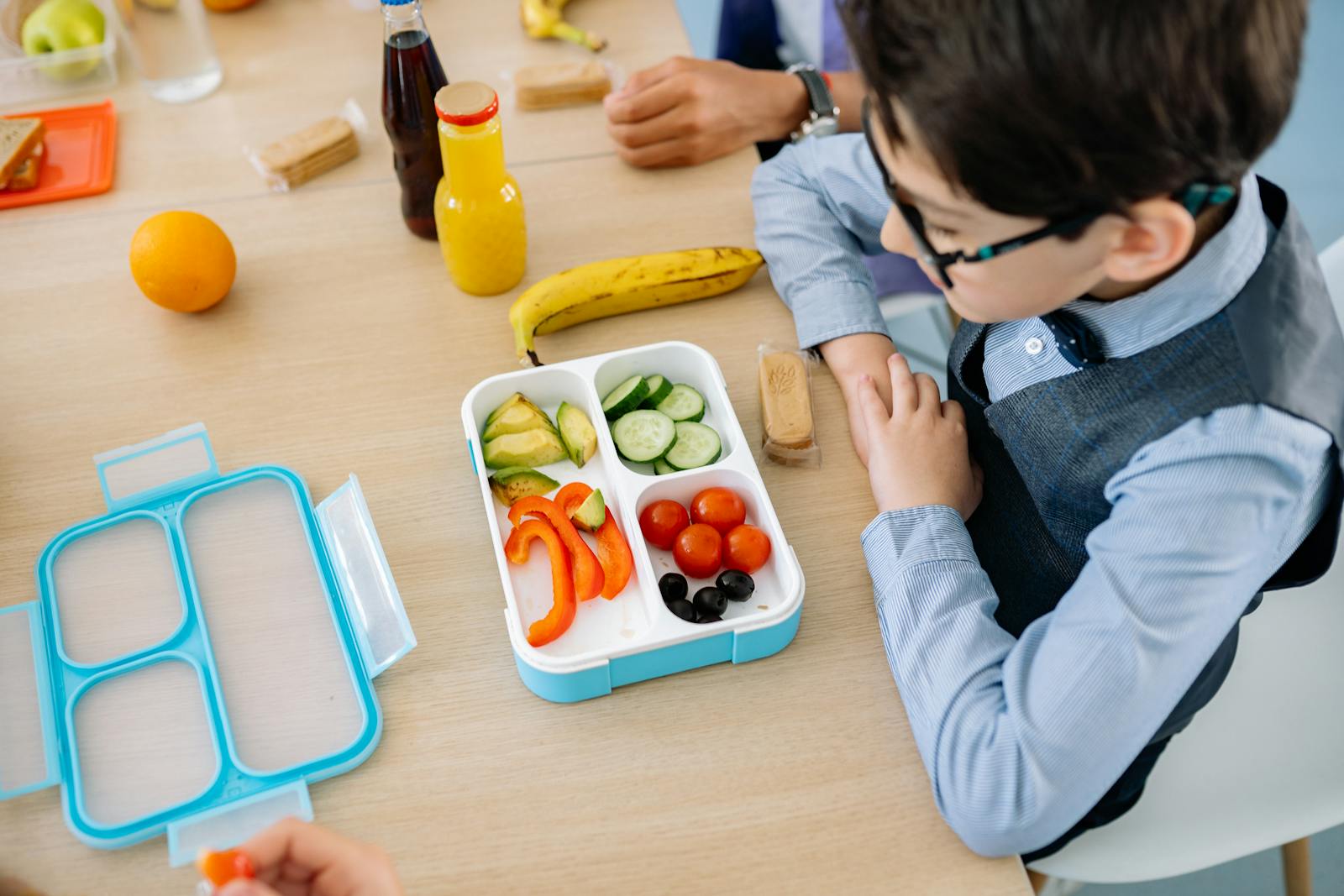 Photo by Yan Krukau on Pexels
The Egg Controversy, Briefly
No analysis of Indian school meal policy is complete without addressing eggs. They remain the single most cost-effective complete protein available in institutional feeding programs. The World Food Programme has called eggs a “near-perfect” food for addressing childhood stunting.
But eggs are politically contentious in India. Several states governed by the BJP have resisted including eggs in mid-day meals on cultural and religious grounds. Madhya Pradesh, Rajasthan (until its recent government change), and Karnataka have at various points explicitly excluded eggs from school menus. Meanwhile, states like Tamil Nadu, Andhra Pradesh, Kerala, and Odisha have included eggs for years and show measurably better child nutrition outcomes.
The Supreme Court’s ruling was carefully worded to avoid this political tripwire. By directing “protein-rich options” without specifying eggs, the bench left room for both vegetarian and non-vegetarian approaches. This is pragmatic. It also means that in states where political leaders resist eggs, the burden shifts to demonstrating that alternative plant-based protein sources are truly adequate — a standard that, based on current budgets, is going to be difficult to meet without significant investment.
I don’t think this is an either-or debate. It’s a “what can you actually deliver at scale” question. And the honest answer varies enormously by geography.
What This Means for the Broader Food Conversation
Zoom out for a moment. A major judiciary in the world’s most populous country just told its government that feeding children isn’t just about filling their stomachs. It’s about ensuring the food has meaningful nutritional density. That principle — that access to adequate protein is a matter of children’s rights, not just dietary preference — has ripple effects well beyond India.
The global school feeding sector serves roughly 418 million children worldwide, according to the World Food Programme’s 2023 State of School Feeding report. Most of these programs were designed around caloric adequacy. Very few have protein-specific mandates. India’s ruling could force a broader conversation about whether calorie-based benchmarks are outdated.
It also raises an uncomfortable question for wealthier nations. If India, with its per-pupil meal budget measured in cents, is being compelled to ensure protein adequacy, what excuse do countries spending dollars per meal have for serving nutritionally hollow lunches?
The U.S. National School Lunch Program, for context, has its own well-documented problems with protein quality — heavily processed options, overreliance on commodity meats, and limited plant-based alternatives. A 2024 USDA audit found that less than 12% of school districts offered daily plant-based protein entrées. The problems look different across borders, but the underlying pattern is the same: institutional feeding programs optimize for cost and logistics, and protein quality gets sacrificed.
My Take
This ruling is a big deal, and I think it deserves more international attention than it’s getting. The scale alone — 120 million children — makes it one of the most significant food policy developments of 2025.
But I want to be measured about what it can actually achieve. Court orders create legal mandates. They don’t create kitchen infrastructure, train cooks, or build cold chains. The history of India’s food rights jurisprudence is full of ambitious directives that took a decade or more to translate into consistent, on-the-ground change.
What excites me most is the opportunity for plant-based protein to prove itself at institutional scale. India has the culinary tradition, the agricultural base, and the cultural familiarity to show the world that protein adequacy doesn’t require the kind of animal-product-heavy approach that dominates Western school feeding programs. If even a handful of states execute this well — leveraging soy, millets, legumes, and regional protein crops — the data could reshape how school feeding programs are designed globally.
The next six months of state-level responses will tell us whether this becomes a turning point or another well-intentioned mandate gathering dust. I’ll be watching closely.
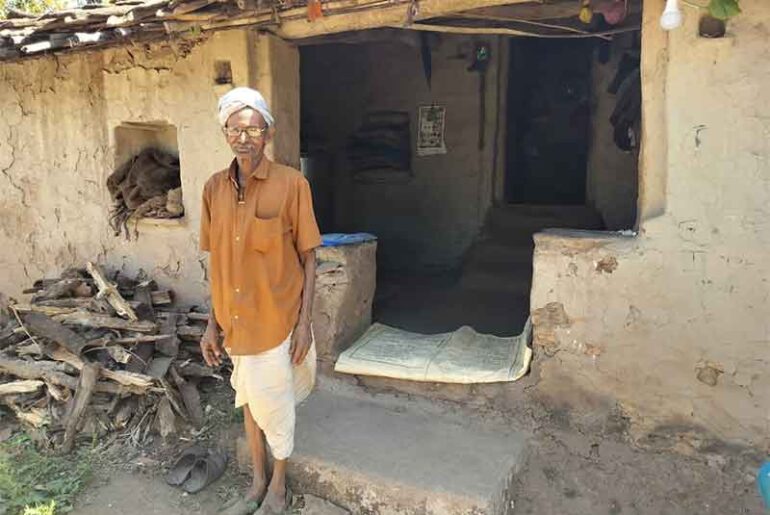
Feature image by Swastik Arora on Pexels
What’s Your Plant-Powered Archetype?
Ever wonder what your everyday habits say about your deeper purpose—and how they ripple out to impact the planet?
This 90-second quiz reveals the plant-powered role you’re here to play, and the tiny shift that makes it even more powerful.
12 fun questions. Instant results. Surprisingly accurate.