 The beauty industry is experiencing its most significant transformation in decades. Clean beauty has moved from niche market to mainstream expectation, and hair care brands are scrambling to reformulate.
Consumers are reading ingredient lists with unprecedented scrutiny. Brands that ignore this shift risk irrelevance.
Defining Clean Beauty
Clean beauty means different things to different people, which creates challenges for brands trying to meet consumer expectations. Generally, it refers to products formulated without potentially harmful synthetic ingredients.
This isn’t about demonizing all chemicals. Water is a chemical, after all. It’s about transparency and choosing ingredients with proven safety profiles.
The movement emphasizes what’s excluded-parabens, sulfates, phthalates, synthetic fragrances-as much as what’s included.
Consumer Education Surge
Social media has democratized ingredient education. Consumers who once relied solely on marketing claims now research active ingredients and understand formulation basics.
This knowledge shift forces brands toward genuine reformulation rather than greenwashing. Savvy consumers spot performative sustainability easily.
The result is an informed customer base that demands both efficacy and clean ingredients.
Industry Resistance and Adaptation
Established brands initially resisted clean beauty, citing performance concerns. Traditional formulations relied heavily on now-controversial ingredients.
The challenge was real. Sulfates create satisfying lather. Parabens extend shelf life. Silicones provide instant smoothness. Replacing them while maintaining performance required significant R&D investment.
Forward-thinking brands embraced the challenge. They recognized that clean formulations weren’t passing trends but fundamental industry evolution.
The Performance Question
Early clean hair care products often underperformed compared to conventional options. This gave critics ammunition and frustrated consumers willing to make the switch.
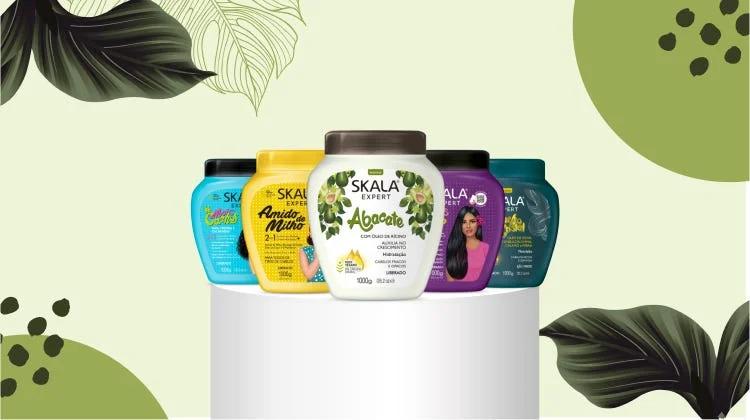
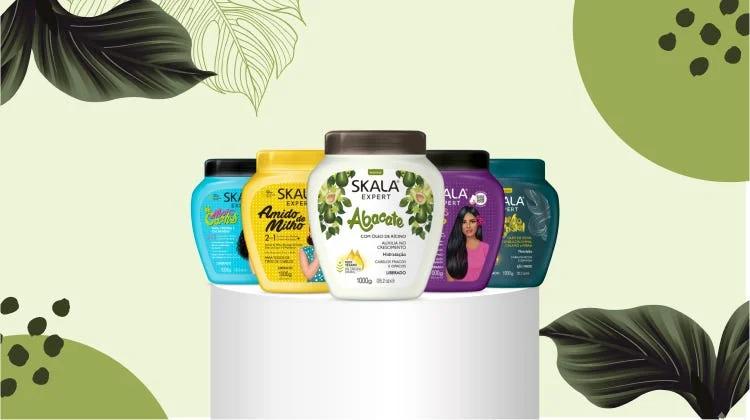
Modern clean formulations have closed this gap dramatically. Skala https://skalabrand.com/ demonstrates that clean ingredients can deliver salon-quality results without compromise, using naturally-derived actives that perform as well or better than synthetic alternatives.
The key was understanding that “natural” and “effective” aren’t mutually exclusive. Plant-based ingredients can deliver transformative results when properly formulated.
Scalp Health Focus
Clean beauty movement has shifted attention from hair strands to scalp health. This makes sense-healthy hair grows from healthy scalps.
Traditional hair care often irritated scalps with harsh detergents and synthetic fragrances. Clean formulations prioritize scalp comfort and health.
This approach produces long-term improvements rather than quick fixes that mask underlying issues.
Sustainability Beyond Ingredients
Clean beauty increasingly encompasses sustainable sourcing, ethical production, and environmentally conscious packaging. Consumers want the entire supply chain to align with their values.
This creates challenges for brands accustomed to opaque sourcing. Transparency requirements extend far beyond ingredient decks.
Skala hair care https://skalabrand.com/ exemplifies this holistic approach, combining clean formulations with sustainable practices throughout production and distribution.
Price Point Evolution
Clean beauty initially carried premium pricing, making it inaccessible to many consumers. As market demand increased, competition drove prices toward conventional product ranges.
This democratization matters. Clean beauty shouldn’t be luxury reserved for affluent consumers.
Brands achieving clean formulations at accessible price points are winning significant market share.
Regulatory Landscape
Beauty product regulation varies dramatically by region. Europe bans many ingredients still permitted in the United States.
This creates complexity for global brands. Do they formulate to the lowest common denominator or create regional variations?
Many are choosing universal standards that meet strictest regulations, simplifying production while exceeding minimum requirements everywhere.
Ingredient Innovation
The push for clean beauty has accelerated botanical research and ingredient innovation. Scientists are identifying plant-based alternatives to synthetic ingredients with comparable or superior performance.
Fermented ingredients, plant stem cells, and bioengineered botanicals represent the cutting edge. These innovations deliver results impossible with either traditional natural ingredients or synthetic chemicals.
This research benefits the entire industry, even brands not fully committed to clean formulations.
Marketing Authenticity
Greenwashing remains a significant problem. Brands slap “natural” or “clean” on products with minimal reformulation, confusing consumers and undermining legitimate clean beauty brands.
Third-party certifications help cut through marketing noise. Leaping Rabbit, EWG Verified, and COSMOS certifications provide external validation.
Consumers are learning to look beyond marketing claims to actual ingredient lists and certifications.
Professional Salon Integration
Hair salons initially resisted clean beauty, fearing performance compromises would affect client results. Professional stylists need products that deliver predictably.
As clean formulations improved, salon attitudes shifted. Many now actively seek clean professional lines.
This professional endorsement significantly impacts consumer adoption. When stylists recommend clean products, clients listen.
The Hair Type Diversity Challenge
Hair care isn’t one-size-fits-all. Different hair types have vastly different needs, and clean formulations must address this diversity.
Textured hair particularly requires specialized formulations. Historical neglect of this market by mainstream beauty created opportunities for clean brands to fill gaps.
The most successful clean hair care brands offer targeted solutions rather than claiming universal effectiveness.
Microbiome Understanding
Emerging research on scalp microbiome is influencing clean formulation approaches. Maintaining healthy bacterial balance matters as much as cleaning hair.
Traditional harsh ingredients disrupted this balance. Clean formulations aim to work with the scalp’s natural ecosystem rather than against it.
This represents a fundamental shift from aggressive cleaning to gentle maintenance of natural balance.
Preservative Innovation
Preservation without parabens challenged formulators for years. Natural alternatives like potassium sorbate and sodium benzoate require careful balancing.
Recent innovations include hurdle technology-combining multiple gentle preservatives rather than relying on one powerful synthetic.
This approach maintains product safety while avoiding controversial ingredients.
Fragrance Transparency
Synthetic fragrance can contain hundreds of undisclosed chemicals. Clean beauty brands are moving toward essential oil blends or complete fragrance transparency.
Some go fragrance-free entirely, letting natural ingredient scents dominate. This isn’t always pleasant but appeals to sensitive consumers.
The trend is toward full disclosure even when using synthetic fragrance, listing actual components rather than hiding behind “fragrance.”
Future Trajectory
Clean beauty’s momentum shows no signs of slowing. Younger consumers particularly expect clean formulations as baseline rather than premium feature.
Brands that haven’t begun reformulation are increasingly at competitive disadvantage. The question isn’t whether to embrace clean beauty but how quickly to make the transition.
This industry transformation represents permanent change rather than temporary trend. Clean beauty is simply becoming beauty.
This release was published on openPR.