To boost the nutrition of store-bought comfort classics, focus on adding protein, fiber, and/or volume, depending on what the dish lacks.Adding volume in the form of veggies makes a dish feel bigger and more satisfying.In most cases, adding nutrition to dishes also means adding more flavor, so the meal will be more satisfying.
When life gets busy, store-bought meals like frozen pizza and boxed macaroni and cheese can be lifesavers. They’re super convenient and often hit the spot when it comes to cravings. But, they aren’t typically known for their stellar nutritional profiles.
Taking advantage of these foods doesn’t mean you have to sacrifice nutrition, says Steph Grasso, registered dietitian and author of the new cookbook Crave, Comfort, Nourish. “There have been many times when I was too busy to cook or I didn’t have access to fresh, healthy foods, but I still wanted to get as much nutrition as possible.” Here, Grasso shares her overarching strategy for making these store-bought meals healthier, plus some of her favorite tricks for instant mashed potatoes, chicken nuggets, and frozen pizza.
Where to Focus
When she’s thinking about how to make any meal healthier, but especially store-bought shortcut meals, Grasso zeroes in on adding protein, fiber, and/or volume. “A lot of times, these shortcuts are more carb-focused, which is perfectly fine. But, they’re not always balanced in a way where you get full circle nutrition.”
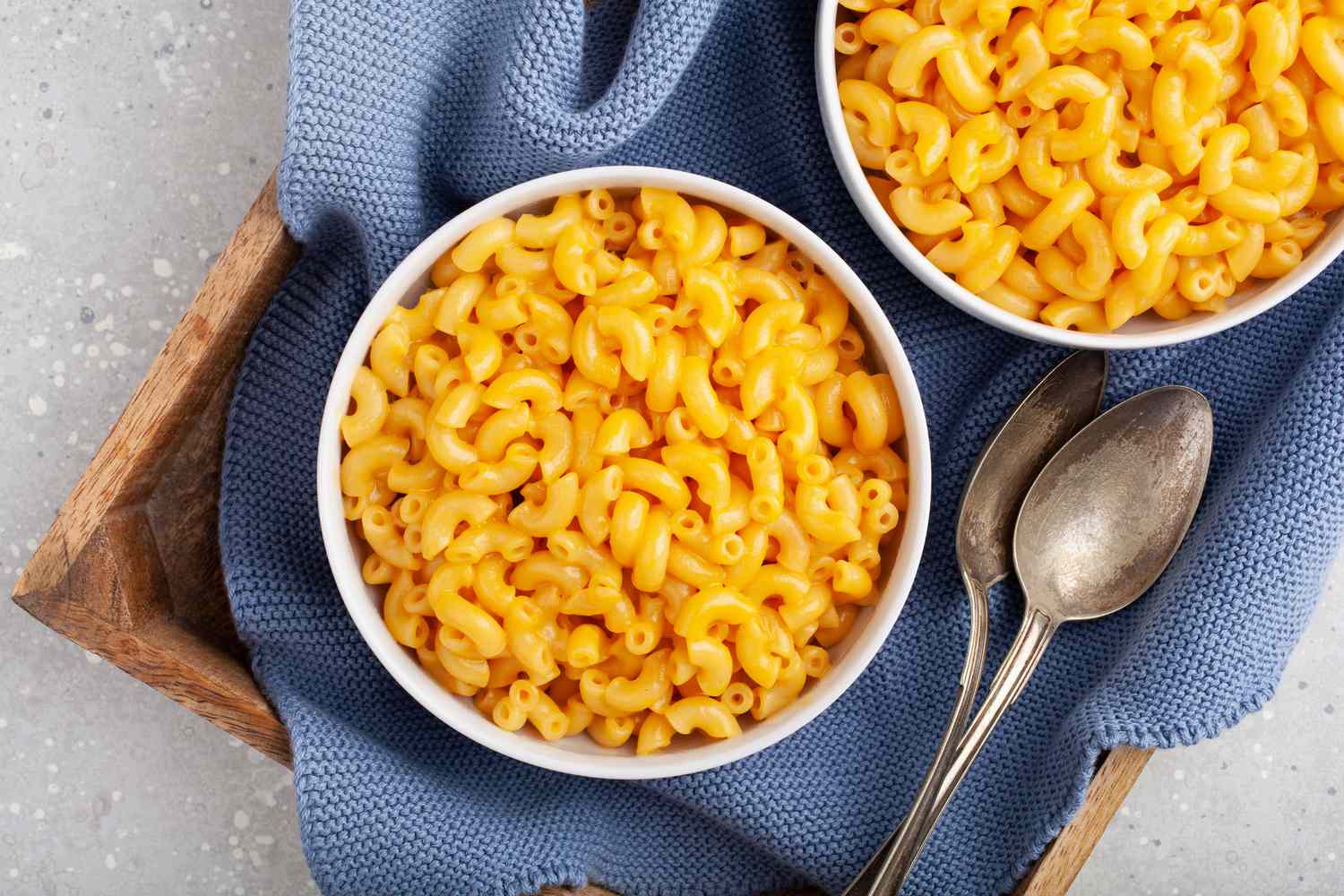
When you’re starting with something carb-heavy, like macaroni and cheese, you’ll want to add all three: protein, fiber, and volume. “Protein helps with fullness and blood sugar stability, so we’re not getting those afternoon crashes. Fiber supports gut health,” she says. As for volume, that’s usually about adding veggies. “That’s what really bulks up your meal and makes it look bigger. When you have a bigger dish in front of you, you feel more satisfied.” And, of course, you also get extra nutrients from those vegetables.
How to Add More Protein, Fiber, and Volume
For adding protein to a store-bought meal, Greek yogurt and beans are Grasso’s go-tos. If she wants a dip—for, say, pizza crust—she’ll mix Ranch seasoning with plain Greek yogurt. “You’re getting about 10 grams of protein right there,” she says.
Canned beans are another favorite, and they provide both protein and fiber. “I preach beans 24-7. Depending on the type of bean, you can get in the neighborhood of 15 grams of protein and 12 grams of fiber from a single cup.” One of Grasso’s favorite strategies is to blend drained and rinsed white beans into a canned soup. She also calls edamame “a hidden gem” and adds it to snacks and salads.
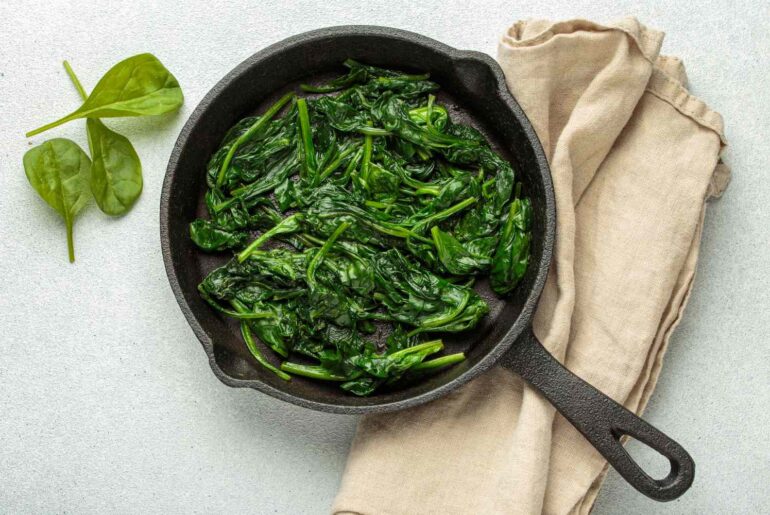
As for adding volume, think of piling on leafy greens, mushrooms, bell peppers, or any other vegetable that you like, have on hand, and that goes with the meal.
Doctor Up Instant Mashed Potatoes
Grasso says that figuring out how to healthy up instant mashed potatoes for her cookbook was a fun project. Her top priorities were to add protein and fiber, and she did that by getting her two favorites into the mix: beans and Greek yogurt.
“If you smash Great Northern or cannellini beans and stir them into the potatoes, you get that starchy texture like you have with homemade potatoes, but with plenty of fiber and protein,” she says. For perfectly smooth beans, she suggests blitzing the beans in the food processor. “Or, just smash them with the bottom of a mason jar.”
At the end of cooking the spuds, Grasso stirs in Greek yogurt as a stand-in for sour cream. “It gives that same tartness and consistency.”
Make Chicken Nuggets a Meal
These crispy fan favorites actually need carbs (and fiber) to make them a complete meal, says Grasso. “And they need more volume. I can down so many chicken nuggets and still not be satisfied.” Her solution is to make the nuggets the main ingredient in a wrap.
She suggests starting with a whole wheat wrap for more fiber, adding six to eight nuggets, and then loading it all up with veggies, such as avocado, salad greens, cucumber, and bell pepper. The veggies are flexible—add whatever you like and have on hand. What really ties the wrap together, and adds some extra protein, is a creamy sauce made with Greek yogurt and Ranch seasoning. Grasso also tosses the nuggets in store-bought buffalo sauce once they’re finished cooking to max out on flavor.
Upgrade Frozen Pizza
“A frozen pizza is like a blank canvas,” says Grasso. Then it’s all about the layering. She usually puts veggies on first, such as sliced onion, a little baby spinach, and sliced mushrooms. “Then some olive oil for healthy fats, and then some protein. I love kielbasa, but rotisserie chicken works well, too.”
In Crave, Cook, Nourish, Grasso shares another tip that’s all about adding flavor to frozen pizza. Before baking, brush the crust with seasoned olive oil. To go further, sprinkle on Parmesan cheese, red pepper flakes, or “everything” seasoning. The crust will brown beautifully, and the pizza will have extra pizzazz.
In fact, almost all of Grasso’s ideas for adding nutrition to store-bought meals also add something just as important: flavor. Grasso says that one thing she notices as a dietitian is that when people are trying to eat more healthfully, they often replace foods instead of adding nutrient-rich ingredients to meals. “For example, people will replace pasta with zucchini noodles and never really feel satisfied. It’s so much lighter, and there’s no flavor.” That’s not sustainable for most people, she says. “With this method of adding, you feel good all around, not just nutrition-wise. Because when something tastes good, you truly feel satisfied.”