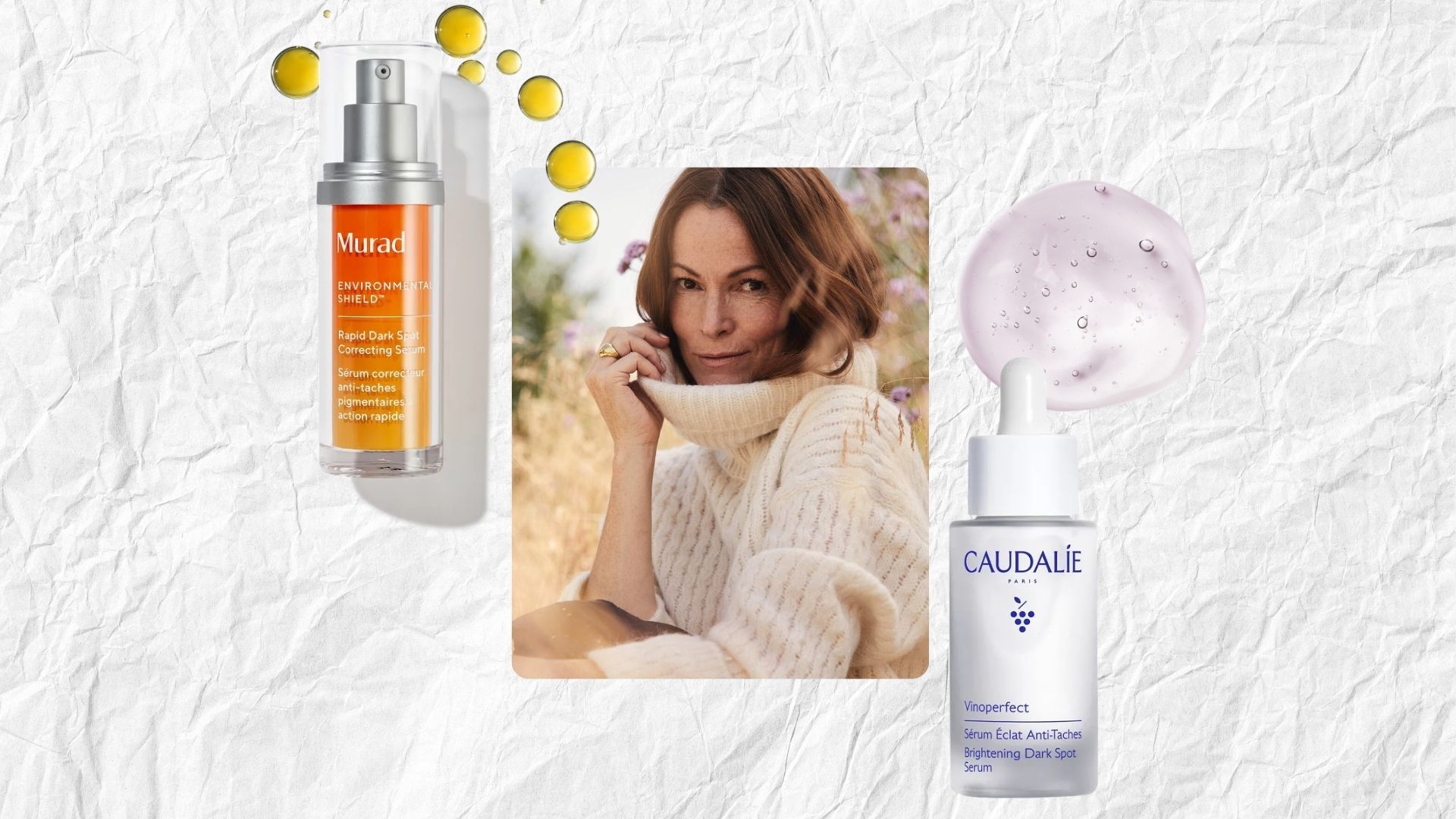
If age spots or general skin discoloration are bothering you, then this is the perfect time of year to start the battle.
Although UVA rays from the sun can play a key role in aggravating pigmentation, starting a pigmentation treatment plan before summer hits, when we’re less likely to be outside as much, gives you a head start.
Pigmentation is formed because ‘generally, UV rays,
hormones or inflammation tell melanocytes in our skin to make more melanin and distribute it differently into skin cells,’ explains facial aesthetics doctor Dr Maryam Zamani. ‘That pigment sits in the epidermis and sometimes even the dermis of the skin. The depth of the pigment determines how easy it is to treat.’
You may like
Which skincare ingredients can fade pigmentation?
Many topical ingredients can reduce pigmentation by blocking pigment production, speeding up skin turnover, or reducing inflammation. Traditionally, Hydroquinone was seen as the best ingredient for clearing pigmentation under medical guidance, but now there are plenty of newer alternatives that don’t require a prescription.
‘Azelaic acid and topical tranexamic acid are my personal favourites for the treatment of melasma or post-inflammatory pigmentation,’ says Dr Zamani. ‘But retinoids, niacinamide, vitamin C (ascorbic acid) and kojic acid can all be useful in combination regimes.’
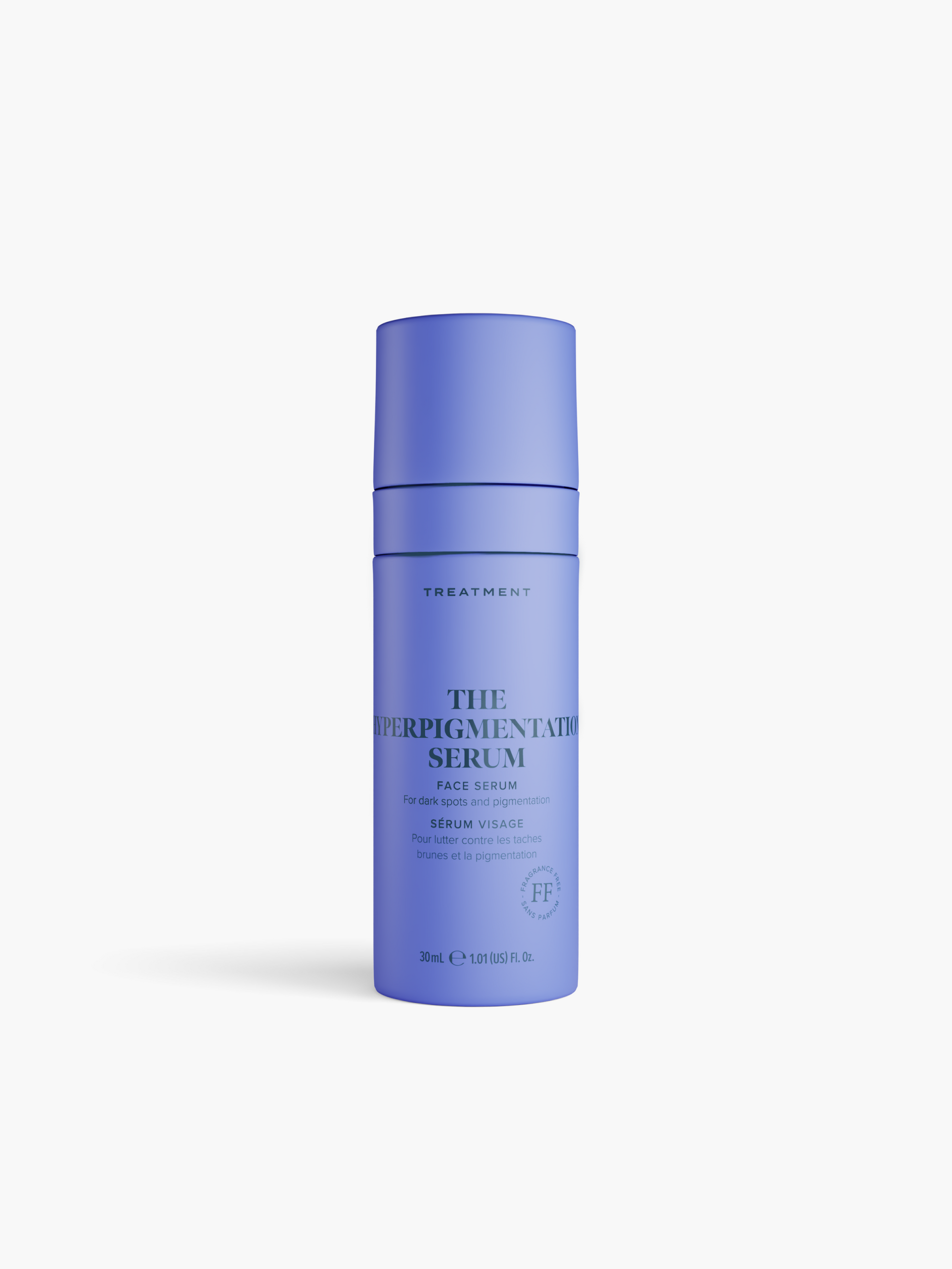
Skin Rocks
The Hyperpigmentation Serum
This formula not only helps to fade dark spots and marks, but it also evens out redness. This is thanks to a combination of ingredients that include antioxidants, peptides, vitamin C, niacinamide, and hexylresorcinol and ethyl linoleate, a duo that works together to lighten darkened areas of skin.
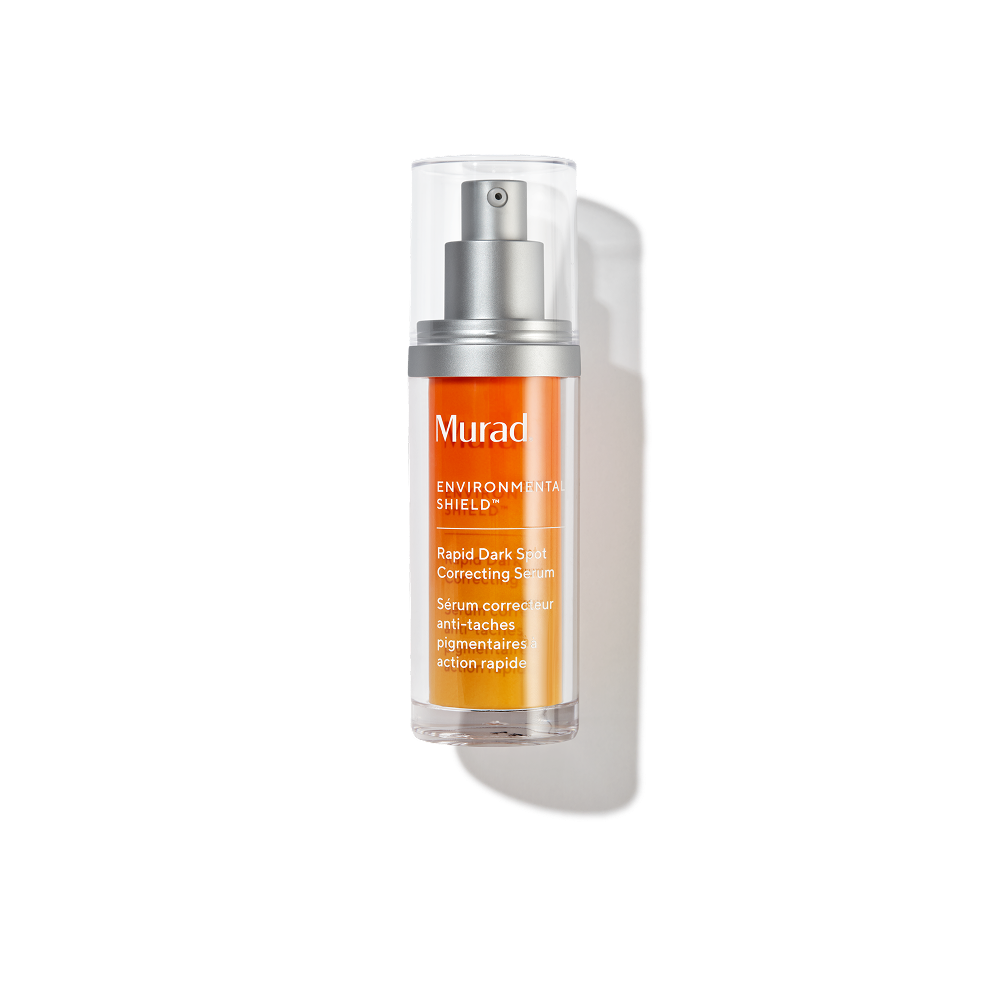
Murad
Rapid Dark Spot Correcting Serum
Enhance skin radiance with this combination of tranexamic acid, glycolic acid, and an antioxidant called resorcinol, which helps with skin brightening. In trials, users noticed brighter, smoother skin and saw a marked difference in pigmentation reduction in just two weeks of use.
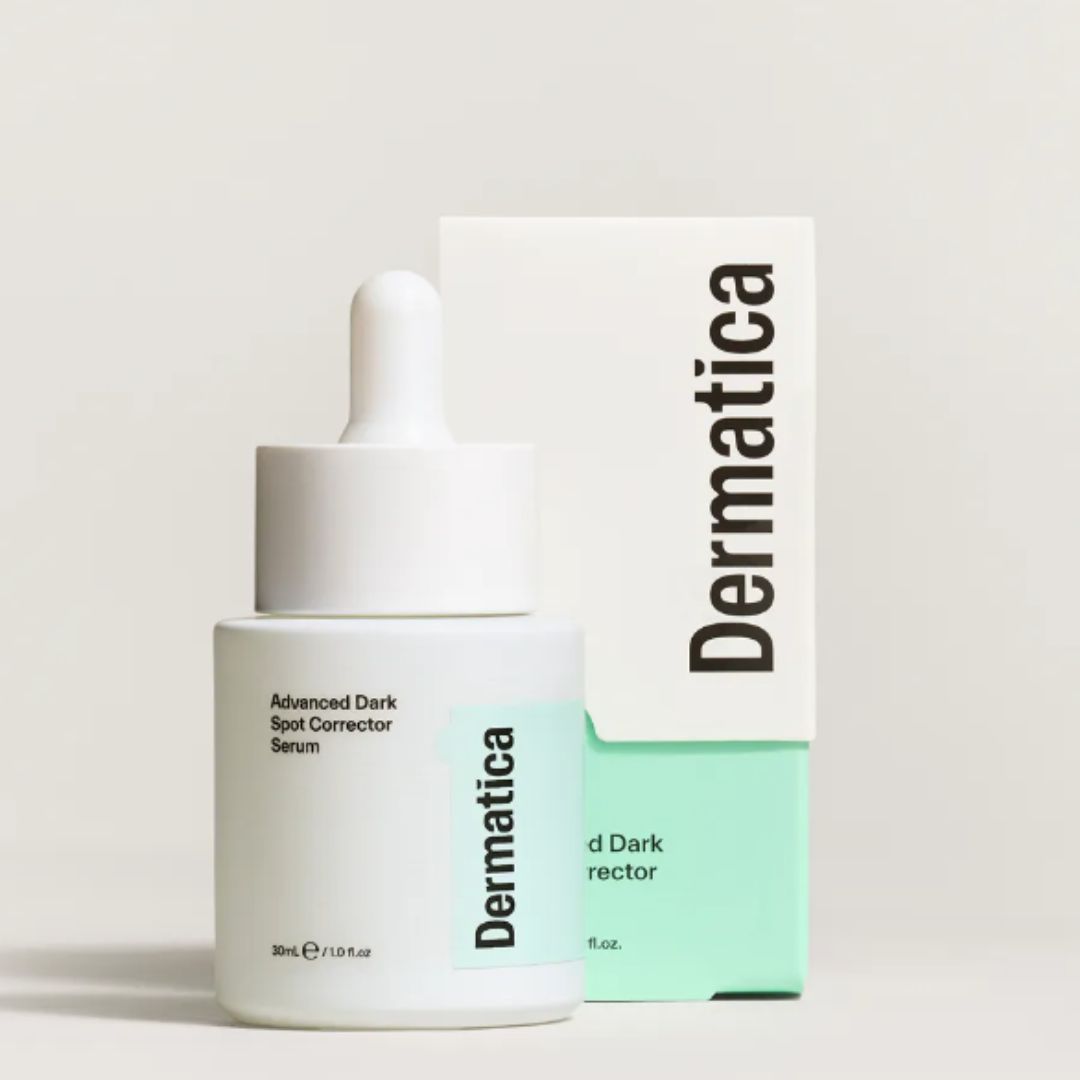
Dermatica
Advanced Dark Spot Corrector Serum
This potent serum targets all kinds of pigmentation thanks to its blend of three actives: kojic acid to help lighten dark spots, glycolic acid to exfoliate dead skin, and tranexamic acid to even out and brighten the skin
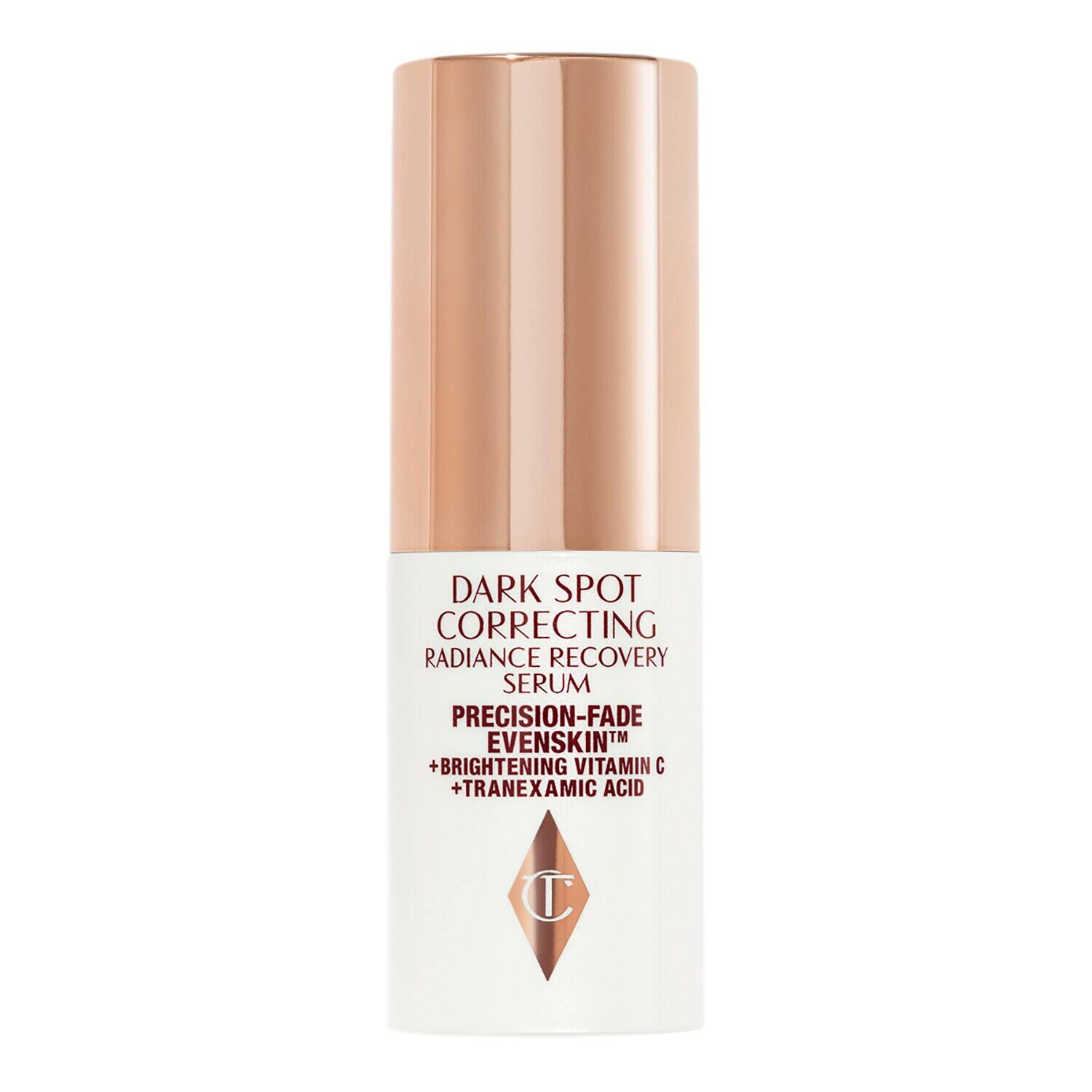
Charlotte Tilbury
Dark Spot Correcting Radiance Recovery Serum
Designed to tackle all kinds of pigmentation, from hormonal and acne to sun spots, this serum blends microalgae extracts with vitamin C and tranexamic acid to brighten the skin, fade dark marks and calm redness.
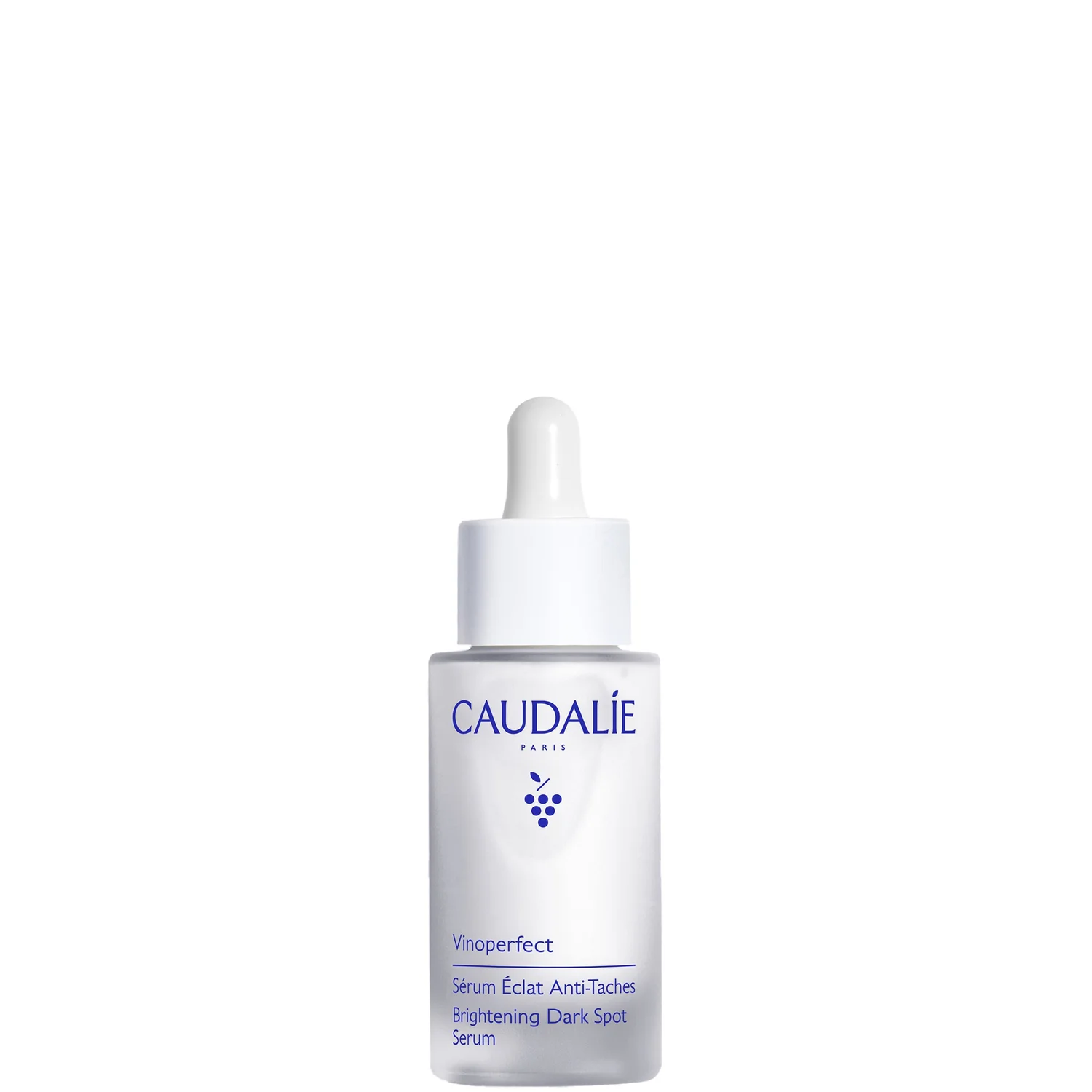
Caudalie
Vinoperfect Brightening Dark Spot Serum
The ingredient at the heart of this formula is called Viniferine, derived from vine sap. It is 43% more effective than niacinamide and 62 times more effective than vitamin C, visibly fading pigmentation by up to 63% by helping to regulate the enzymes in the skin that produce melanin.
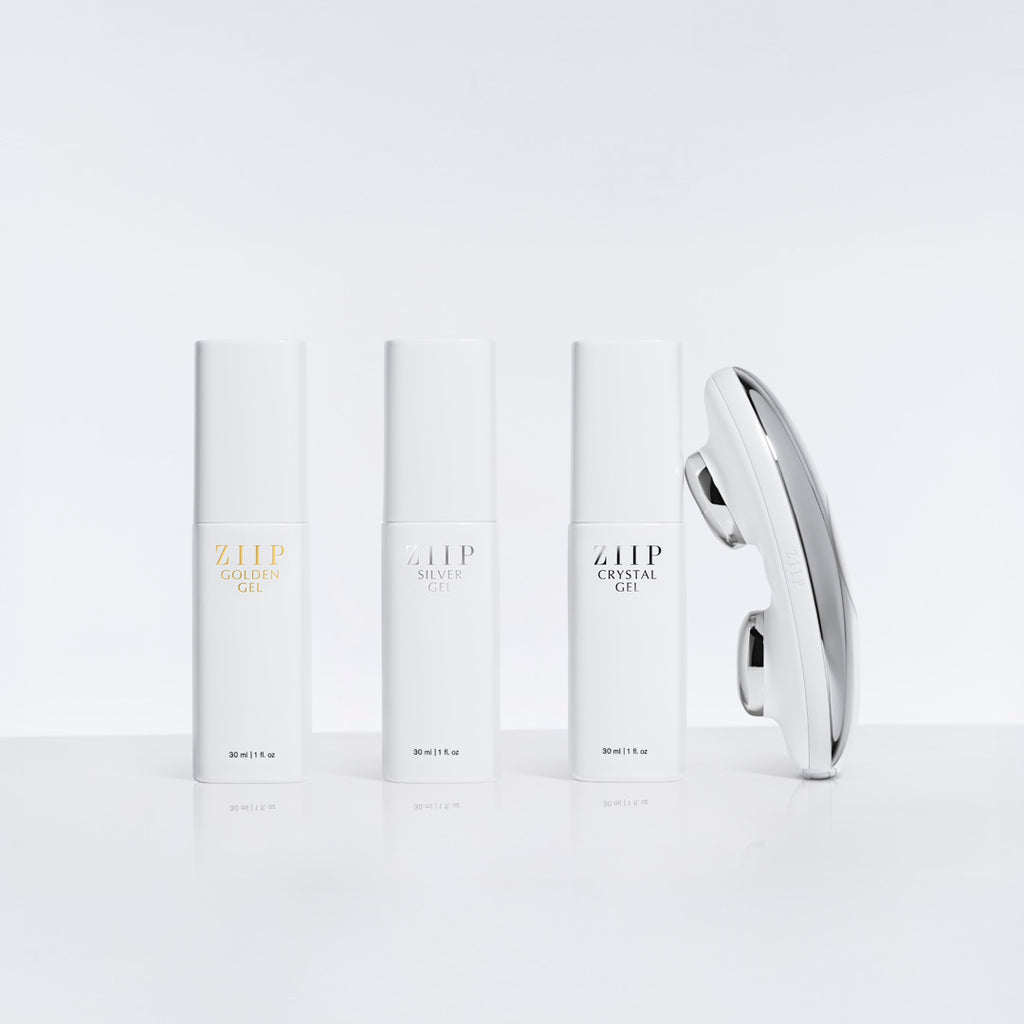
ZIIP BEAUTY
Ziip Halo 2.0
Whilst not a serum, this microcurrent device, if used daily, helps to supercharge your skin’s natural repair processes as well as improve blood flow and oxygen to the skin, which can flush out melanin build-up and fade dark spots over time. Keen to know more? Our beauty editor’s Ziip Halo review has everything you need.
Dr Maryam’s top tips for treating pigmentationIt takes patience
Treatments take time to make a difference. With consistent daily use of active ingredients, first visible changes often take 4-8 weeks. More
meaningful improvements typically take 8-12 weeks or longer. But some pigmentation may require months of treatment and maintenance.Be consistent
Pigmentation can easily return. Using the best facial sunscreen daily and the correct strengths and formulations of topical therapies can keep pigment suppressed. I always recommend a long-term maintenance plan after initial clearing.Try in-clinic treatments
Chemical peels can speed up pigment shedding. Fractional and non-ablative lasers, IPL or BBL can also be effective. Microneedling and radiofrequency microneedling can be helpful adjuncts to your skincare.See an expert
Darker skin (Fitzpatrick III–VI) can have a higher risk of post-procedure hyperpigmentation with some treatments, such as chemical peels, lasers and IPL. So be cautious and seek out the right
experts experienced in treating darker phototypes.With expertise from With expertise from
Dr Maryam Zamani
Oculoplastic Surgeon and Facial Aesthetics Doctor
Dr Maryam Zamani is a world-renowned Oculoplastic Surgeon and Facial Aesthetics Doctor, with extensive experience treating a multitude of skin concerns from her London clinic.