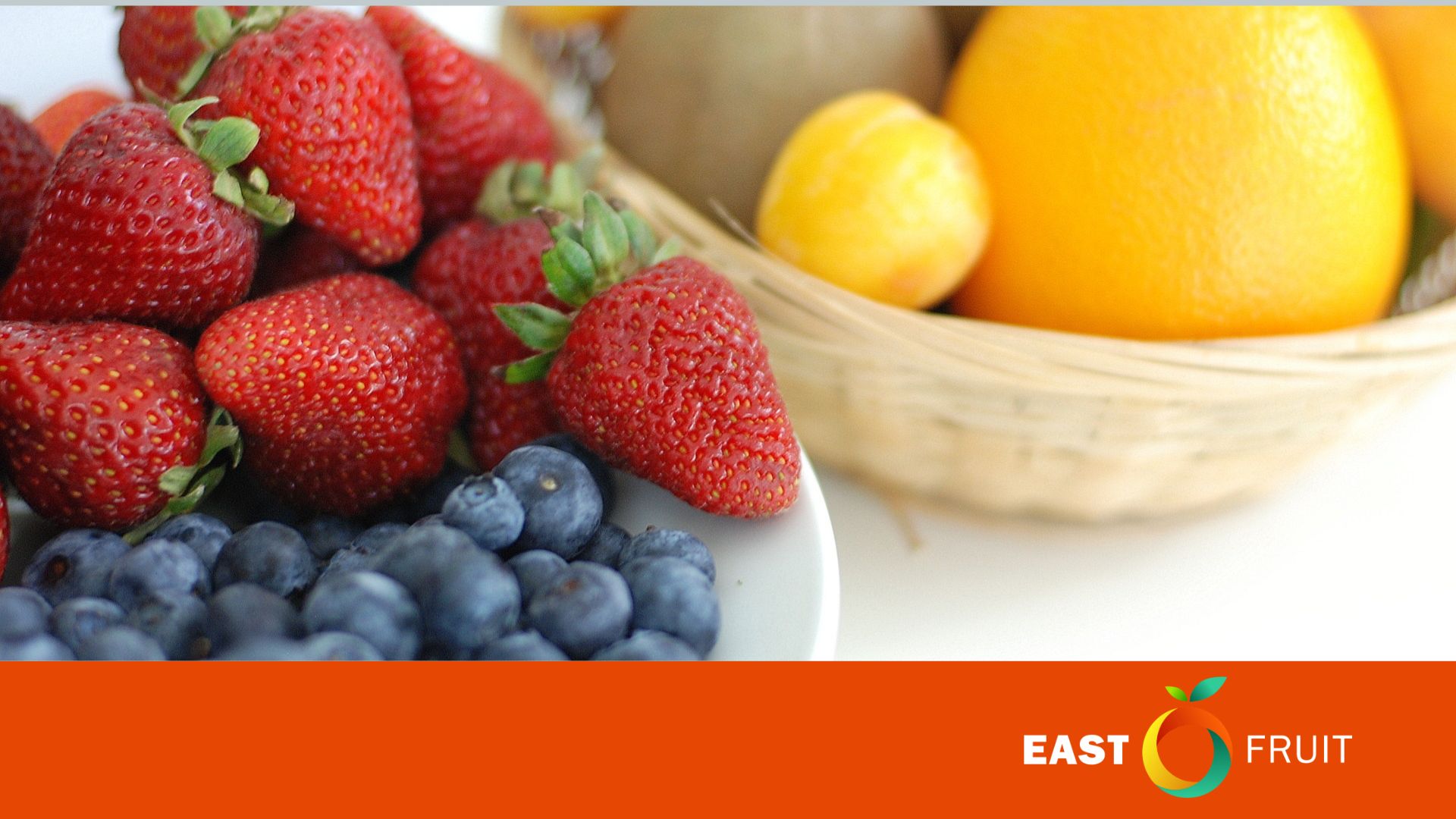
Fruits have traditionally been perceived as an essential component of a healthy diet. However, modern scientific research shows that their benefits extend far beyond simply providing vitamins. Fruits contain a complex of biologically active compounds — antioxidants, polyphenols, dietary fiber, minerals, and phytonutrients that influence immunity, metabolism, cardiovascular health, and even aging processes, EastFruit writes.
For the fruit and vegetable sector, this topic also has clear economic relevance: growing demand for products associated with healthy lifestyles is one of the key drivers of global fruit and berry market development.
Why fruits are beneficial: key components
The health benefits of fruits are determined by three main groups of compounds.
Antioxidants. Polyphenols, flavonoids, carotenoids, and anthocyanins protect cells from oxidative stress — a process associated with chronic diseases and aging. Studies confirm that diets rich in polyphenols may reduce the risk of cardiovascular and metabolic disorders (ScienceDirect).
Dietary fiber. Fiber supports gut health, helps regulate blood glucose and cholesterol levels, and is associated with reduced risks of obesity and cardiovascular diseases (PMC, National Institutes of Health).
Vitamins and minerals. Fruits are an important source of vitamin C, potassium, folate, and other micronutrients essential for the proper functioning of the immune and nervous systems.
According to a meta-analysis of 95 studies, each additional 200 grams of fruits and vegetables per day is associated with an 8% reduction in the risk of heart disease, a 16% reduction in stroke risk, and a 10% reduction in premature mortality (European Food Information Council, EUFIC). This is why the World Health Organization recommends consuming at least 400 grams of fruits and vegetables daily.
Berries – leaders in antioxidant value
Blueberries, raspberries, blackberries, strawberries, and other berries contain some of the highest concentrations of antioxidants among all foods. Anthocyanins, which give berries their dark color, are associated with improved cognitive function, reduced inflammation, and better cardiovascular health.
For the berry industry, this is particularly important, as scientifically proven health benefits significantly contribute to the high market value and global demand for berries.
Apples – an accessible fruit with proven benefits
Apples remain among the most widely consumed fruits in the world. They contain pectin, a soluble fiber that positively affects cholesterol levels and gut microbiota, as well as polyphenols with antioxidant properties.
Importantly, a significant portion of beneficial compounds is concentrated in the fruit peel.
Citrus fruits – immune and vascular support
Oranges, mandarins, and grapefruits are key sources of vitamin C and flavonoids. These compounds may improve vascular function and reduce the risk of cardiovascular diseases.
Demand for citrus is strongly supported by their image as immunity-boosting products, particularly after the COVID-19 pandemic.
Pomegranate – a polyphenol powerhouse
Pomegranate is characterized by a high concentration of antioxidants, particularly punicalagins, which may reduce inflammation and support cardiovascular health. Some studies suggest that the antioxidant activity of pomegranate juice may exceed that of green tea.
Kiwi – high in vitamin C and fiber
Kiwi contains significant amounts of vitamin C, fiber, and antioxidants. Its consumption is associated with improved digestion and immune response, which also contributes to growing demand in international markets.
Bananas – a source of potassium and energy
Bananas provide potassium — a key mineral for regulating blood pressure and maintaining proper heart function. They also contain prebiotic fiber that supports a healthy gut microbiome.
Avocado – a fruit with healthy fats
Avocados are distinguished by their high content of monounsaturated fats, which may reduce levels of “bad” cholesterol and improve the absorption of fat-soluble vitamins. These properties have been a major factor behind the rapid growth of the global avocado market over the past decade.
Diversity matters more than a single “superfruit”
Scientists agree that diversity plays the key role in fruit consumption. Different fruit colors correspond to different groups of phytonutrients:
Combining different fruits provides the greatest health benefits.
Growing consumer interest in healthy eating creates additional opportunities for fruit and berry producers. Nutrient-dense products — berries, apples, citrus, pomegranate, kiwi, and avocado — have the strongest marketing potential due to scientifically proven health benefits and a positive consumer image.
Regular consumption of fruits in amounts of at least 400 grams per day, according to WHO recommendations, is associated with reduced risks of chronic diseases and mortality, making the fruit and vegetable sector an important component of the global public health system.
Under these conditions, it is increasingly important for producers not only to grow high-quality products but also to communicate their value effectively to consumers — through origin stories, science-based benefits, branding, and promotion in international markets.
The EastFruit team has many years of experience supporting producers, exporters, and industry associations in marketing, communications, and building the international image of fruit and vegetable products. The platform helps companies increase brand awareness, promote products in global markets, find partners, and communicate the key benefits of fruits and vegetables as healthy foods to consumers.
For producers, this means an opportunity not only to respond to growing demand but also to actively shape it by using professional industry marketing tools and international communication strategies.
The use of the site materials is free if there is a direct and open for search engines hyperlink to a specific publication of the East-Fruit.com website.