CHICAGO—Prevent Blindness has named March Workplace Eye Wellness Month, its annual observance offering free educational resources to employees and employers on ways to keep eyes healthy and protected in the workplace. Prevent Blindness has made a series of resources available, including workplace eye safety fact sheets, shareable social media graphics, webpages on preventing eye injuries at work and digital devices and the eyes, and a Workplace Safety module as part of its Healthy Eyes Educational Series. “Workplace Eye Wellness Month reminds us that protecting vision should be a priority wherever people work—whether in offices or on job sites,” said Jeff Todd, president and CEO of Prevent Blindness.
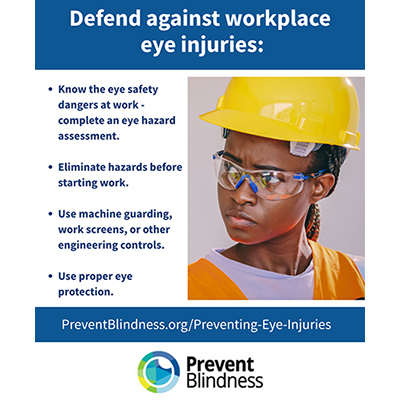
Workplace eye wellness is different depending on employees’ workplaces. Those who work in industries such as construction, manufacturing, metalworking, agriculture and occupations requiring chemical-handling, are at a higher risk for eye injuries without the use of proper eye protection, Prevent Blindness said. Types of occupational eye injuries in these workplaces can include corneal abrasions, blunt eye trauma, penetrating injuries and eye burns from chemicals, radiation or extreme heat.
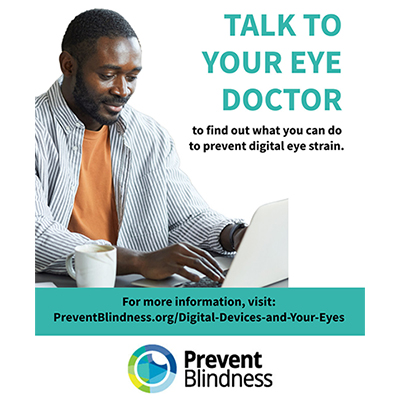
Those who work in an office environment using digital screens, including computers, tablets and smartphones, may be at a higher risk for digital eyestrain, also known as computer vision syndrome, according to Prevent Blindness. Symptoms can include blurred vision, dry eyes and headaches along with back, neck and shoulder stiffness and pain, according to the Cleveland Clinic and Prevent Blindness.
Prevent Blindness also shared new data from the 2026 Workplace Vision Health Report, recently released by VSP Vision Care, that shows a disconnect between workers and employers, with only a quarter of survey respondents believing that their company cares a great deal about their eye health.
Other findings from the report include:
Eighty-one percent of Human Resources (HR) leaders say their company promotes the use of protective eyewear such as safety glasses, sunglasses, or glasses designed to reduce glare from screens or bright lights. However, less than half (45 percent) of workers agree.
Only 34 percent of workers say their company encourages eye breaks—short pauses from screens or close-up work that can help reduce eyestrain and fatigue.
Thirty-two percent of workers say their company offers information on optimizing the workplace to help minimize eyestrain, for example guidance on computer setup, lighting, ergonomic furniture, temperature, or humidity.
Desk workers are now getting almost 100 hours of screen time each week. On weekdays, desk workers report spending an astounding 93 percent of their waking hours looking at screens.
For the first time, the report also included non-desk workers, whose roles occur outside a traditional office setting. The research found that many of these workers also report experiencing screen time impacts.
One in four employees say they have taken time off from work due to digital eyestrain. On average, workers report taking 4.5 days off each year due to digital eyestrain.
“As we recognize Workplace Eye Wellness Month, it’s a timely reminder that in today’s digital world, proactive eyecare is critical,” said Dr. Valerie Sheety-Pilon, VSP Vision Care senior vice president of clinical and medical affairs. “When employers rethink vision care and create eye-friendly workplaces, they strengthen employee well-being and, in turn, support higher employee engagement and productivity.”
The VSP Vision Care 2026 Workplace Vision Health Report is available to download here.