World Teen Mental Wellness Day 2026 (Getty Images)
Life is difficult. It is especially difficult when one is young and does not yet possess the discipline or experience to understand that difficulty is normal. Every year on March 2, the world observes World Teen Mental Wellness Day to raise awareness about the emotional struggles faced by adolescents. This year, particular attention is being given to two powerful forces shaping the inner lives of young people: Artificial Intelligence and extreme social media content.
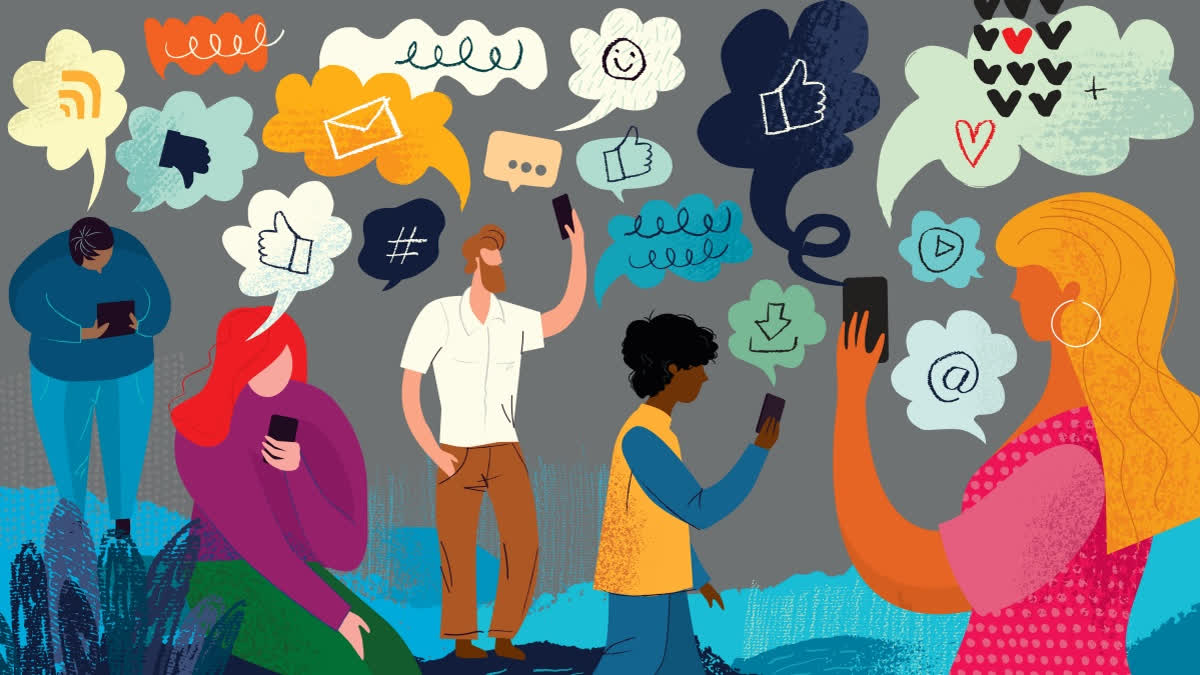
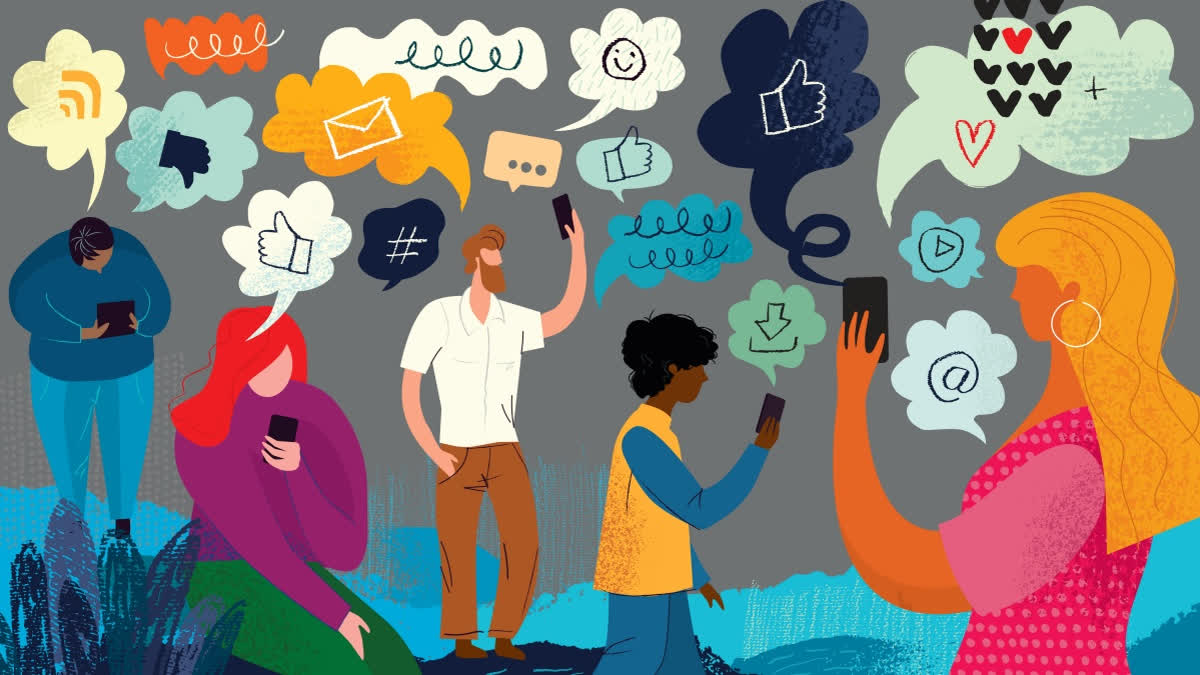
Before the alarm rings in the morning, many of us instinctively reach for our phones. Even if there are no notifications, we feel as though something is missing. If adults experience this subtle anxiety, imagine the condition of teenagers who have grown up entirely within this digital landscape. For many adolescents today, unseen faces behind screens and AI systems have become more constant companions than the people sitting beside them. Though physically present at home, their minds often wander in the endless swirl of social media feeds.
A single “like” can elevate their mood for the day. A minor act of exclusion can plunge them into disproportionate sadness. What began as a tool for communication has gradually become an emotional authority. Numerous studies warn that the internet now influences not only what teenagers think, but also how they feel about themselves.
AI As A Silent Confidant
Approximately 64% of today’s teenagers use AI tools. These systems assist them with homework, answer their questions, and even help them learn new skills. More concerning, however, is the growing tendency for adolescents to confide in AI chatbots about personal struggles they feel unable to share with anyone else. They believe AI is “judgement-free.” It responds instantly. It does not criticize or interrupt. But herein lies the danger.
When a teenager begins to treat the response of a software program as truth (or worse, as life guidance), they surrender a portion of their own judgement. An emotionless algorithm becomes a primary source of emotional reassurance. In doing so, young people risk distancing themselves from real human relationships.
Human maturity develops through dialogue, disagreement, patience, and vulnerability. AI offers speed, but not wisdom. When adolescents substitute programmed responses for authentic human connection, their ability to manage complex emotions and develop independent thinking may weaken. Technology is a tool. It must never become a surrogate for human attachment.
Trap of Comparison
Social media platforms have evolved beyond entertainment. They now function as arenas where identity is constructed and evaluated. Teenagers scroll through carefully curated “perfect” photographs and inevitably compare themselves. They compare faces, bodies, achievements, friendships, lifestyles. New trends amplify insecurity about appearance and self-worth.
A research study titled The Impact of Social Media on the Mental Health of Adolescents and Young Adults found that approximately 27% of young people report a decline in self-confidence due to such content. The tragedy is distortion. What adolescents see online is polished, filtered, and often manufactured. Yet they measure their unedited lives against these illusions. Some even begin using cosmetic products with harsh chemicals at a young age in pursuit of unrealistic beauty standards. The physical consequences are concerning, but the emotional consequences (shame, inadequacy, self-criticism) are deeper. Comparison is the enemy of contentment. For a developing mind, constant comparison is psychologically corrosive.
Oversharing And Emotional Vulnerability
Teenagers also feel compelled to share every detail of their lives online. This culture of oversharing increases vulnerability to online scams and cyber threats. Research published through Harvard indicates that individuals who spend excessive time online are nearly twice as likely to face security threats compared to others. Yet the danger extends beyond cybercrime.
When a young person falls victim to online fraud or harassment, the emotional impact can be severe: fear, humiliation, distrust. Such experiences can quietly erode mental stability. Adolescence is already a period of heightened sensitivity. Digital trauma compounds it.
The Role of Parents and Adults
It is unrealistic to attempt to remove technology entirely from the lives of teenagers. The World Health Organization acknowledges this reality. The task is not elimination but guidance. Instead of asking, “How many hours did you spend on your phone today?” consider asking, “What did you see online today that interested you or upset you?” Such questions invite dialogue rather than accusation. Adolescents must understand that AI is an information tool. It cannot replace human empathy. It cannot feel. It cannot truly understand suffering.
Discipline Of Awareness
Limiting phone usage at night can significantly reduce stress and improve sleep. Encouraging device-free family time restores connection. Most importantly, teenagers must be reminded that the lifestyles displayed on social media are often curated and exaggerated.
The mental wellness of teenagers depends not only on external controls but on internal discipline. They must be taught that discomfort, insecurity, and confusion are part of growth. They must learn to tolerate emotional difficulty without escaping into screens. The digital world is powerful. It can educate and connect but it must not govern.
References:
Read more:
Packaged Foods Are Slowing Down Gen Z And Gen Alpha’s Minds, What Is The Situation In India?A Simple Step-By-Step Guide To Journaling For Mental Health9 Easy Tips To End Doom Scrolling On Your Phone, And Start Living