Eating fruits rich in antioxidants is one of the simple and tasty ways to reduce the risk of chronic diseases. Antioxidants are compounds that protect cells from oxidative stress, a process in which unstable molecules damage cells over time. Such accumulated damage can affect tissues and organs and increase the risk of heart disease, cancer, and various inflammatory conditions.
It is important to emphasize that every fruit contains antioxidants, so any addition of fruit to the diet is welcomed. However, some fruits are particularly outstanding for their high content of protective compounds. With the help of clinical dietitians, we have compiled five notable fruits worth knowing.
Blueberries
Blueberries are considered stars when it comes to antioxidants. They are particularly rich in anthocyanins, natural pigments that give them their deep blue-purple color. These compounds help reduce inflammation in the body and may lower the risk of heart disease and certain types of cancer.
In addition, blueberries are rich in vitamin C, a water-soluble antioxidant that supports collagen production, strengthens the immune system, and protects cells from damage.
How to include in the diet: Blueberries can be added to yogurt, oatmeal, or a fruit smoothie. They also fit well in homemade baked goods or as an addition to quinoa for breakfast.

Oranges
Oranges are a well-known source of vitamin C, but they also contain flavonoids and carotenoids, additional antioxidant compounds that contribute to reducing inflammation and boosting the immune system. Carotenoids are also what give the fruit its orange color.
Beyond antioxidant content, oranges provide fluids and dietary fiber, which contribute to satiety and proper digestion.
How to include in the diet: Orange segments can be added to vegetable or leafy salads, squeezed into water for natural flavor, or blended into a smoothie with milk or yogurt. Lightly heating them in a pan with a little honey can also turn them into a simple and impressive dessert.
Blackberries
Blackberries are another dark fruit that excels in anthocyanins as well as flavonoids, resveratrol, and ellagic acid, all of which have antioxidant activity. Additionally, they are rich in dietary fiber, supporting digestive health and blood sugar balance.
Their high fiber content also helps with satiety, making blackberries a suitable nutritious snack.
How to include in the diet: Blackberries can be added to salads, oatmeal, yogurt, or smoothies. They can also be mashed into a natural sauce for desserts or incorporated into baked goods.
Red Grapes
Red grapes contain resveratrol, a plant-based antioxidant compound studied in relation to heart health. Resveratrol helps neutralize free radicals and may contribute to lowering blood pressure and reducing bad cholesterol. In addition, grapes contain ellagic acid, which reduces oxidative stress and inflammation.
Interestingly, grape seeds also contain resveratrol, so those seeking an extra antioxidant boost can choose grapes with seeds.

How to include in the diet: Grapes can be eaten as a snack, frozen for a refreshing summer treat, or added to grain and leafy green salads. They also work well in both sweet and savory baked goods.
Pomegranate
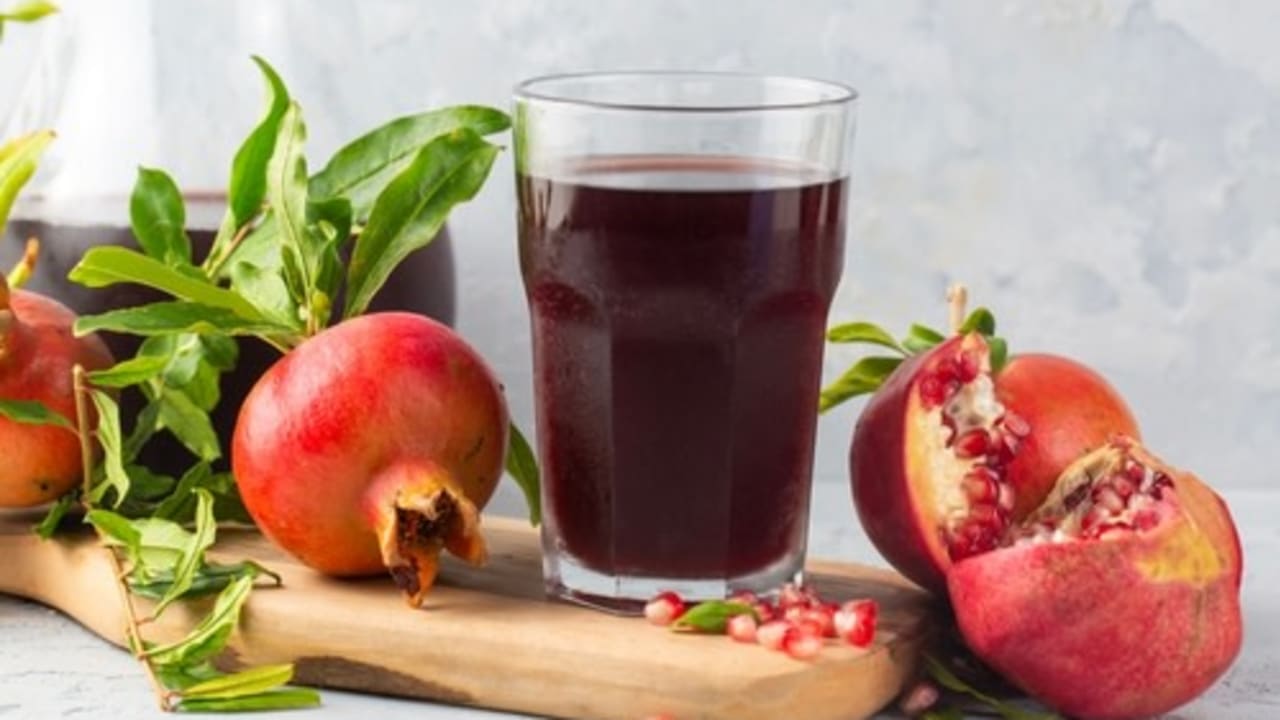
Pomegranate is considered one of the fruits richest in antioxidants, especially punicalagins and ellagic acid. These compounds are known for their anti-inflammatory activity and support heart and skin health. Pomegranate also provides potassium and dietary fiber, which contribute to blood pressure balance and proper digestion.
How to include in the diet: Pomegranate seeds can be added to yogurt, a bowl of cereal, or a salad. They also pair well with roasted vegetables or as a sweet-and-tangy seasoning for meat dishes.
Not Just Fruits
Alongside consuming antioxidant-rich fruits, it is important to remember that a balanced diet including fiber, unsaturated fats, and quality protein also contributes to reducing disease risk. An active lifestyle, adequate sleep, and stress management are integral to maintaining body health.
The central message is simple: Color on the plate is a good indicator of antioxidant presence. Including a variety of colorful fruits in the daily diet can provide the body with an additional layer of protection over time.