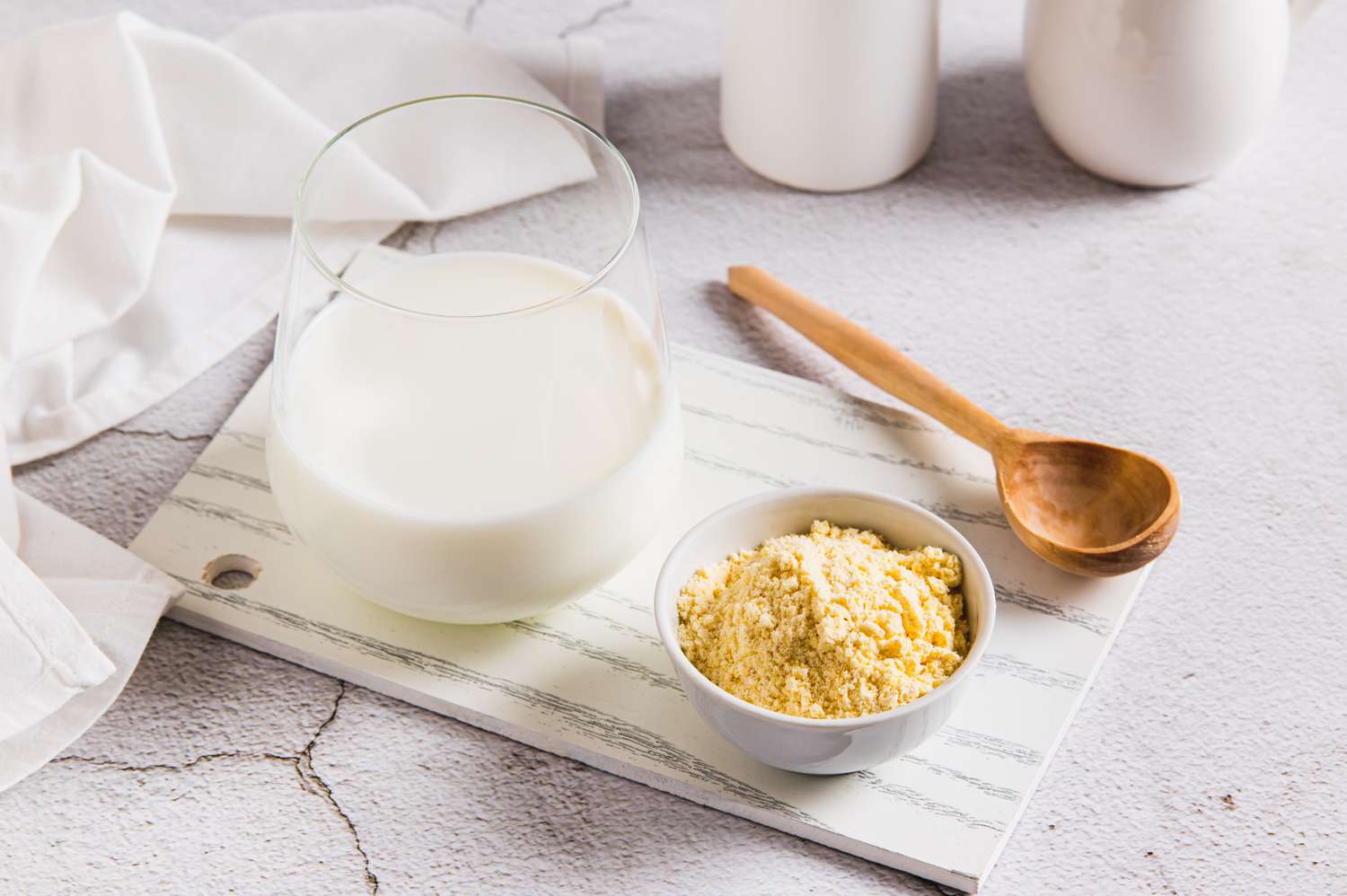
Colostrum powder has gained popularity as a supplement, and some claim that it supports immunity, gut health, muscle growth, and more.
But the research on colostrum powder isn’t strong enough to suggest it’s worth your money. To learn more about what colostrum powder does—and whether you should try it—we spoke with Matthew Badgett, MD, a primary care provider at the Cleveland Clinic.
*This interview has been edited and condensed for clarity and length.
Q: What is colostrum powder? Why are people taking it?
Badgett: Colostrum is the first product produced by mammary glands right after giving birth. It’s believed to have unique immune properties that help a newborn mammal transition to milk. Colostrum has fewer calories than milk and is mostly water, electrolytes, and antibodies.
Bovine colostrum is particularly important to calves because they need the antibodies in colostrum to protect them. In cows, antibodies do not cross the placenta, and their immune systems take two to four weeks to mature. But humans have placental barriers that protect them for the first six months of life.
This means cows’ colostrum has unique properties that human colostrum may lack.
In recent years, many adults have started taking it as a supplement. Since breast milk has immune properties that help a baby’s immature digestive tract grow and work better, some people think non-human colostrum could protect adults’ digestive tracts in a similar way. However, I don’t think it necessarily has the same effect in adults.
We don’t have an abundance of high-quality research on colostrum powder. Instead, we have small studies that include self-reported data. Another issue in the research is that the dose, duration, and placebo are all over the place, making it hard to compare. Many studies show significance in small groups, while others don’t.
Many studies on colostrum powder are widely misinterpreted, skewing public perception of what it can realistically do.
A study published in 2014 involved giving colostrum powder or a placebo to active young men. The participants who received a placebo had more bacteria in their mouths. The study authors then argued that this suggests colostrum prevents bacteria levels from increasing. But my read is that the placebo—which was ultra-processed—increases oral bacteria, and colostrum does not.
Colostrum may benefit your health. It may reduce upper respiratory infections and gastrointestinal symptoms—emphasis on may. I’m not saying there is no benefit, but the current evidence is not convincing.
As long as it’s pasteurized, it’s likely safe to try colostrum powder if you’re curious about it. Worst-case scenario: you are buying functional milk powder, which is safe. Best-case scenario: you may clinically benefit with fewer infections and improved gut health.

O’Neill is a reporter who covers new medical research and addiction. She previously worked at SELF magazine and Health.com, and she was a 2020 fellow at the Association of Health Care Journalists.
Thanks for your feedback!
What is your feedback?
Helpful
Report an Error
Other