Vitamin D deficiency is most common during the winter months.
It doesn’t matter even if it’s sunny in El Paso, vitamin D deficiency is becoming more common as we spend more time indoors and away from the sun — but now that daylight savings is around the corner, you’ll have more time to take advantage of the sun.
Vitamin D is crucial for bones, and post-menopausal women to prevent osteoporosis.
It’s measured in a blood test and the vitamin d levels must be above 30, when it’s below, patients are prescribed treatment.
A doctor from The Hospitals of Providence believes the deficiency is more common in women since they tend to cover up from the sun with sunscreen, hats, or clothing.
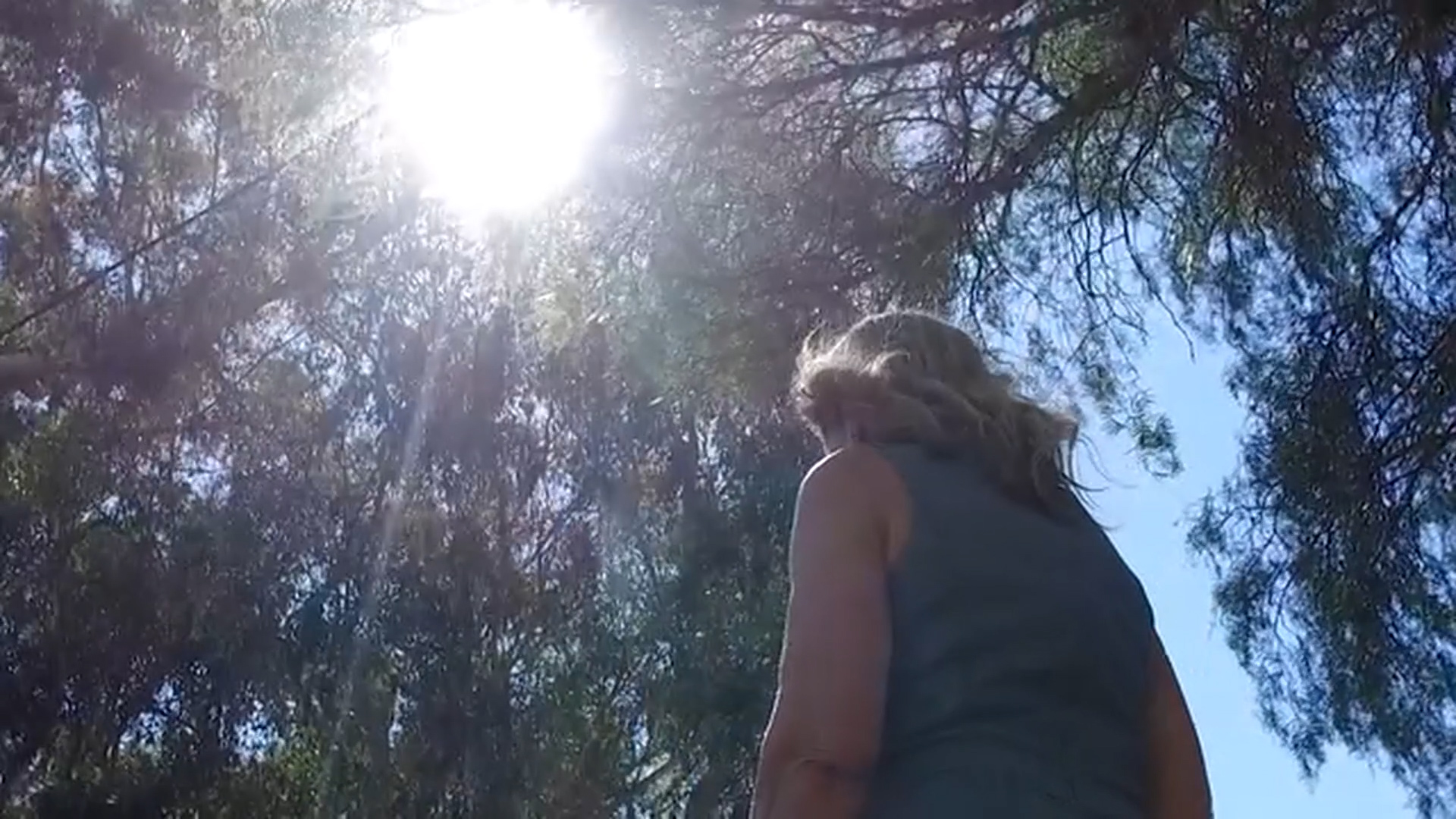
But, our skin needs to be exposed to the sun, so that our bodies can naturally produce vitamin D.
“Unfortunately, our lifestyle is all the time under the artificial light,” says family medicine physician Dr. Minerva Medrano. “We have 12-hour shifts. So, when we go into work, it’s dark. And when we get out, it’s dark.”
Symptoms from vitamin D deficiency include:
Fatigue and depression
Bone thinning
Muscle and bone pain
That’s when vitamin D needs to be taken through diet.
According to the National Institutes of Health, you can find it in dairy products like milk or cheese, or fatty fish, beef liver, other meats, egg yolks, mushrooms dark-green vegetables like broccoli.
“Our life is very indoors… We don’t have much time to go out and be exposed to the sun, to the sky,” says Medrano. “So my recommendation is to try for your well-being, to eat healthy, be outdoors, get a little bit of sun for sure, and do your your annual exams and talk to your doctor about your symptoms.”
Before you take vitamin D supplements — go to your doctor first and get screened for vitamin levels.