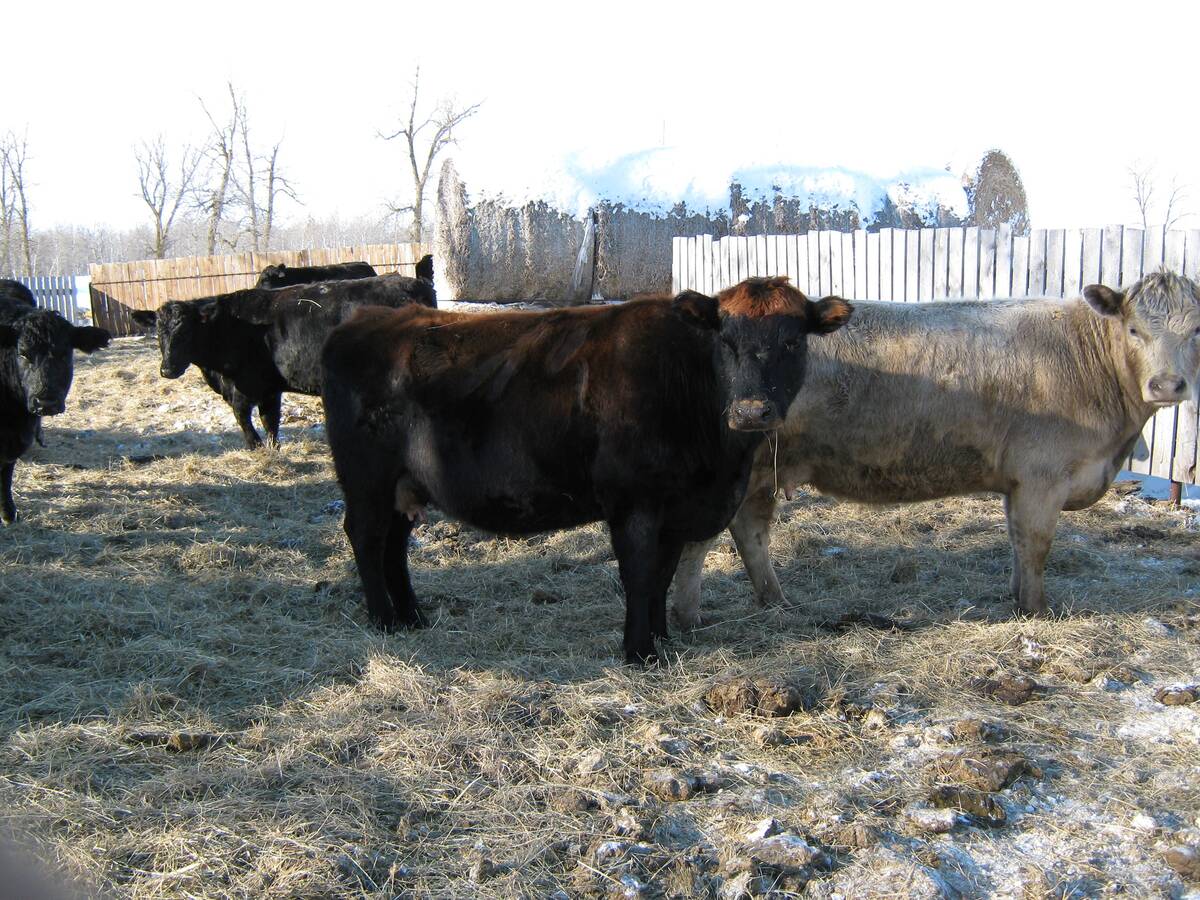
As a beef nutritionist, I receive a few phone calls every winter from beef producers who ask for more vitamin A in their overwintering beef cow diets.
It’s a wise choice because gestating cows need more dietary vitamin A as they move throughout the winter and onto the last few months before calving. In this way, we ensure that no beef cow gets caught short on providing such an essential nutrient to their beef cows.
To ensure enough supplemental vitamin A is formulated into a mineral-vitamin premix, I calculate the total amount of vitamin A supplied to each cow, which is based upon the premix’s dietary vitamin A concentration (iu/kg) and its daily feeding rate (grams/head/day).
Read Also
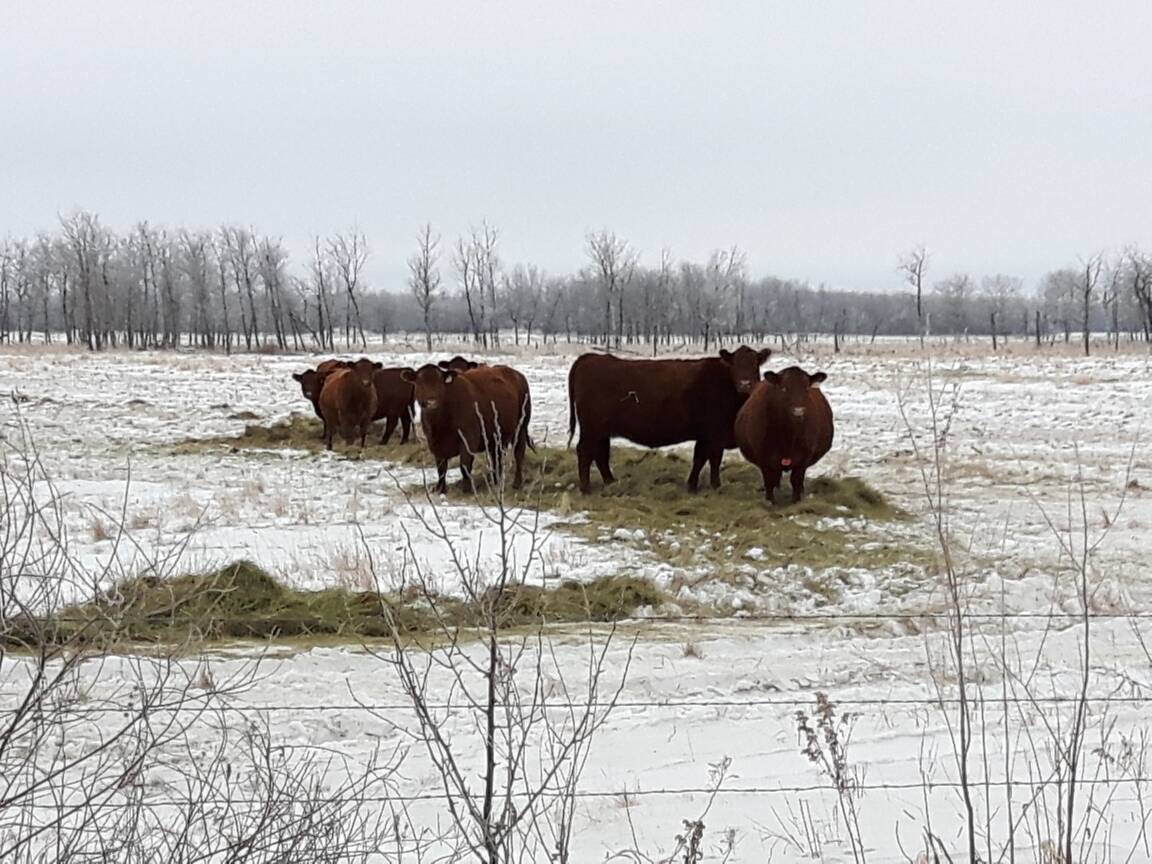
Think about diets as calving looms just around the corner
One would think the heavy nutrient demands on beef cows in February-March would result in a poor calving season — and if proper nutritious diets are fed at that time, one would be wrong, Peter Vitti writes.
For example, a feed label of a commercial cow premix might list its vitamin A level as 700,000 iu/kg and it is to be fed at 112 grams (4oz or 0.25 lb.) to each gestating beef cow.
As a result, it provides 78,400 iu per head of vitamin A per day.
In this case, this final amount exceeds the cow herd’s specific NRC requirement for vitamin A.
Some producers forgo feeding highly fortified mineral and instead give vitamin A shots directly to their beef cows.
The objective is to either build them up for a few winter months or reverse a suspected vitamin A deficiency.
In either case, the general recommendation is to inject one to 1.5 million iu per head of vitamin A with the option of periodic injections where warranted.
In storage
Regardless of which practice is taken, vitamin A is a fat-soluble vitamin in which cattle build vitamin A status by storing large amounts in their liver. This happens when daily intake is three to five times greater than the average cow’s daily requirement.
An average gestating beef cow can store up to four months’ worth of vitamin A requirements in its liver, yet its rate of depletion varies tremendously when the cow needs it.
For example, university field trials demonstrate that cows grazing lush green pastures (more than 50,000 iu/kg, dim) throughout the summer store tremendous amounts of vitamin A in their livers. Yet, these reserves can be quickly used up due to high rates of depletion during the winter.
This happens especially when the cow herd is not consuming enough vitamin A, as well as needing more vitamin A as they move closer to the calving season.
Consequently, vitamin A deficient cows may suffer from permanent internal damage due to failure to metabolize dietary vitamin A as well as reduced liver storage capacity.
In these situations, it may still make cows continue to exhibit common deficiency signs of vitamin A, such as reduced feed intake, high incidence of disease, edema, diarrhea, poor quality colostrum (for newborn calves), a high incidence of stillborn/weak calves and reproductive and post-calving problems.
Most producers may not realize that essential vitamin A, which is contained in their stored forages and purchased cattle mineral-vitamin premix, is really a generic term.
Science uses the name to cover a number of compounds with similar chemical structures and biological activities to a compound called retinol to prevent vitamin A deficiencies in cattle.
Plus, most forages contain yellow beta-carotene, which is converted by enzymes on the animals’ small intestine wall to retinol and absorbed and metabolized.
Commercial feeds use highly bioavailable retinyl acetate or palmitate forms as their source of vitamin A.
It is easy to envision that lush alfalfa grass that is harvested and without issue contains a lot of vitamin A.
Sometimes it should be enough vitamin A to technically meet all the overwintering cows’ metabolic requirements.
However, a lot of hay is not harvested in such a perfect way.
Rebalancing
It is common to have some cut-down fields with one or two rains on it before it is made into round bales.
In addition, vitamin A degrades as hay is stored over winter. That is why I rely only on adding commercial vitamin A in a commercial mineral-vitamin premix at recommended rates.
A few years ago, I worked with a beef cow operation in which its 250 early-gestation cows were brought home after their calves were sold in late October.
These cows spent most of the summer grazing alfalfa-grass pasture touched by drought. Therefore, I recommended a well-balanced winter mineral to be mixed into a nearly all-forage TMR.
Its vitamin A level was fortified to supply 100,000 iu per head daily to ensure that all of their essential vitamin A requirements for gestation and well into lactation were easily met.
To the best of my knowledge, it contributed to a 96 per cent calf crop in the spring.