Certain supplements can improve athletic endurance or performance. However, some supplements may overpromise results or come with risks.
Here are five supplements that may support your workout or gym routine.
1. Creatine
Creatine monohydrate can boost strength and power during short, intense bursts of exercise, such as weightlifting and sprinting.
“It has also been shown that it may increase muscle mass, which potentially increases strength,” Sarah Wick, RD, CSSD, LD, lead sports dietitian and sports nutrition program director at The Ohio State Jameson Crane Sports Medicine Institute, told Verywell in an email.
Most adults can take creatine without any issues, but this supplement can occasionally cause muscle stiffness and gastrointestinal issues. It is generally recommended to take 3 to 5 grams per day, but consider talking to a healthcare provider about the right dose for your needs.
2. Protein
People who exercise regularly need at least 0.5 to 0.9 grams of protein per pound of body weight each day or more. Protein has the amino acids you need to build bigger, stronger muscles after breaking down muscle tissue during exercise, Wick said.
Most people can meet their protein needs from diet alone. However, some athletes may find it easier to up their protein intake with a supplement. If you decide to use a protein powder, look for products labeled “NSF Safe for Sport” to ensure the contents of the powder match the label’s claims.
While it is generally safe to consume protein powder, high doses won’t help you build bigger muscles. Taking more protein supplements than you need could increase calorie consumption and cause gastrointestinal issues.
3. Caffeine
Caffeine seems to benefit some athletes, like endurance distance runners and tennis and soccer players, rather than weightlifters or sprinters. Consider taking 2-6 milligrams of caffeine per kilogram of body weight before longer bouts of exercise to reduce fatigue.
“However, because it is a stimulant which affects the cardiovascular and nervous system, caution must be taken – only take the amount needed for a positive effect on your exercise,” Wick said.
Some workout supplements contain caffeine, so make sure to check the nutrition labels to know how much caffeine you are consuming before adding more.
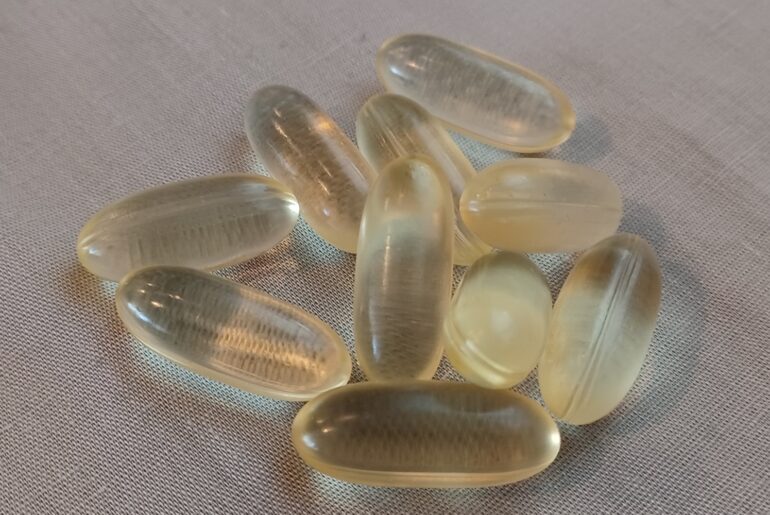
4. Omega-3 Fatty Acids
Chronic inflammation can impact exercise recovery and athletic performance. Certain supplements can lower inflammation and help athletes stay active for longer.
“I may recommend an anti-oxidant or anti-inflammatory such as an omega-3 fatty acid, tumeric, or curcumin, depending on [an individual athlete’s] dietary intake. These may help to mediate excessive buildup of inflammation, which can be harmful,” Wick said.
Omega-3s also support heart health and may improve muscle soreness. Fatty fish are a great dietary source of omega-3s, but some people struggle to consume enough of these fatty acids in their diet. Speak with a healthcare provider about the best approach for increasing anti-inflammatory omega-3s in your diet.
5. Beta-alanine
Beta-alanine supplements may help some athletes delay fatigue and improve performance in sports that require short, high-intensity exercise bursts.
Long-term side effects are not well known, and 800 mg of beta-alanine can cause a tingling “pins and needles” sensation known as paresthesia.
You should only take beta-alanine under the guidance of a sports physician or sports dietitian, Wick said.
What to Consider Before Using Supplements for Your Workout Routine
Supplements can play a beneficial role in your workout routine. However, supplements come with risks and don’t receive safety approval from the Food and Drug Administration (FDA) before hitting shelves. Look for third-party verification from USP or NSF to confirm that the product meets certain quality standards.
Before adding these to your routine, discuss supplements with a healthcare provider, preferably one who specializes in sports medicine, to ensure these won’t interact with any medications or other supplements you already take, Wick said.
“If you feel you are dependent on a supplement to get through a workout, please check to make sure there isn’t any underlying cause for your fatigue or decreased performance,” Wick added. “There may be an underlying medical issue, such as low ferritin or dehydration. No supplements can compensate for a suboptimal diet.”
Verywell Health uses only high-quality sources, including peer-reviewed studies, to support the facts within our articles. Read our editorial process to learn more about how we fact-check and keep our content accurate, reliable, and trustworthy.
National Institutes of Health. Dietary supplements for exercise and athletic performance.
Harvard Health Publishing. What is creatine? Potential benefits and risks of this popular supplement.
Antonio J, Evans C, Ferrando AA, et al. Common questions and misconceptions about protein supplementation: what does the scientific evidence really show? J Int Soc Sports Nutr. 2024;21(1):2341903. doi:10.1080/15502783.2024.2341903
Colorado State University. Do I need to use protein powders?
Harvard Health Publishing. The scoop on protein powder.
Dinetz E, Bocharova N. Inflammation in elite athletes: a review of novel factors, the role of microbiome, and treatments for performance longevity. Cureus. 2024. doi:10.7759/cureus.72720
U.S. Anti-Doping Agency. Do athletes really need fish oil supplements to stay healthy?
Ashtary-Larky D, Candow DG, Forbes SC, Hajizadeh L, Antonio J, Suzuki K. Effects of creatine and β-alanine co-supplementation on exercise performance and body composition: a systematic review. Nutrients. 2025;17(13):2074. doi:10.3390/nu17132074

Brown is a nutrition writer who received her Didactic Program in Dietetics certification from the University of Tennessee at Knoxville. Previously, she worked as a nutrition educator and culinary instructor in New York City.
Thanks for your feedback!
What is your feedback?
Helpful
Report an Error
Other