Haleon announced its financial results for FY25 on Feb. 25, reporting organic revenue growth of 1.9% for its vitamins, minerals and supplements (VMS) portfolio, which reached £1.69 billion (US$2.28 billion).
Known for supplement brands such as Centrum, Caltrate and Emergen-C, Haleon’s VMS growth was seen across all the geographies in which the company operates, including Asia-Pacific (APAC)—except for North America.
In North America, VMS sales dropped to the low single digits because of weak market conditions seen in the multivitamin category and increased promotions by competitors, the company shared.
In APAC, growth was brought by innovative launches in markets like China, South Korea and the Philippines.
“Revenue for VMS grew 1.9%, which was a good performance,” Dawn Allen, chief financial officer at Haleon, said during the results presentation.
“Outside the US, revenue continued with mid-single digit growth driven by premium innovation, such as Centrum Daily Kits in China and Korea, as well as Centrum Kids in the Philippines. VMS in North America was impacted by a softer multivitamin category and distribution losses, which have now been addressed.”
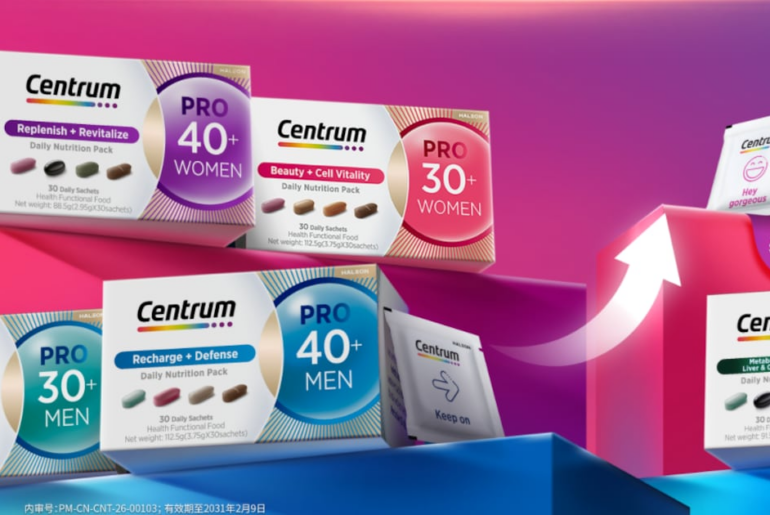
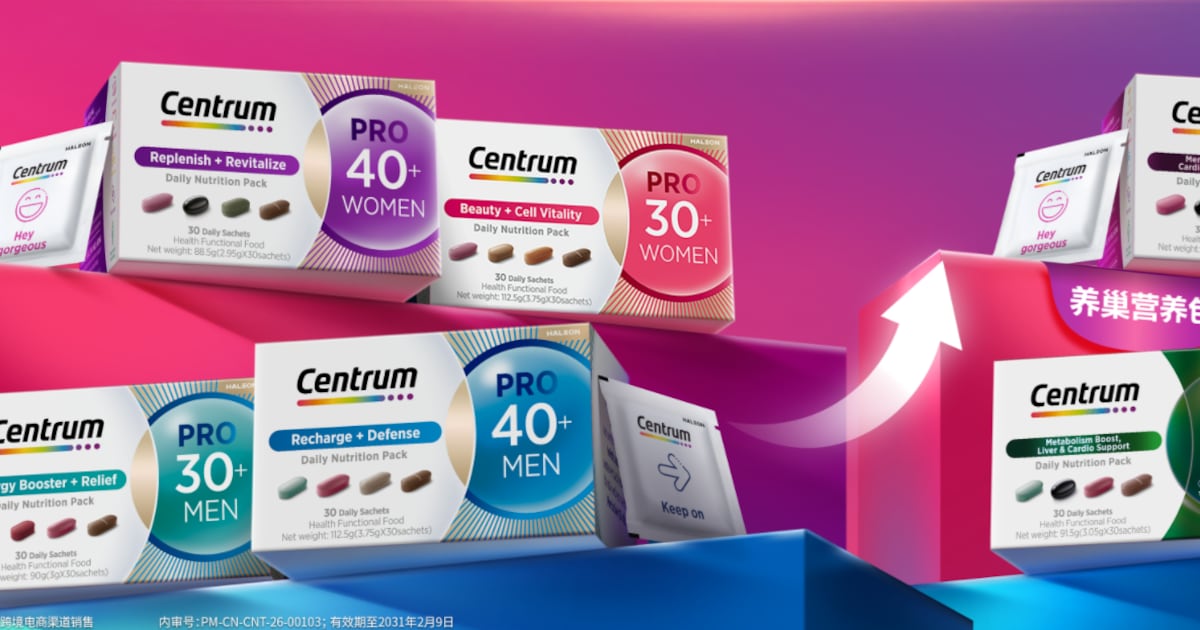
Centrum Daily Kits is a 30-day personalized nutrition range targeting gender and age needs and was designed as part of Haleon’s product localization strategy for its China business, leveraging on herbal medicinal claims familiar among Chinese consumers.
The kits have since been introduced to other APAC markets and have delivered market share gains with over one million packs sold since launch. The range has also expanded to include premium benefits such as cellular health and metabolic support.
Caltrate Kids Liquid, launched in China last year, was another innovation highlighted by Haleon for driving revenue growth. Formulated with calcium nitrate, vitamin D and K2, the liquid sachet product is designed to promote better calcium absorption.
Caltrate is traditionally a stronger performing brand in China than in other markets for Haleon due to the success of local campaigns such as Bone Up China.
E-commerce, especially platforms like Douyin—China’s version of TikTok—is a key revenue driver, contributing about 40% of its business.
“E-commerce is around 40% of our business in China and we’re growing more than 100% on Douyin, while our online-to-offline business is also growing double digits,” Allen said.
Total revenue up but still below expectations
Haleon reported an organic revenue growth of 3% to £11 billion (US$14.9 billion) for all its businesses last year. Adjusted gross profit was up 4.4% to £7,19 billion (US$9.72 billion).
However, its revenue growth was still below its medium-term expectation of 4% to 6% growth. The company is expecting a revenue growth of 3% to 5% for FY26.
Aside from VMS, Haleon also operates in other categories such as oral and digestive health.
Last year, the bulk of its revenue came from its oral health business, followed by pain relief, respiratory health, VMS, digestive health and therapeutic skin health businesses.
“Organic revenue growth of 3% was below our medium-term expectations, primarily reflecting a weak cold & flu season and low consumer confidence in North America,” said Brian McNamara, CEO at Haleon.
“We delivered strong gross margin improvement and double-digit organic profit growth, combined with strong cash generation. This was driven by excellent progress against our productivity programme and continued disciplined investment behind our brands, innovation and capabilities.”
Region-wise, APAC grew 5.2% in revenue to £2.57 billion (US$3.48 billion). The EMEA and Latin America markets grew 4.7% to £4.59 billion (US$6.21 billion), while its North America business fell 0.4% to £3.87 billion (US$5.22 billion).
APAC growth driven by greater reach
Aside from innovative products, Haleon said that growth in APAC was also due to increased market penetration and providing smaller pack size products that were more affordable for consumers from emerging markets.
For example, the company has launched Centrum Recharge sachets costing 10 rupees (US$0.11) in India, and 13 million sachets have been sold so far.
“When I look at the growth drivers in APAC, 80% of our growth is coming from volume mix, and that is through driving penetration, expanding reach across lower-income consumer groups,” Allen said in response to analyst queries.
In India, GST reforms have also boosted consumer sentiment. Implemented last September, the reforms have reduced the GST rates for nutraceuticals from 18% to 5%.
“We’ve seen an incredible performance in India—double-digit growth in the year and an acceleration in Q4 on the back of macro changes around GST reforms,” Allen added. “In APAC, consumers continue to prioritize everyday health spending. This underpins our excitement in the growth opportunities that China and India represent.”