To identify these secret chemicals, EWG consulted three sources:
Corporate press releases announcing “self-affirmed GRAS status” or similar language (identified via a Google alert set up in 2017).Trade publication announcements of the introduction of new substances (identified via a Google alert set up in 2017).Consulting firm AIBMR’s database of GRAS substances (data from 2001 through August 2025).
To identify ingredients added to foods without federal safety review, we cross-referenced the information in these sources, namely the ingredient name, against the FDA’s database of voluntary submissions. We also checked GRAS listings in the Code of Federal Regulations.
Then, using the Agriculture Department’s Branded Foods Database, we searched for the chemical’s name. We found 49 chemicals listed as ingredients.
In these cases, the companies had decided their chemicals were safe to use in food but had not disclosed their safety information, keeping the FDA and the public in the dark.
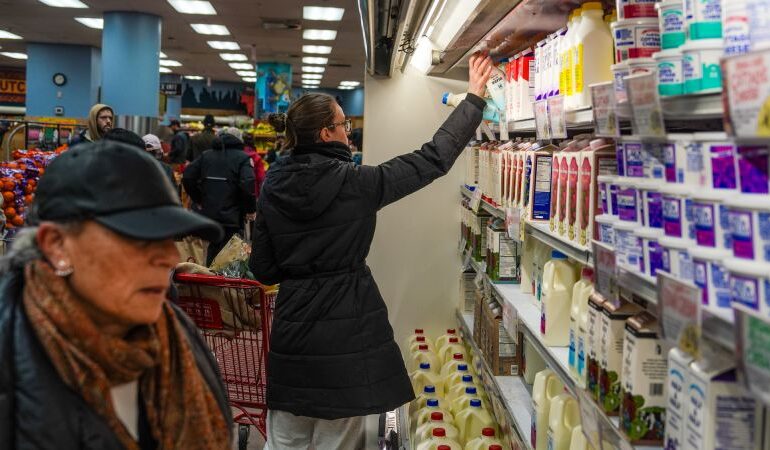
The result: Chemicals of unknown safety appear on the ingredient lists of thousands of grocery products.
Our analysis is likely just the tip of the iceberg, because many chemicals used in food are not disclosed or are listed with generic names such as “flavor.” Experts estimate there could be more than 1,000 secret GRAS chemicals in U.S. food, and as many as 130 secret GRAS determinations made per year.