Sirens, uncertainty, long hours at home or near shelters, constant exposure to news and fragmented sleep all create a physiological burden that raises stress levels in the body. In this state, what we eat has an especially significant effect on mood, energy levels and our ability to cope mentally with reality.
An increasing body of research shows that a balanced diet can reduce anxiety, improve mood and even lower the risk of depression, a finding that becomes critical during emergencies.
8 View gallery
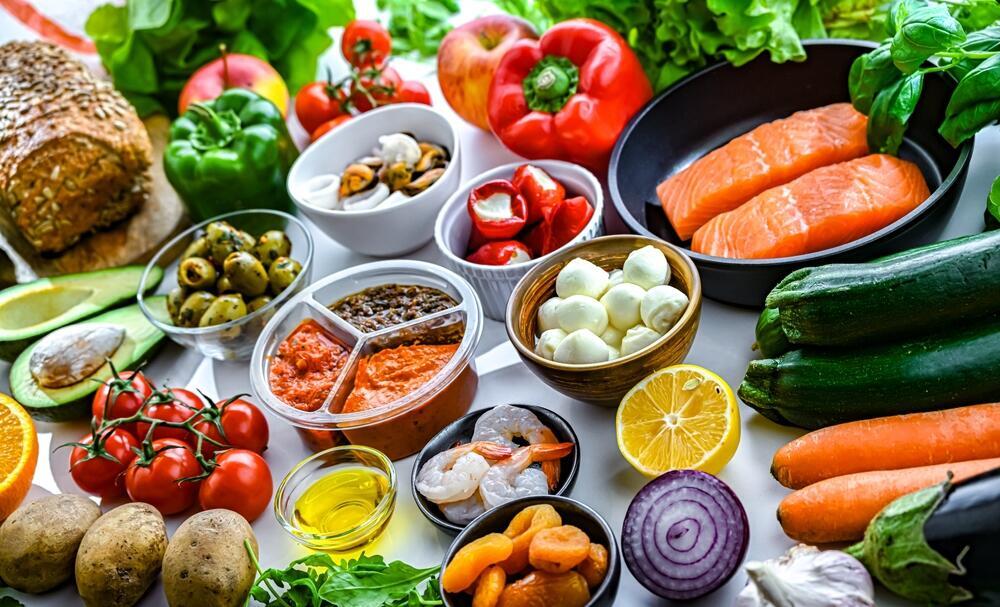
Mediterranean diet. Reduces anxiety and improves mood
(Photo: Shutterstock)
A recent Israeli study published in 2025 in the scientific journal “Foods” examined sleep patterns, processed food consumption, sleep quality and symptoms of anxiety and depression among 303 Israeli adults. It found that adults who adopted a dietary pattern similar to the Mediterranean diet, rich in vegetables, legumes, fish, olive oil and whole grains, reported fewer symptoms of anxiety and depression.
In contrast, high consumption of processed foods high in sugar and saturated fat was associated with higher levels of psychological distress and mood swings. Even after adjusting for factors such as age, gender and general health habits, the link between diet quality and mental state remained statistically significant.
The relationship between nutrition and mood is rooted in the gut-brain axis, a biological communication system in which gut bacteria, hormones and neurotransmitters send signals directly to the brain. About 95% of serotonin, a neurotransmitter associated with calm and emotional regulation, is produced in the gut.
8 View gallery

People now gravitate toward fast, convenient foods: Emotional eating
(Photo: Shutterstock)
When a diet is rich in fiber, quality proteins and healthy fats, gut bacteria remain balanced and help support emotional stability.
During wartime, however, people tend to shift to convenient, quick foods such as snacks, sweets and ultra-processed products. These foods disrupt the balance of gut bacteria and increase micro-inflammatory processes that also affect the nervous system.
Inflammation is the body’s natural defense mechanism designed to deal with injury and infection. But when prolonged psychological stress combines with a poor, ultra-processed diet, the body can remain in a state of ongoing biological alert, even when there is no immediate physical threat.
8 View gallery
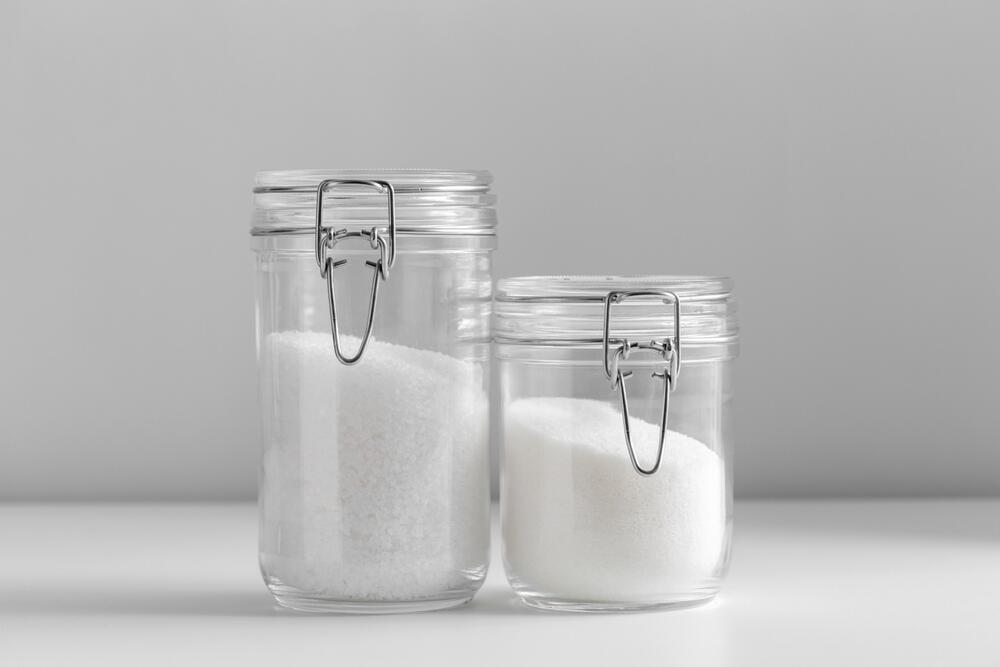
Consume less of both: Sugar and salt
(Photo: Shutterstock)
In this state, low but persistent levels of inflammatory substances are released into the bloodstream. These substances can cross the blood-brain barrier and alter processes related to sleep quality and stress regulation systems. The result may include fatigue, irritability, difficulty concentrating and worsening anxiety, feelings many people recognize all too well in the current period.
High intake of sugar and salt can further intensify this response. These foods stimulate the sympathetic nervous system, which puts the body into a state of alertness and readiness for action, raising heart rate, blood pressure and stress hormone secretion. When this system remains active over time, the body struggles to shift into a state of relaxation and recovery.
During wartime, when mental alertness is already heightened, daily food choices can determine whether the body manages to relax or stays locked in a prolonged state of emergency.
Extended time at home or in protected spaces has created another eating pattern: eating because it’s available, not because you’re hungry. The most accessible foods are often snacks, cookies or sugary drinks. They provide brief comfort but are followed by a rapid drop in energy.
The explanation is physiological. Simple sugar-rich foods quickly raise blood sugar levels, creating temporary alertness and relief. In response, the body releases a large amount of insulin to move sugar into cells. Sometimes the response is too rapid, leading to a relatively sharp drop in blood sugar afterward. This can cause fatigue, lack of concentration, irritability and renewed hunger, even if you recently ate.
It is a familiar cycle of energy spikes followed by crashes, which can worsen during stressful periods when the body is already exhausted.
That is why it is important to plan smart emergency nutrition, focusing on foods that provide stable energy rather than momentary comfort.
8 View gallery
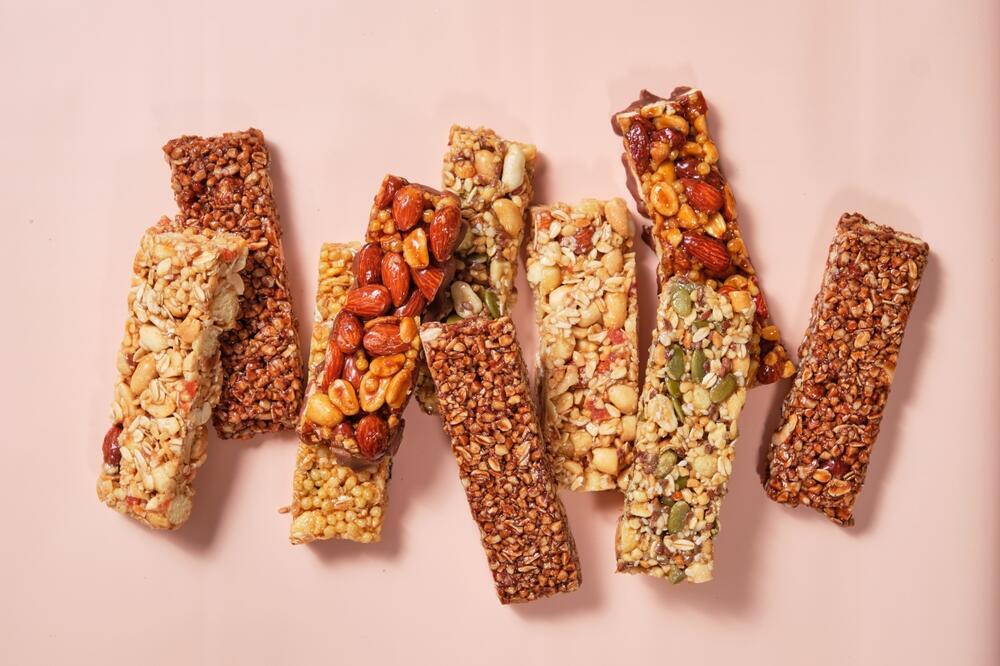
Granola bars with nuts
(Photo: Shutterstock)
Whole-grain crackers or sealed packages of whole-grain bread, with natural peanut butter for spreading.
Ready-to-eat legumes such as lentils, chickpeas and beans.
Dried fruit without added sugar.
8 View gallery
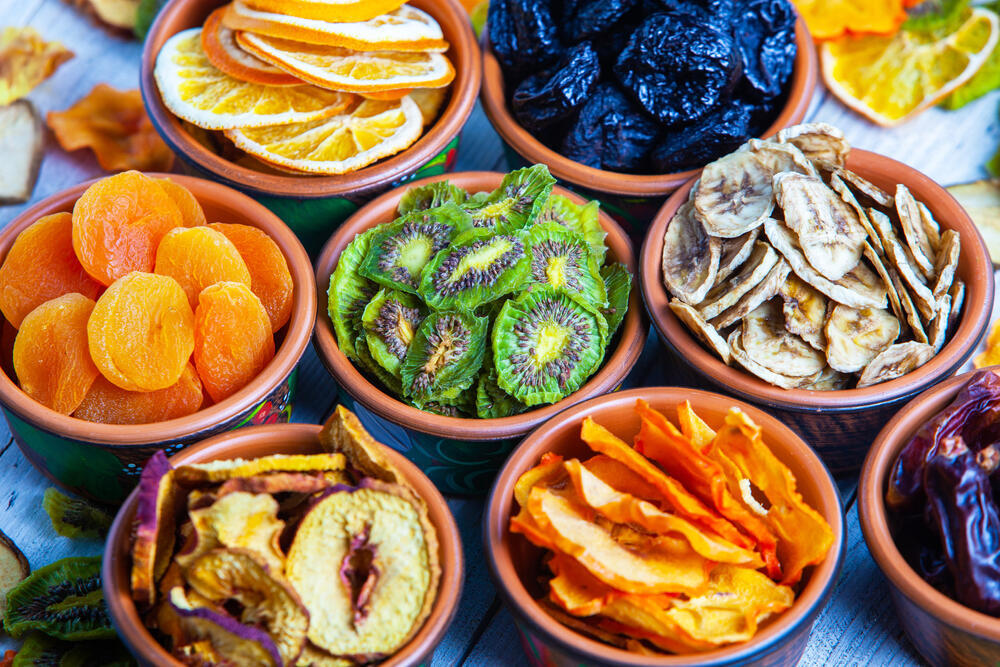
Dried fruits
(Photo: Shutterstock)
Dark chocolate with at least 70% cocoa, in moderation, or carob-based chocolate.
Bottled water – even mild dehydration increases fatigue and feelings of tension.
“Better” snack options:
8 View gallery

Bamba, peanuet snack
(Photo: Shutterstock)
8 View gallery

Home-made popcorn
(Photo: Shutterstock)
Half the plate should include vegetables, providing fiber and antioxidants that reduce inflammation.
Whole grains, which help stabilize blood sugar levels and prevent energy crashes.
Healthy fats, including omega-3 fatty acids and olive oil, which support nervous system function.
Limit processed foods to help preserve gut bacteria balance and reduce stress responses in the body.
8 View gallery
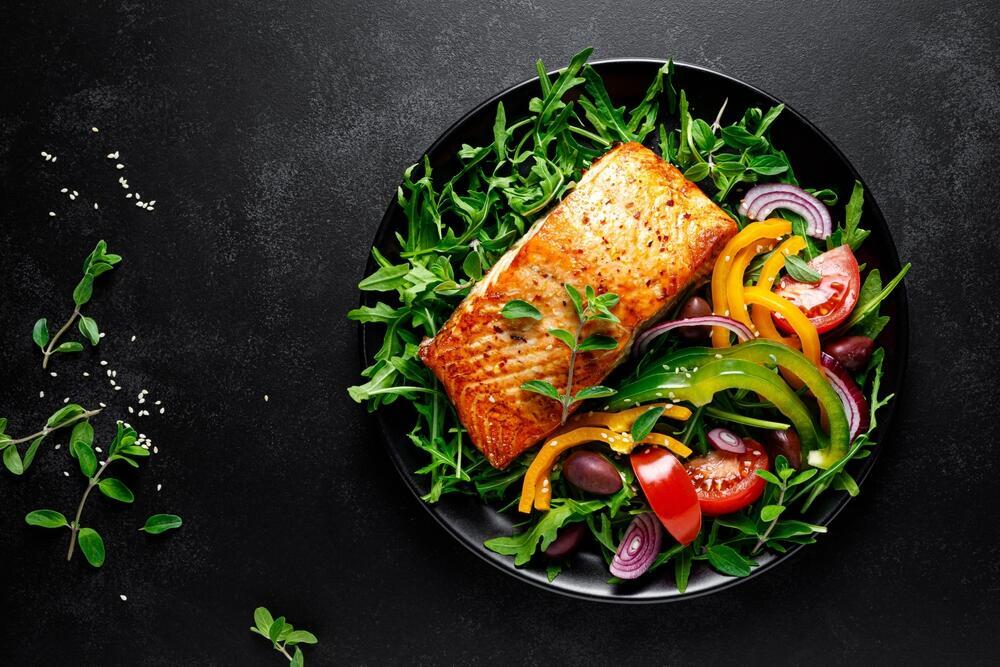
Vegetables and healthy fats
(Photo: Shutterstock)
The bottom line is that nutrition is part of mental resilience. It does not guarantee immunity from anxiety or depression, especially during a complex period such as war. But the brain is not separate from the body. It responds to what we eat.
At a time when control over external reality feels limited, small decisions about what goes on your plate can become a practical way to support emotional balance, sustained energy and resilience, during the crisis and beyond.