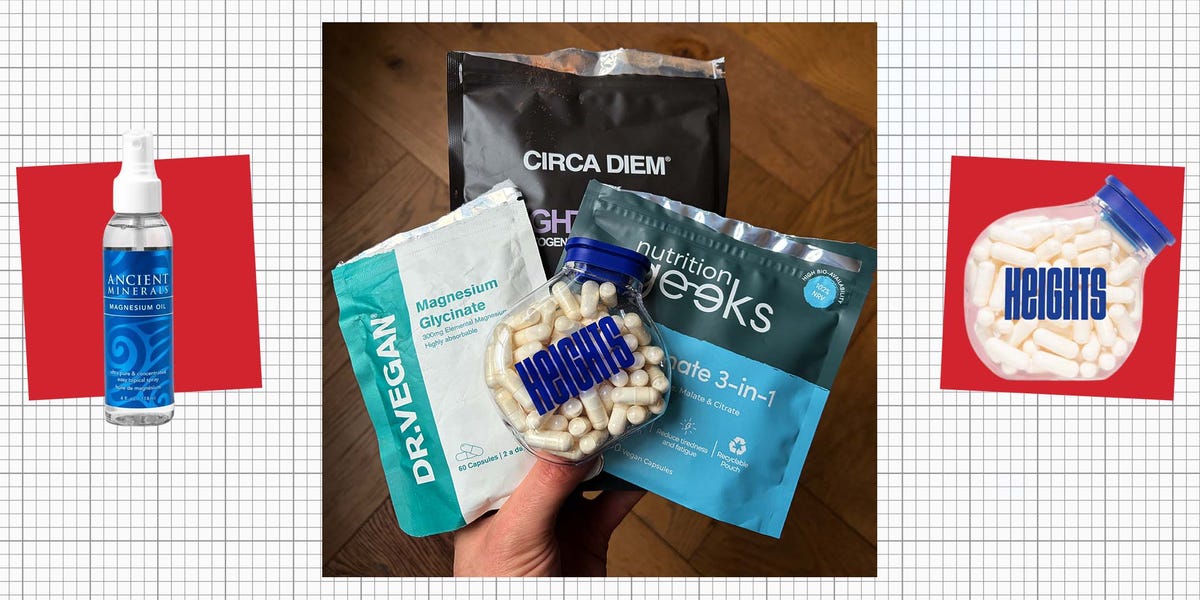
The 5 Best Magnesium Supplements for 2026, According to Experts
According to SENr performance nutritionist Dr Sinead Roberts, magnesium deficiencies are most common in older adults, those that drink alcohol, and athletes, who are more prone to losing magnesium through sweat. ‘Symptoms may include fatigue, weakness, headaches, anxiety, sleep disorders, nausea, muscle cramps, tremors, high blood pressure and numbness,’ she says.
Knowing for certain that a magnesium deficiency is the cause of these symptoms, however, can be tricky. As magnesium is mostly stored inside bone, muscle and soft tissue cells, blood tests aren’t accurate for detecting total body magnesium levels, which makes it difficult to diagnose marginal or non-severe deficiencies.
‘Definitive testing can also be expensive,’ says Roberts, which is why dietary intake is typically considered instead. She says that adults are estimated to need anything from 250mg to 500mg of magnesium per day – while athletes and those that are highly active may need 10-20% more.
If you do decide to increase your magnesium with a supplement, a food-first approach is considered the best initial step. That’s because you get additional benefits from eating foods high in magnesium, like extra vitamins, minerals and fibre.
While it’s true that upping your magnesium intake can help to avoid the symptoms mentioned before, there’s no guarantee supplementing will work. ‘It is important to note research findings are mixed in all cases,’ she says. ‘This may reflect responders and non responders, or it could be that there are only “benefits” when a deficiency is being corrected versus increasing levels over and above this.’
What to ConsiderType
When you’re scanning for a quality magnesium supplement, it’s key to know that not all magnesium is made equal — different types have distinct roles. Some forms, like glycinate, citrate and malate, are more bioavailable and easier on digestion than oxide or sulfate, meaning your body can actually use the mineral rather than shrug it off as waste.
Glycinate tends to be gentler and better suited to calming the nervous system and supporting sleep and relaxation, while citrate and malate can aid general replenishment and recovery.
A blend of different forms can often be a good way to maximise absorption and efficacy while reducing side-effects from overloading on individual types (ie. too much citrate can cause a laxative effect).
Here, Roberts sets out the key distinctions between each:
Magnesium glycinate: bioavailable and typically taken for sleep or anxiety.Magnesium citrate: typically taken as a laxative.Magnesium malate: bioavailable and sometimes taken with the aim of reducing pain.Magnesium oxide: poorly absorbed and high risk of causing stomach distress.Magnesium L-threonate: bioavailable and typically taken as a laxative or with the aim of having a cognitive benefit.Magnesium taurate: bioavailable and typically taken with the aim of impacting blood pressure or blood sugar.Testing
Roberts says that it’s a good idea to choose an independently tested product that has been screened for substances banned in sport. ‘You might wonder why non-athletes would look for such testing,’ she says, ‘but supplements are frequently contaminated and many banned substances are banned because they are harmful to health. Third-party tested products (e.g. Informed Sport) reduce this risk.’
Dosage
Look at research-backed dosages — most adults should aim for up to ~300–400 mg of magnesium daily. A large chunk of this should come from a whole food diet, however, studies have shown that the majority of adults may be deficient, so topping up with at least 150-200mg of supplemental magnesium is ideal, and carries relatively little risk of side effects.
Though the risks are low, Roberts says it’s worth keeping a note of your intake when actively increasing your magnesium levels. ‘Taking excess can cause adverse health impacts, including low blood pressure. Given the number of supplements that magnesium is now added to, as well as being prevalent in the diet, this is a risk. Individuals should always check the supplements they are consuming and total up the magnesium.’
Extra Ingredients
If you’re looking to treat a specific issue, it’s worth considering choosing a supplement with co-ingredients that complement magnesium’s effects and are tailored to your goals – such as sleep and hormone support or stress resilience. Zinc, chamomile and calming amino acids, such as theanine and tryptophan, can enhance rest and recovery without overloading on a single mineral. A thoughtfully blended supplement that mixes highly absorbable magnesium forms with supporting nutrients ticks the boxes for efficacy and versatility.
Time
When to expect results will differ from person to person. ‘From a sleep and anxiety perspective, if magnesium glycinate is effective, it may take 1-2 weeks for the effects to be noticed,’ says Roberts. ‘Looking more widely at the potential impacts of other magnesium supplements, effects on constipation may be seen in 6-24 hours, and muscle cramps similarly 1-2 weeks.’
How We Selected
When choosing the magnesium supplements to feature in this buyer’s guide, we assessed the full range of options on the market before cutting down our final list.
We chose products we have personally tried and tested, as well as those recommended by sports performance nutritionist Dr Sinead Roberts. We rewarded options that represent good value for money and those that are third-party tested for banned substances. We assessed the ingredients listed in each supplement and the dosages in relation to the daily intake, prioritising the most bioavailable forms of magnesium.
We also assessed the quality of the packaging of each product and the smell and taste of the capsules. For powders, we tested how easy they were to prepare and how well they mixed with liquid. Recyclable and eco-friendly packaging received bonus points.
The list below is not exhaustive. These are simply some good value and good quality magnesium supplements that we would genuinely buy ourselves.
” data-next-head/>Skip to Content
We earn a commission for products purchased through some links in this article.
Best No-Frills Magnesium
Dr.Vegan Magnesium Glycinate (30 Servings)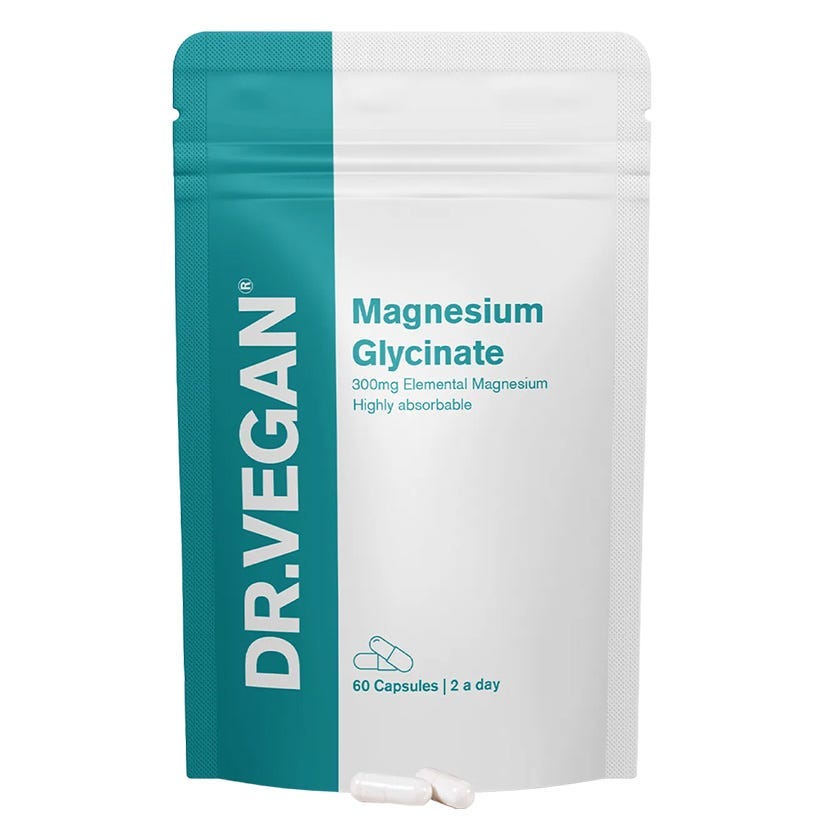
These Dr.Vegan Magnesium Glycinate capsules contain no filler ingredients and are fairly priced. For a 30-day supply of 60 capsules, one bag costs £12.99, which works out at around 43p per day. There’s also a 10% discount offered if you buy three.
A daily intake of two capsules contains an effective dose of 300mg of highly-absorbable magnesium glycinate. The capsules are easy to swallow, with no off-putting smell or texture. The packaging is resealable – which keeps the capsules fresh throughout the course of the 30 days – and it’s also plastic-free and home compostable.
We did notice that the resealable component of the packaging broke on the first bag we opened. We had no issues with the second bag though, so our ham-handed approach could have been at fault.
Features at a GlanceTypeMagnesium GlycinateDose300mgFormCapsulesCertificationsNone
Best Popular Magnesium Supplement
Heights Magnesium+ (30 Servings)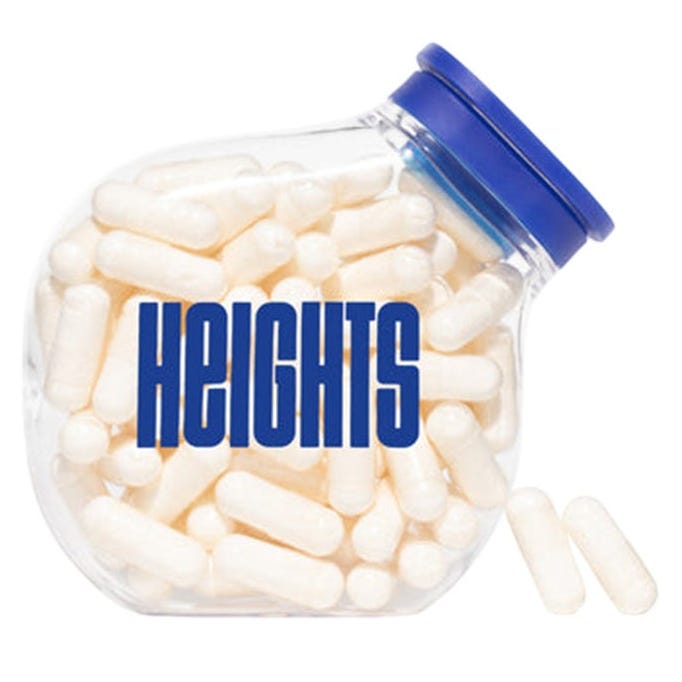
Billed monthly, Heights’ Magnesium+ subscription includes a 30-day supply of 60 highly-absorbable magnesium glycinate capsules and comes with an Informed Support accreditation, indicating that each batch has been independently tested for quality and is free of banned substances.
Priced at £20, it’s among the more expensive magnesium glycinate supplements, working out at roughly 66p per daily serving. For that extra cost, you’re getting the Informed Sport testing, a promise from Heights that the ingredients are of the highest quality and, of course, a stylish container.
You might raise an eyebrow at that last point, but there is some weight behind Heights’ thinking. Magnesium is a cumulative supplement, so to get the benefits you need to hit the recommended intake each day over a sustained period. If you’re likely to forget from time to time, there’s an argument that having a container that looks good and that you’re willing to keep on show at home can help to remind you to stick to a daily cadence.
Features at a GlanceTypeMagnesium GlycinateDose300mgFormCapsulesCertificationsInformed Sport
Advertisement – Continue Reading Below
Best Magnesium Sleep Blend
Circa Diem Night Blend (30 Servings)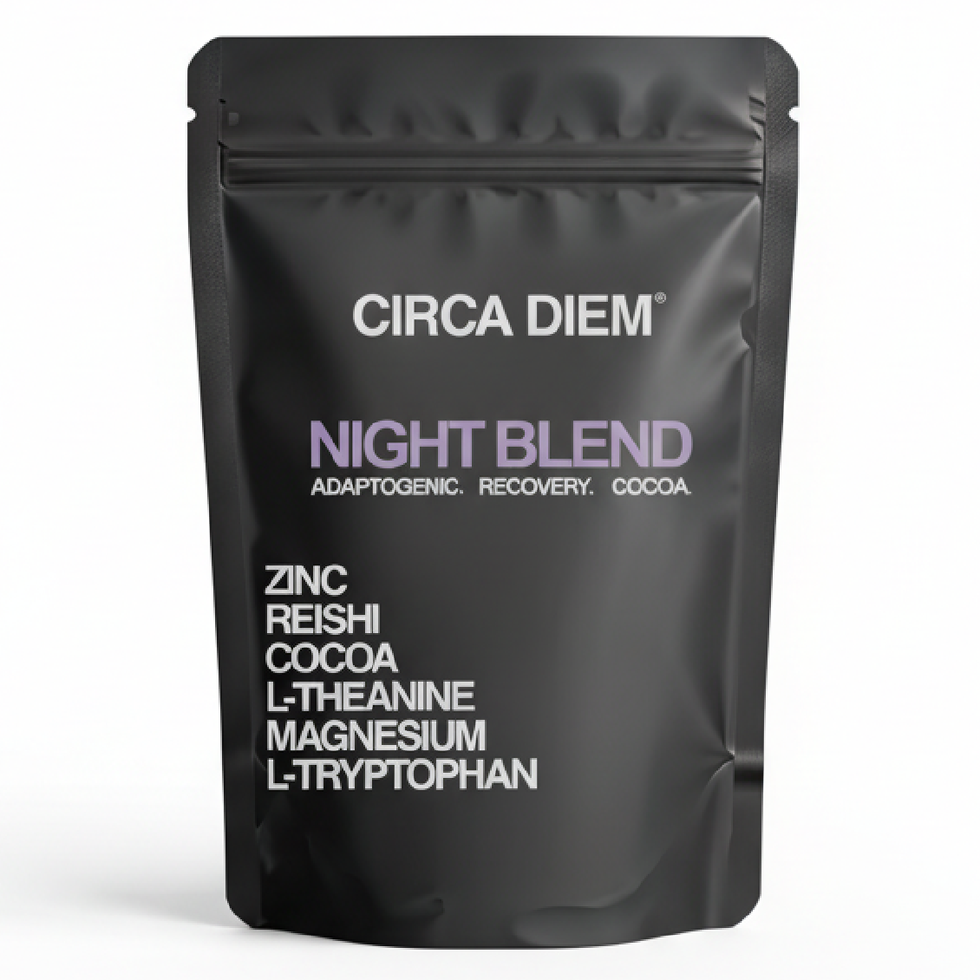
This cocoa-flavoured, daily nighttime drink contains a blend of sleep-enhancing ingredients that work in tandem to help boost relaxation, improve sleep quality and shorten the amount of time it takes you to fall asleep.
Alongside a 195mg magnesium tri-blend, each serving packs 6mg of zinc, a mineral that may help support melatonin production, 600mg of reishi mushroom, an adaptogen traditionally used to reduce stress and promote relaxation, as well as 150mg of L-theanine and 200mg of L-tryptophan, two amino acids said to aid restful sleep and promote recovery.
Not only does the chocolate flavour taste great and mix well, but the 5g of cocoa in each serving adds extra flavanols and polyphenols – antioxidants shown to reduce oxidative stress and support recovery.
If you’re taking a magnesium supplement to improve your sleep, the Circa Diem Night Blend approaches the issue from all angles. It’s not the cheapest, at around £1.66 per serving, but for the extra cost you’re taking a more holistic approach to improving your sleep.
Features at a GlanceTypeMagnesium Tri-BlendDose195mgFormDrink (Powder)CertificationsNone
Best Magnesium Creatine Blend
Fourfive Creatine & Magnesium (30 Servings)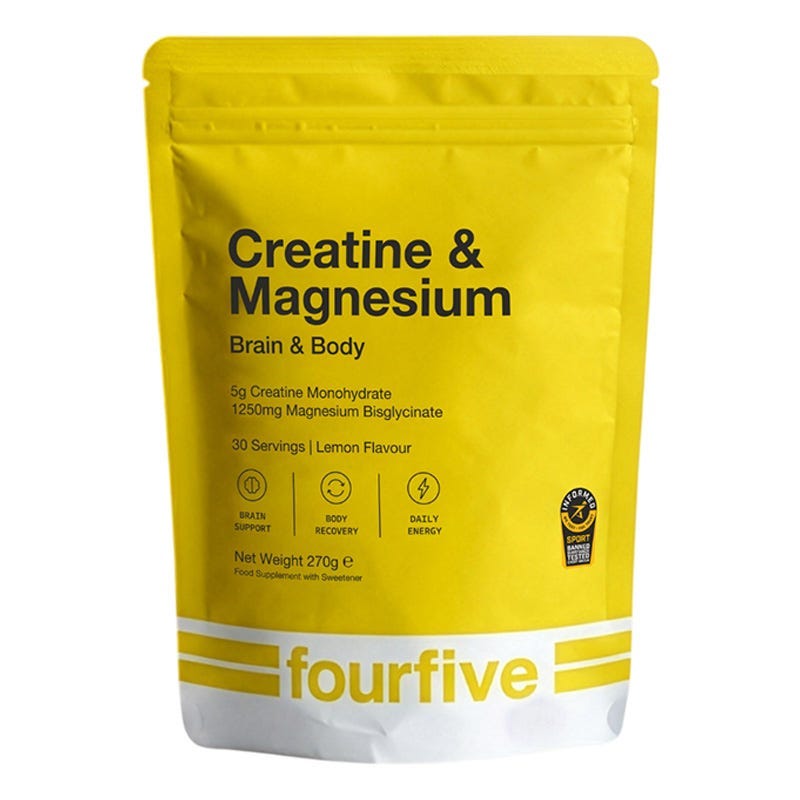
Fourfive’s magnesium and creatine blend comes recommended by Roberts on account of its Informed Sport accreditation. We’ve also included it here for the convenience and cost-effectiveness of having two daily supplements in one product.
Each bag contains 30 daily servings of 5g of creatine monohydrate and 1250mg of magnesium bisglycinate. It comes in powdered form – you mix two teaspoons (9g) with 200ml of water – which will appeal to those who don’t get along with capsules. However, note that this is lemon flavoured, which is achieved by the using citric acid and natural lemon flavourings.
Also bear in mind that because it’s a blend, you lose the ability to modify your daily intake as you can with two individual supplements. For example, if you want to increase your creatine intake, you’ll also be upping the magnesium.
Features at a GlanceTypeMagnesium bisglycinateDose1,250mgFormPowderCertificationsInformed Sport
Advertisement – Continue Reading Below
Best Magnesium Tri-Blend
Nutrition Geeks Magnesium Glycinate 3-in-1 (45 Servings)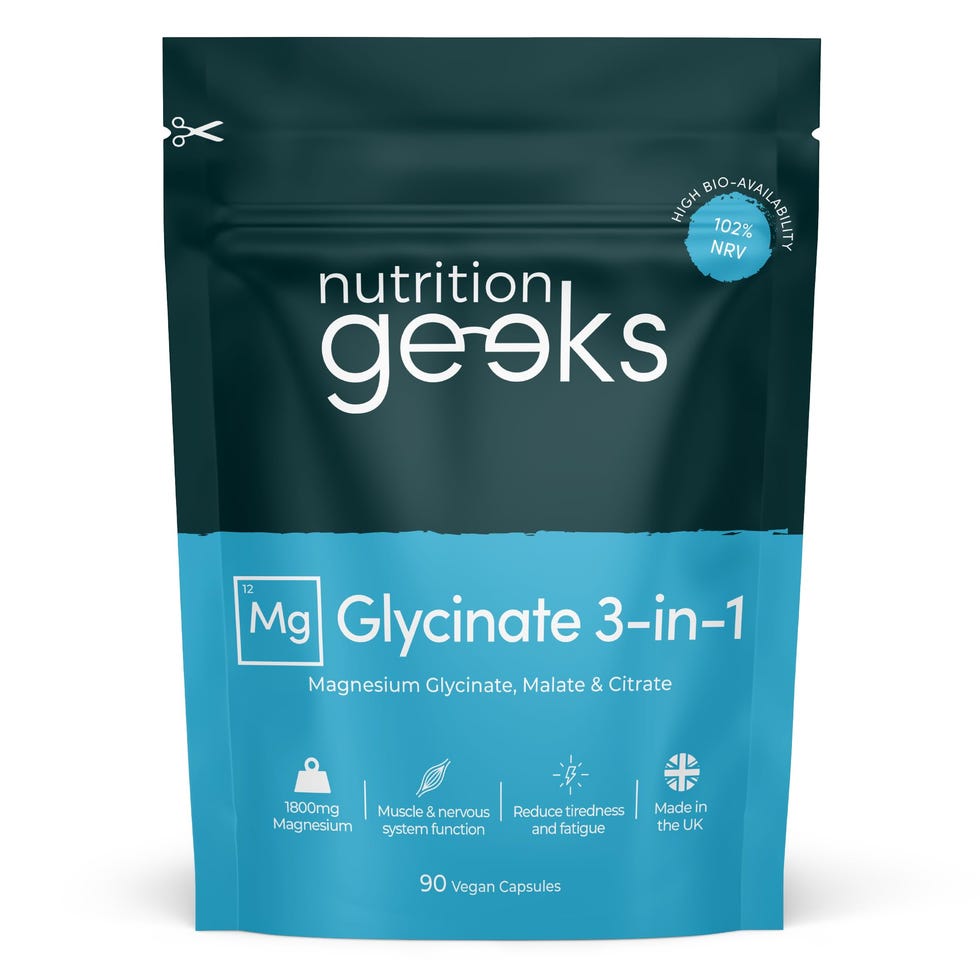 Pros
Pros Benefits of three forms of magnesiumContains effective dose of elemental magnesiumGreat valueCons
 Not Informed Sport accredited
These Nutrition Geeks capsules contain a tri-blend of magnesium glycinate, malate and citrate – three forms of bioavailable magnesium with benefits spanning sleep, anxiety, digestion and pain.
Essentially all-in-one capsules, these are ideal for anyone wanting the full variety of health benefits that each type of magnesium has to offer.
At just £9.99 for a 45-day supply, they’re the most cost-effective option in this guide. Plus, each serving contains 102% of the Nutrient Reference Value of elemental magnesium.
Though they don’t come with an Informed Sport accreditation, Nutrition Geeks stresses that their capsules contain zero filler ingredients.
Features at a GlanceTypeMagnesium Glycinate, Malate and CitrateDose1,800mgFormCapsulesCertificationsNone Can Magnesium Supplements Improve Sleep?
Magnesium can anecdotally improve sleep, but according to Roberts, research findings are mixed. ‘Magnesium deficiency may present as impaired sleep and so correcting that deficiency, whether via magnesium glycinate or diet or another form of magnesium, is expected to improve sleep.’
However, in reality, it’s not quite so straightforward. ‘Whether taking magnesium glycinate in the absence of a deficiency has a significant impact on sleep remains unclear; some randomised controlled trials find a benefit in apparently healthy patients and those with insomnia, whilst others do not.’
Are Magnesium Sprays Effective?
Though typically used to reduce muscle soreness, Roberts recommends avoiding sprays. ‘The dose from a spray is typically not reliable, therefore you may be more likely to over- or under-dose. There are no notable benefits to a spray, as even if someone did not want to swallow a capsule or pill there are powder versions available.’
What is Elemental Magnesium?
If you see ‘elemental magnesium’ listed in the ingredients, this is the actual amount of pure magnesium included in the supplement.
Magnesium is an unstable mineral that can’t be found in its pure form in nature. It has to be bound with other minerals and compounds – such as citric acid (magnesium citrate) and glycine (magnesium glycinate) – which makes it safe and easy to absorb in the body.
For example, a supplement could contain 1,500mg of magnesium glycinate per two capsules, but the total elemental magnesium – ie. the amount of the absorbable, bioactive magnesium – could be, say, 300mg.
How Much Magnesium Should I Take?
The NHS lists the recommended daily intake of magnesium as 300mg a day for men and 270mg a day for women aged 19-64, though specific dosages can vary based on individual needs, exercise, conditions and dietary intake.
How Long Does it Take for Magnesium to Work?
Magnesium is a cumulative supplement that you need to take regularly over a period of time to witness results. This study states that the effectiveness of magnesium supplementation varies from person to person and can range from a few weeks to several months in order to achieve optimal health outcomes.
Advertisement – Continue Reading Below

Luke Chamberlain is the ecommerce editor for Men’s Health UK where he compiles expert-led buying guides and in-depth product reviews across gym wear, fitness tech, supplements, and grooming. Responsible for testing everything from the latest gym headphones to the best manscaping tools, Luke also enlists the help of leading health and wellness experts to help readers make informed choices when shopping online – whether it’s to debunk the latest viral hair growth trend or to get the lowdown on a new type of recovery tech. He also covers major sales events for Men’s Health, such as Black Friday and Amazon Prime Day, scouting and verifying hundreds of discounts in order to recommend only the most genuine deals on offer. A magazine journalism graduate from the University of Sheffield in 2018, Luke has also worked as assistant editor for Outdoor Swimmer magazine and as an ecommerce writer for The Recommended. When he’s not testing the latest health and fitness products, he’s busy plotting routes for his next trail run or gravel ride out of London. Follow Luke on Instagram at @lukeochamb

With almost 18 years in the health and fitness space as a personal trainer, nutritionist, breath coach and writer, Andrew has spent nearly half of his life exploring how to help people improve their bodies and minds.
As our fitness editor he prides himself on keeping Men’s Health at the forefront of reliable, relatable and credible fitness information, whether that’s through writing and testing thousands of workouts each year, taking deep dives into the science behind muscle building and fat loss or exploring the psychology of performance and recovery.
Whilst constantly updating his knowledge base with seminars and courses, Andrew is a lover of the practical as much as the theory and regularly puts his training to the test tackling everything from Crossfit and strongman competitions, to ultra marathons, to multiple 24 hour workout stints and (extremely unofficial) world record attempts.
You can find Andrew on Instagram at @theandrew.tracey, or simply hold up a sign for ‘free pizza’ and wait for him to appear.
Advertisement – Continue Reading Below
Advertisement – Continue Reading Below
Advertisement – Continue Reading Below