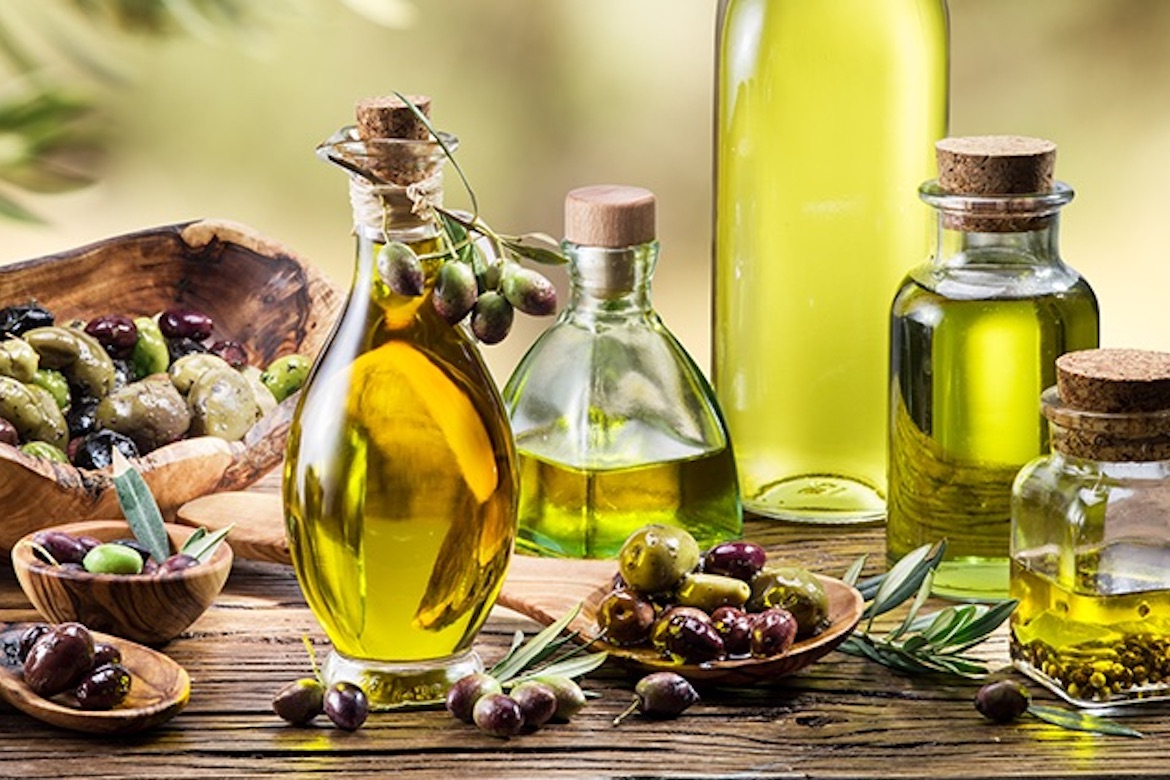
An olive oil polyphenol supplement tested on patients with metabolic syndrome significantly reduced blood sugar, blood pressure, cholesterol, and more. A recent double-blind, randomized, controlled clinical trial has provided new evidence that the polyphenols naturally found in extra virgin olive oil can reduce several symptoms of metabolic syndrome (MetS).
Metabolic syndrome is a set of metabolic problems that includes central obesity, abnormal lipid values (such as high cholesterol), high blood pressure, and insulin resistance (which leads to high blood sugar levels). People with MetS have a considerably higher risk of cardiovascular disease, stroke, and type 2 diabetes than the general population.
In the OleoMetS clinical trial, 102 participants (30–70 years old) with metabolic syndrome took part in a 12-week trial in Cyprus that provided either 10 mg/day of polyphenol-rich olive oil extract food supplements or a placebo. All participants received the same guidance on dietary intervention, medication, and physical activity, but no lifestyle changes were recommended.
Olive oil polyphenol supplement shows unique, impressive results
Study co-author Dr. Prokopios Magiatis, a University of Athens professor, told Greek Liquid Gold he believes the olive oil polyphenol supplement studied, Thousand Olives® capsules, is “the only supplement in the world that has proven activity in a clinical trial that simultaneously targets high cholesterol, high blood sugar, and high blood pressure. As far as we know, there is no other supplement that attacks these three major problems simultaneously. Most supplements can target two of the three, but not all three together.”
Study co-author Dr. Eleni Melliou, president of the World Olive Center for Health, added that this clinical trial also demonstrated “many other benefits.” These include improved liver and kidney function, “better sleep, more energy, better mood, and impact on BMI,” or body mass index: a 5% reduction in BMI in three months, without any change in activity level. With no major side effects reported, this has already attracted interest from dieticians.
The study results may be especially encouraging for individuals at risk of diabetes and cardiovascular disease, for whom a natural nutritional supplement—a capsule composed of olive oil polyphenols—can now offer a new treatment option, alongside other treatments. Magiatis added that the supplement—or extra virgin olive oil (EVOO)—might also be used to help prevent MetS, since “it’s very clear that if you start consuming olive oil when you’re young, it will delay or reduce the possibility of developing MetS when you are older.”
Why high polyphenol olive oil?
Fourteen years ago, the European Food Safety Authority (EFSA) approved a regulation allowing a health claim for olive oil that contains a specific amount of certain natural phenolic compounds (polyphenols), including oleocanthal. These extra virgin olive oils, which eventually came to be called “high phenolic,” are entitled to make the following claim: “Olive oil polyphenols contribute to the protection of blood lipids from oxidative stress.” This protection can help prevent the narrowing of blood vessels and the premature aging of cells.
As the OleoMetS study authors have written of the olive oil polyphenol supplement used in their study, the total olive oil phenol (OOP) content per capsule is 5 mg, “corresponding to the minimum daily dose proposed by EFSA for 20 g of olive oil. Administration of two capsules per day provides 10 mg of OOPs, an amount equivalent to that found in approximately three tablespoons of high phenolic olive oil. Considering the long-established safety of olive oil consumption, the EFSA-recommended daily intake, and the equivalence of OOPs in the capsules to that obtainable through a typical diet of high-quality olive oil, the product is considered safe for human use.”
Of course, as the study authors acknowledge, more long-term, larger studies involving more patients from various institutions and more diverse populations should be conducted to confirm these findings. It would also be useful to explore the effects of higher doses of polyphenols.
The backstory of the olive oil polyphenol supplement
Since the mid 20th century, scientists have believed that diets rich in olive oil, such as the traditional Mediterranean diet, have noteworthy cardiovascular benefits. Extensive research on the Mediterranean diet over the decades has provided evidence that it helps prevent or alleviate a long list of serious diseases and conditions, from diabetes and cancer to stroke and heart disease.
The combined components of the Mediterranean diet and the active, social traditional Mediterranean lifestyle may have the greatest health benefits. However, studies of the advantages of extra virgin olive oil more specifically have also yielded wide-ranging evidence for EVOO’s important contributions to human health, largely thanks to its anti-inflammatory and antioxidant attributes.
After EFSA approved the health claim for high phenolic EVOOs, Eleni Melliou and Prokopios Magiatis began to spearhead research on the health benefits of this type of extra virgin olive oil. In 2018, they collaborated with an international group of university professors to establish the World Olive Center for Health to support such research. Since then, numerous scientific studies, including several clinical trials, have provided a growing body of evidence that high phenolic EVOO helps fight off inflammation, oxidative stress, obesity, cancer, neurodegeneration, and atherosclerosis, among other problems, while helping to control several conditions associated with metabolic syndrome.
For the first time, there is now support from a clinical trial showing that it is the polyphenols naturally found in extra virgin olive oil that are responsible for at least some of the benefits derived from consumption of EVOO. As Magiatis explained to Greek Liquid Gold, in the OleoMetS clinical trial, “we gave patients pure polyphenols, so we are sure the health-benefitting activity is attributed directly to phenolic compounds.” As the study authors write, this “pav[es] the way for the broader use of OOPs in health and disease prevention.”
How is an olive oil polyphenol supplement made?
The culmination of 20 years of research, this trial and its results became possible after Panagiotis Diamantakos, Melliou, and Magiatis developed a novel rapid, economical method (now patented) to isolate the polyphenols in olive oil, extract them, and prepare them for use in supplement form. This team’s tests at the University of Athens revealed that the oil from olives of the Kalamon and Olympia varieties was especially rich in key phenols such as the well-known anti-inflammatory and antioxidant, oleocanthal. So these types of olives are used to make the supplement, in which more than 50% is oleocanthal.
As Melliou emphasized, “the valuable phenols of olive oil, such as oleocanthal and oleacein, are unique bioactive compounds that are not found in any other food on our planet. … So, starting from 1.5 tons of olives, we can produce 100 kilos of early-harvest olive oil, with a high content of polyphenols, and these 100 kilos of olive oil can be concentrated into just 1 kilo of extract. ” Each Thousand Olives® package contains 30 capsules, derived from the extract of at least one thousand olives.
This is another true story about olive oil’s health benefits. It is also the story of scientists determined to continue explorations expected to help both the olive oil producers who struggle to earn fair pay for their labor, and the human beings who struggle to overcome chronic diseases. By identifying the potential of high-quality extra virgin olive oil and its natural phenolic components to join the fight against major diseases, they are helping to elevate the value of this extraordinary natural product.
About this article, the study, and this website
This study was funded by the World Olive Center for Health and the A.G. Leventis Foundation. Botanic Art provided the supplement free of charge.
This article is for informational purposes only and must not be considered medical advice. Readers should consult their healthcare professionals before making changes in treatment programs.
All businesses, organizations, and competitions involved with Greek olive oil, the Mediterranean diet, and/or agrotourism or food tourism in Greece, as well as others interested in supporting Greeks working in these sectors, are invited to consider the advertising and sponsorship opportunities on the Greek Liquid Gold: Authentic Extra Virgin Olive Oil website. The only wide-ranging English-language site focused on news and information from the Greek olive oil world, it has helped companies reach consumers in more than 220 countries around the globe since Lisa Radinovsky created it in 2016.
This article was originally published on Greek Liquid Gold: Authentic Extra Virgin Olive Oil (greekliquidgold.com). See that site for recipes with olive oil, photos from Greece, agrotourism and food tourism suggestions, and olive oil news and information.