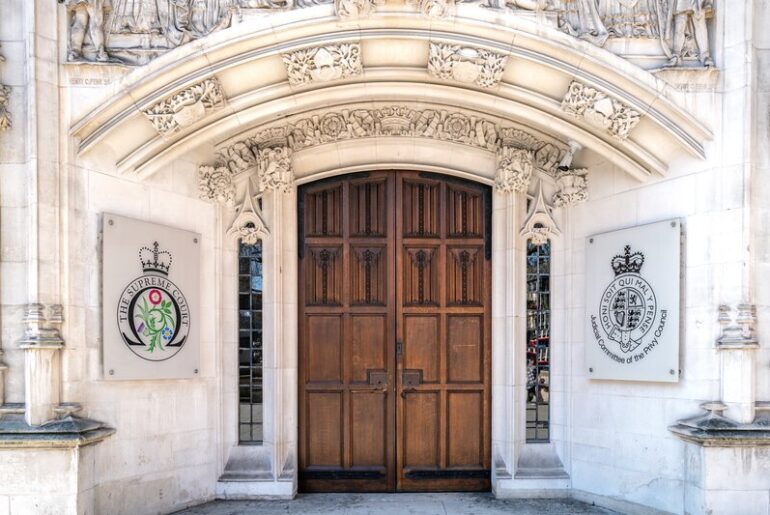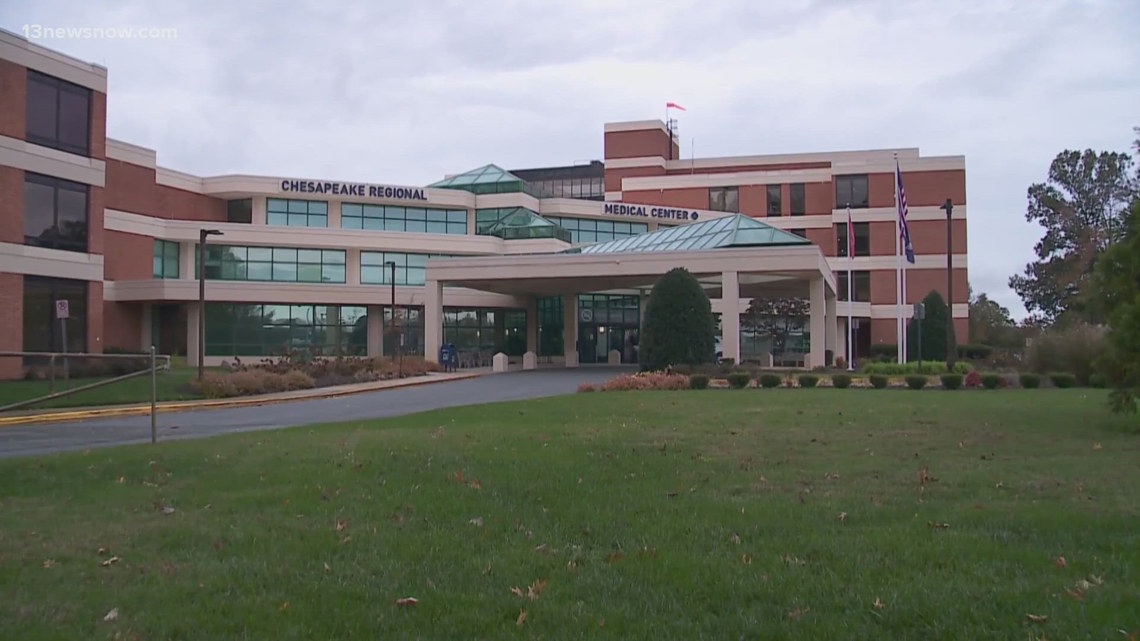
The Virginia Supreme Court ruled that Chesapeake Regional Medical Group, accused by Sentara Medical Group of contract interference, isn’t automatically immune.
VIRGINIA, USA — The Virginia Supreme Court ruled that Chesapeake Regional Medical Group (CRMG), a subsidiary of the Chesapeake Hospital Authority, is not automatically protected by sovereign immunity in a lawsuit filed by Sentara Medical Group for a non-compete contract violation.
Sentara sued CRMG and a former physician for allegedly interfering with the doctor’s noncompete agreement. The physician left Sentara and joined CRMG, which operates within the same area covered by the noncompete.
A lower court dismissed the case against CRMG, agreeing with the argument that, as a subsidiary of an immune entity, CRMG shared that immunity. The Supreme Court disagreed, saying subsidiaries do not automatically inherit sovereign immunity. Instead, courts must evaluate the specific facts and circumstances before granting such protection.
The court sent the case back to the lower court for further proceedings, noting CRMG bears the burden of proving it is entitled to immunity.
Sentara argued the subsidiary should not be shielded because it was operating independently of the Authority’s governmental functions. CRMG had claimed it was covered because the Authority created it.
The Supreme Court’s decision highlights that subsidiaries of state-created entities must demonstrate a clear connection to governmental functions to claim immunity, rather than relying solely on their parent organization’s status.