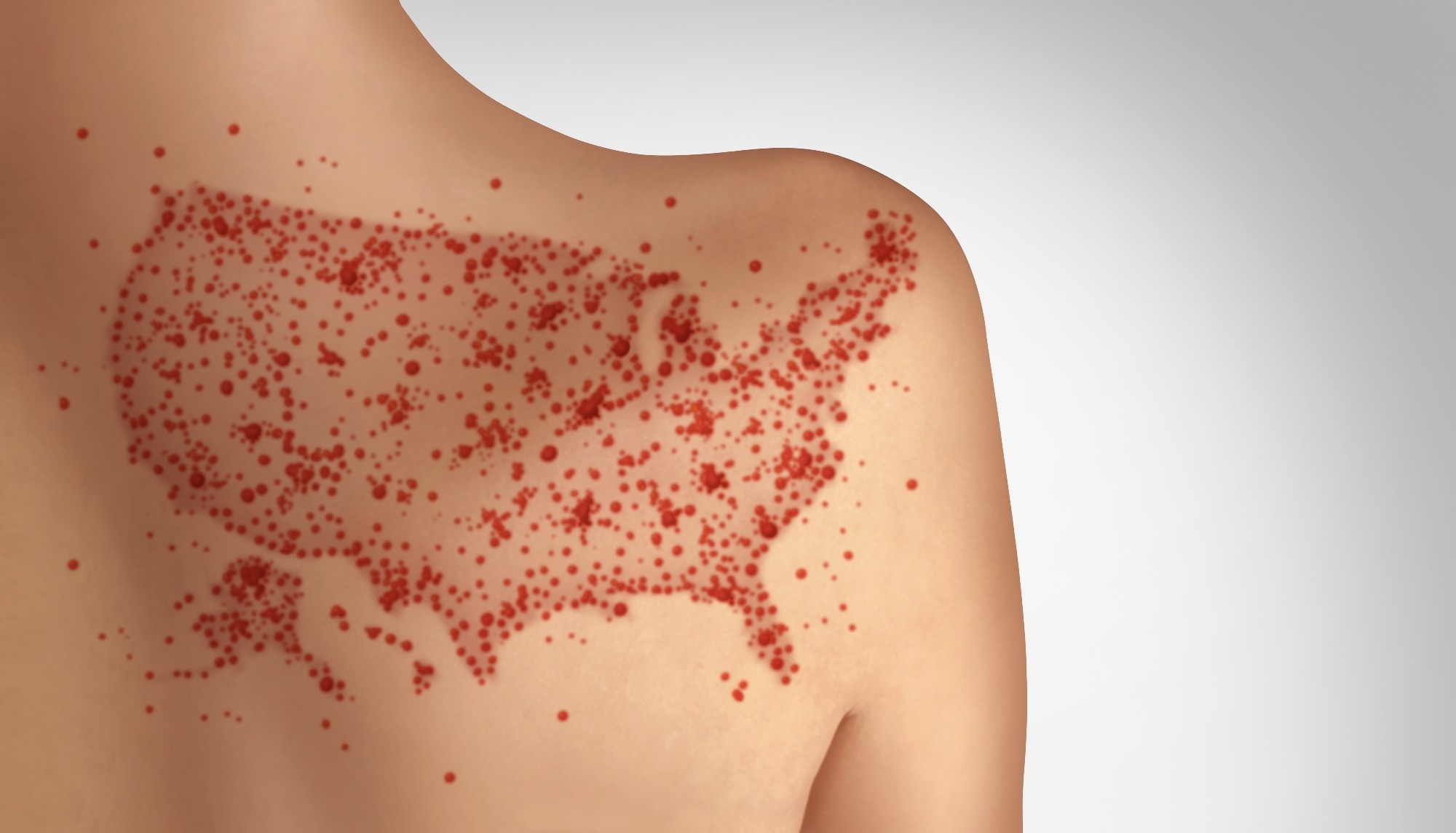
New research reveals how measles infection disrupts immune memory and increases vulnerability to other infections, reinforcing why high vaccination coverage remains critical to preventing outbreaks worldwide.
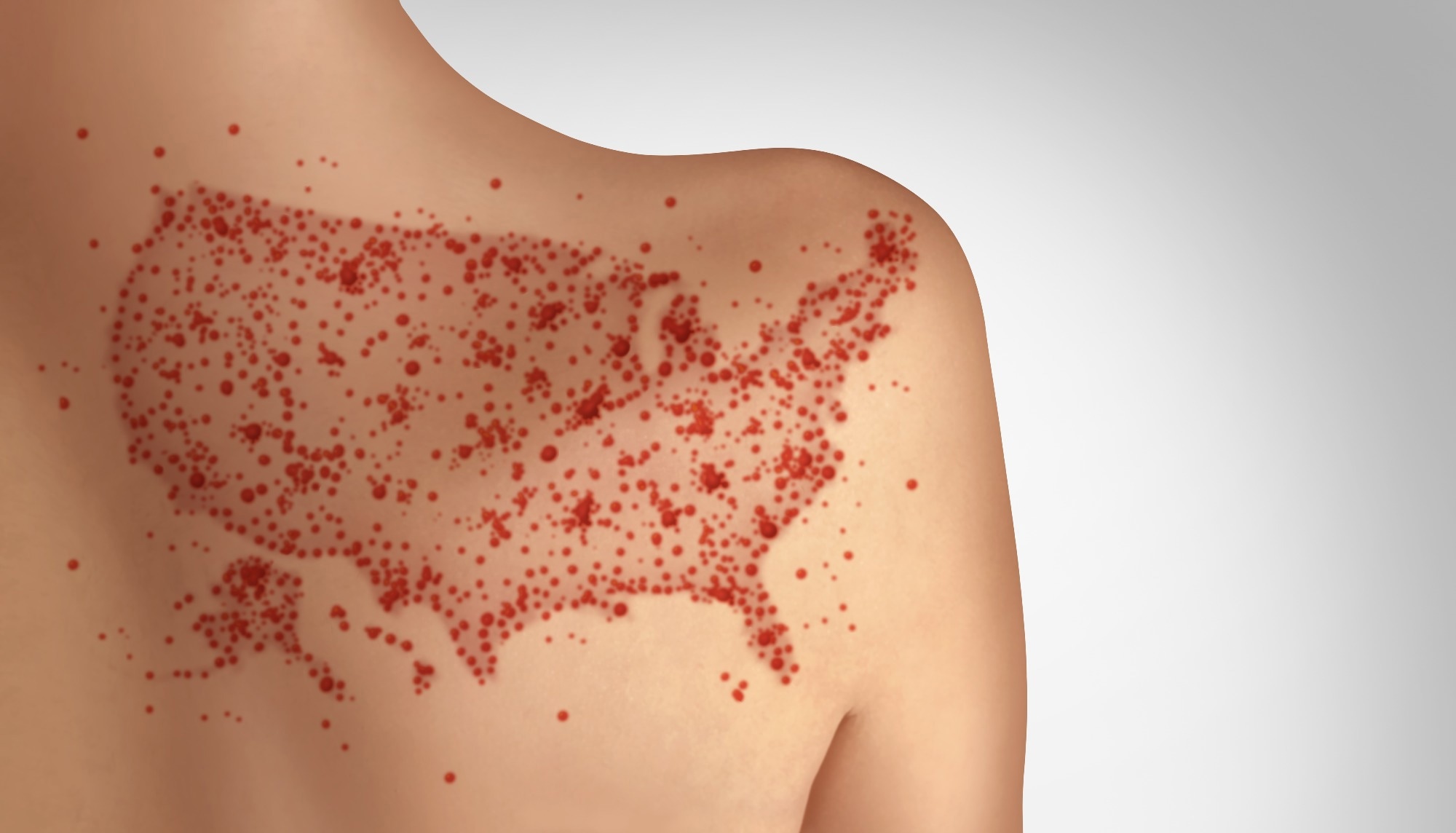
Review: Measles: An Updated Literature Review of the Host Response, Pathogenesis, Complications, Prevention Measures, and Recent Outbreaks. Image Credit: Lightspring / Shutterstock
In a recent review published in the journal Current Issues in Molecular Biology, a group of authors synthesized current scientific evidence on measles virus biology, host immune response, complications, treatments, and prevention strategies.
Background
Measles is one of the most contagious viral diseases, and even a single case can result in an average of 12–18 secondary cases among the susceptible population, though this number can vary with population density, immunity levels, and vaccine coverage.
Global cases still remain high after decades of vaccination efforts. Millions of infections occur globally each year, with recent estimates suggesting around 11 million infections globally in 2024, even in countries where it was believed to be eliminated. Measles causes severe illness and weakens the immune system, making people more prone to new infections.
Recent outbreaks are due to immunity gaps, vaccine hesitancy, disruptions to routine immunization programs, and fragile health systems. More research is needed to understand immune responses, complications, and how to enhance global prevention efforts.
Measles virus and transmission
Measles, also known as rubeola, is caused by the measles virus, a negative-sense single-stranded ribonucleic acid (RNA) virus belonging to the Paramyxoviridae family. The virus spreads primarily through airborne respiratory droplets and aerosols. Once inhaled, viral particles attach to host cells through receptors such as signaling lymphocytic activation molecule (SLAM/CD150) on immune cells and nectin-4 on epithelial cells. These contacts enable the virus to enter cells and replicate readily.
Following infection, the virus spreads through lymphatic and immune cells, allowing systemic dissemination throughout the body. Individuals are most contagious from approximately four days before to four days after rash onset, when viral levels in respiratory secretions are highest.
This makes the transmission potential high, and so any slight decrease in vaccination coverage can easily translate into a disaster in terms of outbreaks. Historically, widespread vaccination dramatically reduced global incidence, yet immunity gaps still allow the virus to re-emerge in vulnerable communities.
Host immune response and viral immune evasion
A striking feature of measles infection is its ability to suppress the immune system. Normally, infected cells release inflammatory molecules that activate immune defenses. However, proteins produced by the measles virus can disrupt not only the interferon signalling pathway but also other immune signalling pathways, thereby weakening the body’s antiviral immune response.
The disruption of these immune pathways contributes to the loss of important immune cells (for example, Cluster of Differentiation 4 (CD4)+T cells, CD8+T cells, and B lymphocytes), resulting in a condition known as lymphopenia. In addition, the virus can also destroy memory immune cells that had previously encountered a specific pathogen. Because of these two effects, individuals who have recovered from measles will lose immunity against other pathogens they were previously immune to, a phenomenon often referred to as “immune amnesia,” which can increase susceptibility to other infections for months or even years after recovery.
Recent molecular studies have identified genes activated during infection that regulate antiviral responses and inflammation. For example, interferon-stimulated genes and antiviral immune signalling pathways are intensively expressed in the tissues involved in infection as a way of combating the virus by the body. Nevertheless, the virus’s immune-evasion strategies often allow it to replicate before these defenses become effective.
This ability to disrupt immune memory has significant public health implications because it increases susceptibility to secondary infections long after the initial measles illness has resolved.
Complications and long-term health effects
Although measles is often associated with fever and rash, the disease can lead to severe complications. Pneumonia, otitis media (middle ear infection), diarrhea, and encephalitis are among the most common acute complications of measles.
Neurological complications are among the most serious outcomes. Other neurological conditions, such as acute disseminated encephalomyelitis and measles inclusion body encephalitis, have also been reported in rare cases.
Rare but severe neurological conditions include subacute sclerosing panencephalitis (SSPE), which typically develops around 7–10 years after the initial infection and is almost always fatal once symptoms begin.
Another important consequence is post-measles immune amnesia. During infection, immune cells migrate to lymphoid tissues where the virus replicates, temporarily reducing the number of immune cells in circulation. Children under five years of age, adults above 20 years, pregnant women, and people with poor nutrition face higher risks of severe illness. Deficiency of vitamin A can worsen disease severity and complications.
Treatment and supportive care
Currently, there is no specific antiviral therapy approved for measles, and treatment focuses mainly on supportive care. Medical care primarily focuses on maintaining hydration, controlling fever, providing nutritional support, and treating secondary bacterial infections when necessary.
Children with measles are often given Vitamin A supplements, as lower levels of Vitamin A have been associated with more severe disease and eye problems. The World Health Organization (WHO) recommends giving Vitamin A to children with measles in two doses, which reduces morbidity and mortality, with an additional dose recommended several weeks later if clinical signs of vitamin A deficiency are present.
Researchers have studied supplements such as antioxidants, vitamin D, and zinc because oxidative stress and immune dysfunction worsen disease. However, the evidence supporting these interventions remains inconclusive.
Prevention and vaccination strategies
Prevention remains the most effective approach to controlling measles. The measles-mumps-rubella (MMR) vaccine induces a strong immune response, and two doses are recommended to ensure immunity.
Vaccination coverage of approximately 95% is needed to protect vulnerable populations who cannot get vaccinated. If exposed, the MMR vaccine can be administered within 72 hours of exposure in eligible individuals, or immune globulin within six days for infants, pregnant individuals, or immunocompromised patients, which can help reduce disease risk or severity.
There are several challenges faced like vaccine hesitancy, missing records and disruptions in healthcare systems, which complicate prevention strategies. Public education, improved surveillance, and targeted immunization campaigns are essential to close immunity gaps and prevent future outbreaks.
Conclusion
The reviewed evidence highlights measles as a highly transmissible viral disease capable of causing profound immune suppression and serious complications. Beyond acute illness, measles virus infection can weaken immune memory, increasing susceptibility to other infections for extended periods. Although supportive treatments and nutritional interventions such as vitamin A supplementation may reduce disease severity, no definitive antiviral therapy currently exists. Consequently, prevention through widespread vaccination remains the most effective strategy for controlling measles.
High vaccination awareness, strengthened surveillance systems, and efforts to address vaccine hesitancy are paramount factors in preventing future outbreaks and protecting vulnerable populations globally.
Journal reference:
Au, S., Saini, S., Cruz, W. D., & Venketaraman, V. (2026). Measles: An Updated Literature Review of the Host Response, Pathogenesis, Complications, Prevention Measures, and Recent Outbreaks. Current Issues in Molecular Biology. 48(2). DOI: 10.3390/cimb48020206, https://www.mdpi.com/1467-3045/48/2/206