 Allergy Therapeutics peanut vaccine shows strong immune response in early trial Proactive uses images sourced from Shutterstock
AIM-listed biotech reports biomarker results suggesting its VLP Peanut treatment could work in as few as three injections
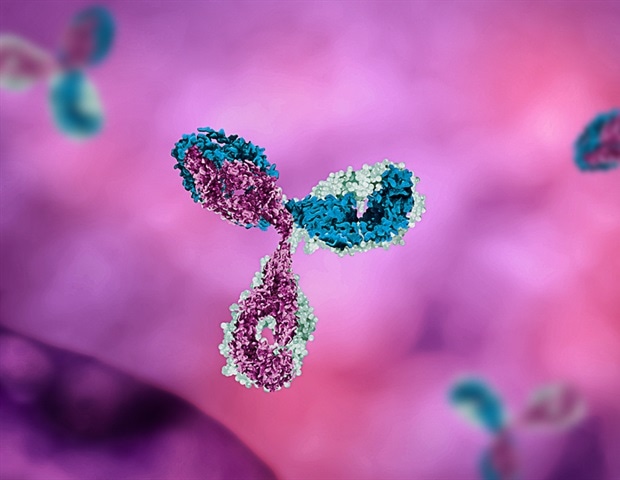
Allergy Therapeutics PLC (AIM:AGY, OTC:AGYTF, FRA:HHU), the AIM-listed allergy immunotherapy company, has reported positive biomarker results from its PROTECT Phase I/IIa trial of VLP Peanut, a virus-like particle (VLP) vaccine designed to treat peanut allergy.
The data showed a strong and consistent immune response across all trial participants, with higher doses associated with greater reductions in basophil sensitivity, a measure of how reactive immune cells are to allergens.
At the highest dose tested, basophil sensitivity fell by 376% for whole peanut extract and 489% for Ara h2, the primary peanut allergen, compared to placebo.
The trial also recorded a dose-dependent increase in Ara h2-specific IgG, a class of protective antibody associated with tolerance, reaching statistical significance at all but the lowest dose tested.
A reduction in wheal diameter, the raised skin reaction measured during standard allergy testing, was observed one month after treatment, while placebo patients showed a slight increase.
Mo Shamji, professor in immunology and allergy at Imperial College London, said the results from the IgE-Fab binding assay, which measures how allergen attaches to immune cells, were “remarkable, especially given the short treatment duration of three injections over two to three months.”
He added that comparable outcomes from oral immunotherapy, the current standard of care, typically require around 12 months of daily administration.
Alexandra Santos, chair in paediatric allergy at King’s College London and chair of the trial’s safety review committee, highlighted the relevance of the basophil activation data, noting that this biomarker is “highly representative for food challenge outcome,” which will serve as the primary endpoint in upcoming phase II/III trials.
Manuel Llobet, chief executive of Allergy Therapeutics, said the results demonstrated “clinical proof of concept” and distinguished VLP Peanut from both oral immunotherapy and monoclonal antibody treatments currently available or in development.
The company said it intends to progress to a phase IIb trial to establish dose range and efficacy via food challenge.
Peanut allergy affects millions of people globally and can cause severe, potentially fatal reactions.