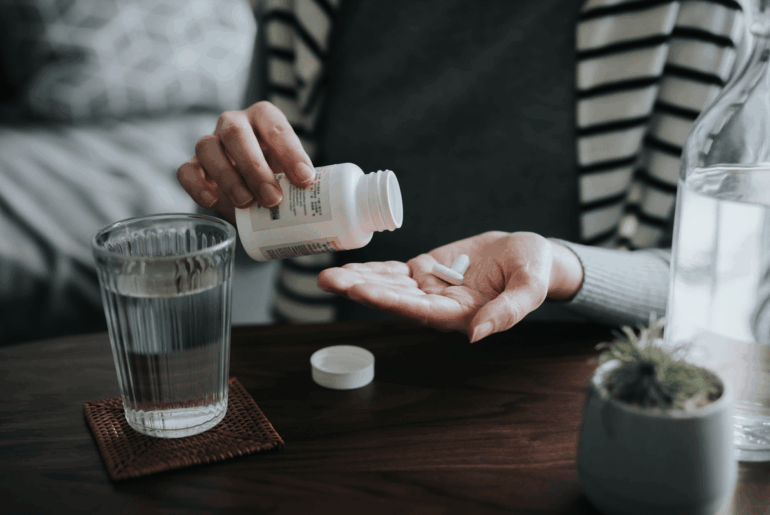
Fred Hutch Cancer Center psychologist and public health researcher Jonathan Bricker, PhD, talks about why people readily embrace dietary supplements ― which are unregulated by the U.S. Food and Drug Administration, or FDA, and require no safety or scientific studies ― but at the same time, turn away from science-based cancer prevention like the HPV vaccine.
“It’s not about ignorance or misinformation,” said Bricker, who holds the Endowed Chair in Cancer Prevention. “It’s about a basic human desire to avoid discomfort and to have control.”
Key takeaways:
Many people take supplements in order to improve health and avoid cancer.But large clinical trials led by Fred Hutch have found some supplements actually promote, not prevent, cancer.At the same time, vaccine hesitancy is increasing ― even for safe, long-studied vaccines that actually prevent cancer.What’s the psychology behind our willingness to embrace “quick fixes” like supplements and peptides even when there’s little science behind their efficacy, but turn away from tried-and-true cancer prevention breakthroughs like the HPV vaccine?It’s about a “basic human desire to avoid discomfort and to have control,” according to Bricker.Dietary supplements “aren’t just biological interventions, they’re psychological interventions,” he said, because they promise immediate action and give us agency.Public health messaging tends to take a rational approach. This triggers fear, which then drives people toward the “quick biomedical fix.” It creates a “psychological feedback loop.”