Published on Mar. 5, 2026
Got story updates? Submit your updates here. ›
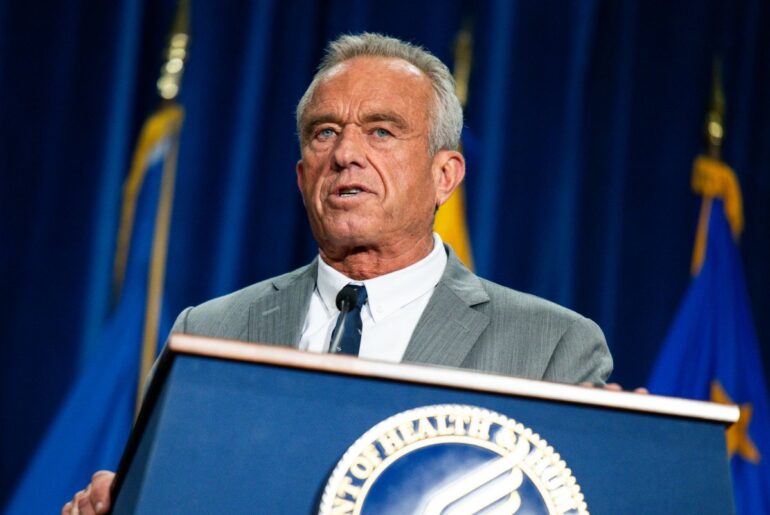
The U.S. Department of Health and Human Services (HHS) announced a new initiative where 53 medical schools across 31 states have pledged to require at least 40 hours of comprehensive nutrition education or competency equivalent for medical students before graduation. HHS will also provide $5 million in funding to support the integration of nutrition education into medical, nursing, and dietitian programs.
Why it matters
This initiative aims to address the chronic disease epidemic in the U.S. by ensuring that future doctors receive more robust nutrition education. Currently, the average medical student receives less than 2 hours of nutrition education per year, despite poor diet being a major driver of chronic conditions like diabetes, heart disease, and obesity. Increasing nutrition education for doctors is expected to improve their ability to have productive conversations with patients about diet and its impact on health.
The details
Under the new initiative, more than 30,000 physicians each year will graduate with enhanced nutrition education. HHS Secretary Robert F. Kennedy Jr. stated that the current average of less than 2 hours of nutrition education per year for medical students “ends now.” The $5 million in HHS funding will help medical, nursing, and dietitian programs develop new coursework, clinical training, and research focused on evidence-based nutrition science.
The initiative will be implemented starting in the fall of 2026.
The players
Robert F. Kennedy Jr.
The U.S. Secretary of Health and Human Services, who announced the new nutrition education initiative.
David Skorton, MD
The president and CEO of the Association of American Medical Colleges, who praised the collaboration between HHS and medical schools.
Bobby Mukkamala, MD
The president of the American Medical Association, who emphasized the importance of nutrition education for all physicians, not just those specializing in diet and nutrition.
Got photos? Submit your photos here. ›
What they’re saying
“Today represents a mutual recognition that HHS and leaders in American medicine can come together to advance shared goals and interests.”
— Robert F. Kennedy Jr., U.S. Secretary of Health and Human Services (medpagetoday.com)
“This is a great example of an area where alignment between government and academic medicine can drive real impact for patients.”
— David Skorton, MD, President and CEO of the Association of American Medical Colleges (medpagetoday.com)
“For too long, nutrition has been treated as an elective in medical education — a few hours here and there. Considering how important what we eat is for our health, it should be a basic foundational training, because it impacts every one of our patients.”
— Bobby Mukkamala, MD, President of the American Medical Association (medpagetoday.com)
What’s next
HHS will monitor the implementation of the nutrition education initiative at the 53 participating medical schools to ensure the 40-hour requirement is met. The department will also consider expanding the program to additional medical schools in the future.
The takeaway
This initiative represents a significant step forward in addressing the chronic disease epidemic in the United States by ensuring that future doctors receive more comprehensive nutrition education. By making nutrition a core part of medical training, this program aims to empower physicians to have more impactful conversations with patients about the role of diet in maintaining good health.