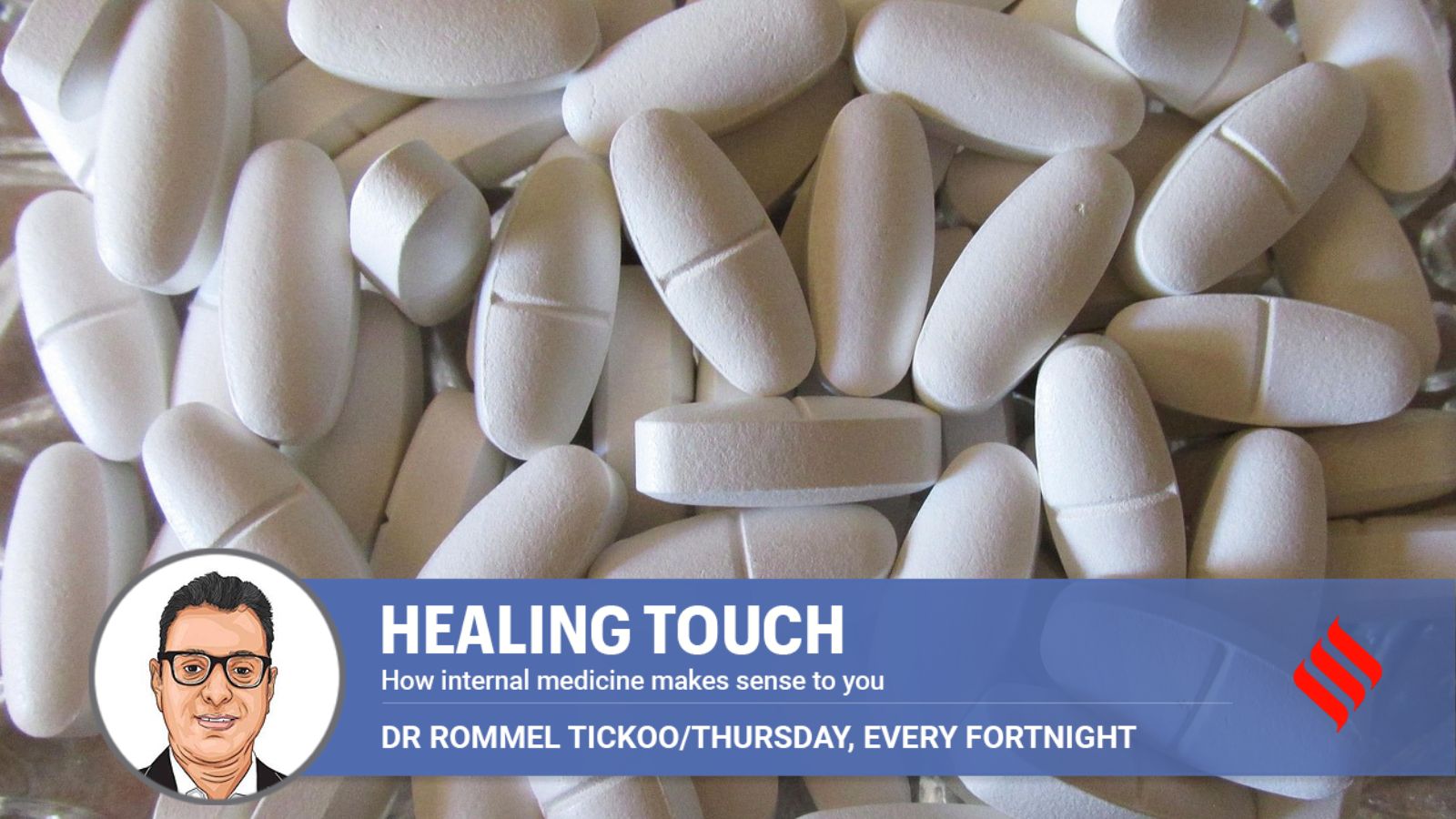
A 32-year-old woman came to the OPD, seemingly disoriented and in a confused state. She had been experiencing fatigue, constipation, nausea and frequent urination for two weeks. Her blood work threw up an unexpected count: her serum blood calcium was 12.5 mg/dL (normal being 8.5 to 10.5 mg/dL). She happened to be taking high calcium supplements of 2,000 mg instead of 1,000 mg thrice daily because of an online advisory that said she would develop stronger bones and hair. She even took Vitamin D capsules on her own to enhance calcium absorption. And she had dahi, almond-laden milk and paneer daily in her meals. A double whammy indeed.
Most often we think vitamin and mineral supplements don’t need a prescription or a fixed dosage. We pick them over the counter, thinking they will take care of our deficiencies and well-being. Fact is unsupervised use can actually land you in hospital. My patient’s kidney function was deranged and her thyroid function was impaired. We had to keep her on IV fluids and wash out the excess calcium from her blood.

How and where did she go wrong? The truth is young, healthy people do not need calcium supplements as they can get their required daily quota through a balanced diet. Any supplementation over and above their diet can only build up calcium levels and trigger kidney stones and cardiovascular issues. Dietary calcium is safer and more effective for bone health than pills, which may cause unwanted side effects like constipation, gas, or heart disease risks.
What are health impacts of excess calcium?
If left untreated or with long-term overuse, excess calcium or hypercalcemia can lead to kidney stones and permanent kidney damage. High calcium levels can affect the heart’s electrical system, leading to an irregular heartbeat (arrhythmia) and other cardiovascular issues. Excess calcium impacts the brain leading to confusion, depression, irritability, and in extreme cases, coma. Although calcium is vital for bones, high calcium levels can trigger a higher release of calcium from bones into the blood, leading to weakened, brittle bones
Do you need supplements when your diet is balanced?
Most people, who have sufficient dairy products, leafy greens or fortified foods, easily meet their daily calcium requirements (typically 1,000–1,200 mg/day) without supplements. The upper limit that the body can tolerate short-term is 2,000 mg a day. Besides, calcium from food is absorbed more slowly and in smaller, safer amounts alongside other nutrients, avoiding the risks associated with high-dose supplements.
Supplements are generally recommended for those who cannot meet the daily quota from their diet. Even then, the diet and supplement push should not push up calcium beyond 1,000 to 1,200 mg per day.
A daily diet achieving 1,000 mg of calcium can be structured by incorporating 3-4 servings of dairy (milk, yogurt, cheese) and calcium-rich plant foods like tofu, kale, almonds and fortified beverages. A cup of yogurt gives 300-400 mg of calcium, a glass milk another 300 mg, 28 g of cheese can give another 200 mg. Then there are fortified products.
Story continues below this ad
Who really needs supplements?
Supplements are generally recommended only for individuals with specific conditions such as those with bone issues like osteoporosis, vegan diets, lactose intolerance or certain digestive disorders. Pregnant and post-menopausal women and those with chronic kidney disease (CKD) may need some supplementation. They should be taken under medical guidance.
How much calcium are you getting from your supplement?
Calcium carbonate and calcium citrate are the two main, most common forms of calcium supplements used to treat or prevent low calcium levels. Calcium carbonate provides about 40 per cent elemental calcium by weight (this means 1,000 mg = 400 mg calcium), while calcium citrate provides about 21% elemental calcium (1,000 mg = 200 mg calcium. This is what you get from Supracal). Carbonate is best taken with food as it needs gastric acids for dissolution and absorption whereas citrate can be taken with or without food and is often better for those with low stomach acid.
Usually this 1,000 mg supplementation is split into two tablets of 500 mg each daily for better absorption.
On their own the tablets do no harm when you keep to this dosage. But if you increase their frequency, have Vitamin D supplements that are not prescribed by your doctor and load up your plate with dairy, the cumulative effect results in a spike. More isn’t better just because the supplement seems harmless.
(Dr Tickoo is Director, Internal Medicine, Max Healthcare)
![an image of sleep. [Pixabay]](https://www.vitaminrush.com/wp-content/uploads/2026/03/1772763455_news-p.v1.20260306.32e889dcd1314f75beb105be8fd7b06b_P1.jpg "A study found that so-called “weekend sleep,” which supplements insufficient sleep on weekdays on we..")