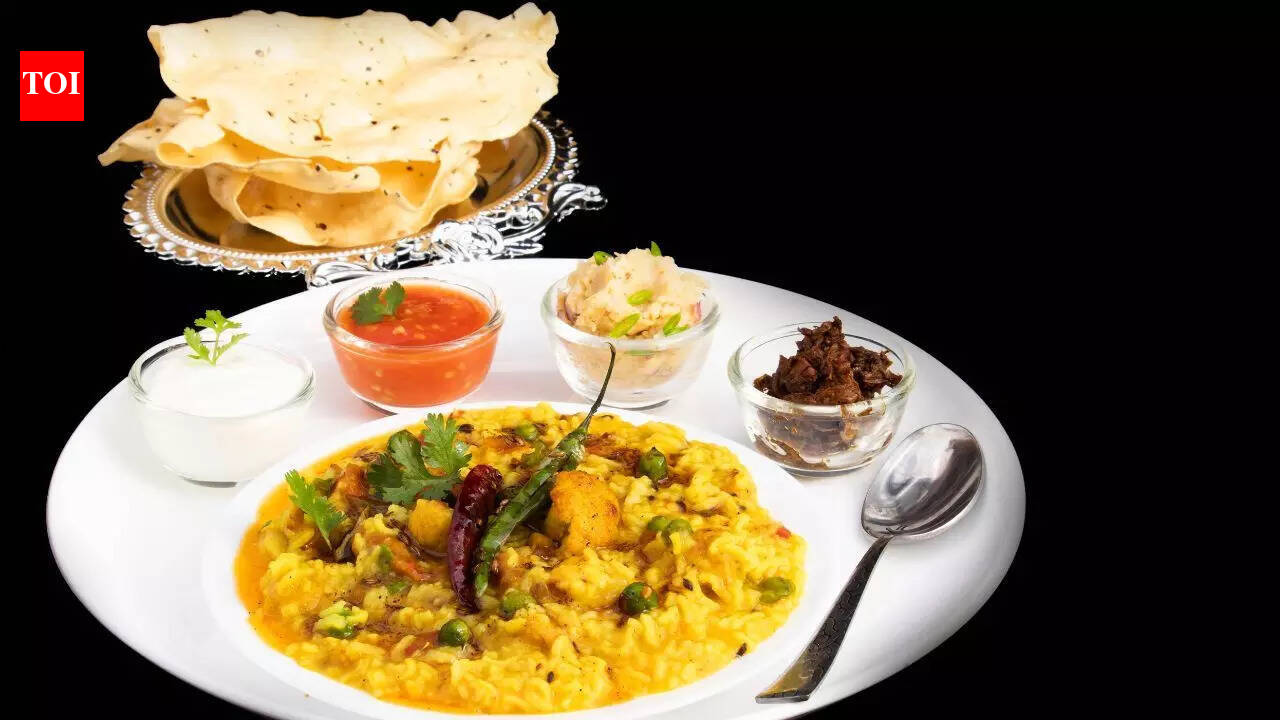
There is something about khichdi that the body seems to understand without explanation. When digestion is unsettled or energy feels low, people rarely crave complicated food. More often, they look for something familiar, warm, and easy. For many, that food is khichdi. Lavleen Kaur, Chief Dietitian & Founder, Santushti Holistic Health & Healing says, “I often see khichdi becoming the first meal people return to when their system feels overworked. It is not heavy, and it does not push the digestive system to perform. That gentleness matters. It gives the body a break, allowing digestion to calm down rather than struggle through another demanding meal.”At its core, khichdi is a simple one-pot combination of rice and lentils. Yet this simplicity is exactly what makes it effective. The rice offers easily available energy, while the lentils bring in protein and supportive nutrients. When cooked until soft and eaten warm, the meal becomes especially easy on the stomach. This is why it is commonly given to children, elders, and anyone recovering from illness, stress, or digestive imbalance. 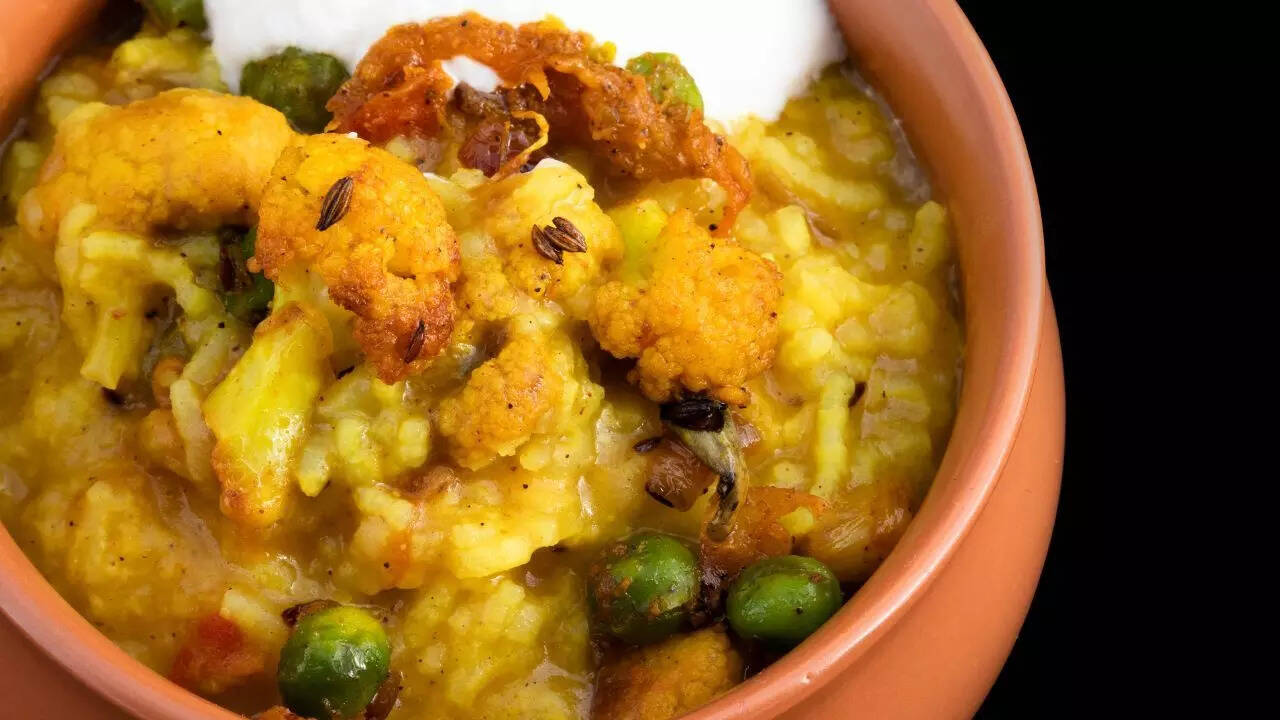
(AI generated by Istock)
“One of the reasons khichdi stays in regular rotation is because people naturally start adjusting it to how they feel. When the stomach is unsettled, many prefer to keep it plain- just moong dal, rice, turmeric, and salt. On days when digestion feels steadier, vegetables get added in without much thought: a bit of lauki, some pumpkin, maybe carrots or whatever is in the kitchen. The meal changes slightly, but it never becomes heavy. Even ghee is usually added by instinct. A little for flavour, a little because it makes the food feel more satisfying. Most people are not thinking in terms of nutrient absorption. They are responding to how their body feels after eating, and over time, they learn what works for them.The same is true for spices. Cumin, ginger, and hing are not chosen from a textbook. They are part of how khichdi has been cooked in Indian kitchens for generations. People add them because they know the meal feels lighter and sits better with these small additions, especially on days when the stomach feels slow or uncomfortable,” says Lavleen.Khichdi is also wrapped up in memory. It is the food many of us were given when we had a fever, an upset stomach, or simply needed rest. That association stays with people. It is not just nourishment; it is a signal that it is okay to slow down and recover. That emotional layer is part of why khichdi feels so settling. Even with changing food habits and packed schedules, khichdi has not disappeared. It keeps coming back into the routine, not because it is trendy, but because it quietly does its job. It continues to work because it meets a basic need: nourishment that does not overwhelm. Whether eaten as a light dinner, a short reset meal, or a simple lunch, it fits easily into daily life without demanding much from the body.But not everyone likes the bland khichdi. So is there a way of making it so that it matches some brilliant rice dishes like Biryani in taste, without compromising on the nutrition level?Chef Gautam Kumar says, “Biryani is high on spices and oil, but Khichdi can be made delicious by cooking it the right way. Good food is not always about an overload of spices and oil but about the subtle taste of basic ingredients that are retained. It can be made beautifully without altering its basic utility—of providing light and comforting nourishment to the body.” 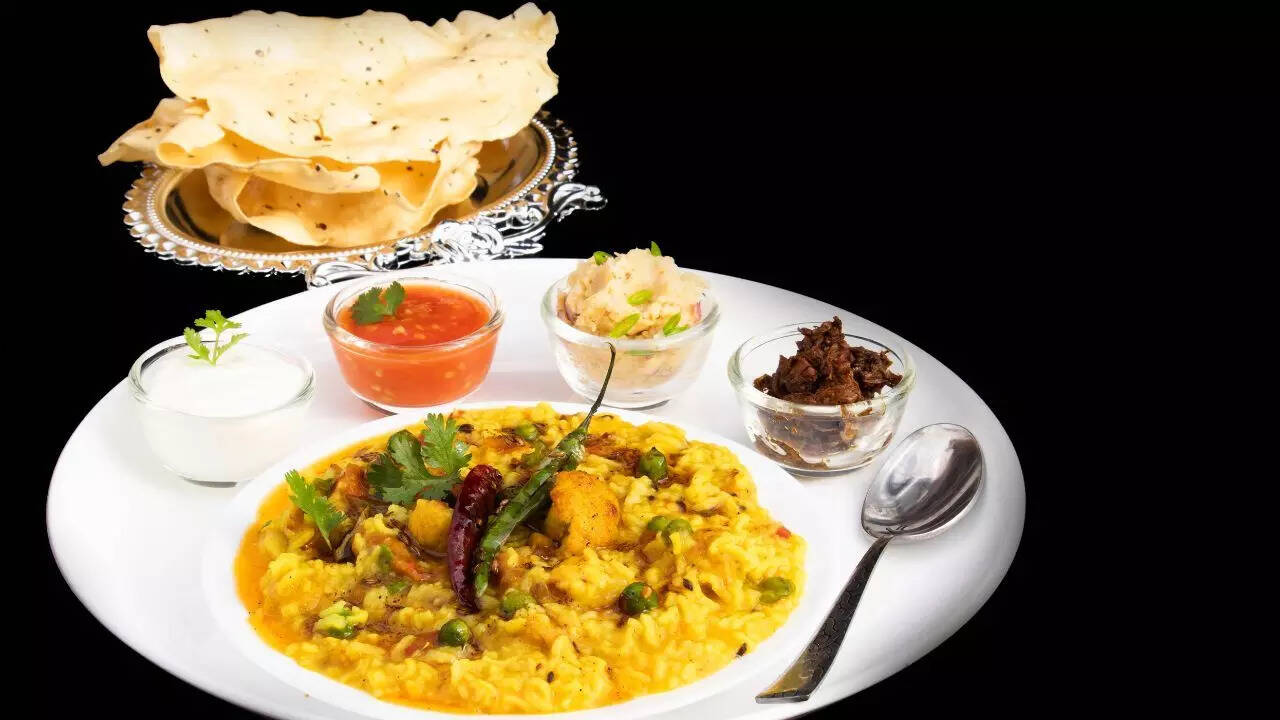
AI Generated fro istock
Ingredients:1/2 cup rice1/2 cup yellow moong dal1 fist arhar dal1 inch cinnamon2 each cardamom and clove pods1 tsp jaggery powderSalt to taste1 tsp turmeric1 tsp coriander powder1 tsp cumin powder1 tsp black pepper powder1 green chilli1/4 cup peas1/4 cup cauliflower florets1/2 cup spinach chopped1 inch grated ginger3 tbsp ghee1 tsp heeng powder1 tsp cumin seeds1 large onion very thinly sliced.Method: Mix a few drops of ghee with sliced onions and dry roast them on a non stick pan or air fryer till crisp. Add one tbsp ghee and roast the dals and rice. Remove from the fire. Add 1 tbsp ghee and add the vegetables and roast. Now cover and cook till soft. Remove and keep aside. Now add the rice and dal in a pressure cooker along with cinnamon, cardamom, cloves, salt, and turmeric and pressure cook with 4 times the amount of water for 4 whistles. Allow to cool naturally. In a pan add 1 tbsp ghee. Add heeng and whole cumin seeds and allow to splutter. Now add ginger, green chillies, the rest of the spices, and jaggery. Cook on low flame for 1 minute and add the cooked rice dal mixture and the veggies. Mix well. Adjust seasoning and top with ghee and crisp onions, and serve.