Medically reviewed by Maggie Moon, MS, RD
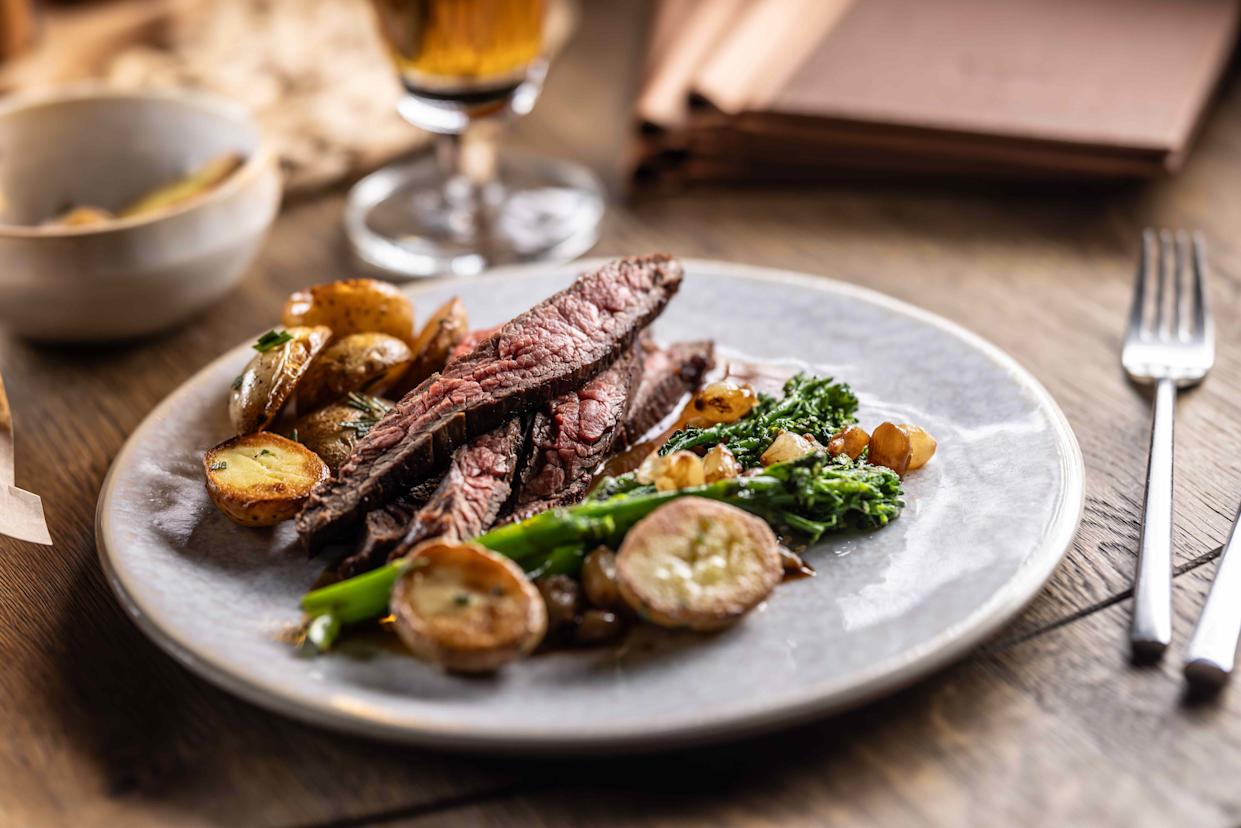
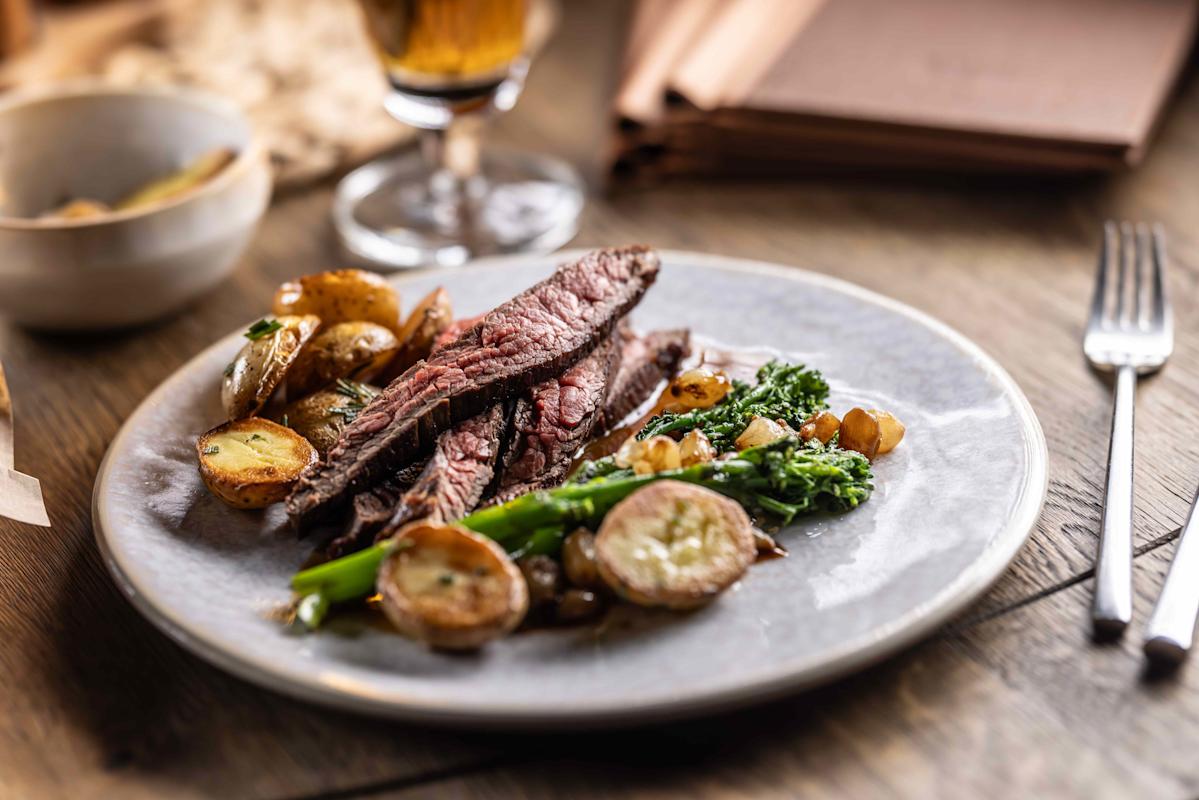
Beef is an excellent source of vitamin B12.
Credit: SimpleImages / Getty Images
Vitamin B12 supports red blood cells, brain health, and DNA production, with adults needing about 2.4 micrograms daily.
Shellfish like clams, oysters, and mussels are the richest sources, while dairy, eggs, and fortified foods can help fill gaps.
Most people can meet their B12 needs through food, but supplements may help those with restricted diets or absorption issues.
Vitamin B12 helps your body produce DNA and red blood cells, supports brain health, plays a key role in energy metabolism, and encourages healthy nerve function. The recommended daily value (DV) for B12 is 2.4 micrograms (mcg) for adults, 2.6 mcg for pregnant people, and 2.8 mcg for people who are breastfeeding. Here are 15 foods rich in vitamin B12.
1. Clams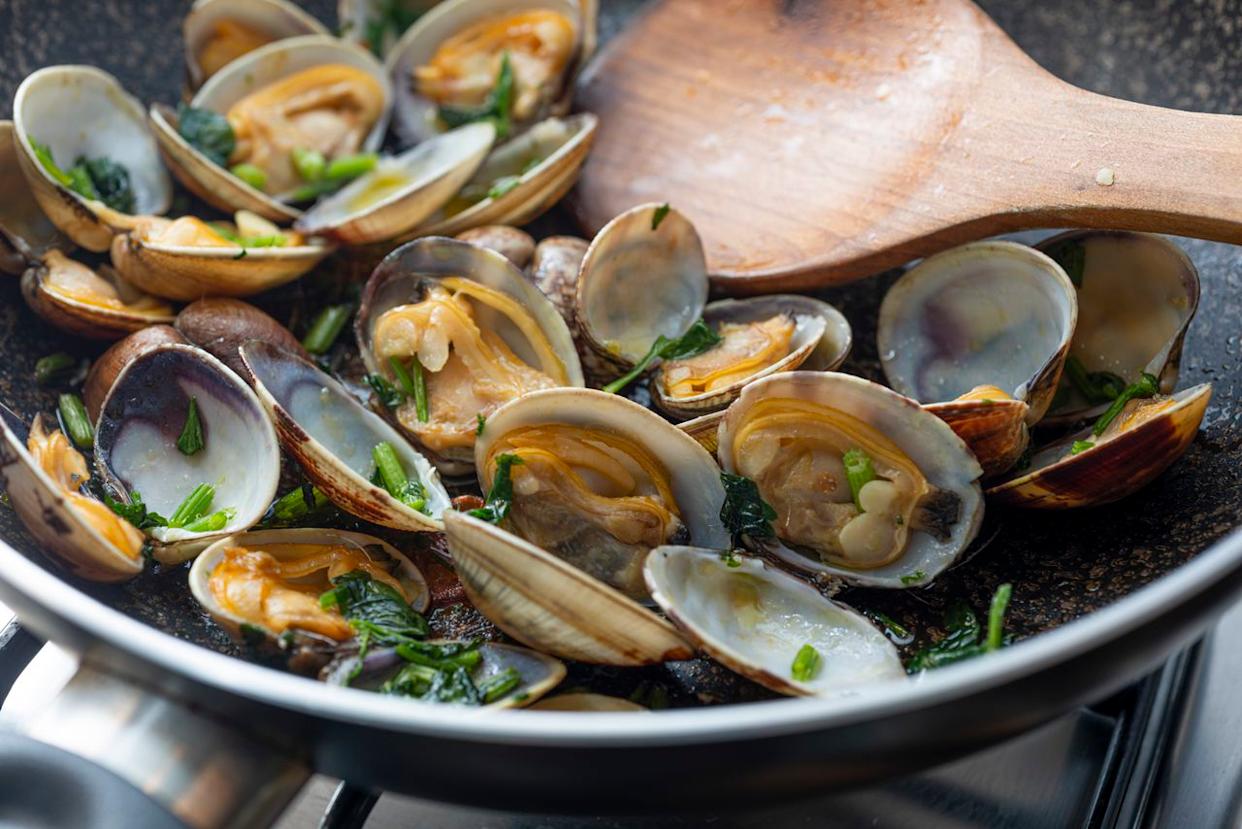
Credit: Francesco Carta fotografo / Getty Images
Vitamin B12: 84.1 mcg in 3 oz of cooked clams (3,504% of your DV)
Not only do clams have the highest concentration of vitamin B12 in any food, but they’re also filled with potassium.
Clams are delicious in pasta dishes, soups, or stews. Fresh clamshells will be closed, or, if slightly open, will close when tapped (otherwise, throw them out). To prepare, steam them until the shells crack open, or boil for about five minutes after the shells open.
Tinned or frozen pre-shelled clams are a convenient alternative.
2. Oysters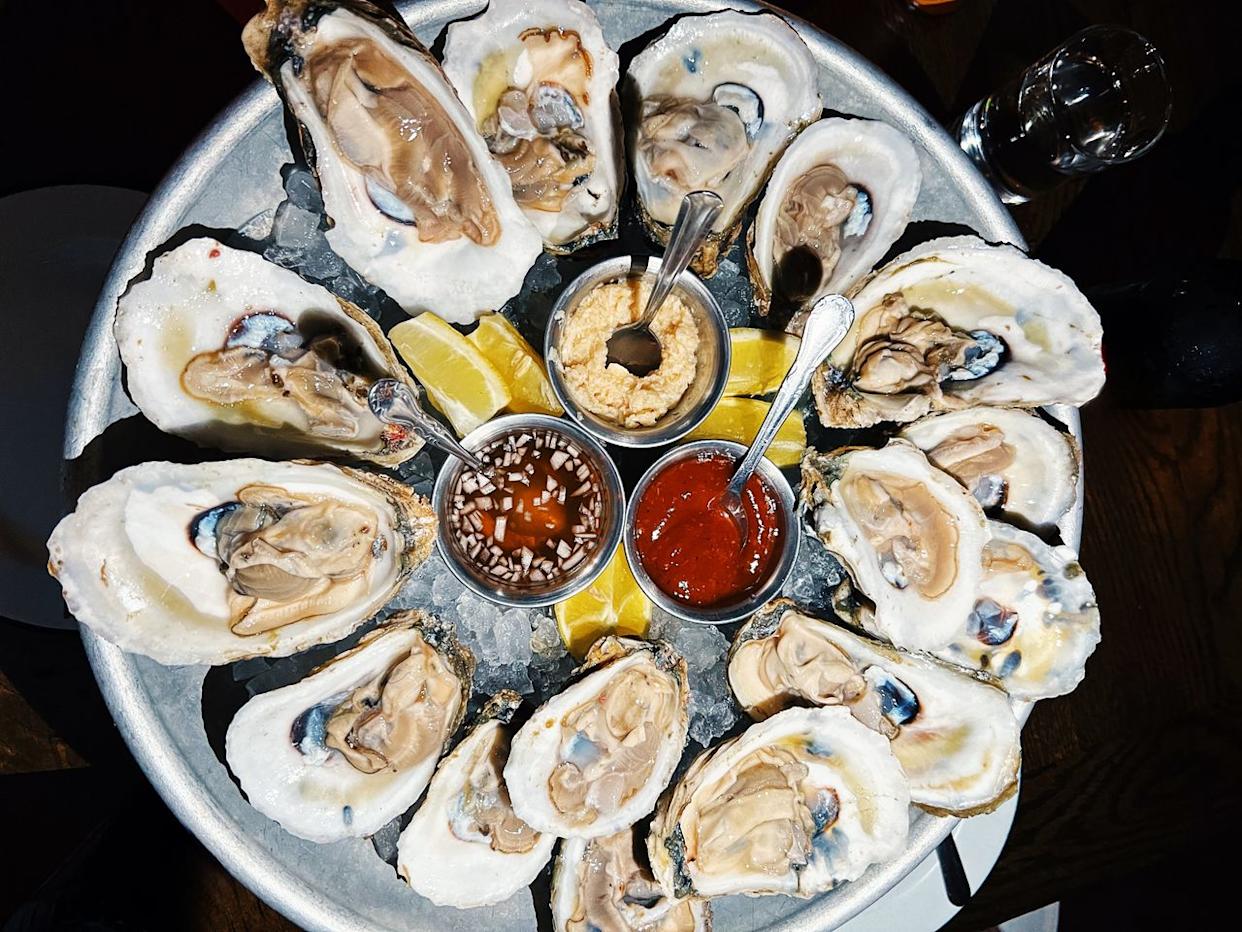
Credit: Alexander Spatari / Getty Images
Vitamin B12: 24.5 mcg in 3 oz of cooked oysters (1,020% of your DV)
Oysters contain more zinc than any other food (more than 250% DV per serving). The essential mineral supports your immune system, wound healing, and body development.
Oysters make a good appetizer.
3. Nutritional Yeast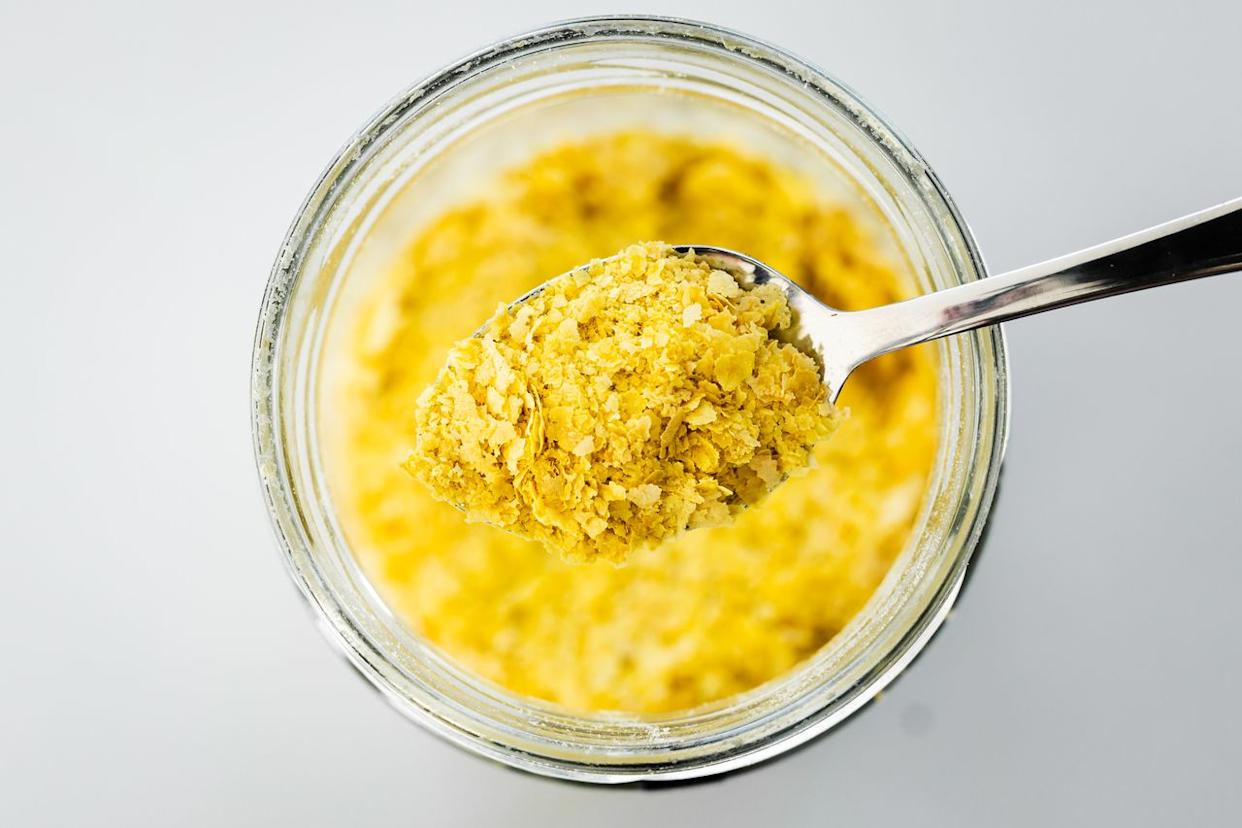
Credit: faithiecannoise / Getty Images
Vitamin B12: 24 mcg in 3 tbsp of nutritional yeast (1,000% of your DV)
Nutritional yeast—a seasoning with a nutty, cheesy flavor—is a great vegan source of protein and other B vitamins.
You can sprinkle nutritional yeast on popcorn, kale chips, or pasta dishes.
4. Mussels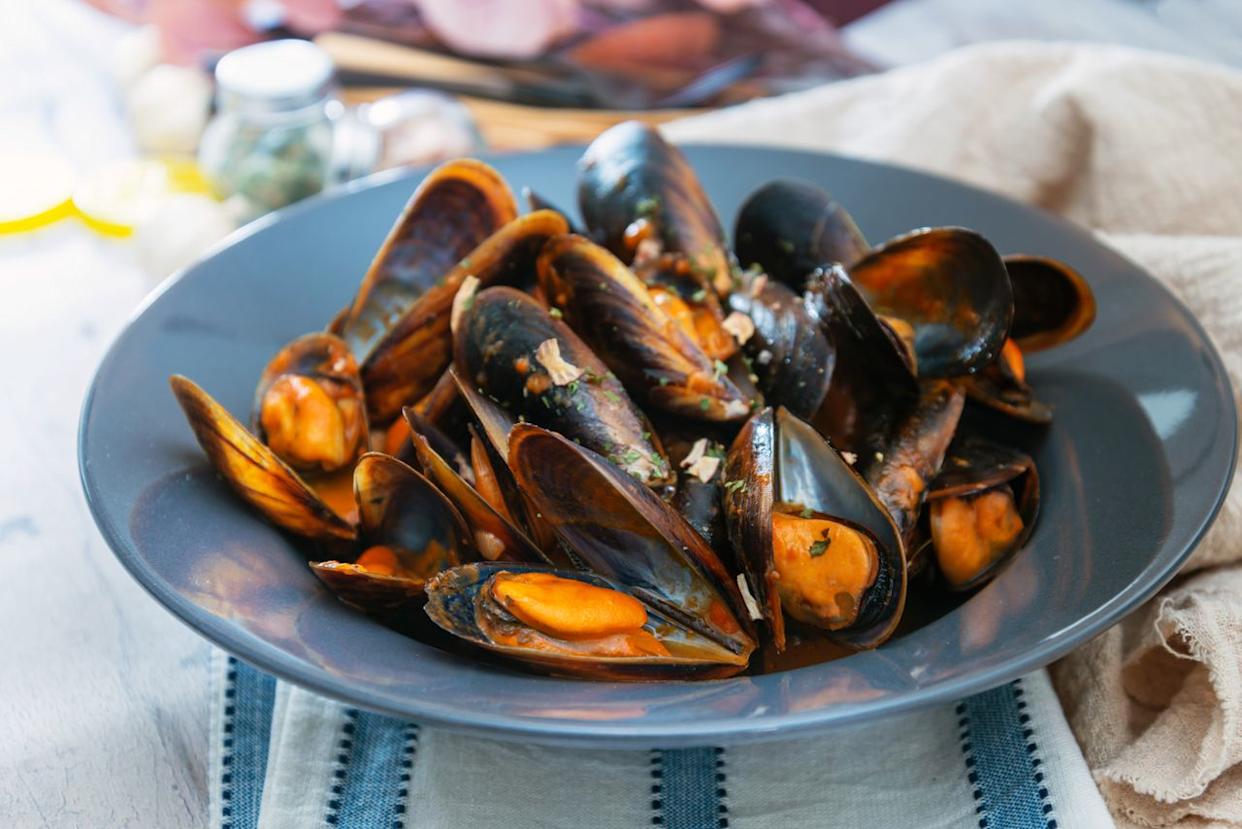
Credit: littleclie / Getty Images
Vitamin B12: 20.4 mcg in 3 oz of cooked mussels (850% of your DV)
Mussels contain protein, potassium, vitamin C, and omega-3 fatty acids.
You can prepare and eat mussels similarly to clams.
5. Crab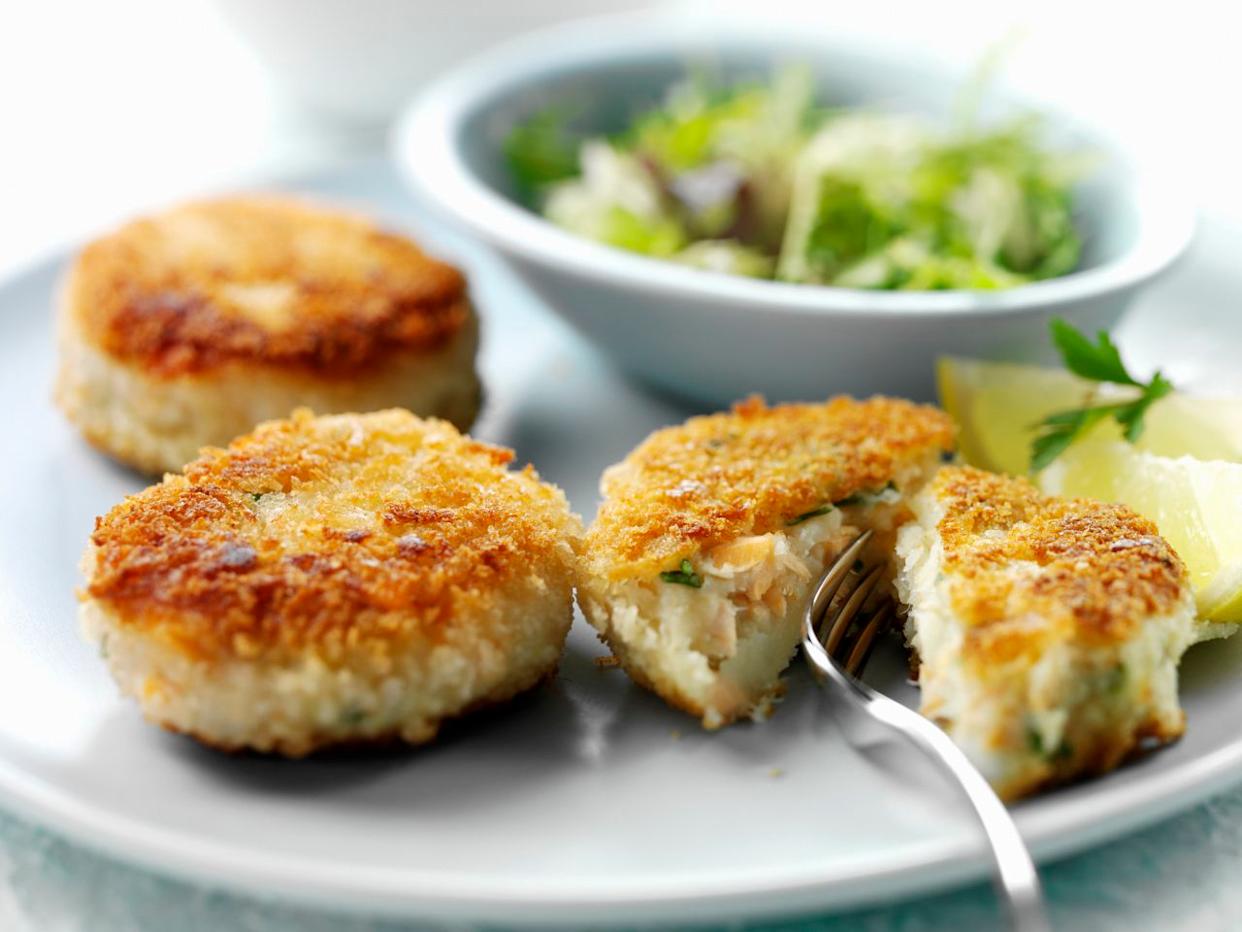
Credit: Joff Lee / Getty Images
Vitamin B12: 7.6 mcg in 3 oz (316% of your DV)
Crab meat contains vitamins A, B, and C, as well as magnesium. Like oysters, it has zinc—3 oz contains 3.01 mg (27% DV).
Prepare crab cakes as an appetizer, or add crabmeat to seafood chowder or salads.
6. Trout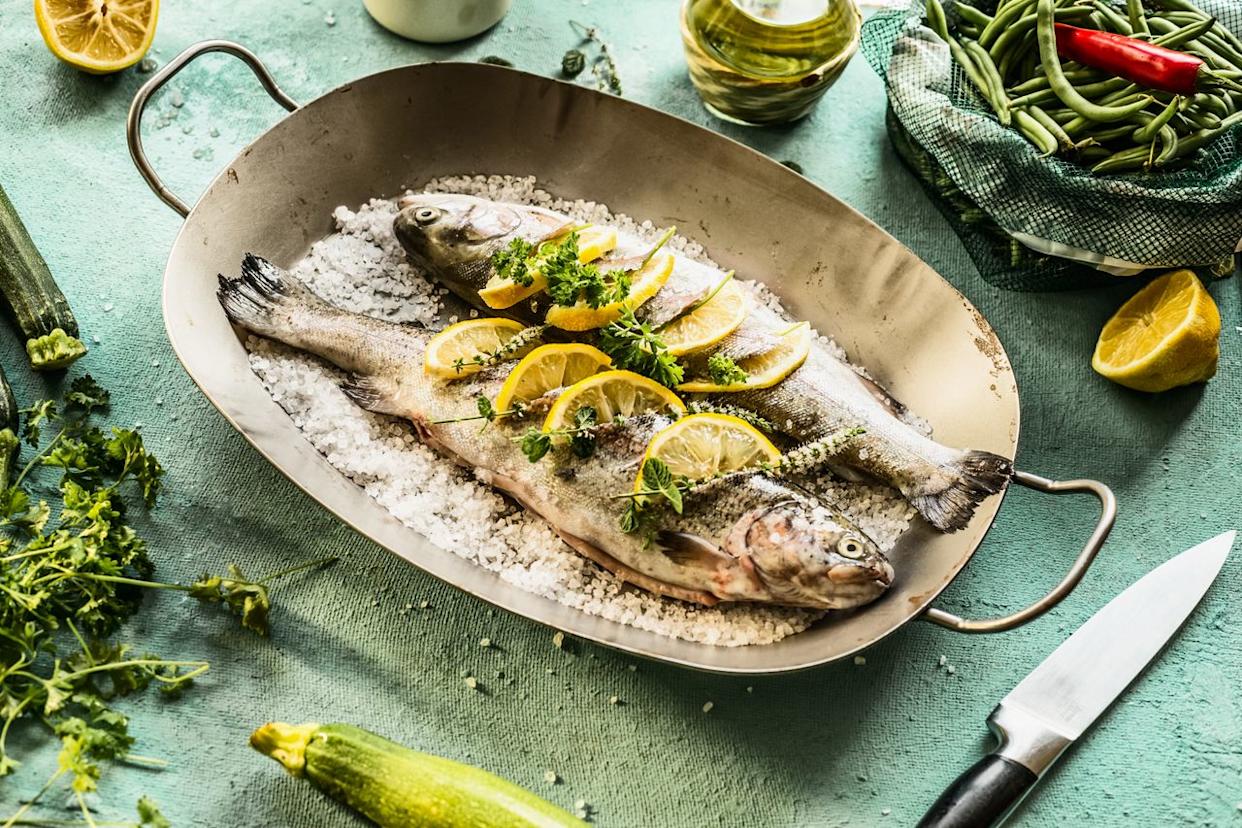
Credit: VICUSCHKA / Getty Images
Vitamin B12: 5.4 mcg in 3 oz of wild rainbow trout (225% of your DV)
Fatty fish such as trout are great sources of vitamin D and omega-3 fatty acids. Both nutrients promote brain function and fight inflammation.
“Trout is great grilled with a little extra virgin olive oil,” said Sass. “Serve it alongside garlic-sautéed spinach and a baked sweet potato.”
7. Salmon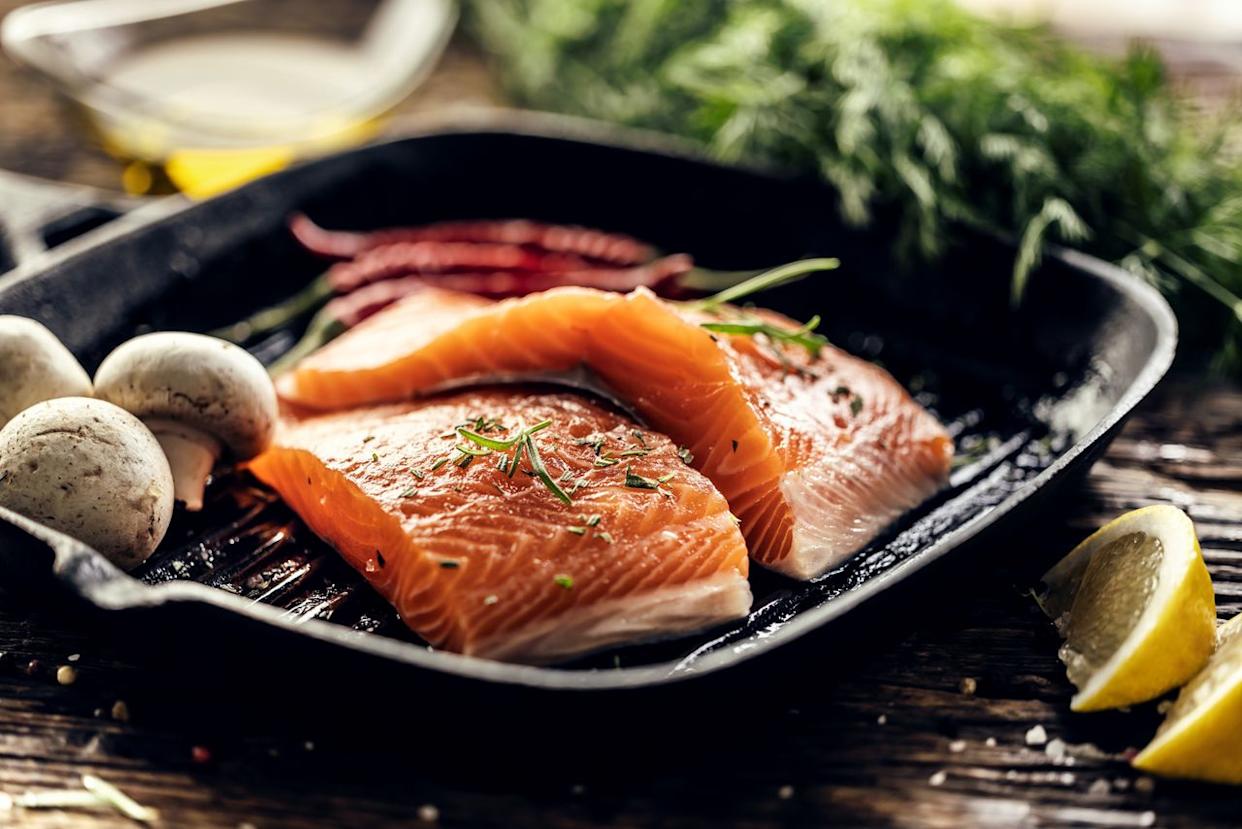
Credit: SimpleImages / Getty Images
Vitamin B12: 3.8 mcg in 3 oz of cooked sockeye salmon (158% of your DV)
Salmon is a rich source of protein, vitamin D, and heart-healthy omega-3 fatty acids.
Bake it in the oven or grill it instead of eating it fried, dried, or salted to maximize salmon’s many health benefits.
8. Tuna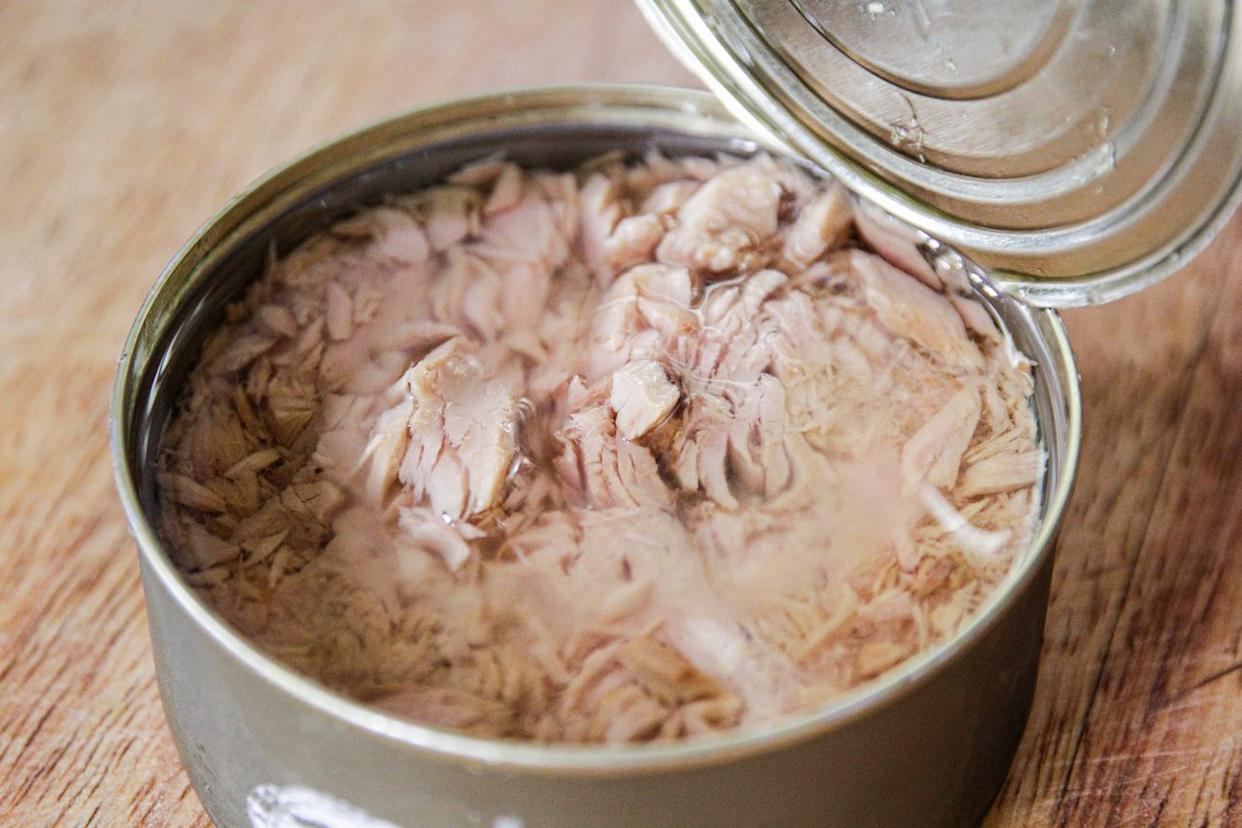
Credit: Kinga Krzeminska / Getty Images
Vitamin B12: 1.8 mcg in 3 oz of light, canned tuna fish (75% of your DV)
Tuna is loaded with vitamin D and omega-3 fatty acids.
Sass suggested looking for chunk light tuna in water if you buy it canned. “Mix canned tuna with Dijon mustard, balsamic vinegar, lemon juice, and Italian herb seasoning to make a chilled tuna salad,” said Sass.
9. Haddock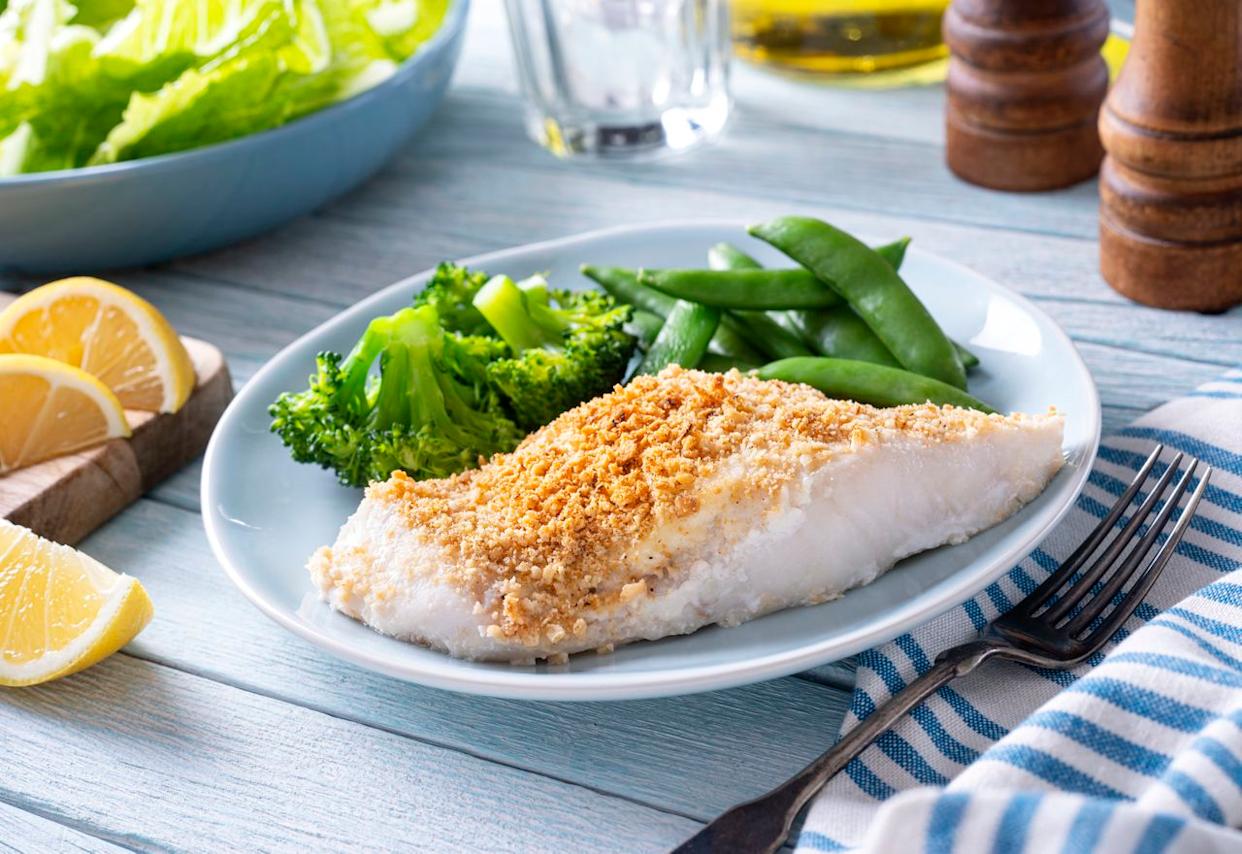
Credit: Fudio / Getty Images
Vitamin B12: 1.8 mcg in 3 oz of cooked haddock (75% of your DV)
Haddock is a good source of low-fat protein with large flakes similar to cod.
Bake haddock in the oven with simple seasonings like lemon and fresh herbs.
10. Beef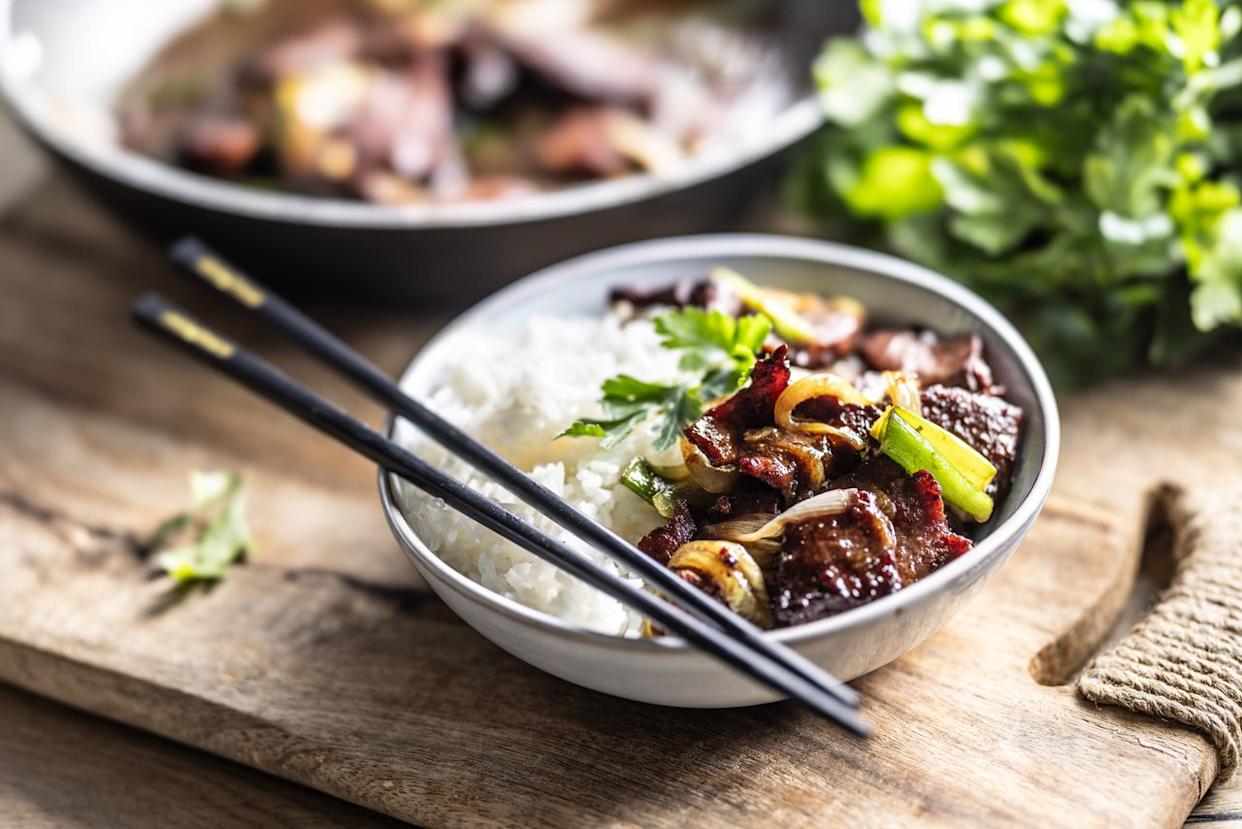
Credit: SimpleImages / Getty Images
Vitamin B12: 1.6 mcg in 3 oz of broiled top sirloin (66% of your DV)
Beef is another great source of zinc, protein, and riboflavin, which is thought to help alleviate premenstrual syndrome (PMS) symptoms.
“Keep it lean,” said Sass. “Combine beef with vegetables, whole grains, and good fats, such as ginger stir fry with beef over brown rice.”
11. Milk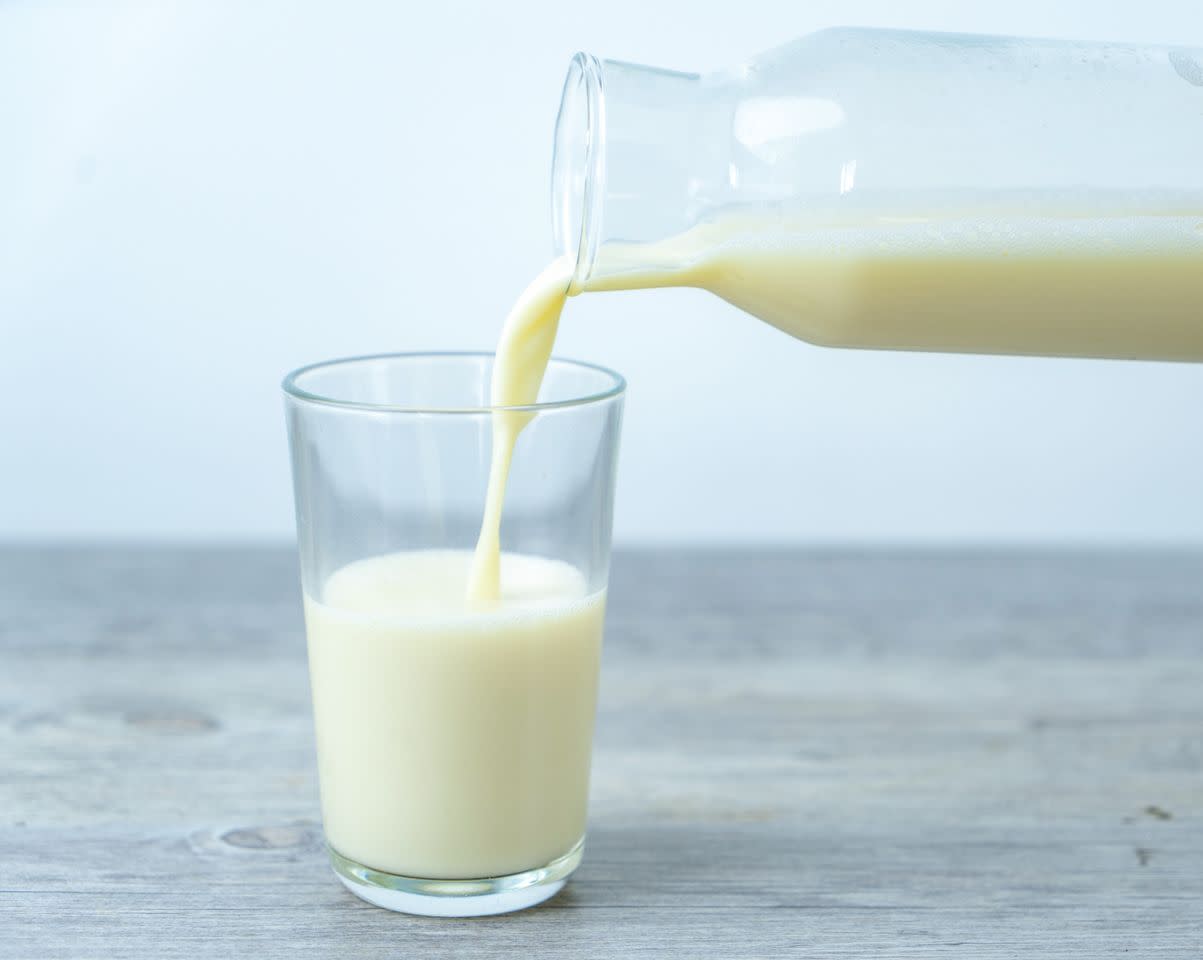
Credit: boonchai wedmakawand / Getty Images
Vitamin B12: 1.5 mcg in 1 cup of low-fat milk (62% of your DV)
Milk is a good source of calcium, vitamin D, and potassium.
“There are lots of healthy ways to incorporate milk into your diet,” said Sass. “Try making a smoothie with milk, frozen fruit, almond butter, ginger, and cinnamon.”
12. Fortified Breakfast Cereal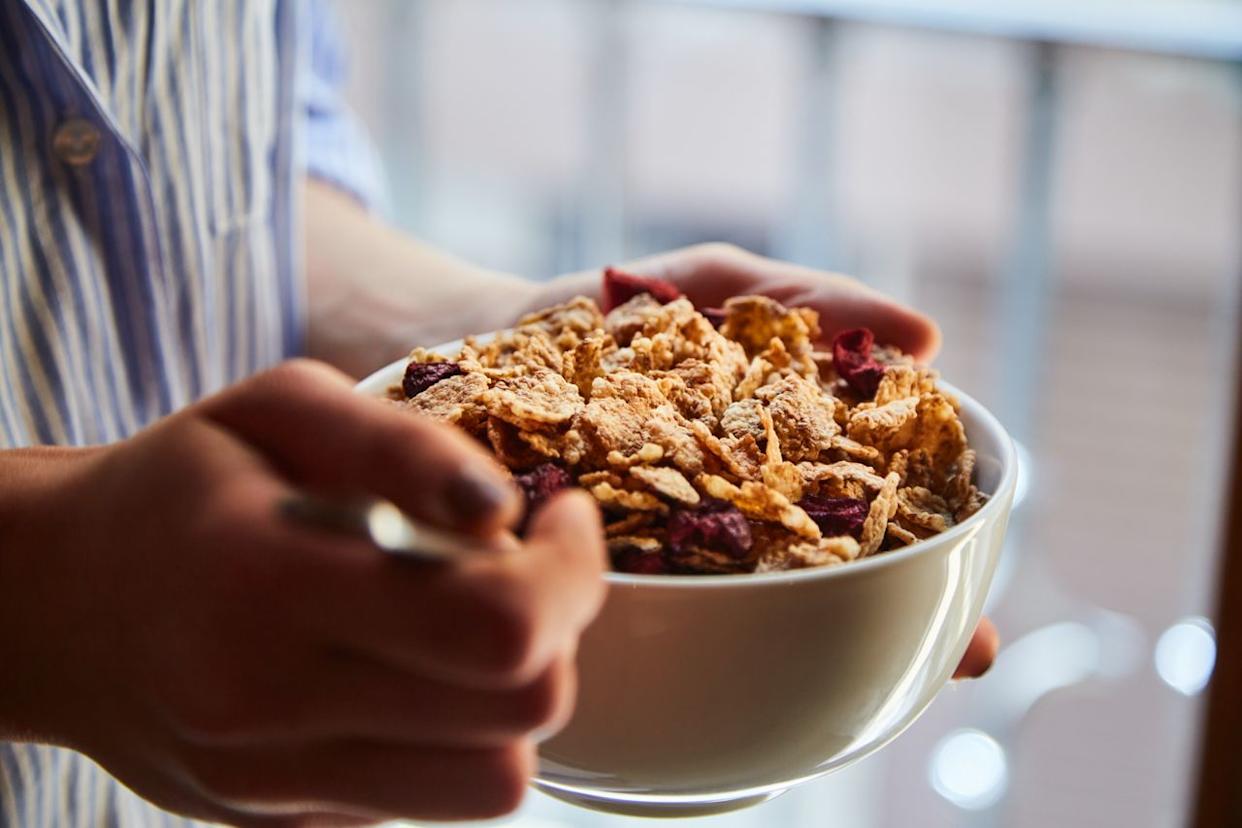
Credit: Cavan Images / Getty Images
Vitamin B12: 0.6 mcg in one serving of breakfast cereal fortified with 25% of the daily value for vitamin B12 (25% of your DV)
Fortified breakfast cereal can be a helpful option for vegetarians or vegans.
Opt for a whole-grain breakfast cereal. Whole grains are a rich source of fiber that supports digestive health.
13. Eggs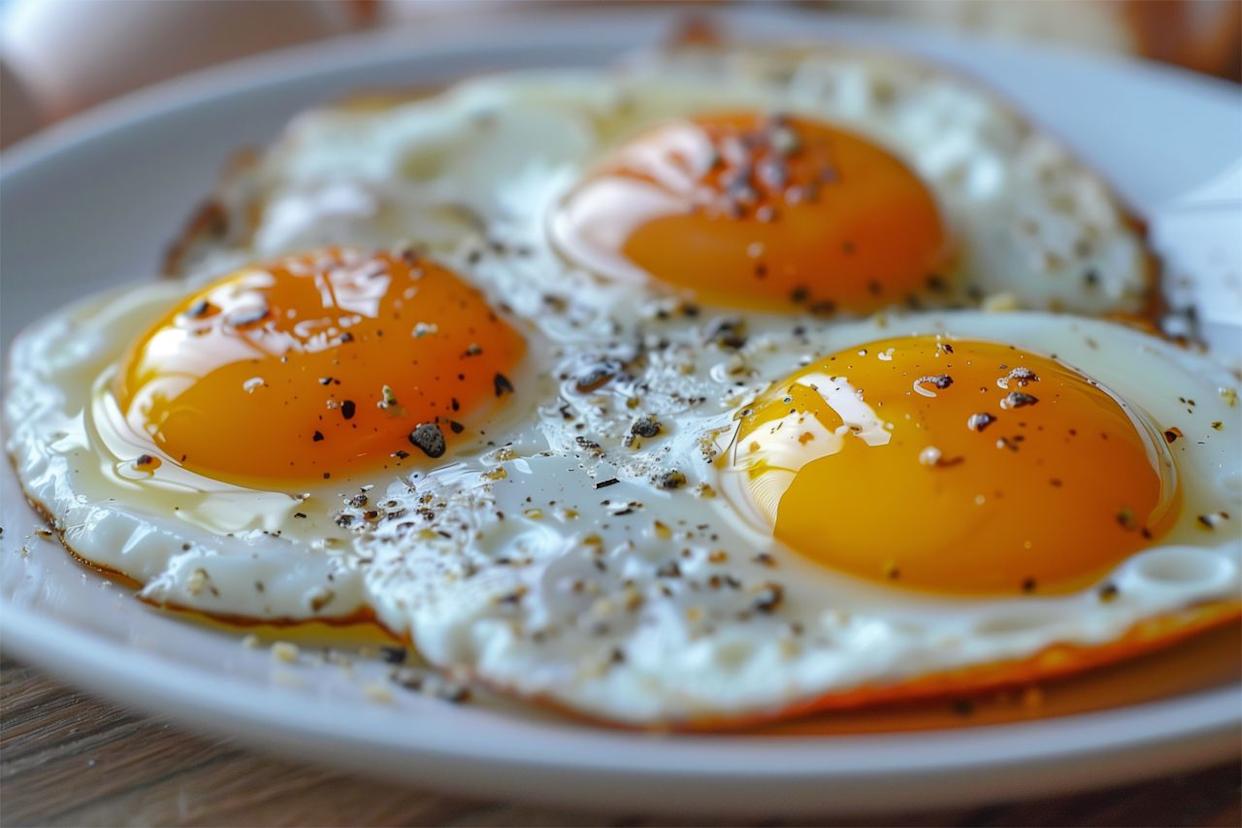
Credit: Ronel H / Getty Images
Vitamin B12: 0.6 mcg in one large hard-boiled egg (25% of your DV)
Eggs are a great source of protein and vitamin D. This vitamin is important for helping your body absorb calcium and maintain strong bones.
Eggs can be hard-boiled, soft-boiled, poached, and scrambled. “I love an omelet with veggies and avocado paired with fresh fruit,” said Sass.
14. Chicken Breast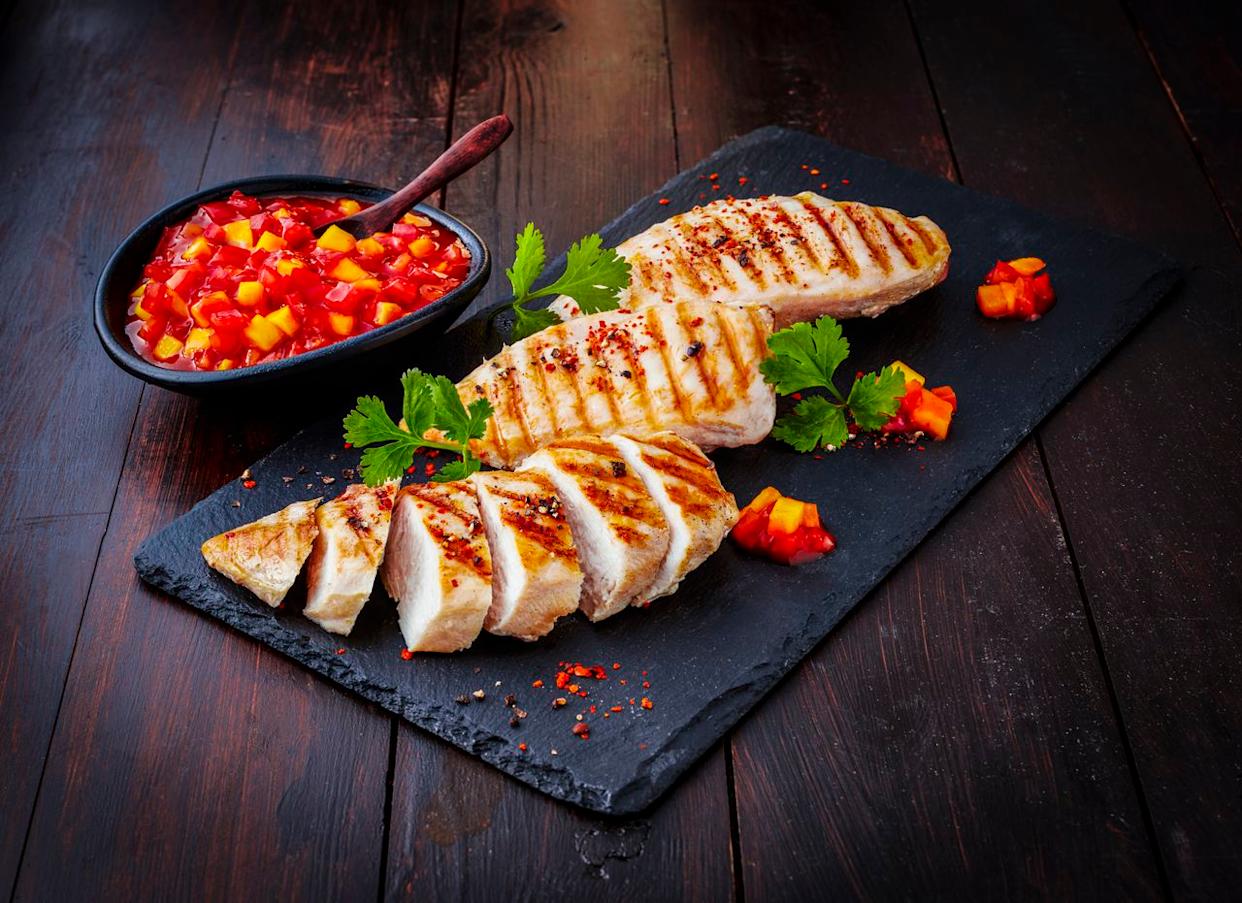
Credit: Westend61 / Getty Images
Vitamin B12: 0.4 mcg in 1 cup of roasted chicken breast (16% of your DV)
Chicken breast is a lean protein, which means it has less saturated fat than many cuts of red meat.
Enjoy chicken grilled, roasted, or baked in the oven. Add chicken to salads and sandwiches.
15. Turkey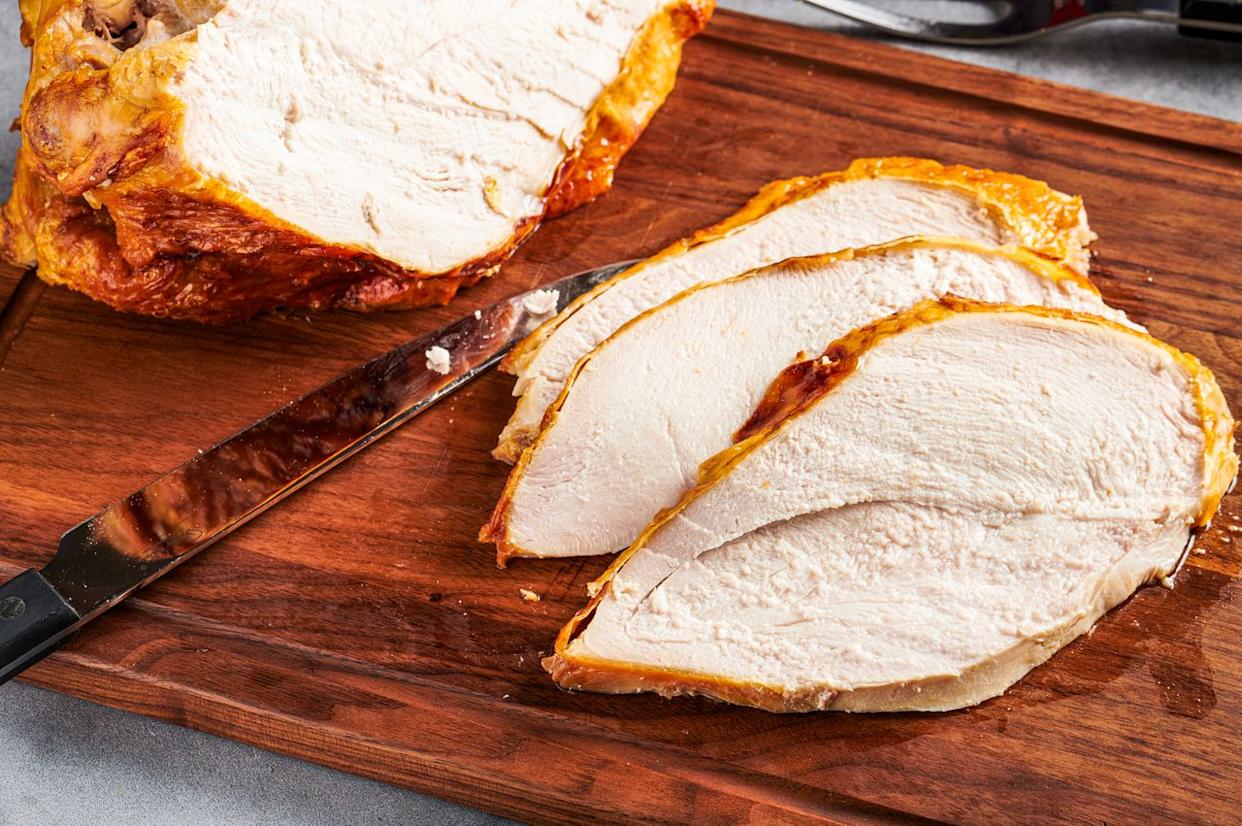
Credit: The Washington Post / Contributor / Getty Images
Vitamin B12: 0.3 mcg in 3 oz (12.5% of your DV)
Just one serving of lean turkey has nearly half your recommended daily allowance of selenium. Selenium is a trace mineral that bolsters immune function.
“Oven-roasted turkey breast is great on a garden salad with Brussels sprouts and fingerling potatoes,” said Sass.
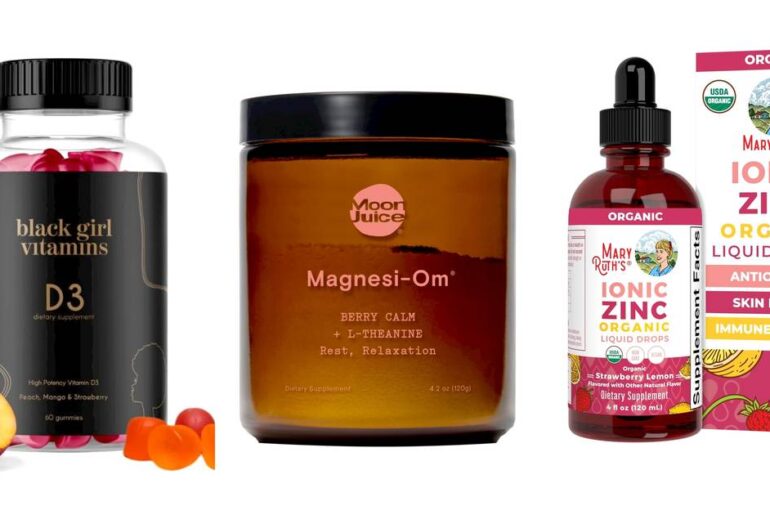
Vitamin B12 Supplements
Vitamin B12 can be found in:
Multivitamin/multimineral supplements
Dosages vary across supplements, but some may offer up to 1,000 mcg of the vitamin. However, your body can only absorb so much.
Talk to a healthcare provider before taking vitamin B12 supplements, as they can interact with medications like gastric acid inhibitors and metformin.
Considerations for Vegetarians and Vegans
Vegetarians and vegans can be at risk of vitamin B12 deficiency.
Non-meat sources of vitamin B12 include:
Read the original article on Health