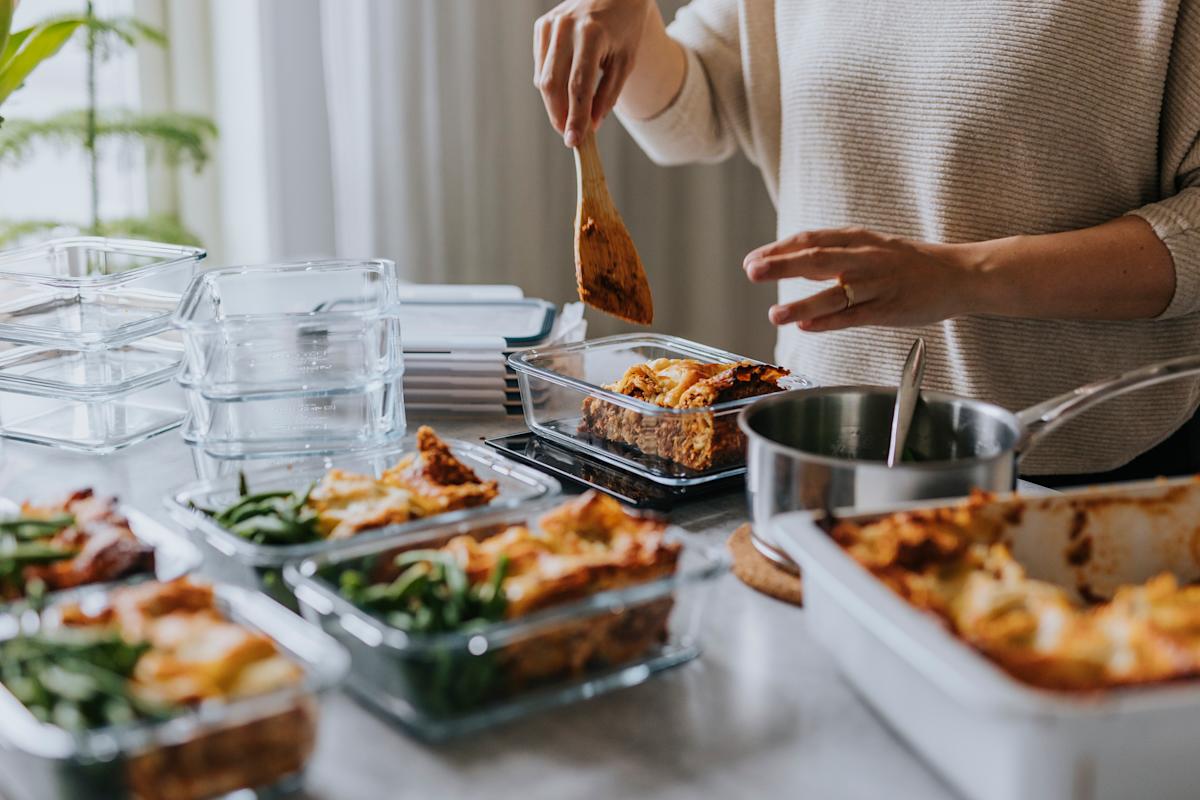
When life gets busy, good intentions around healthy eating are often the first thing to slip.
But according to one dietitian, the secret to staying on track isn’t willpower, it’s structure.
Speaking to Yahoo UK, Rebecca McManamon, a consultant dietitian and clinical director, says one of the easiest ways to ensure you have a nutritious, varied diet is to focus on a different food every day. “The whole point of meal planning is you’re more likely to stick to what your goals are,” she explains.
Ultimately, McManamon says, meal planning works because it reinforces your wider goals – whether that’s weight loss, increasing fibre intake, reducing disease risk, or following a particular ethical diet.
When life gets in the way, having meals mapped out means you’re “less likely to deviate from what your intentions might be.” In other words: stop thinking about dinner tonight – and start thinking about your week as a whole.

When meal planning, look at your week as a whole, instead of just one meal.
(Lock Stock via Getty Images)Focus on a different ingredient for every meal
One way to come up with new meals is to focus on a main ingredient. Switch this out day to day to ensure you’re getting a variety of nutrients.
That could look something like:
Sunday: A vegetable-heavy meal
“It’s not just about one meal or one day. It is about what you eat over a long period of time that’s going to affect your health,” McManamon explains.
“A lot of us have our own routines, for example, many people eat fish and chips on Friday nights. The trick is to reset that routine so it works in your favour.
“Take a step back and look at the whole week. Have we got different coloured vegetables? Have we got pulses? Have we got the oily fish?”
Most people aren’t eating enough fish
According to McManamon, the general recommendation is to eat fish twice a week, with one portion being oily, but most people aren’t meeting that minimum.
“Less than half of people will even have that basic recommendation when, if anything, we should be having more,” she says.
“But if they have health conditions, or there’s risk of health conditions like heart disease, or they’re concerned about their risk of dementia in the future, for example, then you might want to have fish, potentially even two or three times a week.”
However, keep in mind that there may be different advice for women who are pregnant or breastfeeding, and children and babies. You can find the guidelines on the NHS website .
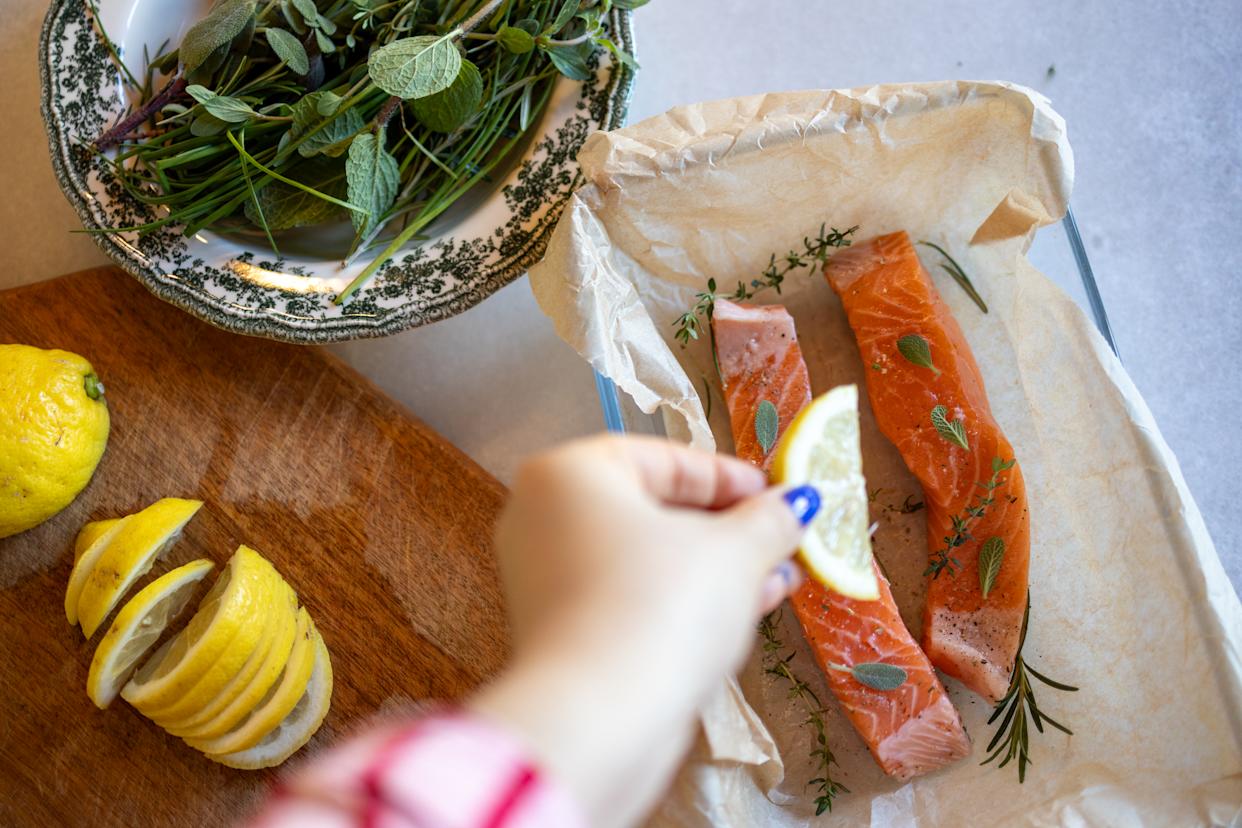
Most people aren’t eating enough fish.
(Kate Wieser via Getty Images)Aim to eat beans and pulses more than once a week
Fibre intake is another major gap in UK diets – and beans and pulses are a simple fix.
“Having more beans and pulses is protective for cardiovascular health, for cognitive health and reducing the risk of types of dementia in the future,” the dietitian explains.
Her advice? At least once a week, but ideally, “two or three times a week would be the most beneficial.”
Including a regular lentil curry, bean chilli, or chickpea-based dish into your meal plan can help make that target achievable.
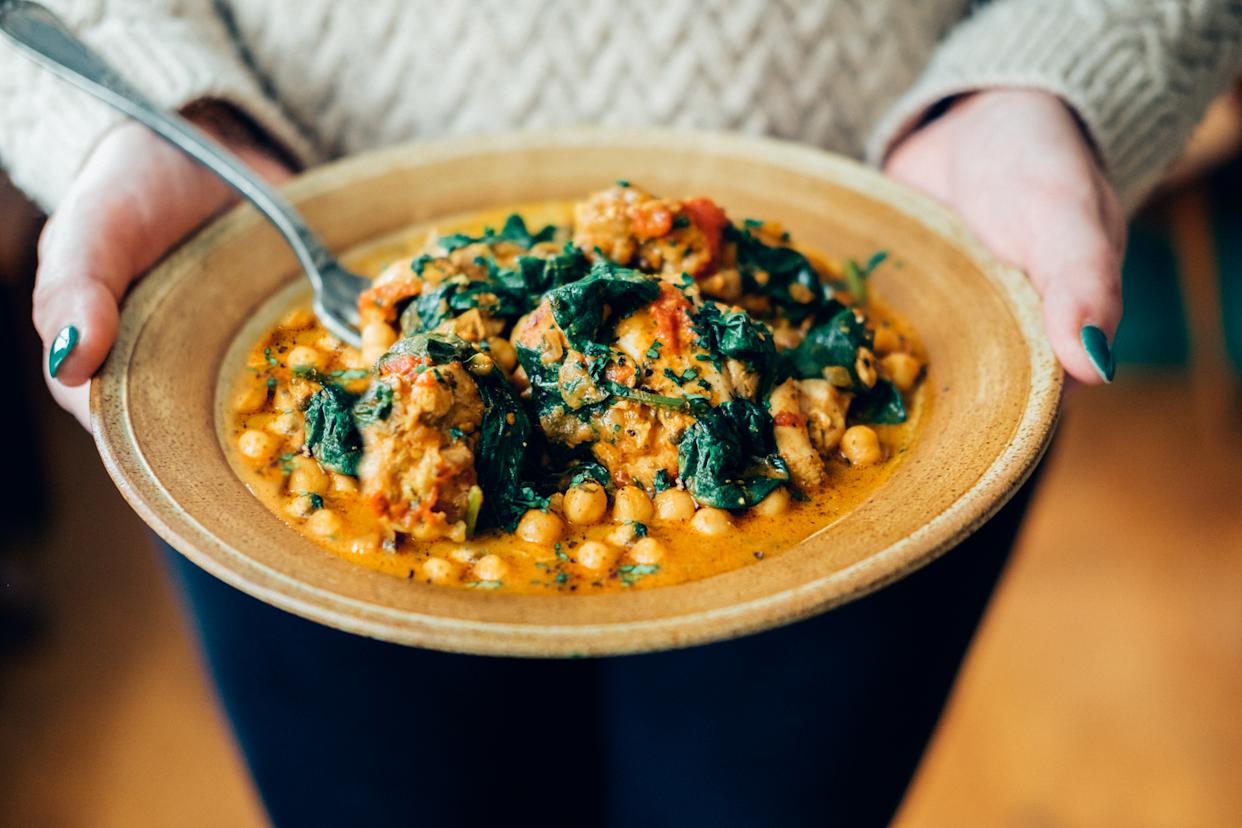
Including beans and pulses in your diet is a great way to increase your fibre intake.
(Joan Ransley via Getty Images)Tofu is a great choice – just don’t let it cut anything else out
Plant-based eaters often lean heavily on tofu, but balance still matters.
“It’s OK to have tofu a couple of times a week as long as you’re not pushing something else out,” McManamon shares.
Even healthy foods can displace important nutrients if overused, as she adds: “If we ate spinach at every mealtime, we would potentially then be missing out on vitamin A from a carrot or butternut squash.”
The same thinking applies to protein. Alongside tofu, rotate in:
Nuts (which can be the main protein in a meal, not just a snack)
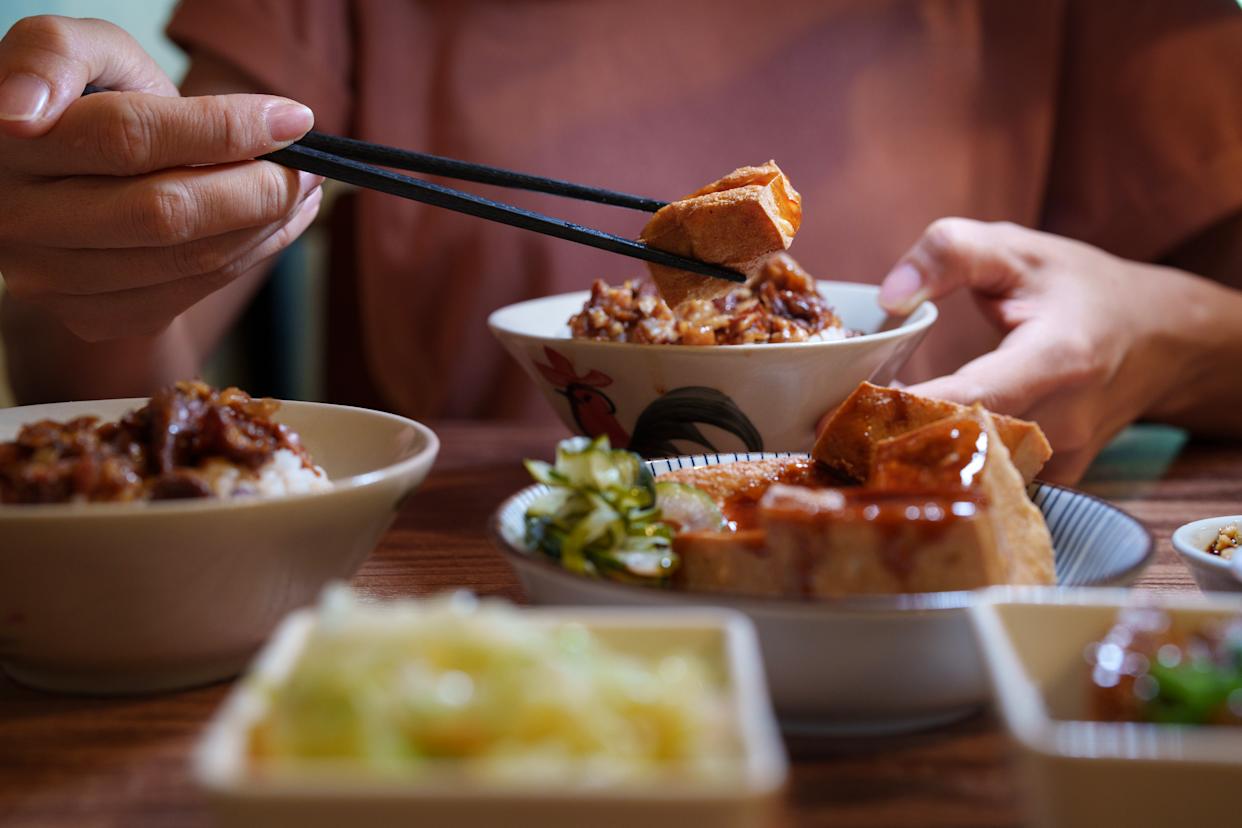
Tofu is a great addition to any diet, just make sure you don’t overdo it.
(Thai Liang Lim via Getty Images)Don’t forget the rainbow
Protein aside, vegetables deserve just as much attention.
“We often think about eating a rainbow,” she says. “Yes, we all need to eat more vegetables, but it’s not just eating more of the same vegetables.”
Green, orange, purple, yellow – different colours provide different vitamins and plant compounds.
“People could look at the kinds of foods they’re having and think of the colours of the rainbow, and think, ‘I’m going to plan this as a yellow day, this day as a purple day,’” McManamon continues. “For people who are eating as a family or with kids, this can make food more fun and interactive.”
And if time is tight? Frozen vegetables absolutely count.
“There’s so much variety,” she says – from frozen bean sprouts and spinach to mushrooms and butternut squash. “If you’re too pushed for time to cut up vegetables, just use a couple of different frozen vegetables. Just swapping one out every day is going to give you that variety.”

Planning meals with your kids can be fun and interactive.
(Armand Burger via Getty Images)Quick meals and leftovers count too
Meal planning doesn’t mean cooking something elaborate every night.
“It’s quite difficult to cook all meals from scratch that are all different over a week,” she says. Repeating meals is fine, just change the side salad or vegetable to maintain variety.
Eggs are also a great option to base a meal around.
“It could just be, okay, on this day we’re struggling for time, it’s going to be an egg meal because eggs can be cooked in three or four minutes, rather than 25 or 30 minutes,” McManamon says.
“It could be that it’s an omelette, it could be eggs with a salad, it could be even eggs in a curry.”
Batch cooking can also help, and planning for leftovers can reduce waste. “We waste huge amounts of food in the UK,” she notes. Building a meal specifically to use up leftovers – like a traditional bubble and squeak – can save money and effort.