When you think of nutrition-packed vegetables, peas may not be the first green thing that comes to mind, but, surprise, these tiny morsels are actually brimming with health benefits. What’s more, much like leeks, fava beans, ramps, and fennel, peas are a harbinger of spring, lending bright color and sweet flavor to hot and cold dishes. We connected with nutritionists to learn more about peas and how to maximize their versatility.
Lauren Manaker, MS, RDN, LD, CLEC, registered dietitian at Nutrition Now Counseling, and author of several books, including The First Time Mom’s Pregnancy Cookbook
Melissa Mroz-Planells, DCN, RDN, adjunct professor at Benedictine University, and spokesperson for the Academy of Nutrition and Dietetics
Peas, Explained
You might think you’re familiar with peas after buying so many bags of them in the freezer section, but the petite green vegetable has multiple identities. For starters, the USDA classifies garden peas (botanical name, Pisum sativum), also called English peas or shelling peas, as a starchy vegetable. (Other starchy vegetables include corn, lima beans, yams, and white potatoes.) Peas are the edible seeds of pods, and can be eaten raw or cooked. Along with their relatives, snap peas and snow peas, they are members of the Fabaceae plant family. And, as vegetables that produce seeds in pods, they are all botanically considered legumes.
The Surprising Health Benefits of Peas
Credit: Gentl and Hyers
Garden peas may not reach the high bar set by dried peas (including split peas), which are grouped with dried beans and lentils, and have about 16 grams of protein per cooked cup. But, don’t underestimate them—they’re still a rich protein source.
Protein and Fiber
Fresh peas contain 4 to 8 grams of plant protein per cup, rivaling the protein content of a large egg. Fiber is also part of the pea package; one cup has 8.8 to 9 grams of fiber.
Weight Management: “The fiber and protein in peas are excellent for promoting satiety, which can help with weight management by keeping you fuller for longer,” says Lauren Manaker, MS, RDN, LD, CLEC, registered dietitian at Nutrition Now Counseling. That full feeling can reduce overeating between meals, adds Melissa Mroz-Planells, DCN, RDN, and spokesperson for the Academy of Nutrition and Dietetics.
Energy boost: The protein in peas helps sustain energy, warding off fatigue and supporting metabolic function, while its low glycemic index helps prevent blood sugar spikes.
Gut health: “The fiber in peas also feeds beneficial gut bacteria, which support overall digestive health,” Mroz-Planells says. For some people, peas—both garden peas and dried— may be easier to digest than dried beans. That’s because they contain lower levels of certain fermentable complex carbohydrates (like oligosaccharides) that can cause gas and bloating, Manaker says.
Cardiovascular benefits: The fiber in peas boosts heart health, too. “The soluble fiber in peas can help reduce LDL (bad) cholesterol by binding to it in the digestive tract and reducing absorption,” Manaker explains.
Minerals also figure into the equation: “Magnesium and potassium play important roles in regulating blood pressure and supporting healthy blood vessel function,” Mroz-Planells says, noting that together, these nutrients contribute to improved heart health and reduced cardiovascular risk.
Antioxidants
Peas are a bountiful source of antioxidants, boasting a multitude of benefits.
Cell growth: Peas are rich in vitamin C, vitamin K, vitamin E, zinc, and folate (also called vitamin B9), which have antioxidant properties. Vitamin C supports immune function and helps with iron absorption, Mroz-Planells says, adding that vitamin K is important for blood clotting and bone health. “Folate (vitamin B9) supports cell growth and is especially important during pregnancy,” she says.
Anti-inflammatory: “Peas also contain other antioxidants like flavonoids, carotenoids, and polyphenols, which help combat oxidative stress and inflammation, further supporting immune function and overall health,” Manaker says. While magnesium and potassium aren’t antioxidants, they work with the phytochemicals to reduce the oxidative burden.
Vision support: The carotenoids lutein and zeaxanthin, which lend peas their vibrant green pigment, are key to eye health, helping to protect against damaging blue light.
“A small percentage of people with peanut allergies may also react to other legumes, including peas,” Mroz-Planells says. While that’s more the exception than the rule, she advises anyone with a known peanut allergy to check with their doctor if they experience symptoms after eating peas or are unsure about introducing them into their diet.
Pea Protein
Many food manufacturers also harness the power of pea protein, using it as an ingredient in meat substitutes, dairy-free alternative milks and yogurts, and snacks. Pea flour (dried green or yellow split peas ground into flour) is used in pastas and baked goods. While both offer health benefits, depending on how they’re processed, they may not be as nutrient-dense as peas—but they’re worth consideration, Manaker says.
Frozen vs. Fresh Peas
Peas can be purchased fresh in pods, which, unlike snow peas and sugar snap peas, must be shelled before devoured. Shelled peas are also sold fresh, in cans, and frozen.
Frozen peas are super convenient to have on hand, plus, they’re sometimes a better bet than fresh peas. “Frozen peas can be just as nutritious as fresh peas, if not more so, in some cases, since they are typically harvested and frozen at the peak of freshness,” Manaker says. “Fresh peas, on the other hand, can lose some of their nutritional value during transport and storage.”
Delicious Ways to Eat Peas
Credit: Linda Pugliese
Peas are eminently versatile, lending verve, flavor, and color to sides and mains. Here’s how to enjoy them:
Classic sides: “Peas’ mild sweetness pairs well with both herbs and savory flavors,” Mroz-Planells says. She suggests lightly sautéeing peas with garlic and olive oil as a simple side dish. Or put our Minted Peas in dinner rotation.
Stir-fries: “Toss them into stir-fries for a pop of color and sweetness,” Manaker says. Our Beef, Snap Pea, and Asparagus Stir-Fry is the ideal launch pad.
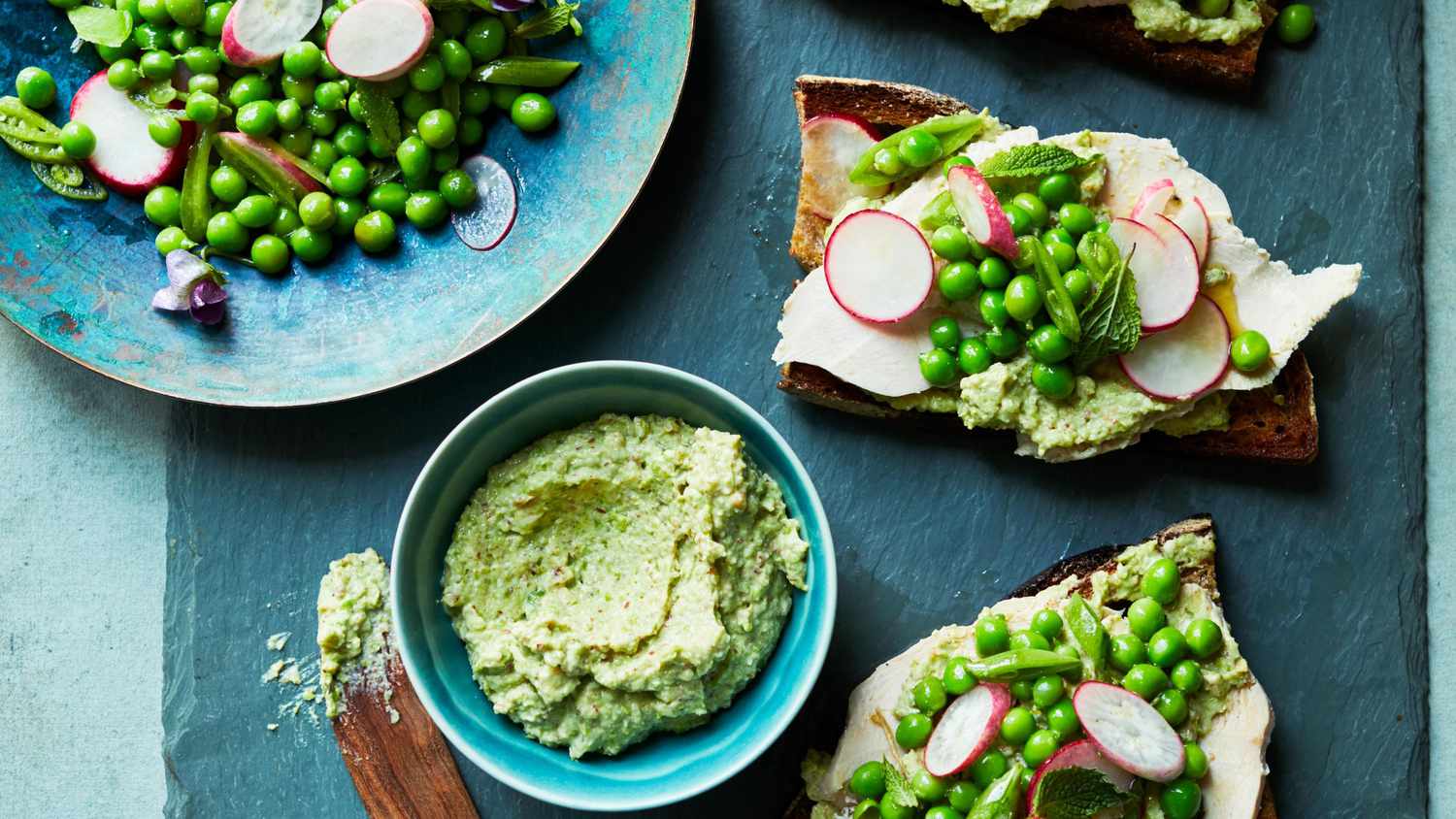
Pestos: Peas can be blended into pestos or dips, Mroz-Planells says. Or both, in the case of our Spring Pesto Dip, a pesto-charged mayo concoction.
Rice dishes: “Mix them into rice pilaf or risotto for added texture and nutrients,” Manaker suggests. Our Saffron Risotto With Shrimp and Peas is calling.
Soups: Blend them into soups or purées for a creamy, nutrient-packed base, Manaker suggests.
Pastas and salads: Peas perk up pasta dishes, salads, and grain bowls.
Snacks: Like chickpeas, peas can be roasted, seasoned, and turned into a crunchy, protein-rich treat.