
“Live to be fit and be fit to live,” is as enduring a fitness mantra as you’re likely to find. You might be surprised to learn it was written more than 60 years ago. It is taken from the XBX plan – a 1950s workout booklet produced by the Royal Canadian Air Force to keep personnel fighting fit. It takes just 12 minutes per day, doesn’t require any equipment and is designed to be used indefinitely.
This plan also happens to be the one Dame Helen Mirren, 80, says she has used “off and on my whole life” to stay in shape. And as a fitness coach and writer who has taken it for a spin, I think it’s better than many modern offerings.
Why? Because nowadays most people are bombarded with contrasting health and fitness advice on a daily basis. Yet, when I rifled through the XBX (shorthand for 10 basic exercises) booklet, the vast majority of suggestions seemed incredibly sensible, relying on tried and tested methods for building a fit and capable body.
Sure, there are outdated elements. A sketch of a woman holding an iron in one hand and a tennis racket in the other, alongside an instruction to “lead a balanced life”, is unlikely to land with contemporary audiences. But the vast majority of the exercise advice still holds water. As Mirren previously said in an interview, if you follow the plan as a beginner it will “very gently get you fit” in just a few minutes per day.
This is how to do it, and why it works.
How to do the XBX plan
At 51 pages long and filled with unwieldy number-filled tables, but bear with me. You start at level one: 10 exercises containing movements to develop strength, mobility and cardiovascular fitness. Perform each exercise in turn, within the set time window, for the number of repetitions shown in the chart below.
When you have done this for a few days and it begins to feel easy, progress to level two in the chart – available in full here. This means increasing the number of target repetitions for some of the exercises by one or two. The XBX plan recommends spending up to eight days on each level, repeating it until it becomes comfortable before advancing.
“The XBX has been planned for gradual, painless progression,” it states. “Follow the plan as outlined in the booklet. Do not skip levels. Do not progress faster than is recommended.”
After level 12, you progress to a second chart, which contains slightly more challenging variations of the 10 exercises. There are four charts in total, each containing 12 levels. The aim is to work your way up to a level that allows for “a desirable level of physical fitness”.
The booklet provides different goals for different ages, from seven years old to 55. The highest is 15- to 17-year-olds, who are told to aim for level 44, while those aged 51 to 55 are given the target of level 11. However, your end goal will largely depend on your individual fitness level.
Level one of the XBX plan:
Exercise
Repetitions
(In two minutes, complete the four exercises below)
–
Toe touch
3
Knee raise
4
Lateral bend
5
Arm circle
24
(Complete the six exercises below within the prescribed time windows, resting for any remaining time within these windows)
–
Partial sit-up (in two minutes)
4
Alternating prone chest and leg raise (in one minute)
4
Side leg raise (in one minute)
4
Kneeling press-up (in two minutes)
3
Leg lift (in one minute)
2
Run and hop (in three minutes)
50
Why the XBX plan works
There are several reasons why the XBX plan retains all the hallmarks of a successful exercise programme. In the fitness world, people often promise miraculous results with magic “hacks” and minimal effort. The XBX plan is far more measured in its approach.
“Do not expect startling results. Fitness takes time and persistence. Couple your XBX programme with a good diet and your progress will be steady… Any exercise plan should work on the basis of an easy start and gradual progression. As physical fitness improves, the workload is increased… As a rule, you can avoid the need for resorting to a strict reduction of food intake through the constant use of sensible dietary habits.”
These statements remain as true now as the day they were written. But these sentiments are often overlooked now because it can be hard to sell sensible advice.
Read more: The common foods that can reduce inflammation and improve heart health, according to experts

open image in gallery
Helen Mirren has used the XBX plan to stay fit throughout her life (Invision/AP)
Progression is built in
The body adapts to the things we consistently ask it to do. If we move every day, as the XBX plan prescribes, we are likely to become fitter and more mobile.
But if we do exactly the same thing every day until it becomes easy, there will come a time when the body stops adapting and plateaus. Why would the body need to adapt to something that doesn’t challenge it?
Once you’ve wrapped your head around the XBX plan, the format gives you a structured method for progressing your workouts in a way that is appropriate and effective for your fitness level.
This is called progressive overload, and it is the underpinning principle behind any successful exercise programme.
Read more: I specialise in coaching people aged 40-plus – do these six things for immediate results

open image in gallery
Gentle movement can be an excellent way to introduce your body to exercise (Getty/iStock)
It’s consistent
There is an obsession with “optimal” in the fitness world at the moment. Everyone wants to do “the best workout” and follow “the best diet plan”. But if you only do something once, even if it is subjectively “the best”, it is unlikely to have a lasting effect.
The XBX plan provides structure and encourages consistency – it doesn’t leave you in a sweaty mess questioning your life choices, but rather provides the stimulus beginners need to ease into a regular fitness routine. It also lays the foundations for future formal exercise by increasing people’s confidence in their bodies’ abilities. After a few weeks or months of following it, a long walk, Pilates class or game of tennis is likely to feel far less intimidating.
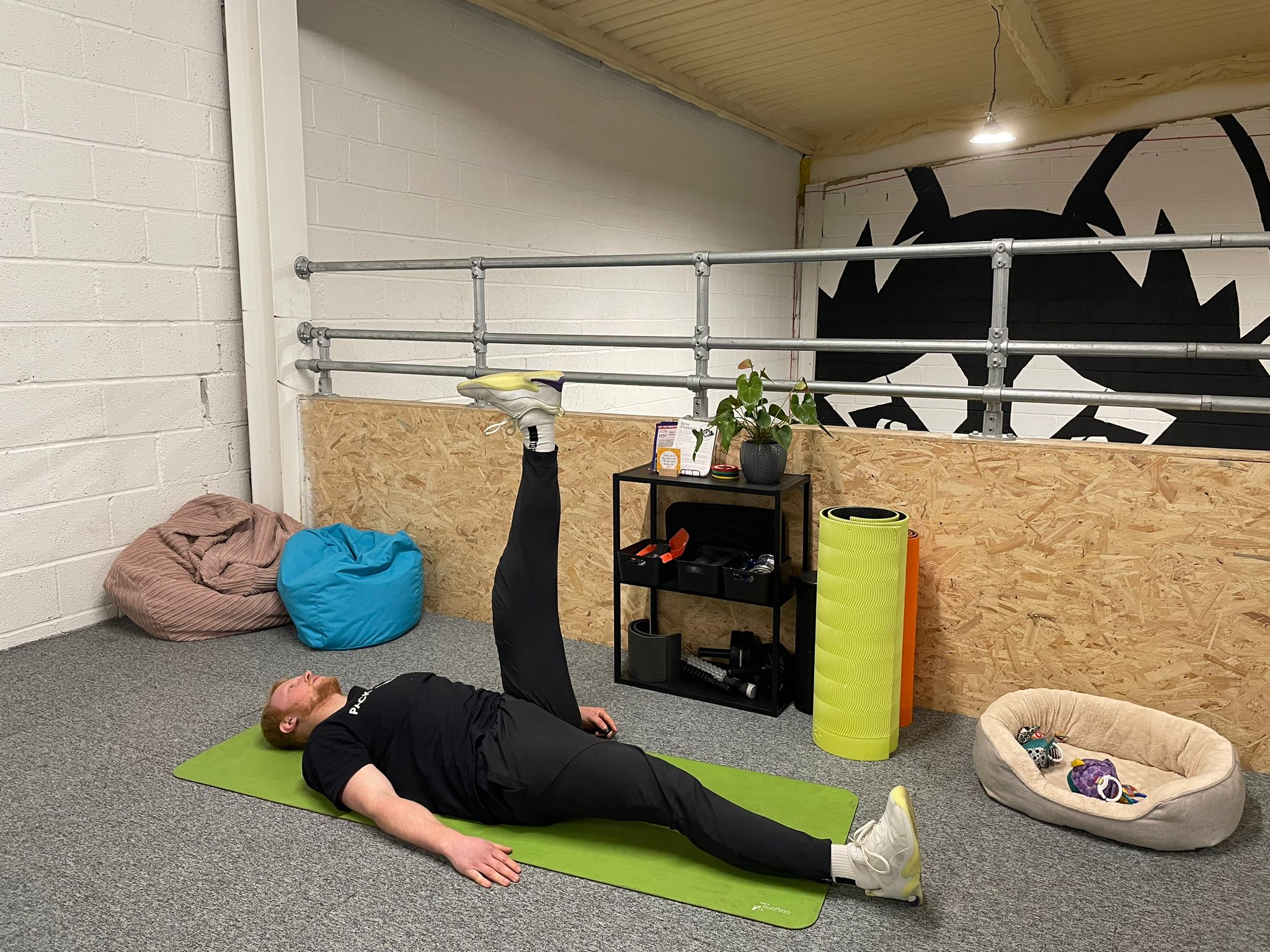
open image in gallery
The leg lift is demonstrated by The Independent’s senior fitness writer Harry Bullmore (Harry Bullmore/The Independent)
It’s accessible
If you want someone to exercise regularly, remove as many hurdles between them and their workouts as possible. Many modern workout plans do the opposite, encouraging you to buy pricey bespoke kit and supplements before taking part. I’m a big believer in the power of in-person coaching, as well as many fitness apps with reasonable monthly subscription fees. But I dislike the idea that exercising is sold as an exclusive club, and that there’s a hefty entry fee.
The XBX plan is a collection of 10 bodyweight exercises and the booklet offers everything you need to follow it for as long as you see fit. It is exercise, democratised.
Read more: Four things you can do to reduce inflammation and cut heart disease risk, according to the experts

open image in gallery
Helen Mirren says the XBX plan ‘very gently gets you fit’ (PA)
It boosts mobility
The body operates on a rough use-it-or-lose-it basis. If you repeatedly use a movement, you will maintain it. If you stop, you will lose the ability to access it safely.
Twisting is the best example I can think of to demonstrate this. It’s something many people don’t do regularly, so the muscles and joints involved may weaken and tighten over time. Then, when we suddenly do it again, reaching over to grab something from a supermarket shelf, we are far more likely to experience an injury in areas such as the lower back.
People come to fear these movements, but this fear is built on years of disuse and consequent bodily dysfunction. If we can regularly access a wide range of movements in a controlled environment like a workout, we can build the strength and mobility needed to maintain robustness for decades to come.
This is something the XBX plan does well, with exercises that work the spine, hips, knees and shoulders through a wide range of motion, across multiple planes of motion, to help them stay limber.
Read more: Expert warns why this daily habit is shortening your life – even if you exercise

open image in gallery
The XBX plan was designed to help people ‘Live to be fit and be fit to live’ (Getty/iStock)
So, should you try the XBX plan?
The XBX plan has stood the test of time. So has its brother, the male-oriented and more strength-focused 5BX plan – although I’d argue beginners of any gender could benefit from both plans.
It’s not perfect; no workout plan is, as “perfect” will be subjective to the individual doing it. But it is a great way to make fitness accessible and appealing to beginners, helping anyone develop a consistent exercise habit sans gym or equipment.
The suggestions are sensible, with the plan also providing tips on how to walk more and improve your sleep for better health. It avoids the pitfall of overpromising too, providing a realistic time frame for the results you are likely to see. For these reasons, I am a fan.
If your fitness goal is to build higher levels of strength, muscle and cardiovascular fitness, or competing in a sport, you will need something more challenging. But for the vast majority of people who struggle to know where to start with exercise, this will lay excellent fitness foundations. Where movement is concerned, something is invariably better than nothing, and this is a fun way to get started.
Read more: The reason for every injury you’ll ever have, and how to prevent it