Lately it feels like everyone is trying to hold their health together in ways that feel doable for real life. You wake up, stretch, check whatever energy you’ve got, and a small question shows up before the day even begins. How do I get through this week without running on fumes? Wellness started slipping into that space, showing up during long days when people want something they can rely on.
The shift keeps growing each year. People want routines that still work when they feel tired. They want habits that feel light enough to carry through a busy schedule. A recent Global Wellness Institute report shared that the wellness economy reached about $5.6 trillion in 2023, and that kind of number shows how deeply people invest in these choices. Wellness keeps shaping the way individuals care for themselves long before anything turns serious. It grows through small, steady actions that fit the reality of today’s world.
Life keeps pushing faster, even when your body begs for a moment to catch up. You feel it in the mornings when your mind is foggy. You feel it when stress shows up before you’ve even checked your messages.
These quiet goals form the new picture of wellness. No big transformation narrative. No dramatic reinventions. Just the steady effort to feel okay more often. The wellness space stepped in with options that match this reality, meeting people where they already are instead of asking them to start from scratch.
Wellness used to sit behind a velvet rope. Pricey treatments. Complicated routines. A lifestyle that felt out of reach. That changed when people started asking for something simpler—something that fit into grocery budgets and busy schedules.
For instance, Melaleuca: The Wellness Company built its reputation around everyday household and personal care products designed to reduce toxic exposure without complicating daily life. Founded on a direct-to-consumer model, the company emphasizes ingredient transparency and long-term wellness over quick fixes. That’s the kind of shift people value. Wellness moved out of elite corners and into regular homes, becoming a set of practical choices rather than status symbols.
Some mornings, your smartwatch points out the sleep you missed, and you sigh because the fatigue already gave it away. These small digital nudges still manage to help in ways people didn’t expect. Wearables and apps shaped a new kind of personal routine, tracking small details that often slip past during busy days.
Heart rate spikes, uneven sleep, long sitting streaks. The data stays imperfect. It glitches, it guesses, and it occasionally feels intrusive. The information still forms a baseline that people can use when their days feel scattered. The quiet presence of tech settled into wellness and now stands as a companion many rely on during low-energy moments or noisy weeks.
There’s a universal truth most people feel but rarely admit: the mind gets tired long before the body gives out. Stress stays. Worry loops. Fatigue creeps in even when nothing dramatic is happening. Mental health finally stepped into the spotlight, not as a buzzword but as a constant need.
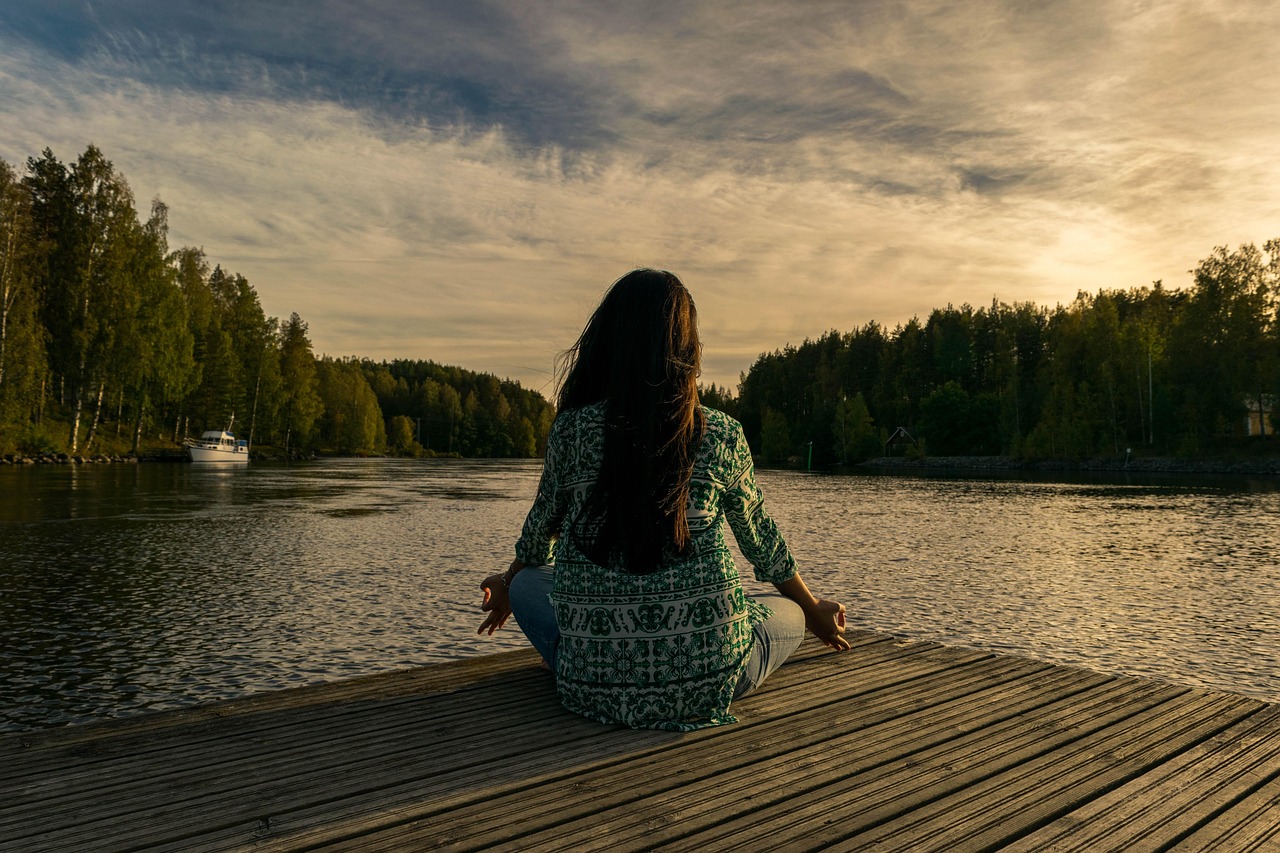
Folks reach for simple practices now—slow breathing before a tough meeting, a short walk to clear the fog, a moment alone before jumping into the next task. It doesn’t solve everything. It just helps them handle the weight. This shift toward emotional honesty opened doors to tools and habits that fit into imperfect schedules.
Food choices feel like small arguments you have with yourself throughout the day. You grab something quick because you’re tired, then wonder how it’ll sit with you later. Convenience pulls hard. Stress eating slips in during rough moments. Many people still aim for choices that leave them clearer, lighter, and more comfortable.
Small adjustments feel easier to manage during long weeks
Color on the plate helps the mind feel a little more organized
Gentle routines around meals create steadier energy
Not perfect meals. Just better ones. Nutrition now sits in a flexible space where people experiment, adjust, and forgive themselves when the day goes sideways. The plan resets each morning and stays real enough for everyday life.
People carried their health struggles quietly for a long time. Hold it in. Push through. Hope no one noticed the cracks. A slow shift started forming as more folks reached toward others in small, simple ways. A friend shares a recipe that eases their stomach. A coworker talks about a breathing exercise that helped them get through a rough morning.
Online groups offer tips that feel comforting because everyone faces the same tiredness, the same stress, the same hope for a little relief. Community creates softer moments in the middle of hard days. It brings a sense of shared effort and steady encouragement. It also gives people space to begin again when their motivation feels thin, and that support changes the entire feel of the wellness journey.
People used to wait for things to fall apart before making changes. That pattern shifted once they saw how much harder it was to bounce back. Now preventive care feels practical, not optional. Folks take small supplements, stretch before bed, swap out harsh cleaners, read labels, and take short breaks during long workdays.
These little actions create a sense of control. Even on chaotic weeks, there’s comfort in knowing you’re doing something to protect your future self. It doesn’t feel dramatic. It feels steady. Preventive care turned into an everyday mindset, shaped more by quiet responsibility than fear.
Healthcare keeps shifting in a steady, almost quiet way. The shift grows through small habits people choose during tired mornings and long nights. Wellness rises in that space and gives people something they can hold onto when schedules feel packed and access feels slow.
The process stays messy, imperfect, and sometimes inconsistent, and still feels real in a way people recognize. Many are learning to care for themselves through routines that match their own pace and daily demands. This forms the core of the new order of health. No chase for perfection. No chase for pressure. Only a steady effort to feel a little better with each choice they make.