For decades, scientists have tried to replace the insulin-producing cells destroyed in type 1 diabetes. But even when new cells are transplanted, the immune system often attacks them again.
A new strategy may help solve that problem. Researchers have engineered immune cells that protect transplanted insulin-producing cells from attack as soon as they enter the body.

Instead of suppressing the immune system everywhere, the approach directs protection specifically to the transplant site, giving replacement cells a better chance of surviving.
Protecting transplanted insulin cells
In one preclinical system, transplanted insulin-producing cells stayed intact for weeks, even after researchers triggered a direct immune attack.
At the Medical University of South Carolina (MUSC), Dr. Leonardo Ferreira built protection by pairing the cells with engineered immune regulators.
Instead of shutting down immunity everywhere, Ferreira aimed the response at the transplant so other defenses could keep working.
Human trials are ahead, but the experiment shows that cell replacement needs immune engineering from the start.
Why replacing beta cells is hard
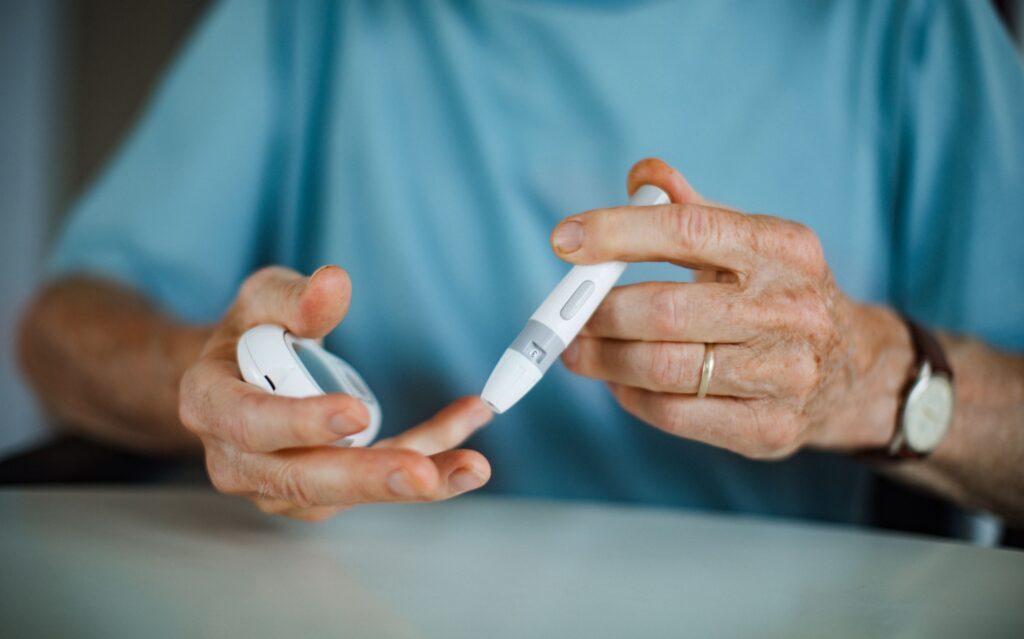
Type 1 diabetes begins when the immune system destroys beta cells – the pancreatic cells that release insulin. Without them, people must constantly monitor blood sugar and replace insulin because sudden drops can quickly become dangerous.
In 2026, the Centers for Disease Control and Prevention (CDC) reported that about 2.1 million people in the United States live with diagnosed type 1 diabetes.
Transplanting new insulin-producing cells might seem like a direct solution, but the problem runs deeper. Even donor-based transplants often require cells from two to four donors for a single recipient.
Because donor tissue is scarce, researchers have turned to stem cells as a renewable source of insulin-producing cells. In the lab, scientists guide these cells through stages until they form clusters that can sense glucose and release insulin.
Once produced, these lab-grown cells can be frozen and stored, making it far easier to scale future transplants. Yet they still face the same obstacle as donor cells: the immune system quickly recognizes them as targets and attacks them.
Sending protection to the transplant
Some immune cells naturally limit immune responses. Among them are regulatory T cells, often called Tregs, which help prevent excessive immune attacks.
Tregs calm other immune cells by releasing chemical signals and dampening activation. When placed near a transplant, they can tell surrounding immune cells to ease off, reducing damage to the new tissue.
But natural Tregs move freely through the body, which makes it difficult to direct them to a specific transplant.
To guide these protective cells, the researchers first modified the replacement insulin cells. Using gene editing – adding instructions to the DNA – they placed a harmless molecular tag on the cell surface.
The tag does not interfere with insulin production, but it gives engineered Tregs a clear target. That signal helps protective cells gather exactly where the transplant sits, focusing immune restraint where it is needed most.
Programming the protectors
Researchers reprogrammed protective immune cells so they could recognize and guard the transplanted insulin-producing cells.
Instead of roaming freely through the body, these modified immune cells were guided directly to the transplanted cells they were meant to defend.
Once they arrived, the protective cells helped block the immune attack that normally destroys insulin-producing cells in type 1 diabetes.
Further testing must show the protection lasts longer and remains safe once the therapy moves beyond early experimental models.
Avoiding immune suppression
Transplants often come with immunosuppressive drugs, medicines that dial down immune attacks broadly, and that trade protection for side effects.
Because avoiding those drugs could lower risk, the global diabetes research organization Breakthrough T1D is backing the work with a $1 million grant.
“These awards support the most promising work that can significantly advance the path to cures for type 1 diabetes,” said Dr. Ferreira.
If the protective cells stay focused, patients could gain insulin control without long-term immune suppression that affects the whole body.
Will the protection endure?
So far, the protective effect has lasted about four weeks in humanized mice – laboratory mice that carry parts of a human immune system.
Researchers still need to learn whether the engineered Tregs can continue protecting transplanted cells for months or even years. Over time, the protective cells could fade, or the transplant itself could change, weakening the shield against immune attack.
New funding will allow the MUSC team to test improved delivery methods and explore whether repeat doses of protective cells could maintain long-term protection.
For any future therapy, durability will be essential. A successful treatment must keep insulin-producing cells alive while still allowing the immune system to perform its normal defensive roles.
Therapy for all stages of diabetes
Turning this idea into a treatment means delivering two living cell products that must stay stable from freezer to clinic.
Clinicians at MUSC would transplant insulin-producing cells and infuse engineered regulatory T cells (Tregs), allowing both to arrive together at the target site and protect the new cells from immune attack in type 1 diabetes.
“We’re trying to develop a therapy that would work for all people with type 1 diabetes at every stage, even people who have had the disease for many years and have no beta cells left,” said Ferreira.
Safety testing will be critical. Researchers must confirm that the engineered CAR receptors do not trigger harmful immune suppression beyond the transplant site and that the added molecular tag remains harmless.
If those hurdles are cleared, the strategy could link cell replacement with immune guidance, giving transplanted insulin cells a real chance to survive long-term.
The next phase will focus on extending protection and launching careful clinical trials, since any true cure will require durability, safety, and the ability to scale the treatment for widespread use.
—–
Like what you read? Subscribe to our newsletter for engaging articles, exclusive content, and the latest updates.
Check us out on EarthSnap, a free app brought to you by Eric Ralls and Earth.com.
—–