In the past four years, there had been roughly two waves per year.
Baker said the waves were equally distributed between winter and summer.
Michael Baker says people are not getting booster shots. Photo / Supplied
But this wave wasn’t following the pattern of a new subvariant emerging, which suggested a wane in immunity.
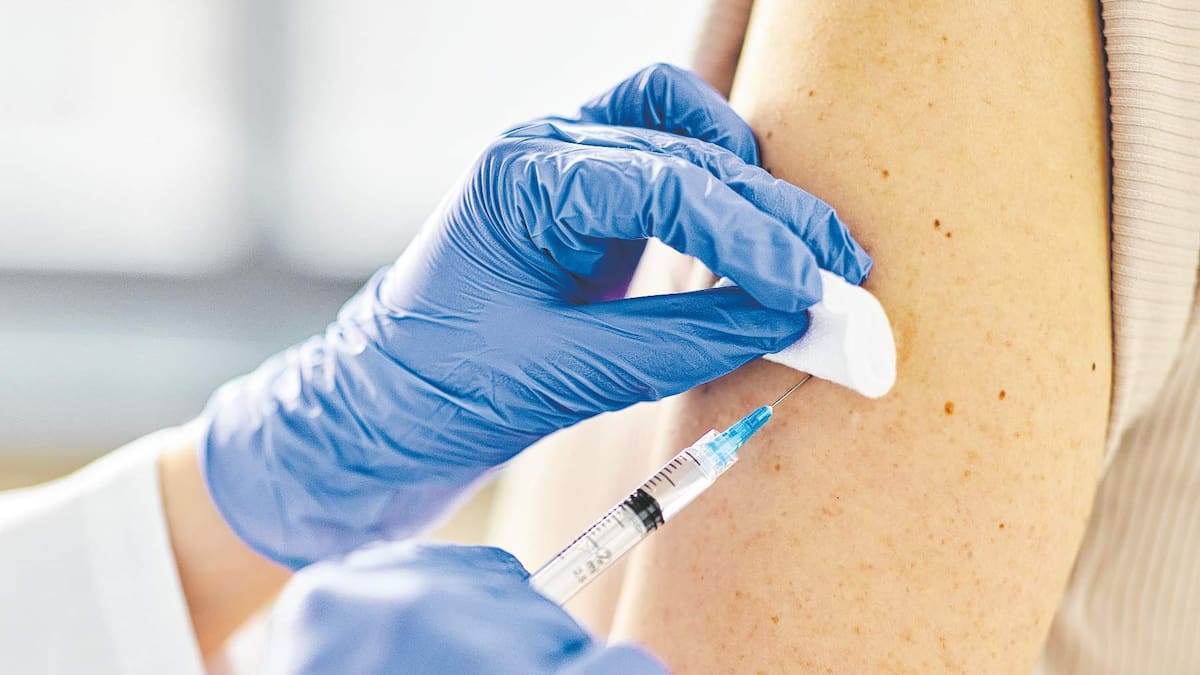
Baker said people were not getting booster shots and for many, it had been quite some time since they were last infected and antibodies were dropping.
It was enough to give the virus “the edge”.
Baker said the virus was still New Zealand’s most impactful infectious disease – equating to about 1000 deaths a year – compared to influenza, which accounted for about 500.
Covid-19 was also filling up hospitals – and everyone needed to “act to reduce impact”, he said.
Baker said there was no data to show if people were still testing but many had become more complacent.
Tests were no longer paid for by the Government, making them unaffordable for some people.
“I think that’s a problem,” Baker said.
Apart from getting boosters – which were available every six months for people over 30 – Baker said self-isolation was the next best way to stop the spread.
He said if people had respiratory symptoms, they should stay home and get a test if they can afford it.
Covid-19 was being tracked through wastewater and hospitalisations – which were currently showing a “big wave”.
As well as topping up antibodies, Baker said regular boosters reduced the risk of long Covid.
The “disabling illness” was not being monitored at all in New Zealand which Baker said was a “gap” in tracking the virus.
He suggested periodic surveys would be enough to track how many people are living with it.