With 2016 nostalgia in the air, social media is reminiscing on all things 2010s.
But for functional coffee brand Bulletproof, the company is shedding its image from a decade ago to embrace a simplified wellness positioning. Somewhere along the way, the company — founded by self-proclaimed “father of biohacking” Dave Asprey in 2013 — lost its way as more functional beverage brands entered the fray. This year, Bulletproof is returning to its coffee roots for cultural relevance, but it has expanded beyond the “coffee butter” craze that made it a household name.
Bulletproof got its start selling MCT-infused coffee beans and Brain Octane Oil, a concentrated MCT oil that can blend into food and beverages; MCT oil helps support keto diets. Over the years, it expanded into formats like bars, capsules and gummies. Now, the company is scaling back its line by focusing on convenient coffee-based products, such as The High Achiever cold brew made with mushrooms and B vitamins.
Bulletproof is now led by Harry Lewis, who took over as CEO in 2024 following Bia Food’s acquisition of the brand. In this interview, Lewis explains why tech-bro-affiliated biohacking can no longer attract a wide enough retail audience to sustain the business. Lewis said the brand’s new north star is offering functional coffee products “that fit seamlessly into everyday routines.”
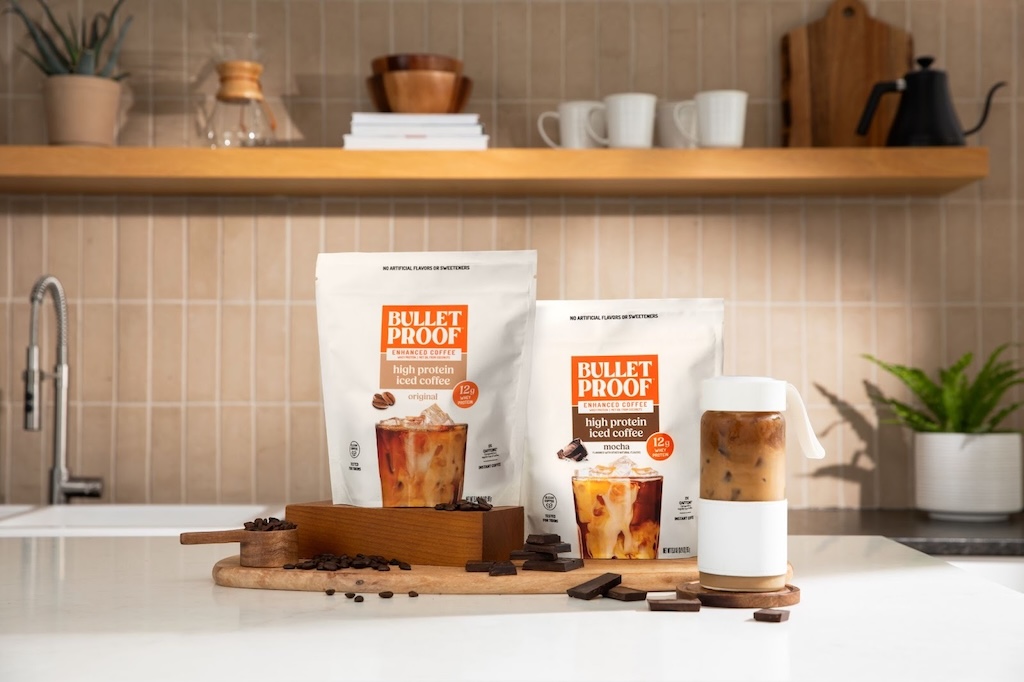
Part of the new branding includes a greater focus on cold coffee preparation and functional add-ons like protein and creatine, driven by Gen Z’s differentiated tastes compared with millennials. The latest example of this rebrand was unveiled at Expo West last week, where Bulletproof introduced its new Coffee + Creatine powder mix. Lewis said the formula hits on a number of trends, including GLP-1 nutritional solutions, and allows customers to integrate Bulletproof into their routines without being overwhelmed by inaccessible nutritional claims. “What we did with the rebrand was to center the benefit more and [sound] less clinical,” Lewis said.
Following the overhaul that began last year, Lewis said the brand returned to growth mode in 2025 after several years of declining sales. “In 2024, innovation for Bulletproof was 0.5% of our net revenue,” he said. By 2025, innovation accounted for 5% of Bulletproof’s revenue, and the company hopes to continue growing that share in 2026. This interview has been lightly edited for length and clarity.
Many ingredients have popped up since the keto craze that Bulletproof was born out of. These days, it’s protein, fiber, collagen, etc. How do your newer products reflect this demand?
“The consumer shifted from labeling themselves “I’m a biohacker,” which has a certain connotation. That positioning got us a very loyal following of people with a performance mindset. We want to win back some of those customers that left, but now [consumers] are looking for real outcomes in how they feel. Providing clarity, energy and balance in the morning is what’s important, and that is what we kept. So now, we feel more like a premium coffee for the coffee aficionados who are into health and wellness. That opens us up a little bit more to feeling more accessible, more inclusive, more personalized and less extreme, less niche.”
How does the new positioning broaden Bulletproof’s appeal without alienating your original customer base?
“What we kept clear is the premise that Bulletproof was built on the notion of high-quality coffee with an added ingredient that works. Back in 2013-2016, a lot of people were following a keto diet, so it was butter or MCT as the focus. Today, we have added energy and focus through lion’s mane, B vitamins and coffee berry. Then we have a coffee with prebiotic fiber for people who are actually looking to support their needs of GLP-1 use.”
How does this impact your retail and merchandising strategy?
“When we had all those different products, the line became too broad and, at one point, we were talking to about eight different buyers in the same retailer. These new products are easier for retailers, as well, because they don’t have to ask their customers to shop different aisles. All of this will be in the coffee section. The protein iced coffee we launched with Sprouts after having success in their innovation set. Now, they’re carrying it full-time. Then there is the creatine coffee that we’re launching at Target, and they are very excited to partner for an exclusive national rollout in May.”
Are there early signs that this rebrand strategy is working?
“Last year, new product sales grew to make up 5% of our net revenue. That shows that retailers are excited about us again and our focus on one category. In ‘26, [we want] at least 9.5% of our revenue to come from innovation. [The rebrand] is a big ambition to grow our company while cycling out the things we don’t want in our portfolio anymore. We think we will win with fewer, bigger bets. We are moving from a founder-led biohacking brand to a more modern functional coffee platform, and it is already paying some dividends.”