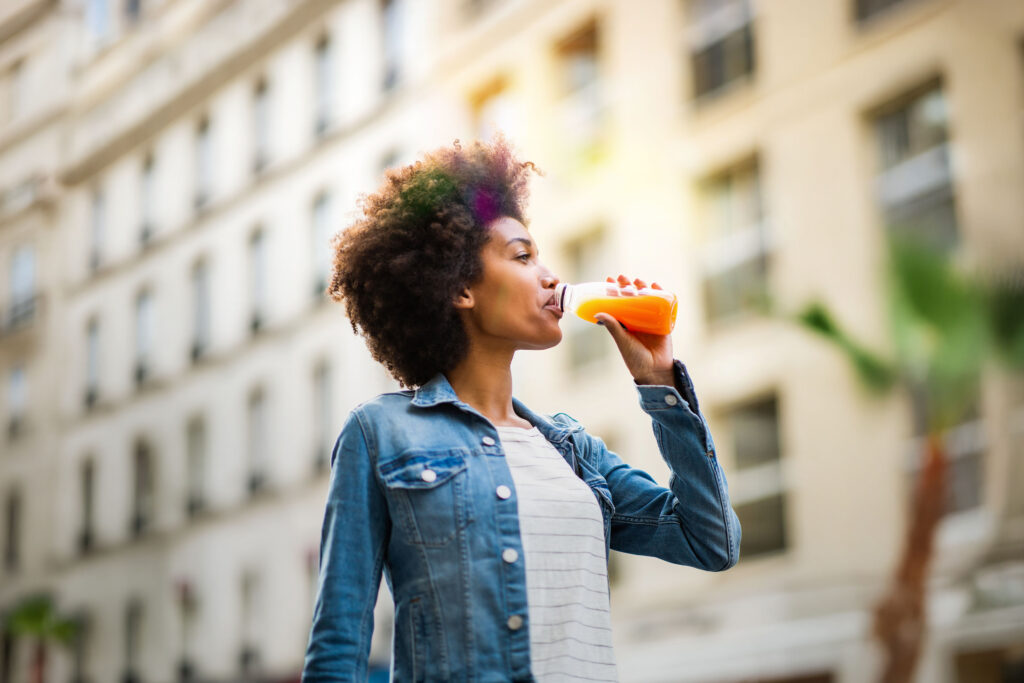
Survey analysis suggests consumers who view themselves as health-conscious are often leading these shifts, particularly in functional and nutrition-focused beverages. Rather than opting out of traditional categories, they are adjusting choices across alcohol, functional drinks, and emerging alternatives, reinforcing wellness as a mainstream mindset rather than a niche behavior.
At the same time, what consumers consider “healthy” is increasingly relative and personal rather than clinical. Many beverage choices are guided less by scientific definitions of health and more by how a product makes people feel in the moment, including feeling balanced, in control, or simply better than an alternative. As a result, shifts away from alcohol or sugar do not always translate into objectively healthier choices, but they do reflect a growing emphasis on perceived well-being.
In parallel, broader changes in how consumers manage health and intake, including growing awareness of GLP 1- based treatments, are further influencing beverage choices.
International comparisons help put this into context. In Brazil, where functional beverages are further along the adoption curve, 89% of consumers identify immune support as a top factor influencing purchase decisions. While the US market is at a different stage, the contrast highlights how health-driven expectations may continue to evolve.