Home Fitness Equipment Market
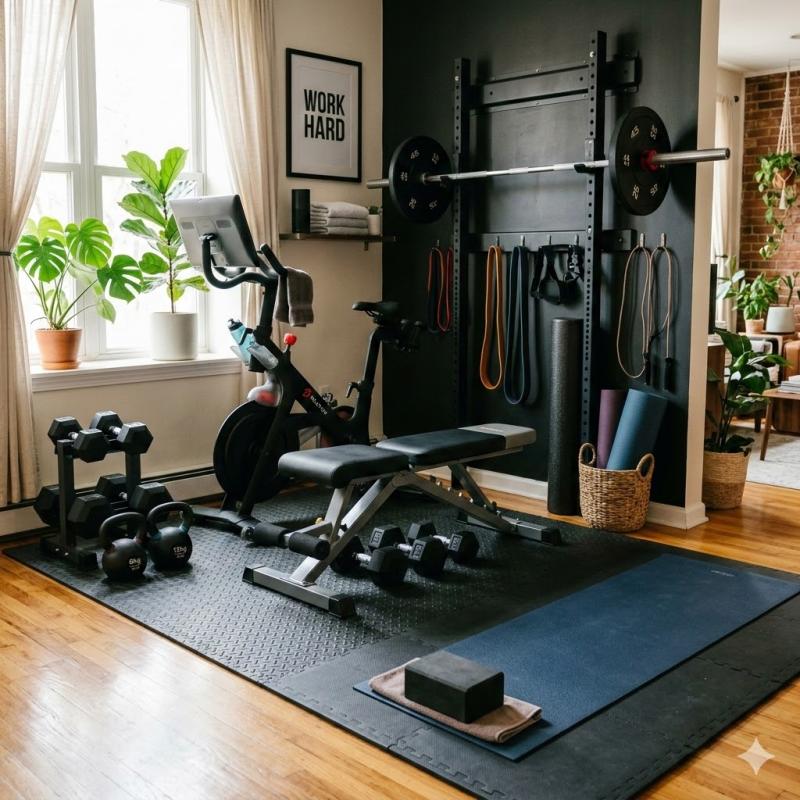
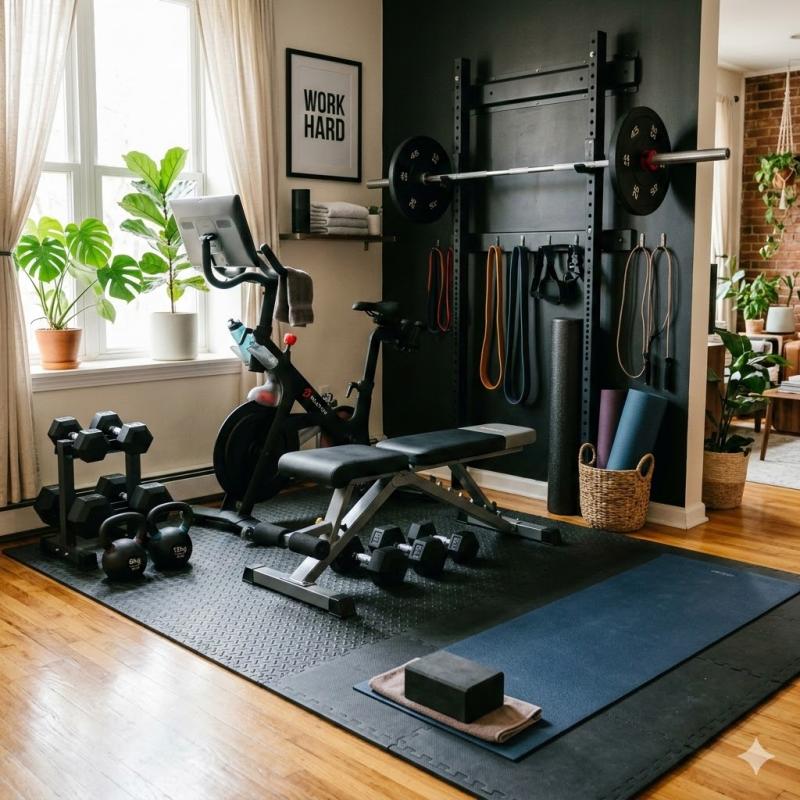
The Demand for Home Fitness Equipment is expanding rapidly as consumers increasingly prioritize health, convenience, and flexible workout routines. With busy lifestyles and growing awareness of preventive healthcare, more individuals are choosing to exercise at home rather than relying solely on traditional gyms. Home fitness equipment, including treadmills, stationary bikes, rowing machines, resistance training equipment, and smart fitness devices, has become an essential part of modern fitness lifestyles.
Request Executive Sample Report: https://www.datamintelligence.com/download-sample/home-fitness-equipment-market?sz
Home fitness equipment allows individuals to perform a wide range of cardiovascular, strength, and flexibility exercises within the comfort of their homes. The growing integration of digital fitness platforms, AI-powered training programs, and connected devices is further enhancing the effectiveness and convenience of home workouts. These technological advancements are transforming home fitness equipment from simple exercise tools into interactive and personalized training systems.
For consumers, fitness enthusiasts, and wellness-focused households, home fitness equipment is no longer just a convenience it has become a strategic investment in long-term health, physical well-being, and lifestyle balance.
Recent Key Developments of United States:
✅ December 2025: Peloton launched a new AI-powered treadmill series with adaptive resistance training, boosting home workout personalization amid rising demand for smart fitness tech. This followed strong Black Friday sales data showing 25% YoY growth in connected equipment. Partnerships with Apple Health expanded integration for real-time biometric tracking.
✅ November 2025: Bowflex released an affordable compact home gym system under $1,000, targeting urban millennials with multifunctional strength training. Market reports highlighted a surge in e-commerce sales, driven by post-holiday fitness resolutions. This aligned with a 15% increase in online retail penetration for fitness gear.
✅ October 2025: Tonal expanded its wall-mounted smart home gym with VR workout modes, securing $100M in Series E funding for production scaling. Industry trackers noted heightened investor interest in subscription-based fitness models. Adoption grew among remote workers seeking space-efficient solutions.
Recent Key Developments of Japan:
✅ December 2025: Technogym introduced a localized IoT-enabled bike for Japanese homes, integrating with Health Japan 21 app for government-backed wellness programs. This tapped into aging population trends, with initial sales exceeding 10,000 units via Rakuten. AI coaching features emphasized low-impact cardio.
✅ November 2025: Panasonic debuted compact EMS (electrical muscle stimulation) suits for home use, certified under JIS standards for safety. Collaborations with local gyms drove B2C pilots in Tokyo. Reports showed a 12% uptick in home rehab equipment demand among seniors.
✅ October 2025: Mitsubishi Electric launched energy-efficient treadmills with solar-charging options, aligning with Japan’s green tech push. Subsidies under METI programs accelerated retail rollout. This reflected a broader shift toward sustainable fitness products in urban apartments.
Speak to Our Analyst and Get Customization in the report as per your requirements: https://www.datamintelligence.com/download-sample/updated/home-fitness-equipment-market?sz
Rising Demand Driven by Health Awareness and Lifestyle Changes:
➠ One of the key growth drivers of the home fitness equipment market is the increasing global awareness of health, wellness, and preventive healthcare. Rising rates of obesity, cardiovascular diseases, and lifestyle-related health conditions have encouraged individuals to adopt more active lifestyles.
➠ Consumers are increasingly incorporating daily exercise routines into their schedules to maintain physical fitness, improve mental health, and boost immunity. Home fitness equipment provides a practical solution by allowing users to exercise without the time constraints and costs associated with gym memberships.
➠ Additionally, hybrid work models and remote working trends have encouraged individuals to create dedicated fitness spaces at home. Compact and multifunctional equipment designed for small living spaces is becoming particularly popular among urban consumers.
➠ Fitness awareness campaigns, social media fitness communities, and online training programs are also motivating individuals to invest in personal workout equipment, further fueling market expansion.
Growth of Smart and Connected Fitness Equipment:
➠ Technological innovation is playing a major role in reshaping the home fitness equipment market. Smart fitness machines equipped with digital screens, internet connectivity, and integrated training software are transforming traditional workouts into immersive fitness experiences.
➠ Connected fitness equipment enables users to participate in live or on-demand workout classes, track performance metrics, and receive personalized coaching. These features enhance user engagement while helping individuals maintain consistent workout routines.
➠ Many modern fitness machines now incorporate artificial intelligence, biometric sensors, and real-time analytics to monitor heart rate, calories burned, exercise intensity, and overall performance. Mobile applications connected to fitness equipment allow users to analyze their progress and set customized fitness goals.
➠ Virtual coaching platforms and interactive training programs are also gaining popularity, providing users with guided workouts and community-driven motivation that replicates the experience of professional gym training.
Expanding Popularity of Strength Training Equipment:
➠ While cardiovascular machines such as treadmills and stationary bikes continue to dominate the market, strength training equipment is witnessing rapid growth. Increasing interest in muscle conditioning, weight training, and functional fitness is driving demand for products such as dumbbells, kettlebells, resistance bands, weight benches, and multifunctional home gym systems.
➠ Strength training has gained widespread popularity due to its benefits in improving muscle mass, bone density, metabolic health, and overall physical performance. Fitness experts increasingly recommend strength-based workouts as part of balanced exercise routines.
➠ Compact strength training equipment designed for home environments is becoming more sophisticated, offering adjustable weights, modular systems, and foldable designs that optimize space efficiency. These innovations allow consumers to perform professional-level strength workouts within limited home spaces.
➠ The growing popularity of bodyweight training, CrossFit-style workouts, and high-intensity interval training (HIIT) is also contributing to the expansion of this segment.
Rising Adoption Among Young Consumers and Fitness Enthusiasts:
➠ Younger demographics, particularly millennials and Generation Z, are playing a significant role in driving the growth of the home fitness equipment market. These consumers are highly engaged with digital health platforms, wearable fitness devices, and online workout communities.
➠ Many young professionals prefer flexible workout schedules that fit into their daily routines without requiring travel to fitness centers. Home fitness equipment provides convenience, privacy, and the ability to exercise at any time.
➠ Social media influencers, fitness trainers, and online workout programs have also influenced consumer purchasing decisions. Fitness content shared through digital platforms encourages users to replicate workout routines at home, increasing demand for compact and versatile equipment.
➠ Furthermore, the growing interest in holistic wellness, including yoga, Pilates, and functional fitness training, is creating demand for specialized home exercise products such as yoga mats, balance trainers, and mobility tools.
Looking For Full Report? Get it Here: https://www.datamintelligence.com/buy-now-page?report=home-fitness-equipment-market
Technology Innovations Enhancing Home Workout Experiences:
➠ The home fitness equipment industry is undergoing rapid technological evolution, with manufacturers focusing on creating more interactive, personalized, and data-driven workout experiences.
➠ Modern fitness machines increasingly feature touchscreen displays, virtual training environments, and integration with wearable fitness trackers. These capabilities allow users to monitor performance metrics in real time and adjust their workouts for optimal results.
➠ Virtual reality (VR) and augmented reality (AR) technologies are also beginning to emerge in the home fitness space. These immersive systems simulate outdoor cycling routes, interactive training environments, and competitive workout challenges, making exercise more engaging and motivating.
➠ Additionally, compact and foldable equipment designs are becoming more common as manufacturers respond to urban consumers who require space-saving solutions for home workouts.
➠ As digital health ecosystems expand, home fitness equipment is increasingly integrated with broader wellness platforms that include nutrition tracking, sleep monitoring, and overall health analytics.
Growing Demand Across Emerging Markets:
➠ Emerging markets across Asia-Pacific, Latin America, and the Middle East are experiencing growing demand for home fitness equipment as urbanization, rising disposable income, and increasing health awareness reshape consumer lifestyles.
➠ Countries such as India, China, and Brazil are witnessing rapid expansion in fitness culture, supported by government initiatives promoting active lifestyles and wellness awareness. As middle-class populations grow, more consumers are investing in personal fitness equipment.
➠ E-commerce platforms are also playing a critical role in expanding market accessibility by offering a wide range of home fitness products, competitive pricing, and convenient delivery options.
➠ Local fitness equipment manufacturers in emerging markets are developing affordable yet high-quality products to cater to price-sensitive consumers, further accelerating market adoption.
Competitive Landscape and Industry Leadership:
➠ The global home fitness equipment market is highly competitive, with numerous established brands and emerging companies offering innovative products tailored to different fitness needs and price segments.
➠ Leading companies operating in the market include Anta International Limited, Nautilus Inc., Johnson Health Tech Co.Ltd, Origin Fitness Ltd, Dyaco International Inc, Technogym SpA, Peleton Interactive Inc., Icon Health & Fitness Inc., Decathlon S.A, Echelon Fitness Multimedia LLC.
➠ These companies are heavily investing in research and development to enhance product innovation, digital connectivity, and user experience. Many manufacturers are also focusing on developing subscription-based digital training services that complement their hardware products.
➠ Strategic collaborations with fitness trainers, health platforms, and sports organizations are helping companies expand their brand presence and reach new consumer segments.
Market Segmentation Overview:
➠ The home fitness equipment market is segmented based on product type, technology, application, distribution channel, and end user.
➠ Based on product type, the market includes cardiovascular training equipment, strength training equipment, flexibility equipment, and multifunctional home gym systems. Cardiovascular equipment such as treadmills, exercise bikes, and rowing machines represents a major segment due to their popularity in daily fitness routines.
➠ Technologically, the market includes traditional fitness equipment and smart connected fitness equipment equipped with digital displays, internet connectivity, and interactive training platforms.
➠ Applications span weight management, cardiovascular health improvement, muscle strengthening, rehabilitation training, and general fitness maintenance.
➠ Distribution channels include online retail platforms, specialty fitness equipment stores, sports retail chains, and direct-to-consumer sales through manufacturer websites.
➠ End users primarily consist of individual consumers, home fitness enthusiasts, professional athletes, and rehabilitation patients seeking convenient exercise solutions.
Unlock 360° Market Intelligence with DataM Subscription Services: https://www.datamintelligence.com/reports-subscription
Strategic Outlook for Industry Leaders:
➠ As consumers increasingly adopt healthier lifestyles and prioritize physical well-being, the home fitness equipment market is expected to experience steady long-term growth. Technological advancements, digital fitness integration, and personalized workout solutions will continue to shape the future of home exercise.
➠ Companies that invest in smart fitness technologies, interactive training platforms, and compact equipment designs will gain a competitive advantage in the evolving market landscape.
➠ The growing convergence of fitness technology, digital health platforms, and connected devices will further expand the role of home fitness equipment in everyday wellness routines.
➠ According to DataM Intelligence, the home fitness equipment market is positioned for sustained expansion over the coming decade, supported by rising health awareness, digital fitness innovation, and increasing demand for convenient home-based workout solutions.
Contact Us –
Company Name: DataM Intelligence
Contact Person: Sai Kiran
Email: Sai.k@datamintelligence.com
Phone: +1 877 441 4866
Website: https://www.datamintelligence.com
About Us –
DataM Intelligence is a Market Research and Consulting firm that provides end-to-end business solutions to organizations from Research to Consulting. We, at DataM Intelligence, leverage our top trademark trends, insights and developments to emancipate swift and astute solutions to clients like you. We encompass a multitude of syndicate reports and customized reports with a robust methodology.
Our research database features countless statistics and in-depth analyses across a wide range of 6300+ reports in 40+ domains creating business solutions for more than 200+ companies across 50+ countries; catering to the key business research needs that influence the growth trajectory of our vast clientele.
This release was published on openPR.